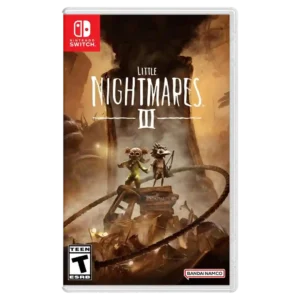
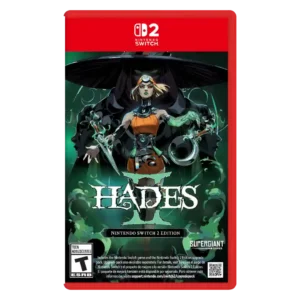
Compare Little Nightmares III vs Hades II

P1 Little Nightmares III
P2 Hades II

Comparison Takeaways

Little Nightmares III

Where It Has the Edge

  • load times is 5.0 vs 3.2. Load times received limited but strong praise from one reviewer who reported virtually none.
  • haptic feedback integration is rated 5.0 while the other product has no score yet. Haptic feedback integration was praised strongly for making a monster’s presence felt through the DualSense.
  • immersion is rated 4.5 while the other product has no score yet. Immersion was praised by one reviewer who found the world atmospheric, transportive, and imaginative.
  • age appropriateness is rated 4.0 while the other product has no score yet. Age appropriateness received limited positive evidence suggesting the violent imagery is unlikely to be excessive for younger teens.

Hades II

Where It Has the Edge

  • bug frequency is 5.0 vs 1.5. Bug frequency is low in the cited review, which reports no bugs or crashes during the playthrough.
  • soundtrack quality is 4.9 vs 1.5. The soundtrack is repeatedly praised as spectacular, outstanding, and varied, with special attention to boss music and genre...
  • world interactivity is 4.8 vs 1.5. One review highlights extra hub and relationship activities, from gardening to familiars and sparring, as meaningful world interaction.
  • onboarding experience is 4.8 vs 2.0. The game introduces its many systems at a steady pace, with one reviewer explicitly saying it avoids overwhelming...
Average score
Product 1: Little Nightmares III
2.9
Product 2: Hades II
4.5
accessibility options
Product 1: Little Nightmares III
4.3

Accessibility options were praised, especially broad aids, full accessibility claims, object outlines, and brightness/font support.

Product 2: Hades II
4.6

Accessibility is praised through God Mode, story-friendly easing, newcomer support, and Aim Assist, though the game remains fundamentally demanding.

age appropriateness
Product 1: Little Nightmares III
4.0

Age appropriateness received limited positive evidence suggesting the violent imagery is unlikely to be excessive for younger teens.

Product 2: Hades II
No score yet
AI behavior
Product 1: Little Nightmares III
2.1

AI behavior leaned negative due to glitches, slow combat responses, and partner mistakes, though a few reviews described only mild clunkiness.

Product 2: Hades II
No score yet
aiming precision
Product 1: Little Nightmares III
1.5

Aiming precision was criticized because bow and melee interactions felt automatic, unclear, or hard to line up rather than skillful.

Product 2: Hades II
No score yet
animation quality
Product 1: Little Nightmares III
4.2

Animation quality received positive evidence for selling fragility, tenderness, and wordless character detail.

Product 2: Hades II
4.8

Animation is praised in the shorter review for making portraits, enemies, and environments pleasing to watch.

art direction
Product 1: Little Nightmares III
4.7

Art direction was one of the strongest areas, repeatedly praised as fantastic, phenomenal, breathtaking, or visually distinctive.

Product 2: Hades II
5.0

Art direction is one of the strongest points, with repeated praise for character art, color, portraits, and Supergiant's visual identity.

atmosphere
Product 1: Little Nightmares III
3.8

Atmosphere was widely praised for menace, mood, and tension, though a few reviews felt co-op or frustration weakened it.

Product 2: Hades II
5.0

The presentation and hub/world atmosphere are praised as unmatched in sight, sound, and character presence.

boss design
Product 1: Little Nightmares III
3.2

Boss design was polarized, ranging from praise for standout monsters and highlight fights to criticism that bosses were straightforward or disappointing.

Product 2: Hades II
4.9

Boss design receives strong praise for memorable fights, musical encounters, challenge, spectacle, and fair pattern learning.

bug frequency
Product 1: Little Nightmares III
1.5

Bug frequency was criticized, especially around AI, broken sequences, and game-breaking or reload-forcing issues.

Product 2: Hades II
5.0

Bug frequency is low in the cited review, which reports no bugs or crashes during the playthrough.

camera behavior
Product 1: Little Nightmares III
2.0

Camera behavior was criticized for depth perception and camera angles that interfered with jumps and survival.

Product 2: Hades II
No score yet
character development
Product 1: Little Nightmares III
2.0

Character development was criticized for giving Low and Alone too little personality or relationship development.

Product 2: Hades II
4.8

Character arcs and evolving relationships are praised for making the cast feel connected and worth returning to between runs.

character roster
Product 1: Little Nightmares III
No score yet
Product 2: Hades II
3.9

The roster is praised as captivating in one review but criticized by others as less memorable than the first game's cast.

checkpoint system
Product 1: Little Nightmares III
2.7

Checkpoint system was mixed: some found checkpointing generous, but others said reloads wasted time or sent them too far back.

Product 2: Hades II
No score yet
co-op experience
Product 1: Little Nightmares III
3.1

Co-op experience was heavily discussed and mixed: several reviewers enjoyed shared puzzle tension, but many felt co-op was underused, burdensome, or tension-draining.

Product 2: Hades II
No score yet
combat system
Product 1: Little Nightmares III
4.0

Combat drew limited but positive notice when Carnavale forced the pair into tense teamwork against doll enemies.

Product 2: Hades II
4.8

Combat is one of the clearest strengths: fast, satisfying, tactical, and deeper than before, with only scattered concerns about flow or screen clutter.

companion AI
Product 1: Little Nightmares III
2.9

Companion AI was one of the most divided areas: some reviewers found it competent or responsive, while others said it caused deaths, waiting, or frustration.

Product 2: Hades II
No score yet
content variety
Product 1: Little Nightmares III
3.2

Content variety was mixed, with some praise for visual/thematic variety but complaints that enemies or chapter beats became wearyingly familiar.

Product 2: Hades II
4.8

Content variety is a major strength, especially the two-route structure, expanded biomes, more systems, and broader cast.

controls responsiveness
Product 1: Little Nightmares III
2.3

Controls were a recurring complaint, with several reviewers calling them clunky, woolly, or intermittently unresponsive, though one found them acceptable.

Product 2: Hades II
4.8

Controls are generally considered tight and responsive, becoming second nature once the new sprinting and omega mechanics click.

core gameplay loop
Product 1: Little Nightmares III
2.0

Core loop evidence was negative, with one reviewer saying the repeated motions made the short journey feel mindless.

Product 2: Hades II
4.7

The run-based roguelike loop is repeatedly praised as rewarding and addictive, though one review found its structure somewhat convoluted.

couch co-op quality
Product 1: Little Nightmares III
1.5

Couch co-op quality was consistently criticized because reviewers repeatedly called the lack of local/couch co-op a missed or baffling opportunity.

Product 2: Hades II
No score yet
crafting system
Product 1: Little Nightmares III
No score yet
Product 2: Hades II
4.3

Crafting and cauldron systems are mostly viewed as thematically strong and useful, though some reviewers find the material load excessive.

cross-play support
Product 1: Little Nightmares III
1.5

Cross-play support was criticized in review-thread evidence as part of the multiplayer feature omissions.

Product 2: Hades II
No score yet
dialogue quality
Product 1: Little Nightmares III
4.0

Dialogue quality received limited positive evidence because the absence of dialogue was viewed as appropriate to the game’s storytelling style.

Product 2: Hades II
5.0

Dialogue quality is a standout, with reviewers praising the volume, reactivity, and encounter-specific freshness of character lines.

difficulty balance
Product 1: Little Nightmares III
2.6

Difficulty balance was mostly criticized for trial-and-error deaths and co-op compounding mistakes, though one reviewer found the game approachable.

Product 2: Hades II
3.8

Difficulty is seen as challenging and rewarding, but reviewers note the fast pace and fear stacking can create frustration.

DLC value
Product 1: Little Nightmares III
2.0

DLC value drew negative evidence where the base game’s abruptness made paid extra chapters feel like more game held back.

Product 2: Hades II
No score yet
economy and resource balance
Product 1: Little Nightmares III
No score yet
Product 2: Hades II
3.1

Resource balance is a repeated caveat: several reviewers like having lots to collect but say the currencies and materials can be too much.

emotional impact
Product 1: Little Nightmares III
2.5

Emotional impact was mixed to negative: companionship could be touching, but several reviewers felt the game lacked emotional depth or resonance.

Product 2: Hades II
3.0

One review says the ending failed to land emotionally compared with the first game's credit-roll impact.

enemy variety
Product 1: Little Nightmares III
4.0

Enemy variety received limited positive evidence, with one reviewer simply finding the monsters scary.

Product 2: Hades II
4.8

Enemy variety is praised in the review that highlights a new roster demanding quick understanding of Melinoë's tools.

environmental detail
Product 1: Little Nightmares III
4.1

Environmental detail was generally praised for rich, vivid, or meticulously realized spaces, though one reviewer found some rooms empty or uninteresting.

Product 2: Hades II
5.0

Environmental detail is praised for making spaces feel handcrafted, richly textured, and present in the wider mythic world.

exploration quality
Product 1: Little Nightmares III
4.0

Exploration was praised in selected areas, especially Carnavale and less railroaded spaces, but evidence was limited.

Product 2: Hades II
No score yet
faithfulness to franchise
Product 1: Little Nightmares III
3.7

Faithfulness to franchise was mixed but often positive: reviewers agreed it looks and feels like Little Nightmares, while some felt it fell short of prior entries.

Product 2: Hades II
No score yet
family friendliness
Product 1: Little Nightmares III
4.0

Family friendliness received similar limited evidence, tempered by the game’s disturbing but stylized imagery.

Product 2: Hades II
No score yet
frame rate stability
Product 1: Little Nightmares III
3.0

Frame rate stability was mixed: several reviews found it steady or acceptable, while others reported drops or severe Beauty-mode chugging.

Product 2: Hades II
5.0

Frame rate stability is praised on Switch platforms, including flawless Switch 2 performance and smooth 60 fps on Switch 1.

fun factor
Product 1: Little Nightmares III
3.2

Fun factor was highly mixed, ranging from good fun and worthwhile playthroughs to chore-like or frustrating experiences.

Product 2: Hades II
5.0

Reviewers repeatedly emphasize joy, affection, and approachability, calling the game easy to love and one of the year's best.

gameplay mechanics
Product 1: Little Nightmares III
2.3

Reviews frequently criticized the mechanics as safe, shallow, or underused, though a few found the simple loop acceptable for the mood-driven design.

Product 2: Hades II
4.7

Reviewers describe the mechanics as familiar but meaningfully expanded, with witchcraft systems, richer magic use, and a few mixed notes about complexity.

graphics quality
Product 1: Little Nightmares III
3.6

Graphics quality was mixed but often positive: reviewers praised the visuals and set pieces while some criticized darkness and clarity problems.

Product 2: Hades II
5.0

Graphics are praised as gorgeous or beautiful across reviews, with only isolated platform-specific visual caveats elsewhere.

grind level
Product 1: Little Nightmares III
No score yet
Product 2: Hades II
3.2

Grinding is a mixed point: some resource gathering pulls players into new paths, while late resource needs can become tedious.

handheld play suitability
Product 1: Little Nightmares III
3.0

Handheld play suitability was mixed, with Switch 2 handheld play described as rougher due to blur and swallowed shadow detail.

Product 2: Hades II
4.4

Handheld play is mostly praised on Steam Deck and portable sessions, with one Switch portable readability caveat.

haptic feedback integration
Product 1: Little Nightmares III
5.0

Haptic feedback integration was praised strongly for making a monster’s presence felt through the DualSense.

Product 2: Hades II
No score yet
horror tension
Product 1: Little Nightmares III
3.1

Horror tension was mixed: many praised chills and chase intensity, but several reviewers found it less scary than past games.

Product 2: Hades II
No score yet
HUD clarity
Product 1: Little Nightmares III
No score yet
Product 2: Hades II
3.3

Readability is the main HUD concern, especially portable mode and late-game effect clutter that can make action hard to parse.

immersion
Product 1: Little Nightmares III
4.5

Immersion was praised by one reviewer who found the world atmospheric, transportive, and imaginative.

Product 2: Hades II
No score yet
innovation
Product 1: Little Nightmares III
2.2

Innovation leaned negative overall: reviewers noted a few smart ideas but repeatedly said the sequel played too safe or lacked new mechanics.

Product 2: Hades II
No score yet
learning curve
Product 1: Little Nightmares III
2.0

Learning curve evidence was negative because unclear direction and minimal tutorialization made the game easy to feel lost in.

Product 2: Hades II
3.6

The learning curve is real, especially around Melinoë's cast and playstyle, but reviewers generally frame that adjustment as worthwhile.

level design
Product 1: Little Nightmares III
3.4

Level design was mixed, with praise for standout locations and fair layouts offset by criticism that some design felt lacking or overly linear.

Product 2: Hades II
4.6

Level design is praised for distinct areas, route variety, and region-specific mechanics that add structure beyond simple room chains.

load times
Product 1: Little Nightmares III
5.0

Load times received limited but strong praise from one reviewer who reported virtually none.

Product 2: Hades II
3.2

Load times are a platform caveat, with Switch 1 specifically called out for longer loading.

lore depth
Product 1: Little Nightmares III
2.0

Lore depth drew negative evidence from a reviewer who felt understanding the story depended too much on outside material.

Product 2: Hades II
No score yet
map and navigation design
Product 1: Little Nightmares III
2.3

Map and navigation design leaned negative, with reviewers citing unclear paths, poor visibility, and missed exits.

Product 2: Hades II
3.8

Navigation/pathing is mildly criticized by one reviewer who wanted more agency and route variety.

menu usability
Product 1: Little Nightmares III
No score yet
Product 2: Hades II
3.2

Menu usability has a small caveat: one reviewer struggled to locate item sub-menus, though it did not meaningfully hurt the experience.

movement feel
Product 1: Little Nightmares III
2.7

Movement feel was mixed to negative: the umbrella added a small wrinkle, but mechanical clunkiness and sluggish movement remained common caveats.

Product 2: Hades II
4.4

Movement earns praise for satisfying dashing and casting, though the sprint transition takes adjustment compared with the first game.

multiplayer design
Product 1: Little Nightmares III
1.8

Multiplayer design was criticized for online-only limits, no drop-in switching, and difficult co-op setup despite the feature’s prominence.

Product 2: Hades II
No score yet
narrative quality
Product 1: Little Nightmares III
2.5

Narrative quality was mixed to negative overall, with recurring complaints about slight, disjointed, ambiguous, or abrupt storytelling despite a few positive reads.

Product 2: Hades II
3.9

Narrative reactions are mixed: some call it seamless and compelling, while others find the ending, stakes, or emotional focus weaker.

onboarding experience
Product 1: Little Nightmares III
2.0

Onboarding evidence was negative, with one reviewer saying newcomers are thrown in without enough guidance.

Product 2: Hades II
4.8

The game introduces its many systems at a steady pace, with one reviewer explicitly saying it avoids overwhelming players too early.

originality
Product 1: Little Nightmares III
2.1

Originality leaned negative, with many reviewers calling it formulaic, familiar, or a retread rather than a fresh sequel.

Product 2: Hades II
3.4

Originality is the main split: reviewers admire fresh systems but often call it safe, familiar, or more of Hades.

pacing
Product 1: Little Nightmares III
2.8

Pacing was divisive: some reviewers liked the tight or smoother flow, but many cited repetition, a weak first half, abrupt ending, or hollow stretches.

Product 2: Hades II
No score yet
performance optimization
Product 1: Little Nightmares III
4.2

Performance optimization was generally positive, with multiple reviewers reporting smooth or consistent performance and no major issues.

Product 2: Hades II
5.0

Performance is generally excellent across PC, Steam Deck, Switch 2, and other systems, with reviewers reporting smooth or flawless play.

platform-specific feature support
Product 1: Little Nightmares III
5.0

Platform-specific feature support received strong evidence from the same DualSense implementation praise.

Product 2: Hades II
5.0

Switch-specific support is praised for a physical release, free upgrade path, and 120 fps mode.

platforming precision
Product 1: Little Nightmares III
1.9

Platforming precision was one of the more consistent frustrations, with depth perception, camera angle, and visibility causing repeated deaths.

Product 2: Hades II
No score yet
polish
Product 1: Little Nightmares III
2.9

Polish was mixed: some reviews called it well built or visually polished, while others cited buggy, inconsistent, or clumsy execution.

Product 2: Hades II
4.9

Polish is repeatedly emphasized, from early access refinement to a nearly faultless Switch version and Supergiant's overall presentation.

progression system
Product 1: Little Nightmares III
No score yet
Product 2: Hades II
4.9

Progression is widely praised for making failed and successful runs feel useful, with steady unlocks, resources, arcana, and new systems.

protagonist appeal
Product 1: Little Nightmares III
4.3

Protagonist appeal was positive where mentioned, with reviewers liking the designs and fragile duo.

Product 2: Hades II
4.4

Melinoë is generally liked as a protagonist, though one reviewer finds her a bit too perfect and another prefers the first cast.

puzzle design
Product 1: Little Nightmares III
2.5

Puzzle design split reviewers sharply but leaned negative overall: some praised clarity or co-op richness, while many found puzzles obvious, repetitive, or overly simple.

Product 2: Hades II
No score yet
replay value
Product 1: Little Nightmares III
2.2

Replay value leaned weak: a few saw some reason to replay roles, but most cited low replay value, similar characters, or uninteresting secrets.

Product 2: Hades II
4.4

Replay value is high overall, with many reviewers expecting dozens more hours, though a few felt the repetition or ending reduced motivation.

save system reliability
Product 1: Little Nightmares III
1.0

Save system reliability received strong negative evidence from a bug that forced replaying an entire chapter.

Product 2: Hades II
No score yet
skill tree depth
Product 1: Little Nightmares III
No score yet
Product 2: Hades II
5.0

The arcana card system is described as more dynamic than the previous upgrade mirror and better tied to build strategy.

sound design
Product 1: Little Nightmares III
4.7

Sound design was strongly praised for syncing with art, building tension, and enhancing atmosphere.

Product 2: Hades II
5.0

Sound design is praised for dynamic musical interaction, strong audio identity, and music that changes with combat events.

soundtrack quality
Product 1: Little Nightmares III
1.5

Soundtrack quality was criticized by negative reviewers who found the music forgettable or lacking identity.

Product 2: Hades II
4.9

The soundtrack is repeatedly praised as spectacular, outstanding, and varied, with special attention to boss music and genre range.

split-screen quality
Product 1: Little Nightmares III
1.5

Split-screen quality received negative evidence because the lack of single-screen co-op was described as an oversight.

Product 2: Hades II
No score yet
stealth mechanics
Product 1: Little Nightmares III
3.0

Stealth received split reactions: some reviewers enjoyed the scares and thrills, while others found trial-and-error stealth tiring.

Product 2: Hades II
No score yet
tutorial quality
Product 1: Little Nightmares III
1.8

Tutorial quality was criticized by reviewers who felt the game barely explained itself and left players lost early.

Product 2: Hades II
No score yet
upgrade system
Product 1: Little Nightmares III
No score yet
Product 2: Hades II
4.9

Upgrade systems are praised for breadth and power growth, especially arcana and meta progression, with reviewers emphasizing flexibility.

user interface design
Product 1: Little Nightmares III
No score yet
Product 2: Hades II
5.0

The interface receives praise for carrying the art direction into menus and buttons, putting Supergiant near the top of UI craft.

value for money
Product 1: Little Nightmares III
2.8

Value for money was mixed to negative, balancing Friend Pass and lower price praise against short length, paid extras, and sale recommendations.

Product 2: Hades II
4.7

Value is viewed positively thanks to the amount of content, reasonable price, replayability, and broad enjoyment.

visual effects quality
Product 1: Little Nightmares III
3.3

Visual effects quality was mixed, with praise for depth of field but criticism that darkness made details hard to read.

Product 2: Hades II
4.4

Visual effects are admired for spectacle and style, though one reviewer notes heavy effects can obscure combat readability.

voice acting
Product 1: Little Nightmares III
No score yet
Product 2: Hades II
5.0

Voice acting receives near-universal praise as top-notch, memorable, and strong enough to support the large dialogue load.

weapon balance
Product 1: Little Nightmares III
No score yet
Product 2: Hades II
4.8

Weapon feel is praised for distinct weapon identities that push different approaches to runs.

world-building
Product 1: Little Nightmares III
3.4

World-building was mixed, with praise for a compelling or aesthetically told world but criticism that it lacked context or misunderstood the series’ mystery.

Product 2: Hades II
4.8

World-building is praised for Greek myth reinterpretation, relationship-driven lore, and the broader conflict around the Underworld and Olympus.

world interactivity
Product 1: Little Nightmares III
1.5

World interactivity was criticized for unclear visual rules around what could be climbed, smashed, or used.

Product 2: Hades II
4.8

One review highlights extra hub and relationship activities, from gardening to familiars and sparring, as meaningful world interaction.

writing quality
Product 1: Little Nightmares III
3.2

Writing quality was mixed, with praise for wordless environmental storytelling but criticism that some story construction felt hollow or unsatisfying.

Product 2: Hades II
5.0

Writing is consistently praised for character voice, reactive dialogue, and mythic interpretation, despite a few story-level reservations.