Average score
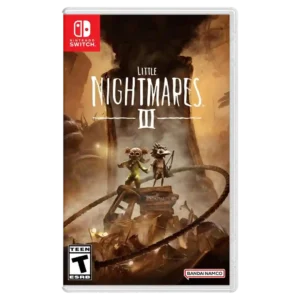
Little Nightmares III
2.8
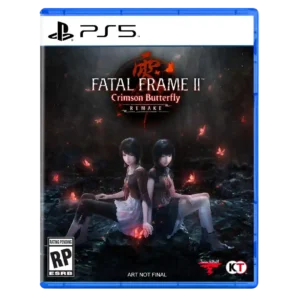
Fatal Frame II: Crimson Butterfly Remake
3.8
haptic feedback integration
Little Nightmares III
5.0
Haptic feedback integration was praised strongly for making a monster’s presence felt through the DualSense.
Fatal Frame II: Crimson Butterfly Remake
1.0
Controller vibration is notably light for at least one player, leaving the remake with less tactile feedback than expected.
save system reliability
Little Nightmares III
1.0
Save system reliability received strong negative evidence from a bug that forced replaying an entire chapter.
Fatal Frame II: Crimson Butterfly Remake
5.0
Reliable autosaves pair well with generous checkpoints, making progress feel secure even when combat suddenly turns punishing.
load times
Little Nightmares III
5.0
Load times received limited but strong praise from one reviewer who reported virtually none.
Fatal Frame II: Crimson Butterfly Remake
2.0
Loading can interrupt the experience in spots, adding another small layer of friction to an already deliberate pace.
platform-specific feature support
Little Nightmares III
5.0
Platform-specific feature support received strong evidence from the same DualSense implementation praise.
Fatal Frame II: Crimson Butterfly Remake
2.0
3D audio can noticeably strengthen the horror, but missing gyro support, HDR/film-grain issues, and console limitations make platform features inconsistent.
soundtrack quality
Little Nightmares III
1.5
Soundtrack quality was criticized by negative reviewers who found the music forgettable or lacking identity.
Fatal Frame II: Crimson Butterfly Remake
4.0
The music supports both the story’s melancholy and its tension without overpowering the quieter environmental horror.
checkpoint system
Little Nightmares III
2.7
Checkpoint system was mixed: some found checkpointing generous, but others said reloads wasted time or sent them too far back.
Fatal Frame II: Crimson Butterfly Remake
5.0
Generous checkpoints reduce the sting of deaths and keep difficult sections from forcing long replays.
originality
Little Nightmares III
2.1
Originality leaned negative, with many reviewers calling it formulaic, familiar, or a retread rather than a fresh sequel.
Fatal Frame II: Crimson Butterfly Remake
4.3
Photography-based exorcism still gives Fatal Frame a distinctive identity that stands apart from gun-focused survival horror.
lore depth
Little Nightmares III
2.0
Lore depth drew negative evidence from a reviewer who felt understanding the story depended too much on outside material.
Fatal Frame II: Crimson Butterfly Remake
4.2
Journals, spirit traces, side stories, and new locations deepen the village’s ritual history and make its ghosts more tragic and memorable.
performance optimization
Little Nightmares III
4.2
Performance optimization was generally positive, with multiple reviewers reporting smooth or consistent performance and no major issues.
Fatal Frame II: Crimson Butterfly Remake
2.0
Technical performance is a weak point, especially on consoles where stutter, frame drops, and limited performance options are repeatedly criticized.
innovation
Little Nightmares III
2.2
Innovation leaned negative overall: reviewers noted a few smart ideas but repeatedly said the sequel played too safe or lacked new mechanics.
Fatal Frame II: Crimson Butterfly Remake
4.3
The Camera Obscura remains an inventive horror concept, and the remake takes some smart chances with filters and combat without reinventing the series.
character development
Little Nightmares III
2.0
Character development was criticized for giving Low and Alone too little personality or relationship development.
Fatal Frame II: Crimson Butterfly Remake
4.0
Mio and Mayu’s strained bond comes through strongly, with side stories and hand-holding mechanics adding texture to their relationship.
onboarding experience
Little Nightmares III
2.0
Onboarding evidence was negative, with one reviewer saying newcomers are thrown in without enough guidance.
Fatal Frame II: Crimson Butterfly Remake
4.0
Lock-on, dodging, difficulty choices, and clearer navigation make this an approachable entry point, though some guidance arrives awkwardly or feels excessive.
world interactivity
Little Nightmares III
1.5
World interactivity was criticized for unclear visual rules around what could be climbed, smashed, or used.
Fatal Frame II: Crimson Butterfly Remake
3.5
Holding Mayu’s hand is a meaningful, health-restoring expression of the sisters’ bond, though the interaction can feel clumsy or underused.
replay value
Little Nightmares III
2.2
Replay value leaned weak: a few saw some reason to replay roles, but most cited low replay value, similar characters, or uninteresting secrets.
Fatal Frame II: Crimson Butterfly Remake
4.0
Multiple endings, New Game+, higher difficulties, missed ghosts, and collectibles give strong reasons to revisit Minakami.
writing quality
Little Nightmares III
3.2
Writing quality was mixed, with praise for wordless environmental storytelling but criticism that some story construction felt hollow or unsatisfying.
Fatal Frame II: Crimson Butterfly Remake
5.0
The restrained exposition and improved translation let the mystery unfold naturally without burying the player in long explanations.
narrative quality
Little Nightmares III
2.5
Narrative quality was mixed to negative overall, with recurring complaints about slight, disjointed, ambiguous, or abrupt storytelling despite a few positive reads.
Fatal Frame II: Crimson Butterfly Remake
4.3
The tragic mystery of Mio, Mayu, and Minakami is consistently praised as a major strength, with new material generally expanding the story without disrupting it.
learning curve
Little Nightmares III
2.0
Learning curve evidence was negative because unclear direction and minimal tutorialization made the game easy to feel lost in.
Fatal Frame II: Crimson Butterfly Remake
3.5
The camera system needs some adjustment time, but combat becomes more natural once focus, timing, filters, and Fatal Frames click.
camera behavior
Little Nightmares III
2.0
Camera behavior was criticized for depth perception and camera angles that interfered with jumps and survival.
Fatal Frame II: Crimson Butterfly Remake
3.4
The over-the-shoulder view makes exploration easier to control, but some players feel losing fixed angles weakens surprise and dread.
emotional impact
Little Nightmares III
2.5
Emotional impact was mixed to negative: companionship could be touching, but several reviewers felt the game lacked emotional depth or resonance.
Fatal Frame II: Crimson Butterfly Remake
3.8
The themes of sacrifice, guilt, loss, and the sisters’ bond give the horror a melancholy weight beyond its jump scares.
protagonist appeal
Little Nightmares III
4.3
Protagonist appeal was positive where mentioned, with reviewers liking the designs and fragile duo.
Fatal Frame II: Crimson Butterfly Remake
3.0
Mio’s vulnerability and determination suit the story well, though her slow movement and dependence on Mayu-related systems can be frustrating in play.
tutorial quality
Little Nightmares III
1.8
Tutorial quality was criticized by reviewers who felt the game barely explained itself and left players lost early.
Fatal Frame II: Crimson Butterfly Remake
3.0
Tutorials explain many systems, but the timing and volume of instruction can be awkward, with some crucial guidance arriving only after failure.
value for money
Little Nightmares III
2.8
Value for money was mixed to negative, balancing Friend Pass and lower price praise against short length, paid extras, and sale recommendations.
Fatal Frame II: Crimson Butterfly Remake
4.0
For horror fans, the expanded content and strong presentation generally justify the purchase, while performance-sensitive players may prefer a sale or patches.
world-building
Little Nightmares III
3.4
World-building was mixed, with praise for a compelling or aesthetically told world but criticism that it lacked context or misunderstood the series’ mystery.
Fatal Frame II: Crimson Butterfly Remake
4.5
Minakami’s architecture, rituals, journals, spirits, and side stories form a cohesive folk-horror setting that grows richer the more it is explored.
content variety
Little Nightmares III
3.2
Content variety was mixed, with some praise for visual/thematic variety but complaints that enemies or chapter beats became wearyingly familiar.
Fatal Frame II: Crimson Butterfly Remake
4.2
New side stories, areas, collectibles, and endings give returning players meaningful extra material, even if a few additions feel secondary.
combat system
Little Nightmares III
4.0
Combat drew limited but positive notice when Carnavale forced the pair into tense teamwork against doll enemies.
Fatal Frame II: Crimson Butterfly Remake
3.0
Camera-based combat remains distinctive, tense, and satisfying when it clicks, but aggravated wraiths, long health bars, and clunky movement frequently turn fights into frustration.
DLC value
Little Nightmares III
2.0
DLC value drew negative evidence where the base game’s abruptness made paid extra chapters feel like more game held back.
Fatal Frame II: Crimson Butterfly Remake
1.0
Several customers expected preorder bonuses and were disappointed when the promised extras were missing.
enemy variety
Little Nightmares III
4.0
Enemy variety received limited positive evidence, with one reviewer simply finding the monsters scary.
Fatal Frame II: Crimson Butterfly Remake
3.0
Ghosts have memorable designs and behaviors, but repeated encounters can make the roster feel less varied over a full playthrough.
handheld play suitability
Little Nightmares III
3.0
Handheld play suitability was mixed, with Switch 2 handheld play described as rougher due to blur and swallowed shadow detail.
Fatal Frame II: Crimson Butterfly Remake
2.0
Handheld play keeps the same general experience, but reduced clarity and blur make the Switch 2 presentation less appealing on the small screen.
art direction
Little Nightmares III
4.7
Art direction was one of the strongest areas, repeatedly praised as fantastic, phenomenal, breathtaking, or visually distinctive.
Fatal Frame II: Crimson Butterfly Remake
3.8
The remake’s moody J-horror look is widely effective, but the heavy film-grain treatment is divisive and can obscure the cleaner visual upgrade.
immersion
Little Nightmares III
4.5
Immersion was praised by one reviewer who found the world atmospheric, transportive, and imaginative.
Fatal Frame II: Crimson Butterfly Remake
3.6
Sound, lighting, village detail, and the sisters’ vulnerability pull players into Minakami, while busy HUD elements and gamey upgrade systems can break the spell.
frame rate stability
Little Nightmares III
3.0
Frame rate stability was mixed: several reviews found it steady or acceptable, while others reported drops or severe Beauty-mode chugging.
Fatal Frame II: Crimson Butterfly Remake
2.2
Console performance is the clearest technical complaint, with a 30 FPS cap and reports of stutter or drops overshadowing otherwise strong presentation.
horror tension
Little Nightmares III
3.1
Horror tension was mixed: many praised chills and chase intensity, but several reviewers found it less scary than past games.
Fatal Frame II: Crimson Butterfly Remake
3.9
The remake remains intensely creepy and often terrifying, although greater player control and overlong fights can occasionally dilute the fear.
controls responsiveness
Little Nightmares III
2.3
Controls were a recurring complaint, with several reviewers calling them clunky, woolly, or intermittently unresponsive, though one found them acceptable.
Fatal Frame II: Crimson Butterfly Remake
3.1
Modern controls are easier to live with than the originals, but stiffness, awkward bindings, and slow combat inputs remain recurring complaints.
gameplay mechanics
Little Nightmares III
2.3
Reviews frequently criticized the mechanics as safe, shallow, or underused, though a few found the simple loop acceptable for the mood-driven design.
Fatal Frame II: Crimson Butterfly Remake
3.0
Modernized mechanics add depth and convenience, yet the extra systems sometimes feel overcomplicated or at odds with the series’ vulnerability-first horror.
map and navigation design
Little Nightmares III
2.3
Map and navigation design leaned negative, with reviewers citing unclear paths, poor visibility, and missed exits.
Fatal Frame II: Crimson Butterfly Remake
3.0
Maps and signposting usually keep objectives readable, but guidance ranges from welcome clarity to hand-holding that some players find excessive.
accessibility options
Little Nightmares III
4.3
Accessibility options were praised, especially broad aids, full accessibility claims, object outlines, and brightness/font support.
Fatal Frame II: Crimson Butterfly Remake
3.6
Settings cover useful basics such as subtitles, control choices, lock-on, and vibration, but PC keyboard support and customization are uneven.
exploration quality
Little Nightmares III
4.0
Exploration was praised in selected areas, especially Carnavale and less railroaded spaces, but evidence was limited.
Fatal Frame II: Crimson Butterfly Remake
3.3
Exploration rewards curiosity with lore, upgrades, and secrets, though backtracking, slow movement, and occasional over-signposting can sap momentum.
graphics quality
Little Nightmares III
3.6
Graphics quality was mixed but often positive: reviewers praised the visuals and set pieces while some criticized darkness and clarity problems.
Fatal Frame II: Crimson Butterfly Remake
4.2
Detailed environments, lighting, character models, and ghost designs make this the best-looking Fatal Frame for many, despite some film-grain and performance complaints.
fun factor
Little Nightmares III
3.2
Fun factor was highly mixed, ranging from good fun and worthwhile playthroughs to chore-like or frustrating experiences.
Fatal Frame II: Crimson Butterfly Remake
3.7
Most players still find the remake enjoyable and compelling, but prolonged combat and technical friction can turn tense encounters into chores.
boss design
Little Nightmares III
3.2
Boss design was polarized, ranging from praise for standout monsters and highlight fights to criticism that bosses were straightforward or disappointing.
Fatal Frame II: Crimson Butterfly Remake
2.6
Major apparitions can be memorable and terrifying, but early mini-boss spikes and drawn-out encounters make boss quality inconsistent.
puzzle design
Little Nightmares III
2.5
Puzzle design split reviewers sharply but leaned negative overall: some praised clarity or co-op richness, while many found puzzles obvious, repetitive, or overly simple.
Fatal Frame II: Crimson Butterfly Remake
3.0
Puzzles provide welcome breaks from combat and generally fit classic survival horror, but some are simple while chase-related problem solving can become trial and error.
aiming precision
Little Nightmares III
1.5
Aiming precision was criticized because bow and melee interactions felt automatic, unclear, or hard to line up rather than skillful.
Fatal Frame II: Crimson Butterfly Remake
2.0
Aiming can still feel awkward when the Camera Obscura gets hectic, even with the remake’s extra focus and targeting tools.
bug frequency
Little Nightmares III
1.5
Bug frequency was criticized, especially around AI, broken sequences, and game-breaking or reload-forcing issues.
Fatal Frame II: Crimson Butterfly Remake
1.0
A customer reports the game feeling both clunky and buggy, pointing to rough technical edges.
visual effects quality
Little Nightmares III
3.3
Visual effects quality was mixed, with praise for depth of field but criticism that darkness made details hard to read.
Fatal Frame II: Crimson Butterfly Remake
3.7
Lighting, fog, shadows, and spectral effects strongly reinforce the horror, but aggressive film grain can muddy an otherwise impressive image.
sound design
Little Nightmares III
4.7
Sound design was strongly praised for syncing with art, building tension, and enhancing atmosphere.
Fatal Frame II: Crimson Butterfly Remake
4.2
Creaks, distant cries, spatial audio, and oppressive silence are standout strengths that make the village feel hostile before anything appears.
polish
Little Nightmares III
2.9
Polish was mixed: some reviews called it well built or visually polished, while others cited buggy, inconsistent, or clumsy execution.
Fatal Frame II: Crimson Butterfly Remake
2.5
The remake looks ambitious but retains noticeable jank, with clunky controls, awkward animations, and performance roughness keeping it from feeling fully refined.
companion AI
Little Nightmares III
2.9
Companion AI was one of the most divided areas: some reviewers found it competent or responsive, while others said it caused deaths, waiting, or frustration.
Fatal Frame II: Crimson Butterfly Remake
2.5
Mayu can reinforce the sisters’ bond without making escort sections unbearable, yet she is often too passive or becomes a liability during fights.
stealth mechanics
Little Nightmares III
3.0
Stealth received split reactions: some reviewers enjoyed the scares and thrills, while others found trial-and-error stealth tiring.
Fatal Frame II: Crimson Butterfly Remake
3.4
Running and hiding can create excellent panic, but dark visual filters, unclear hiding spots, and trial-and-error failures make stealth inconsistent.
animation quality
Little Nightmares III
4.2
Animation quality received positive evidence for selling fragility, tenderness, and wordless character detail.
Fatal Frame II: Crimson Butterfly Remake
3.9
Character and ghost animation is generally expressive and improved, though some movement still looks stiff or less polished than modern peers.
atmosphere
Little Nightmares III
3.8
Atmosphere was widely praised for menace, mood, and tension, though a few reviews felt co-op or frustration weakened it.
Fatal Frame II: Crimson Butterfly Remake
4.0
Minakami Village is the remake’s defining strength: oppressive darkness, fog, lighting, and eerie spaces keep the experience tense even between fights.
faithfulness to franchise
Little Nightmares III
3.7
Faithfulness to franchise was mixed but often positive: reviewers agreed it looks and feels like Little Nightmares, while some felt it fell short of prior entries.
Fatal Frame II: Crimson Butterfly Remake
3.9
The remake preserves the tragic story and Fatal Frame identity well, while modern camera and combat changes divide purists who preferred the older feel.
movement feel
Little Nightmares III
2.7
Movement feel was mixed to negative: the umbrella added a small wrinkle, but mechanical clunkiness and sluggish movement remained common caveats.
Fatal Frame II: Crimson Butterfly Remake
2.6
Mio is easier to steer than in older versions, but slow, heavy, or stiff movement remains one of the most common frustrations during combat.
AI behavior
Little Nightmares III
2.1
AI behavior leaned negative due to glitches, slow combat responses, and partner mistakes, though a few reviews described only mild clunkiness.
Fatal Frame II: Crimson Butterfly Remake
2.0
Holding hands can sometimes confuse enemy behavior, causing ghosts to shuffle awkwardly around the sisters.
level design
Little Nightmares III
3.4
Level design was mixed, with praise for standout locations and fair layouts offset by criticism that some design felt lacking or overly linear.
Fatal Frame II: Crimson Butterfly Remake
3.5
Minakami’s dense houses and winding paths build strong tension and familiarity, though some corridors and chase spaces can feel restrictive or confusing.
environmental detail
Little Nightmares III
4.1
Environmental detail was generally praised for rich, vivid, or meticulously realized spaces, though one reviewer found some rooms empty or uninteresting.
Fatal Frame II: Crimson Butterfly Remake
4.0
Houses, streets, textures, and small lived-in touches make Minakami feel convincingly decayed and unsettling.
difficulty balance
Little Nightmares III
2.6
Difficulty balance was mostly criticized for trial-and-error deaths and co-op compounding mistakes, though one reviewer found the game approachable.
Fatal Frame II: Crimson Butterfly Remake
2.5
Difficulty is uneven: early fights and aggravated wraiths can spike sharply, while later upgrades or patches can swing combat toward trivial.
pacing
Little Nightmares III
2.8
Pacing was divisive: some reviewers liked the tight or smoother flow, but many cited repetition, a weak first half, abrupt ending, or hollow stretches.
Fatal Frame II: Crimson Butterfly Remake
2.7
The story’s slow-burn rhythm often works beautifully, but backtracking, optional material, and overlong ghost battles can make stretches drag.
core gameplay loop
Little Nightmares III
2.0
Core loop evidence was negative, with one reviewer saying the repeated motions made the short journey feel mindless.
Fatal Frame II: Crimson Butterfly Remake
2.0
The photography-and-exploration loop can lose momentum when repeated ghost encounters interrupt the slow-burn horror too often.
dialogue quality
Little Nightmares III
4.0
Dialogue quality received limited positive evidence because the absence of dialogue was viewed as appropriate to the game’s storytelling style.
Fatal Frame II: Crimson Butterfly Remake
4.0
The unusual line delivery fits the uncanny tone and helps the sisters’ conversations feel appropriately unsettling.
age appropriateness
Little Nightmares III
4.0
Age appropriateness received limited positive evidence suggesting the violent imagery is unlikely to be excessive for younger teens.
Fatal Frame II: Crimson Butterfly RemakeNo score yet
battle mode quality
Little Nightmares IIINo score yet
Fatal Frame II: Crimson Butterfly Remake
2.0
Higher battle settings can balloon enemy health enough to make encounters feel excessive rather than meaningfully tougher.
co-op experience
Little Nightmares III
3.1
Co-op experience was heavily discussed and mixed: several reviewers enjoyed shared puzzle tension, but many felt co-op was underused, burdensome, or tension-draining.
Fatal Frame II: Crimson Butterfly RemakeNo score yet
couch co-op quality
Little Nightmares III
1.5
Couch co-op quality was consistently criticized because reviewers repeatedly called the lack of local/couch co-op a missed or baffling opportunity.
Fatal Frame II: Crimson Butterfly RemakeNo score yet
crash stability
Little Nightmares IIINo score yet
Fatal Frame II: Crimson Butterfly Remake
4.0
One tested run reported no crashes, even while other performance limitations remained.
cross-play support
Little Nightmares III
1.5
Cross-play support was criticized in review-thread evidence as part of the multiplayer feature omissions.
Fatal Frame II: Crimson Butterfly RemakeNo score yet
economy and resource balance
Little Nightmares IIINo score yet
Fatal Frame II: Crimson Butterfly Remake
2.6
Limited film and healing supplies create useful survival-horror pressure, but health-regenerating enemies can make resource loss feel unfair.
endgame content
Little Nightmares IIINo score yet
Fatal Frame II: Crimson Butterfly Remake
4.0
New Game+ extends camera progression and gives completion-focused players more to pursue after the first ending.
facial animations
Little Nightmares IIINo score yet
Fatal Frame II: Crimson Butterfly Remake
4.0
Character faces look much improved overall, but facial motion can still lack the fluidity and polish of the best modern remakes.
family friendliness
Little Nightmares III
4.0
Family friendliness received similar limited evidence, tempered by the game’s disturbing but stylized imagery.
Fatal Frame II: Crimson Butterfly RemakeNo score yet
grind level
Little Nightmares IIINo score yet
Fatal Frame II: Crimson Butterfly Remake
2.0
Repeated ghost fights and health regeneration can grind the pacing down, especially when ordinary enemies take too long to finish.
HUD clarity
Little Nightmares IIINo score yet
Fatal Frame II: Crimson Butterfly Remake
1.0
A persistent minimap and interface can feel intrusive for players who want an uncluttered, more immersive horror presentation.
menu usability
Little Nightmares IIINo score yet
Fatal Frame II: Crimson Butterfly Remake
3.0
Menus are functional for most needs, yet customization is limited and at least one player considers the UI a major downgrade.
mission design
Little Nightmares IIINo score yet
Fatal Frame II: Crimson Butterfly Remake
3.8
Optional side stories often add worthwhile character and lore context, though some feel redundant or less naturally integrated than the main path.
multiplayer design
Little Nightmares III
1.8
Multiplayer design was criticized for online-only limits, no drop-in switching, and difficult co-op setup despite the feature’s prominence.
Fatal Frame II: Crimson Butterfly RemakeNo score yet
physical copy condition
Little Nightmares IIINo score yet
Fatal Frame II: Crimson Butterfly Remake
3.9
Most physical copies arrived sealed or in excellent condition, but several customers received loose discs and a few reported damage.
platforming precision
Little Nightmares III
1.9
Platforming precision was one of the more consistent frustrations, with depth perception, camera angle, and visibility causing repeated deaths.
Fatal Frame II: Crimson Butterfly RemakeNo score yet
progression system
Little Nightmares IIINo score yet
Fatal Frame II: Crimson Butterfly Remake
4.0
Camera progression gives exploration a satisfying sense of growth and makes later encounters more manageable.
quest design
Little Nightmares IIINo score yet
Fatal Frame II: Crimson Butterfly Remake
3.8
Side stories can deepen the village and its spirits in rewarding ways, although a few players find the quest-like structure artificial or poorly integrated.
remake/remaster quality
Little Nightmares IIINo score yet
Fatal Frame II: Crimson Butterfly Remake
4.3
This is broadly seen as a strong, visually striking modernization that respects the original story, but combat balance, camera changes, and console performance keep it from being definitive for everyone.
side character depth
Little Nightmares IIINo score yet
Fatal Frame II: Crimson Butterfly Remake
2.0
Some added material gives supporting spirits more context, though not every side story feels substantial enough to deepen its character.
split-screen quality
Little Nightmares III
1.5
Split-screen quality received negative evidence because the lack of single-screen co-op was described as an oversight.
Fatal Frame II: Crimson Butterfly RemakeNo score yet
upgrade system
Little Nightmares IIINo score yet
Fatal Frame II: Crimson Butterfly Remake
2.4
Camera and filter upgrades can be rewarding, yet balance is shaky: some boosts feel unclear or weak while others eventually trivialize enemies.
user interface design
Little Nightmares IIINo score yet
Fatal Frame II: Crimson Butterfly Remake
3.0
The interface is serviceable, but persistent HUD elements and a few menu choices can feel visually intrusive in such an atmosphere-driven game.
voice acting
Little Nightmares IIINo score yet
Fatal Frame II: Crimson Butterfly Remake
4.6
The English dub receives unusually strong praise, with the leads selling fear and emotion well; the Japanese track remains an appealing alternative.
weapon balance
Little Nightmares IIINo score yet
Fatal Frame II: Crimson Butterfly Remake
2.0
Camera filters and upgrades can swing too far, with powerful setups trivializing ghosts after earlier fights feel overly resistant.