Average score
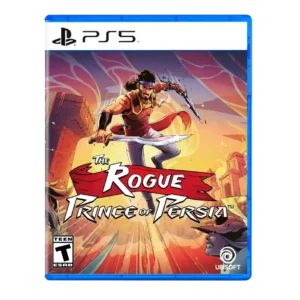
The Rogue Prince of Persia
4.0
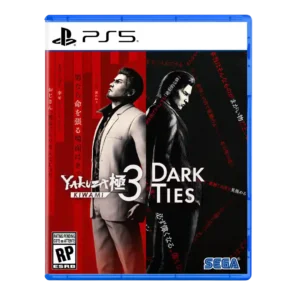
Yakuza Kiwami 3 & Dark Ties
3.6
crash stability
The Rogue Prince of Persia
5.0
Crash stability had one strong positive technical report noting a sound package with no crash concerns.
Yakuza Kiwami 3 & Dark Ties
2.8
Stability is platform-dependent: some playthroughs were crash-free, while one PC account reported repeated crashes later in the game.
grind level
The Rogue Prince of Persia
4.4
Grind level was praised as learning-focused and consistently rewarding rather than grindy.
Yakuza Kiwami 3 & Dark Ties
2.3
Grinding is one of the most repeated drawbacks, especially when mandatory side-mode ranks, fetch tasks, or repeated battles interrupt story progress.
visual effects quality
The Rogue Prince of Persia
2.0
Visual effects had one negative note where an effect obscured enemies and hurt readability.
Yakuza Kiwami 3 & Dark Ties
4.0
Modern particle effects and flashy combat flourishes give fights more spectacle, even when the broader visual overhaul remains inconsistent.
animation quality
The Rogue Prince of Persia
4.7
Animation quality was a strong visual highlight, repeatedly described as smooth, buttery, and momentum-selling.
Yakuza Kiwami 3 & Dark Ties
2.9
Animation quality is uneven: combat and many cutscenes look smooth, but stiff or reused-looking character motions remain noticeable in places.
dialogue quality
The Rogue Prince of Persia
2.1
Dialogue quality was weak overall because reviewers repeatedly cited repetition, unvoiced exchanges, and low charm.
Yakuza Kiwami 3 & Dark Ties
3.8
Dialogue can deliver strong character moments and humor, yet long exposition-heavy conversations occasionally test patience.
tutorial quality
The Rogue Prince of Persia
4.7
Tutorial quality was praised for functioning as a clear training ground before the game opens up.
Yakuza Kiwami 3 & Dark Ties
3.0
The opening teaches a lot of systems, but at least one reviewer found the early tutorialization excessive and disruptive to the game’s initial pace.
map and navigation design
The Rogue Prince of Persia
4.4
Map and navigation design was a consistent strength, especially the Mind Map, world map, and objective tracking.
Yakuza Kiwami 3 & Dark Ties
2.8
Navigation is functional but not universally praised; compact maps and quick travel help, while trimmed areas and some layout changes disappoint returning players.
character customization
The Rogue Prince of Persia
4.6
Character customization was praised where reviewers highlighted numerous skins, costumes, and distinct outfit changes.
Yakuza Kiwami 3 & Dark Ties
3.0
Customization is a playful extra, especially Kiryu’s phone, gang presentation, and wardrobe unlocks, though Dark Ties offers noticeably less flexibility.
voice acting
The Rogue Prince of Persia
2.2
Voice acting was a limitation in early-access impressions and story critiques, with unvoiced dialogue making characters feel flatter.
Yakuza Kiwami 3 & Dark Ties
3.7
Voice acting is highly uneven by language and character: several performances are praised, while Kiryu’s English delivery and certain recast roles draw substantial criticism.
bug frequency
The Rogue Prince of Persia
2.0
Bug frequency hurt early-access impressions, especially around forge/unlock glitches.
Yakuza Kiwami 3 & Dark Ties
3.5
Technical bugs appear limited overall, with several smooth playthroughs, though isolated glitches and NPC oddities were still reported.
pacing
The Rogue Prince of Persia
4.5
Pacing was considered well balanced, with short, pick-up-and-play runs that still leave room to learn.
Yakuza Kiwami 3 & Dark Ties
3.0
Pacing is one of the package’s most contested traits: optional orphanage content helps, yet mandatory Baddies and Dark Ties tasks can stall urgent story beats.
character development
The Rogue Prince of Persia
2.0
Character development was scored negatively where characters were described as broad, predictable archetypes.
Yakuza Kiwami 3 & Dark Ties
3.4
Dark Ties adds meaningful context to Mine and several relationships, but some reviewers felt the extra backstory still leaves his characterization underdeveloped.
innovation
The Rogue Prince of Persia
2.2
Innovation was low in one review that criticized the game for not matching or exceeding stronger roguelikes.
Yakuza Kiwami 3 & Dark Ties
3.6
Playing from Mine’s villainous perspective and expanding large-scale combat feel fresh, but much of the package still repurposes familiar Yakuza systems.
save system reliability
The Rogue Prince of Persia
4.4
Save reliability was positive where local saves and permanent blueprint saving were noted as dependable.
Yakuza Kiwami 3 & Dark Ties
3.0
Autosaves were credited with preventing most lost progress during a crash-prone playthrough, making the save system a useful safety net.
faithfulness to franchise
The Rogue Prince of Persia
4.6
Faithfulness to the franchise was strong, with reviewers saying the parkour-first design respected Prince of Persia identity.
Yakuza Kiwami 3 & Dark Ties
3.3
The remake keeps much of Yakuza 3 intact but makes contentious changes to canon, character presentation, and removed content that divide longtime fans.
fast travel convenience
The Rogue Prince of Persia
4.7
Fast travel was highly praised for making backtracking painless, instant, or strategically useful.
Yakuza Kiwami 3 & Dark Ties
3.4
Cars, taxis, and especially the Street Surfer make moving through the compact cities quicker and reduce downtime between activities.
writing quality
The Rogue Prince of Persia
2.9
Writing quality was mixed-to-weak, with praise for some concise story touches but frequent criticism of thin or underwritten material.
Yakuza Kiwami 3 & Dark Ties
4.2
Writing is strongest in intimate character moments and parts of Dark Ties, but some new plot decisions and exposition-heavy scenes weaken an otherwise engaging script.
quest design
The Rogue Prince of Persia
4.7
Quest design received strong praise for weaving roguelite runs, optional quests, plot pieces, and characters together.
Yakuza Kiwami 3 & Dark Ties
3.5
Substories remain a major source of humor and character, but the reduced count and uneven replacement quests make their overall quality more inconsistent than expected.
atmosphere
The Rogue Prince of Persia
4.4
Atmosphere was praised for strong tone-setting and a magical, dangerous Persian world.
Yakuza Kiwami 3 & Dark Ties
3.3
Okinawa’s sunny change of scenery gives the game a distinctive mood, but some remake additions and visual choices weaken the atmosphere for purists.
core gameplay loop
The Rogue Prince of Persia
4.5
The core loop was widely praised as addictive, slick, and rewarding, with a few caveats around repetition or shorter staying power.
Yakuza Kiwami 3 & Dark Ties
3.4
The familiar Yakuza brawler-and-side-content formula still works for many players, but franchise fatigue and repeated systems make the loop feel stale to others.
frame rate stability
The Rogue Prince of Persia
4.9
Frame rate stability was strongly praised across several Switch 2 and technical impressions.
Yakuza Kiwami 3 & Dark Ties
3.8
Frame-rate performance is usually smooth on PS5 and Xbox Series X, while Switch 2 generally holds its target with occasional drops in heavier scenes.
mission variety
The Rogue Prince of Persia
4.1
Mission variety was supported by secondary missions and NPC objectives that pushed different play styles and routes.
Yakuza Kiwami 3 & Dark Ties
3.0
Mission variety is inconsistent: the best side chains mix combat, humor, and investigation, while some modes recycle the same encounters too often.
emotional impact
The Rogue Prince of Persia
2.4
Emotional impact was limited where the lack of consequences reduced urgency and danger.
Yakuza Kiwami 3 & Dark Ties
3.4
Kiryu’s life with the orphans provides many of the package’s warmest moments, while controversial story changes blunt some of the original ending’s emotional force.
side character depth
The Rogue Prince of Persia
2.4
Side character depth was mixed-to-negative: one review liked distinct personalities, but several called the cast shallow or generic.
Yakuza Kiwami 3 & Dark Ties
3.3
Supporting characters often supply the game’s heart, especially the orphans and Okinawan allies, although reactions to Kanda and the redesigned Rikiya are much more divided.
originality
The Rogue Prince of Persia
2.8
Originality was mixed-to-low; reviewers liked the execution but often said it followed genre formulas or lacked novelty.
Yakuza Kiwami 3 & Dark Ties
3.6
Fresh combat ideas and Mine’s perspective add novelty, but repeated minigames and familiar structural beats leave some reviewers feeling the series formula is wearing thin.
graphics quality
The Rogue Prince of Persia
4.5
Graphics were usually praised as crisp, gorgeous, or sublime, especially after visual updates and on Switch 2.
Yakuza Kiwami 3 & Dark Ties
3.7
The visual overhaul is divisive: environments can look vibrant and attractive, but dated textures, harsh lighting, and uneven character rendering keep it from feeling fully current.
exploration quality
The Rogue Prince of Persia
4.1
Exploration was usually rewarding thanks to hidden paths, nonlinearity, and satisfying traversal, though one review found it merely okay.
Yakuza Kiwami 3 & Dark Ties
3.3
Exploration benefits from dense optional activities and rewarding discoveries, although a few versions or previews feel more constrained than the best series entries.
narrative quality
The Rogue Prince of Persia
3.0
Narrative quality was the clearest weak spot: some liked the setup and Mind Map integration, but many found the story thin, light, or underdeveloped.
Yakuza Kiwami 3 & Dark Ties
3.8
The core Yakuza 3 drama remains compelling for many reviewers, but altered late-game events, Dark Ties choices, and uneven additions make the overall narrative divisive.
progression system
The Rogue Prince of Persia
4.0
Progression was generally rewarding and steady, though some reviews criticized shallow or limited long-term upgrade depth.
Yakuza Kiwami 3 & Dark Ties
3.3
Progression can be satisfying and generous, especially in side modes, though abundant Training Points and forced rank requirements sometimes make growth feel poorly balanced.
level design
The Rogue Prince of Persia
3.9
Level design was often praised for branching paths, biomes, and movement support, though procedural layouts sometimes became familiar or disrupted flow.
Yakuza Kiwami 3 & Dark Ties
3.2
Arena and dungeon layouts vary in quality: Survival Hell can be compelling, while repeated warehouses and recycled battle spaces make other modes feel monotonous.
handheld play suitability
The Rogue Prince of Persia
4.6
Handheld suitability was praised on ROG Ally and Switch 2 thanks to crisp visuals and run-based structure.
Yakuza Kiwami 3 & Dark Ties
3.9
Switch 2 is widely considered a strong portable way to play, with stable performance and only modest visual softness or longer loads compared with more powerful systems.
mission design
The Rogue Prince of Persia
4.0
Mission design earned positive mention where objectives and clues gave players more agency during runs.
Yakuza Kiwami 3 & Dark Ties
3.4
Individual tasks range from charming household activities and varied Damage Control jobs to menial fetch work that feels like filler.
world interactivity
The Rogue Prince of Persia
4.4
World interactivity was praised when environmental hazards, parkour spaces, and combat arenas actively shaped encounters.
Yakuza Kiwami 3 & Dark Ties
3.8
The streets feel more interactive through shops, NPC activity, social connections, and small discoveries, making exploration feel busier and more rewarding.
controls responsiveness
The Rogue Prince of Persia
4.1
Controls were mostly described as responsive and intuitive, though a few reviews noted input delay or combat-control rough edges.
Yakuza Kiwami 3 & Dark Ties
4.7
Inputs and style transitions are repeatedly praised as fluid and responsive, especially when chaining Ryukyu weapons, counters, and crowd-control attacks.
environmental detail
The Rogue Prince of Persia
4.2
Environmental detail was praised for readable, distinct, colorful locations and expressive spaces.
Yakuza Kiwami 3 & Dark Ties
3.6
Okinawa and Kamurocho are often praised for lively streets, richer detail, and attractive coastal scenery, even when texture quality is inconsistent up close.
difficulty balance
The Rogue Prince of Persia
3.4
Difficulty was split: approachable and fair for many, but sometimes too easy, undertuned, or constrained by limited options.
Yakuza Kiwami 3 & Dark Ties
2.8
Difficulty is inconsistent: the new tools make combat more accessible, but powerful Ryukyu options and abundant upgrades can reduce challenge more than some reviewers wanted.
art direction
The Rogue Prince of Persia
4.3
Art direction was broadly praised for cel-shaded, colorful, comic-like, or distinctive Persian-inspired presentation, with one outlier calling it flat.
Yakuza Kiwami 3 & Dark Ties
3.8
The brighter, more colorful presentation suits Okinawa for some players, while others feel the palette and lighting dilute the original’s grittier identity.
skill tree depth
The Rogue Prince of Persia
3.5
Skill trees were mixed: some appreciated meaningful progression and freedom, while others found the upgrades incremental or unexciting.
Yakuza Kiwami 3 & Dark Ties
3.0
Skill progression is easy to understand but can feel shallow or too quickly completed, especially in the shorter Dark Ties campaign.
soundtrack quality
The Rogue Prince of Persia
4.5
The soundtrack was one of the strongest points, repeatedly praised as energetic, dynamic, Persian-inflected, and memorable.
Yakuza Kiwami 3 & Dark Ties
4.0
The soundtrack remains a consistent strength, mixing energetic battle music, jazzier pieces, remixes, and nostalgic Sega tracks.
polish
The Rogue Prince of Persia
4.1
Polish was generally high in final-release reviews, though early-access coverage still called the package unfinished or in progress.
Yakuza Kiwami 3 & Dark Ties
3.6
The Dragon Engine brings welcome refinement to combat and presentation, but rough animation, lighting, and content decisions keep the remake from feeling uniformly polished.
world-building
The Rogue Prince of Persia
4.3
World-building earned positive support where optional world and character context enhanced the story.
Yakuza Kiwami 3 & Dark Ties
3.8
Okinawa is repeatedly welcomed as a refreshing setting that contrasts with Kamurocho, though some lighting and remake choices reduce the distinction between the two.
economy and resource balance
The Rogue Prince of Persia
3.4
Resource balance was mixed, with one review praising plentiful unlock resources and another saying spending options run out too quickly.
Yakuza Kiwami 3 & Dark Ties
3.8
Money is generally easy to earn and upgrades stay affordable, which keeps progression moving but can also reduce resource pressure.
onboarding experience
The Rogue Prince of Persia
4.4
Onboarding was viewed positively in update coverage and Switch 2 impressions, especially for preparing players without confusion.
Yakuza Kiwami 3 & Dark Ties
4.0
Recaps and a faster route into exploration help newcomers, although several reviewers still think this is a difficult entry point because of its accumulated series history.
gameplay mechanics
The Rogue Prince of Persia
4.0
General gameplay mechanics were usually seen as confident and fast-paced, though one review called the overall execution merely solid.
Yakuza Kiwami 3 & Dark Ties
3.7
Modernized mechanics improve the feel of both combat and side activities, though Dark Ties and some recycled systems can still seem mechanically limited.
fun factor
The Rogue Prince of Persia
4.4
Fun factor was high overall, with many reviewers calling the game addictive, satisfying, or a blast despite caveats.
Yakuza Kiwami 3 & Dark Ties
4.1
Despite the controversy around the remake, most reviewers still find the package genuinely fun, especially its brawling, orphanage activities, and standout side modes.
replay value
The Rogue Prince of Persia
3.8
Replay value was good when the loop grabbed reviewers, but repetition and shorter content reduced long-term pull for some.
Yakuza Kiwami 3 & Dark Ties
3.5
Completionists have plenty to return to, especially Survival Hell, orphanage progression, gang modes, collectibles, and optional challenges that can extend playtime well beyond the story.
content variety
The Rogue Prince of Persia
3.8
Content variety ranged from strong biome/update praise to concerns about barebones early access, lean side areas, or limited endgame.
Yakuza Kiwami 3 & Dark Ties
3.5
There is a huge spread of minigames, management modes, substories, and diversions, though the abundance can feel recycled or overwhelming rather than consistently fresh.
value for money
The Rogue Prince of Persia
3.8
Value for money was mixed-positive: final-release Switch coverage found the price fair, while early access was harder to recommend.
Yakuza Kiwami 3 & Dark Ties
4.1
Most value-focused comments see substantial content for the price, especially with Dark Ties included, though a few reviewers question whether the remake or its shorter campaign justifies full-price expectations.
sound design
The Rogue Prince of Persia
3.8
Sound design was mostly positive when it supported flow and communicated danger, though one review found audio understated.
Yakuza Kiwami 3 & Dark Ties
4.0
Sound design complements the action and city atmosphere well, with the strongest praise coming from current-console presentation.
lore depth
The Rogue Prince of Persia
3.8
Lore depth received limited positive support from one review tying lore discoveries to Mind Map expansion.
Yakuza Kiwami 3 & Dark Ties
3.6
Dark Ties fills in parts of Mine’s background and Tojo Clan context, but it does not answer every lingering question or fully transform his role in the main story.
movement feel
The Rogue Prince of Persia
4.7
Movement was the strongest consensus highlight, repeatedly praised for fluid wall-running, parkour flow, and satisfying momentum.
Yakuza Kiwami 3 & Dark Ties
4.5
Kiryu’s movement is described as noticeably more fluid than in the older version, helping the faster combat feel more modern.
performance optimization
The Rogue Prince of Persia
3.7
Performance optimization was mixed by platform, with stable Switch 2 reports offset by occasional lag or calls for tuning.
Yakuza Kiwami 3 & Dark Ties
3.9
Performance is a strength on current hardware, with smooth console play and strong Switch 2 results, though isolated technical problems prevent a spotless record.
load times
The Rogue Prince of Persia
3.0
Load times were mixed, with some reviewers reporting solid loads and others calling them slow or momentum-breaking.
Yakuza Kiwami 3 & Dark Ties
3.2
Loading is fast on current consoles and often nearly invisible during ordinary encounters, though Switch 2 can show more noticeable waits between larger scenes.
user interface design
The Rogue Prince of Persia
2.9
User interface design was mixed, with map/UI glitches and requests for clearer map information.
Yakuza Kiwami 3 & Dark Ties
3.0
The interface is praised for fitting Mine’s calculating personality and presenting his systems in a thematically coherent way.
protagonist appeal
The Rogue Prince of Persia
3.9
The Prince himself had modest appeal, with reviewers noting charm and emotional vulnerability despite broader story limits.
Yakuza Kiwami 3 & Dark Ties
4.0
Kiryu’s fatherly side and Mine’s colder perspective both land well for many reviewers, giving the package two distinct protagonists with strong appeal.
boss design
The Rogue Prince of Persia
4.1
Bosses were usually seen as fair, memorable, and movement-driven, though some wanted more bosses or found certain fights too easy or health-heavy.
Yakuza Kiwami 3 & Dark Ties
4.0
Boss encounters benefit from the faster combat and dramatic QTE flourishes, with several reviewers finding the big fights more rewarding than before.
learning curve
The Rogue Prince of Persia
4.2
The learning curve was considered manageable and rewarding, with mastery rather than frustration emphasized.
Yakuza Kiwami 3 & Dark Ties
4.1
The new fighting tools are generally intuitive and easy to grasp once their button combinations click, keeping the expanded combat approachable.
accessibility options
The Rogue Prince of Persia
4.6
Accessibility was positively noted where reviewers mentioned useful or extensive options.
Yakuza Kiwami 3 & Dark Ties
4.5
The accessibility suite is described as comprehensive, with remappable controls, QTE assistance, text sizing, camera options, and color-vision support.
upgrade system
The Rogue Prince of Persia
4.0
The upgrade and medallion systems often added build variety, but some reviewers felt individual upgrades were basic or underwhelming.
Yakuza Kiwami 3 & Dark Ties
4.0
The revised upgrade structure is more streamlined and convenient than before, although simplification reduces some of the depth found in other entries.
combat system
The Rogue Prince of Persia
4.1
Combat drew broad praise for smooth, acrobatic, environment-aware action, but several reviewers found it basic, floaty, or less deep than movement.
Yakuza Kiwami 3 & Dark Ties
4.1
Combat is the clearest upgrade: faster encounters, two versatile Kiryu styles, and Mine’s aggressive moveset make fighting far smoother and more satisfying than Yakuza 3.
AI behavior
The Rogue Prince of PersiaNo score yet
Yakuza Kiwami 3 & Dark Ties
3.8
The remake substantially reduces Yakuza 3’s notorious block-heavy enemy behavior, though a few reviewers still found defensive enemies irritating.
battle mode quality
The Rogue Prince of PersiaNo score yet
Yakuza Kiwami 3 & Dark Ties
2.9
The large side modes are sharply divisive: Baddies battles and Survival Hell can be addictive, yet repetition and mandatory progression often wear out their welcome.
casting choices
The Rogue Prince of PersiaNo score yet
Yakuza Kiwami 3 & Dark Ties
1.4
Recasting is the most consistently criticized non-gameplay decision, with objections focused on the Hamazaki choice and mixed reactions to how redesigned characters fit their original roles.
character roster
The Rogue Prince of PersiaNo score yet
Yakuza Kiwami 3 & Dark Ties
4.2
The ensemble remains a major strength, with Kiryu, Mine, Rikiya, Daigo, and the Okinawan cast frequently singled out as memorable or engaging.
checkpoint system
The Rogue Prince of Persia
4.6
The checkpoint system was praised for autosaving and Wells of Dreams respecting player time.
Yakuza Kiwami 3 & Dark TiesNo score yet
community features
The Rogue Prince of Persia
4.5
Community features earned positive support where community-created skins were framed as a good player-involvement idea.
Yakuza Kiwami 3 & Dark TiesNo score yet
Dark Ties campaign length
The Rogue Prince of PersiaNo score yet
Yakuza Kiwami 3 & Dark Ties
2.8
Dark Ties is intentionally compact, which some reviewers appreciate, but others find its few-hour runtime too slight or artificially padded by required side activities.
driving mechanics
The Rogue Prince of PersiaNo score yet
Yakuza Kiwami 3 & Dark Ties
2.5
Motorcycle-related play adds variety, but the actual riding mechanics were described as somewhat stiff.
endgame content
The Rogue Prince of Persia
2.6
Endgame content was weak in early-access and later critiques that wanted more content or more staying power.
Yakuza Kiwami 3 & Dark TiesNo score yet
enemy variety
The Rogue Prince of Persia
3.9
Enemy variety was often praised for distinct types and readable design, but some reviews found repeated enemies visually or mechanically familiar.
Yakuza Kiwami 3 & Dark TiesNo score yet
facial animations
The Rogue Prince of PersiaNo score yet
Yakuza Kiwami 3 & Dark Ties
3.4
Facial work is mixed: some scenes show improved capture, while other expressions look stiff, subdued, or less expressive than the original.
HUD clarity
The Rogue Prince of Persia
5.0
HUD clarity was strongly praised in one review that singled out visual clarity as excellent.
Yakuza Kiwami 3 & Dark TiesNo score yet
immersion
The Rogue Prince of PersiaNo score yet
Yakuza Kiwami 3 & Dark Ties
3.0
Some new systems deepen the sense of living in Okinawa, while others feel tonally out of place and reduce the immersion of the original story.
loot system
The Rogue Prince of Persia
3.8
Loot and build variety were praised when weapons, tools, and medallions clicked, though several reviewers found synergies inconsistent or padded.
Yakuza Kiwami 3 & Dark TiesNo score yet
menu usability
The Rogue Prince of Persia
4.0
Menu usability received limited positive support from update coverage mentioning UI and menu tweaks.
Yakuza Kiwami 3 & Dark TiesNo score yet
online stability
The Rogue Prince of Persia
2.2
Online stability had one negative Switch 2 note about unnecessary connection prompts.
Yakuza Kiwami 3 & Dark TiesNo score yet
open-world design
The Rogue Prince of PersiaNo score yet
Yakuza Kiwami 3 & Dark Ties
3.5
The compact open-world areas feel dense and rewarding rather than huge, with optional restaurants, minigames, substories, collectibles, and fights packed into each district.
platform-specific feature support
The Rogue Prince of Persia
4.5
Platform-specific feature support was positive in Switch 2 coverage citing 4K output and stable docked/handheld performance.
Yakuza Kiwami 3 & Dark TiesNo score yet
platforming precision
The Rogue Prince of Persia
4.5
Platforming was praised for precision, flow, and expressive parkour, with only occasional complaints about awkward interactions or puzzle repetition.
Yakuza Kiwami 3 & Dark TiesNo score yet
puzzle design
The Rogue Prince of Persia
3.6
Puzzle elements were viewed as useful for variety, but one reviewer felt repeated setups lost impact.
Yakuza Kiwami 3 & Dark TiesNo score yet
QTE design
The Rogue Prince of PersiaNo score yet
Yakuza Kiwami 3 & Dark Ties
4.0
QTEs add cinematic punctuation to stronger boss encounters, but simpler uses can feel shallow rather than mechanically meaningful.
remake/remaster quality
The Rogue Prince of PersiaNo score yet
Yakuza Kiwami 3 & Dark Ties
3.8
As a remake, the package meaningfully modernizes combat and expands side content, but its cut material, recasting, visuals, and canon changes keep it from being a universally accepted definitive edition.
weapon balance
The Rogue Prince of Persia
4.2
Weapon balance and variety were generally positive, with distinct weapons and playstyles, though some early-access reviewers wanted more excitement.
Yakuza Kiwami 3 & Dark TiesNo score yet