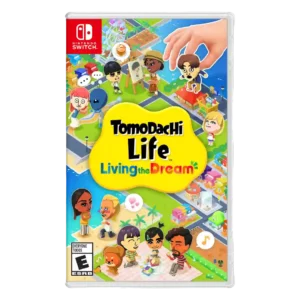
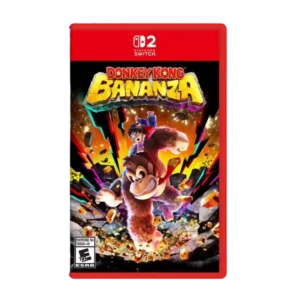
Compare Tomodachi Life: Living the Dream vs Donkey Kong Bananza

P1 Tomodachi Life: Living the Dream
P2 Donkey Kong Bananza

Comparison Takeaways

Tomodachi Life: Living the Dream

Where It Has the Edge

  • immersion is 4.5 vs 2.5. Reviewers who scored immersion felt the island tracks daily life well enough to feel like a living virtual...
  • economy and resource balance is 3.8 vs 2.5. Economy impressions are mildly mixed, with one reviewer saying cash was never a problem and another joking about...
  • grind level is 5.0 vs 4.0. One reviewer specifically praises the relaxed progression for having no grind.
  • learning curve is 4.7 vs 3.8. The game is widely framed as easy to pick up, approachable, and accessible in play style rather than...

Donkey Kong Bananza

Where It Has the Edge

  • facial animations is 5.0 vs 2.5. Facial animations were highlighted for giving DK strong personality and expressiveness.
  • platform-specific feature support is 5.0 vs 2.6. Platform-specific support was praised because the game feels like a Switch 2 showcase and beyond original Switch capability.
  • accessibility options is 4.3 vs 2.0. Accessibility options were positively framed through Assist Mode and guidance that help younger or less experienced players finish...
  • gameplay mechanics is 5.0 vs 3.0. Reviewers repeatedly praised the destructive mechanics and ability-driven play as the main hook, calling the smashing, digging, and...
Average score
Product 1: Tomodachi Life: Living the Dream
4.0
Product 2: Donkey Kong Bananza
4.4
accessibility options
Product 1: Tomodachi Life: Living the Dream
2.0

Only one review directly discusses accessibility options, and it flags the absence of specific settings as a limitation despite general ease of play.

Product 2: Donkey Kong Bananza
4.3

Accessibility options were positively framed through Assist Mode and guidance that help younger or less experienced players finish the story.

age appropriateness
Product 1: Tomodachi Life: Living the Dream
3.0

One review notes the relaxed content filter can push the humor beyond the expected family rating, broadening appeal but complicating age fit.

Product 2: Donkey Kong Bananza
4.5

Age appropriateness was considered strong because one reviewer framed it as a kids game that remains accessible while ramping up later.

AI behavior
Product 1: Tomodachi Life: Living the Dream
3.4

The Miis' semi-autonomous behavior creates enjoyable unpredictability, though reviewers also identify repeated patterns and limited spontaneity over time.

Product 2: Donkey Kong Bananza
No score yet
animation quality
Product 1: Tomodachi Life: Living the Dream
4.5

Reviewers praise smoother transitions and expressive Mii animation, especially how animation supports personality and absurdity.

Product 2: Donkey Kong Bananza
5.0

Animation quality was consistently strong, especially DK's expressiveness, body language, and character reactions.

art direction
Product 1: Tomodachi Life: Living the Dream
4.3

The bright, cartoonish, sometimes photorealistic presentation is generally praised for matching the game's strange and playful tone.

Product 2: Donkey Kong Bananza
4.3

Art direction was praised as fresh, stylized, and charming, though Digital Foundry noted some visual presentation weaknesses.

atmosphere
Product 1: Tomodachi Life: Living the Dream
4.5

Atmosphere is praised where discussed, especially for the bright, silly, offbeat mood created by the presentation and sound.

Product 2: Donkey Kong Bananza
5.0

Atmosphere was praised for odd, colorful, claustrophobic, charming, and joyful underground spaces.

boss design
Product 1: Tomodachi Life: Living the Dream
No score yet
Product 2: Donkey Kong Bananza
3.2

Boss design was divisive: some praised creative boss concepts, while others criticized repetition, ease, and mash-heavy fights.

bug frequency
Product 1: Tomodachi Life: Living the Dream
4.0

One reviewer reported no major technical issues during Switch 2 play.

Product 2: Donkey Kong Bananza
No score yet
camera behavior
Product 1: Tomodachi Life: Living the Dream
No score yet
Product 2: Donkey Kong Bananza
3.3

Camera behavior was a recurring caveat, especially when digging through terrain or moving quickly, though not usually a dealbreaker.

character customization
Product 1: Tomodachi Life: Living the Dream
4.6

Customization is the most consistently praised feature, from upgraded Mii creation and relationship settings to deep custom items and island design.

Product 2: Donkey Kong Bananza
No score yet
character development
Product 1: Tomodachi Life: Living the Dream
4.4

Reviewers often felt Miis became memorable through quirks, relationships, and player input, although one noted that development can be slow.

Product 2: Donkey Kong Bananza
4.9

Character development centered on Pauline's confidence and her bond with DK, which several reviewers found heartwarming and defining.

character roster
Product 1: Tomodachi Life: Living the Dream
4.0

The 70-Mii limit is generally treated as sufficient by reviewers who discussed it, with one saying even 20 felt like enough.

Product 2: Donkey Kong Bananza
3.3

Character roster was mixed: reviewers enjoyed returning or new characters, but some lamented missing iconic Kongs such as Funky.

co-op experience
Product 1: Tomodachi Life: Living the Dream
No score yet
Product 2: Donkey Kong Bananza
4.5

Co-op experience was framed as a light helper-style mode, strongest for a parent and child rather than equal adult play.

combat system
Product 1: Tomodachi Life: Living the Dream
No score yet
Product 2: Donkey Kong Bananza
4.5

Combat was viewed positively when material properties affected enemy encounters and made fights more strategic than simple punching.

community features
Product 1: Tomodachi Life: Living the Dream
2.4

Community-facing features are a major weakness, with reviewers frustrated by blocked sharing, capture limits, and reduced online potential.

Product 2: Donkey Kong Bananza
No score yet
content variety
Product 1: Tomodachi Life: Living the Dream
3.2

Opinions are mixed: many praise surprising events and plentiful unlocks, but repetition, missing activities, and finite scenarios are common concerns.

Product 2: Donkey Kong Bananza
4.9

Content variety was widely praised across worlds, challenges, transformations, collectibles, and activities, though some ideas were seen as underused.

controls responsiveness
Product 1: Tomodachi Life: Living the Dream
4.2

Controls are generally described as intuitive and responsive, especially for basic island management, though one reviewer wanted stronger touchscreen use.

Product 2: Donkey Kong Bananza
4.9

Controls were broadly praised as polished and flowing, with only light caveats when complex terrain and movement options interact.

core gameplay loop
Product 1: Tomodachi Life: Living the Dream
4.0

The loop of checking in, helping Miis, collecting happiness, and unlocking island features is widely seen as relaxed and satisfying, though best in short sessions.

Product 2: Donkey Kong Bananza
4.7

The core loop of breaking terrain, collecting rewards, using Bananza forms, and returning to challenges was strongly positive, though one review warned powers can reduce challenge.

couch co-op quality
Product 1: Tomodachi Life: Living the Dream
No score yet
Product 2: Donkey Kong Bananza
4.2

Couch co-op was seen as best for parent-child or younger-player support rather than a full equal co-op mode.

crafting system
Product 1: Tomodachi Life: Living the Dream
4.0

One reviewer explicitly praises the absence of crafting, framing that omission as a benefit rather than a missing feature.

Product 2: Donkey Kong Bananza
No score yet
dialogue quality
Product 1: Tomodachi Life: Living the Dream
4.5

Dialogue is often called hilarious and well localized, though a few reviewers noticed repeated conversation templates over time.

Product 2: Donkey Kong Bananza
4.8

Dialogue and side chatter were warmly received for making Pauline and DK's bond feel charming and personal.

difficulty balance
Product 1: Tomodachi Life: Living the Dream
No score yet
Product 2: Donkey Kong Bananza
3.9

Difficulty balance was mostly approachable, with stronger late-game or optional challenges, but several reviewers thought the main path and bosses were easy.

DLC value
Product 1: Tomodachi Life: Living the Dream
No score yet
Product 2: Donkey Kong Bananza
3.5

DLC value was mixed: Emerald Rush was considered fun and worth the price by one reviewer, while another cautioned against expecting full new worlds.

economy and resource balance
Product 1: Tomodachi Life: Living the Dream
3.8

Economy impressions are mildly mixed, with one reviewer saying cash was never a problem and another joking about surprisingly high food prices.

Product 2: Donkey Kong Bananza
2.5

Economy balance was criticized because gold and chips became so abundant that they weakened resource pressure.

emotional impact
Product 1: Tomodachi Life: Living the Dream
4.3

Some reviewers grew attached to their islands and Miis, describing the game as smile-inducing, endearing, and easy to return to.

Product 2: Donkey Kong Bananza
4.9

Emotional impact was unexpectedly strong, with multiple reviewers citing the DK-Pauline relationship, heartfelt scenes, or moving moments.

endgame content
Product 1: Tomodachi Life: Living the Dream
4.0

One reviewer says reaching credits does not end the game, treating post-credits play as continued island life rather than a conventional ending.

Product 2: Donkey Kong Bananza
4.7

Endgame content drew strong praise for finales and postgame challenges, though one review found the postgame barebones.

enemy variety
Product 1: Tomodachi Life: Living the Dream
No score yet
Product 2: Donkey Kong Bananza
2.5

Enemy variety was a weak point in one review, which said enemies improve later but never become a strength.

environmental detail
Product 1: Tomodachi Life: Living the Dream
4.5

One review specifically notes that environments are more detailed than before, supporting the upgraded presentation.

Product 2: Donkey Kong Bananza
5.0

Environmental detail supported the destructible world, with reviewers praising detailed feedback and wild creatures.

exploration quality
Product 1: Tomodachi Life: Living the Dream
4.0

One review praises the shift from menu screens to a connected island where events unfold more organically as players move through the space.

Product 2: Donkey Kong Bananza
4.8

Exploration was a major strength, with reviewers enjoying open-ended movement, dense secrets, and constant reasons to poke through each layer.

facial animations
Product 1: Tomodachi Life: Living the Dream
2.5

One reviewer criticizes face paint for sometimes blocking traditional facial expressions, limiting expressiveness.

Product 2: Donkey Kong Bananza
5.0

Facial animations were highlighted for giving DK strong personality and expressiveness.

faithfulness to franchise
Product 1: Tomodachi Life: Living the Dream
3.6

Several reviewers see it as a fitting sequel or upgrade, though others feel missing features and sharing cuts weaken its connection to earlier entries.

Product 2: Donkey Kong Bananza
4.9

Faithfulness to franchise was praised through DK history, nostalgia, fan service, and appeal to both longtime fans and new players.

family friendliness
Product 1: Tomodachi Life: Living the Dream
4.2

Family friendliness is mostly positive because the game is easy to understand and enjoyable for family watching or younger players, despite caveats around content settings.

Product 2: Donkey Kong Bananza
5.0

Family friendliness was praised through all-ages appeal and playing with kids.

fast travel convenience
Product 1: Tomodachi Life: Living the Dream
No score yet
Product 2: Donkey Kong Bananza
4.5

Fast travel was viewed positively because Eelevators helped players revisit missed content conveniently.

frame rate stability
Product 1: Tomodachi Life: Living the Dream
No score yet
Product 2: Donkey Kong Bananza
3.4

Frame rate stability was the most repeated technical caveat, with drops during heavy destruction, maps, bosses, or chaotic scenes.

fun factor
Product 1: Tomodachi Life: Living the Dream
4.5

The strongest agreement is that the game is funny, weird, charming, and often laugh-out-loud enjoyable when its absurd systems click.

Product 2: Donkey Kong Bananza
4.9

Fun factor was overwhelmingly positive across reviews, with many calling it a blast, joyful, special, or among the year's best games.

gameplay mechanics
Product 1: Tomodachi Life: Living the Dream
3.0

Reviewers consistently describe the active play as light, simple, and often passive, with minigames and requests adding texture but not deep mechanical substance.

Product 2: Donkey Kong Bananza
5.0

Reviewers repeatedly praised the destructive mechanics and ability-driven play as the main hook, calling the smashing, digging, and new gameplay loop highly enjoyable.

graphics quality
Product 1: Tomodachi Life: Living the Dream
4.4

Visuals are consistently described as sharp, colorful, clearer than past entries, and good-looking on Switch 2 hardware.

Product 2: Donkey Kong Bananza
4.8

Graphics were largely praised as colorful and impressive for Switch 2, with minor technical caveats in some visual details.

grind level
Product 1: Tomodachi Life: Living the Dream
5.0

One reviewer specifically praises the relaxed progression for having no grind.

Product 2: Donkey Kong Bananza
4.0

Grind level was framed positively by one reviewer who kept unlocking and collecting instead of wanting to finish.

handheld play suitability
Product 1: Tomodachi Life: Living the Dream
4.5

Handheld play is praised for sharp 1080p output and a portable, short-session structure that fits the game's rhythm.

Product 2: Donkey Kong Bananza
5.0

Handheld suitability was positive, with one reviewer saying the game looks great both handheld and docked.

haptic feedback integration
Product 1: Tomodachi Life: Living the Dream
No score yet
Product 2: Donkey Kong Bananza
5.0

Haptic and force-feedback-style integration was praised for making terrain destruction tactile and satisfying.

HUD clarity
Product 1: Tomodachi Life: Living the Dream
4.0

One review highlights the relationship chart as a helpful on-screen aid for understanding nearby Mii connections.

Product 2: Donkey Kong Bananza
No score yet
immersion
Product 1: Tomodachi Life: Living the Dream
4.5

Reviewers who scored immersion felt the island tracks daily life well enough to feel like a living virtual world.

Product 2: Donkey Kong Bananza
2.5

Immersion was the one area a reviewer explicitly disliked, saying they played through environments rather than feeling immersed.

innovation
Product 1: Tomodachi Life: Living the Dream
4.0

One review frames the sequel as a bold evolution, expanding the series with a more connected world, deeper systems, and player-created content.

Product 2: Donkey Kong Bananza
5.0

Innovation was a major strength, with reviewers emphasizing technical ambition, reinvention, and fresh mechanics.

learning curve
Product 1: Tomodachi Life: Living the Dream
4.7

The game is widely framed as easy to pick up, approachable, and accessible in play style rather than demanding or skill-heavy.

Product 2: Donkey Kong Bananza
3.8

The learning curve was mostly manageable, though some reviewers noted disorientation or clunky single-solution moments before the systems click.

level design
Product 1: Tomodachi Life: Living the Dream
No score yet
Product 2: Donkey Kong Bananza
4.8

Level design was widely admired for dense, layered spaces, fresh ideas, and challenge variety, especially once the game opens up.

load times
Product 1: Tomodachi Life: Living the Dream
4.5

Load times are praised as minimal or nearly absent in the reviews that discuss them.

Product 2: Donkey Kong Bananza
5.0

Load times were praised as very short, supporting quick play and smooth traversal between moments.

loot system
Product 1: Tomodachi Life: Living the Dream
No score yet
Product 2: Donkey Kong Bananza
4.3

The reward and loot loop was a highlight for many, though costume perks and extra currencies were sometimes less compelling.

map and navigation design
Product 1: Tomodachi Life: Living the Dream
4.5

One review praises the ability to use the menu to jump straight to characters instead of searching tediously.

Product 2: Donkey Kong Bananza
4.8

Map and navigation design was praised for objective guidance, clear 3D mapping, and helping players avoid getting lost.

menu usability
Product 1: Tomodachi Life: Living the Dream
4.5

One review specifically praises the lack of bloated menus and the ability to jump directly to characters.

Product 2: Donkey Kong Bananza
No score yet
mission design
Product 1: Tomodachi Life: Living the Dream
No score yet
Product 2: Donkey Kong Bananza
4.5

Mission design was praised where routes to hidden goals encouraged planning rather than simple objective chasing.

mission variety
Product 1: Tomodachi Life: Living the Dream
No score yet
Product 2: Donkey Kong Bananza
4.5

Mission variety was positive where side quests and mini-challenges kept layers active and occasionally demanding.

movement feel
Product 1: Tomodachi Life: Living the Dream
No score yet
Product 2: Donkey Kong Bananza
4.7

Movement was one of the strongest points, with reviewers emphasizing fluid momentum, climbing, rolling, and expressive control, though one found the options initially messy.

multiplayer design
Product 1: Tomodachi Life: Living the Dream
No score yet
Product 2: Donkey Kong Bananza
4.0

Multiplayer design appears intentionally support-oriented, with the available two-player mode fitting parent-child play best.

narrative quality
Product 1: Tomodachi Life: Living the Dream
3.9

The story is mostly emergent and player-authored, producing memorable relationship drama for some while feeling barebones to others.

Product 2: Donkey Kong Bananza
4.0

Narrative quality was more positive than expected for a platformer, especially around DK and Pauline, though one reviewer found the setting unengaging.

onboarding experience
Product 1: Tomodachi Life: Living the Dream
4.0

One review notes that new features begin unlocking quickly enough to keep the early setup from dragging.

Product 2: Donkey Kong Bananza
No score yet
open-world design
Product 1: Tomodachi Life: Living the Dream
3.8

The connected island is viewed as a meaningful upgrade that gives players a visible, customizable world, though building depth is not universally praised.

Product 2: Donkey Kong Bananza
4.5

The open-ended structure was praised for feeling more exploratory than a typical curated 3D platformer.

originality
Product 1: Tomodachi Life: Living the Dream
4.8

Reviewers repeatedly describe the experience as unusually distinctive, hard to compare, and powered by a kind of play few games offer.

Product 2: Donkey Kong Bananza
5.0

Originality was strongly praised, with reviewers calling it unique, special, and full of ideas not seen in other 3D platformers.

pacing
Product 1: Tomodachi Life: Living the Dream
2.9

Pacing is divisive: the relaxed daily rhythm suits short bursts, but longer sessions can become slow, empty, or repetitive.

Product 2: Donkey Kong Bananza
3.5

Pacing was mixed: reviewers liked fast clips and breather layers, but several flagged uneven layers, early sluggishness, or filler.

performance optimization
Product 1: Tomodachi Life: Living the Dream
4.5

Switch and Switch 2 impressions are positive, with reviewers saying the game runs well and feels snappy.

Product 2: Donkey Kong Bananza
3.7

Performance optimization was mixed: some reviewers said it ran well overall, while others noted visible technical or performance issues.

platform-specific feature support
Product 1: Tomodachi Life: Living the Dream
2.6

Hardware-specific support is uneven: handheld visuals are praised, but mouse, touch, capture, and local-only sharing limitations frustrate reviewers.

Product 2: Donkey Kong Bananza
5.0

Platform-specific support was praised because the game feels like a Switch 2 showcase and beyond original Switch capability.

platforming precision
Product 1: Tomodachi Life: Living the Dream
No score yet
Product 2: Donkey Kong Bananza
3.4

Platforming precision drew mixed reactions: some praised focused platforming, while others felt precision was secondary, wonky, or occasionally a chore.

polish
Product 1: Tomodachi Life: Living the Dream
No score yet
Product 2: Donkey Kong Bananza
4.8

Polish was broadly positive, with several reviewers calling the game cohesive, refined, or masterpiece-level despite imperfections.

progression system
Product 1: Tomodachi Life: Living the Dream
3.9

The Wishing Fountain, island ranks, and Mii levels are often rewarding, but some reviewers found later unlocks generic or less motivating.

Product 2: Donkey Kong Bananza
3.8

Progression received mixed-to-positive notes: skill points gave short-term goals, though some reviewers questioned whether the systems were necessary or evenly useful.

protagonist appeal
Product 1: Tomodachi Life: Living the Dream
No score yet
Product 2: Donkey Kong Bananza
4.7

Protagonist appeal was high, with DK described as endearing, expressive, goofy, and personality-rich.

puzzle design
Product 1: Tomodachi Life: Living the Dream
No score yet
Product 2: Donkey Kong Bananza
4.3

Puzzle design was often praised for clever material interactions and challenge rooms, but several reviewers felt some puzzles were too easy, bypassable, or constrained.

quest design
Product 1: Tomodachi Life: Living the Dream
No score yet
Product 2: Donkey Kong Bananza
4.5

Quest design was praised where side quests kept layers busy and consistently rewarded players.

replay value
Product 1: Tomodachi Life: Living the Dream
3.8

Replay potential depends heavily on player creativity; many reviewers saw long-term daily appeal, while others found repetition and content limits setting in.

Product 2: Donkey Kong Bananza
4.9

Replay value was strong, driven by collectibles, post-credits cleanup, hidden areas, and reviewers wanting to keep playing.

sandbox freedom
Product 1: Tomodachi Life: Living the Dream
4.5

Creative freedom is one of the strongest points, with reviewers praising island building, custom objects, relationship nudging, and player-authored absurdity.

Product 2: Donkey Kong Bananza
5.0

Sandbox freedom was strongly praised because the game lets players solve problems, dig, and play around with unusually few limits.

side character depth
Product 1: Tomodachi Life: Living the Dream
No score yet
Product 2: Donkey Kong Bananza
5.0

Side character depth was strong around Pauline and the DK-Pauline duo, even when legacy characters were less emphasized.

skill tree depth
Product 1: Tomodachi Life: Living the Dream
No score yet
Product 2: Donkey Kong Bananza
4.0

Skill tree depth was useful and sometimes surprisingly thoughtful, but at least one reviewer found several Bananza-form upgrades weak.

social features
Product 1: Tomodachi Life: Living the Dream
1.9

The lack of online sharing, QR-style exchange, and broader social tools is one of the most repeated complaints.

Product 2: Donkey Kong Bananza
No score yet
sound design
Product 1: Tomodachi Life: Living the Dream
4.3

Sound design supports the quirky atmosphere through playful audio touches and oddball effects that reinforce the game's tone.

Product 2: Donkey Kong Bananza
5.0

Sound design was a standout, with material-specific impacts, rumble-like feedback, voice, and destruction audio repeatedly praised.

soundtrack quality
Product 1: Tomodachi Life: Living the Dream
4.1

Music is generally described as whimsical, playful, and catchy, though one review found the selection more dialed back than before.

Product 2: Donkey Kong Bananza
4.7

Soundtrack quality was mostly positive, especially Pauline songs and classic arrangements, though a few reviewers found the broader score less memorable.

tutorial quality
Product 1: Tomodachi Life: Living the Dream
3.8

Tutorial impressions are mostly positive for basic play, though one reviewer felt the creation tools could use more guidance after the quick introduction.

Product 2: Donkey Kong Bananza
No score yet
upgrade system
Product 1: Tomodachi Life: Living the Dream
No score yet
Product 2: Donkey Kong Bananza
4.5

Upgrade systems were praised when ability unlocks felt impactful, while costume boosts were seen as more situational.

user interface design
Product 1: Tomodachi Life: Living the Dream
4.6

The interface and building tools are repeatedly praised as clean, intuitive, snappy, and easy to use.

Product 2: Donkey Kong Bananza
5.0

User interface design was praised for the helpful layer checklist that makes collectible tracking easier.

value for money
Product 1: Tomodachi Life: Living the Dream
4.2

Value is positive for players who enjoy short-session chaos and creative building, with reviewers citing money's worth and plenty of value.

Product 2: Donkey Kong Bananza
4.4

Value for money was positive overall but price-sensitive, with some calling it worth the premium and others noting it is not huge like Zelda.

visual effects quality
Product 1: Tomodachi Life: Living the Dream
No score yet
Product 2: Donkey Kong Bananza
4.5

Visual effects were positively noted through crisp lighting and strong color use, despite broader performance caveats.

voice acting
Product 1: Tomodachi Life: Living the Dream
4.3

The robotic text-to-speech voices are repeatedly praised as funny and charming, even when awkward by design.

Product 2: Donkey Kong Bananza
4.8

Voice acting was praised, particularly Pauline's performance and singing, which reviewers found charming and expressive.

world-building
Product 1: Tomodachi Life: Living the Dream
4.3

The island can become a personalized little society, with reviewers highlighting its growth from a blank space into a distinct Mii world.

Product 2: Donkey Kong Bananza
4.6

World-building earned praise for strange underground societies, internal logic, and franchise-aware details.

world interactivity
Product 1: Tomodachi Life: Living the Dream
3.5

Custom items and island objects can feed into Mii behavior and scenarios, but several reviewers note that some interactions remain shallow or limited.

Product 2: Donkey Kong Bananza
5.0

World interactivity was the clearest consensus highlight, with reviewers repeatedly praising the destructible terrain and freedom to reshape spaces.

writing quality
Product 1: Tomodachi Life: Living the Dream
4.7

Localized dialogue, absurd phrasing, and player-seeded language are frequently praised as central to the comedy and personality.

Product 2: Donkey Kong Bananza
5.0

Writing quality was praised for restraint, purpose, and finesse in character handling and overall presentation.