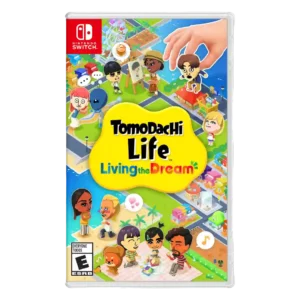
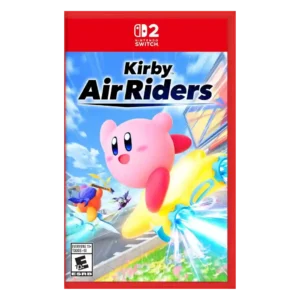
Compare Tomodachi Life: Living the Dream vs Kirby Air Riders

P1 Tomodachi Life: Living the Dream
P2 Kirby Air Riders

Comparison Takeaways

Tomodachi Life: Living the Dream

Where It Has the Edge

  • grind level is 5.0 vs 2.5. One reviewer specifically praises the relaxed progression for having no grind.
  • HUD clarity is 4.0 vs 2.0. One review highlights the relationship chart as a helpful on-screen aid for understanding nearby Mii connections.
  • AI behavior is 3.4 vs 1.5. The Miis' semi-autonomous behavior creates enjoyable unpredictability, though reviewers also identify repeated patterns and limited spontaneity over time.
  • learning curve is 4.7 vs 3.2. The game is widely framed as easy to pick up, approachable, and accessible in play style rather than...

Kirby Air Riders

Where It Has the Edge

  • accessibility options is 5.0 vs 2.0. Accessibility was praised for unusually strong remapping, visual, and option customization for a Nintendo release.
  • social features is 4.7 vs 1.9. The Paddock, marketplace, lobbies, and shared custom creations were praised as fun social layers.
  • community features is 4.7 vs 2.4. The marketplace, shared machine creations, and online sharing tools were praised as unusually fun community layers.
  • platform-specific feature support is 4.8 vs 2.6. Reviewers praised Switch 2-specific strengths including haptics and a next-gen technical presentation.
Average score
Product 1: Tomodachi Life: Living the Dream
4.0
Product 2: Kirby Air Riders
4.3
accessibility options
Product 1: Tomodachi Life: Living the Dream
2.0

Only one review directly discusses accessibility options, and it flags the absence of specific settings as a limitation despite general ease of play.

Product 2: Kirby Air Riders
5.0

Accessibility was praised for unusually strong remapping, visual, and option customization for a Nintendo release.

age appropriateness
Product 1: Tomodachi Life: Living the Dream
3.0

One review notes the relaxed content filter can push the humor beyond the expected family rating, broadening appeal but complicating age fit.

Product 2: Kirby Air Riders
4.0

One review framed the game as suitable for younger players while still arguing it was not only for them.

AI behavior
Product 1: Tomodachi Life: Living the Dream
3.4

The Miis' semi-autonomous behavior creates enjoyable unpredictability, though reviewers also identify repeated patterns and limited spontaneity over time.

Product 2: Kirby Air Riders
1.5

One reviewer strongly criticized CPU behavior as too random for difficulty settings to matter.

animation quality
Product 1: Tomodachi Life: Living the Dream
4.5

Reviewers praise smoother transitions and expressive Mii animation, especially how animation supports personality and absurdity.

Product 2: Kirby Air Riders
4.5

One reviewer praised the Road Trip cutscenes as beautifully animated.

art direction
Product 1: Tomodachi Life: Living the Dream
4.3

The bright, cartoonish, sometimes photorealistic presentation is generally praised for matching the game's strange and playful tone.

Product 2: Kirby Air Riders
5.0

Art direction received high praise for colorful, dynamic environments and a striking Switch 2 look.

atmosphere
Product 1: Tomodachi Life: Living the Dream
4.5

Atmosphere is praised where discussed, especially for the bright, silly, offbeat mood created by the presentation and sound.

Product 2: Kirby Air Riders
5.0

Atmosphere was praised for nostalgic whimsy and a wild, weird, addictive tone.

battle mode quality
Product 1: Tomodachi Life: Living the Dream
No score yet
Product 2: Kirby Air Riders
4.2

City Trial was often called the highlight and a strong party mode, but reviewers also noted imbalance, chaos, or unrewarding solo play.

boss design
Product 1: Tomodachi Life: Living the Dream
No score yet
Product 2: Kirby Air Riders
2.0

Boss-related evidence was limited, but one negative review disliked late-game boss fights that demanded precision the controls did not support well.

bug frequency
Product 1: Tomodachi Life: Living the Dream
4.0

One reviewer reported no major technical issues during Switch 2 play.

Product 2: Kirby Air Riders
No score yet
camera behavior
Product 1: Tomodachi Life: Living the Dream
No score yet
Product 2: Kirby Air Riders
4.5

Camera feedback was positive where Top Ride improved legibility and the racing camera pulled players into high-speed action.

character customization
Product 1: Tomodachi Life: Living the Dream
4.6

Customization is the most consistently praised feature, from upgraded Mii creation and relationship settings to deep custom items and island design.

Product 2: Kirby Air Riders
4.6

Machine and rider customization were widely praised as deep and generous, though one reviewer said designs blur during actual races.

character development
Product 1: Tomodachi Life: Living the Dream
4.4

Reviewers often felt Miis became memorable through quirks, relationships, and player input, although one noted that development can be slow.

Product 2: Kirby Air Riders
No score yet
character roster
Product 1: Tomodachi Life: Living the Dream
4.0

The 70-Mii limit is generally treated as sufficient by reviewers who discussed it, with one saying even 20 felt like enough.

Product 2: Kirby Air Riders
4.7

The roster was praised as broad, Kirby-rich, and filled with distinct riders.

combat system
Product 1: Tomodachi Life: Living the Dream
No score yet
Product 2: Kirby Air Riders
3.2

Combat was praised when folded into chaotic group play, but precise one-on-one targeting exposed the limits of the control scheme.

community features
Product 1: Tomodachi Life: Living the Dream
2.4

Community-facing features are a major weakness, with reviewers frustrated by blocked sharing, capture limits, and reduced online potential.

Product 2: Kirby Air Riders
4.7

The marketplace, shared machine creations, and online sharing tools were praised as unusually fun community layers.

competitive balance
Product 1: Tomodachi Life: Living the Dream
No score yet
Product 2: Kirby Air Riders
3.4

Balance was mixed: vehicle diversity and rebalancing were praised, but legendary machines, party chaos, and Stadium outcomes limited competitive fairness.

content variety
Product 1: Tomodachi Life: Living the Dream
3.2

Opinions are mixed: many praise surprising events and plentiful unlocks, but repetition, missing activities, and finite scenarios are common concerns.

Product 2: Kirby Air Riders
4.6

Reviewers repeatedly emphasized the breadth of modes, rulesets, challenges, unlocks, and formats, even when some disliked particular modes.

controls responsiveness
Product 1: Tomodachi Life: Living the Dream
4.2

Controls are generally described as intuitive and responsive, especially for basic island management, though one reviewer wanted stronger touchscreen use.

Product 2: Kirby Air Riders
3.5

Controls were divisive: several reviewers praised their tight, deceptively complex feel, while others found the single-button layout slippery, unintuitive, or imprecise.

core gameplay loop
Product 1: Tomodachi Life: Living the Dream
4.0

The loop of checking in, helping Miis, collecting happiness, and unlocking island features is widely seen as relaxed and satisfying, though best in short sessions.

Product 2: Kirby Air Riders
2.5

Opinions split: some found the overall loop a loose or candy-like collection of quick thrills, while negative reviews called races short or thin once the novelty faded.

couch co-op quality
Product 1: Tomodachi Life: Living the Dream
No score yet
Product 2: Kirby Air Riders
4.5

One reviewer expected the game to work especially well as a couch game with friends or family.

crafting system
Product 1: Tomodachi Life: Living the Dream
4.0

One reviewer explicitly praises the absence of crafting, framing that omission as a benefit rather than a missing feature.

Product 2: Kirby Air Riders
No score yet
dialogue quality
Product 1: Tomodachi Life: Living the Dream
4.5

Dialogue is often called hilarious and well localized, though a few reviewers noticed repeated conversation templates over time.

Product 2: Kirby Air Riders
No score yet
difficulty balance
Product 1: Tomodachi Life: Living the Dream
No score yet
Product 2: Kirby Air Riders
3.5

Difficulty drew mixed comments, from generous solo challenge to complaints that some penalties or modes felt unfair or too easy.

driving mechanics
Product 1: Tomodachi Life: Living the Dream
No score yet
Product 2: Kirby Air Riders
4.4

Most reviewers praised the boost/brake rhythm, machine mastery, and unusual racing feel, despite one early review criticizing physics as poorly tuned.

economy and resource balance
Product 1: Tomodachi Life: Living the Dream
3.8

Economy impressions are mildly mixed, with one reviewer saying cash was never a problem and another joking about surprisingly high food prices.

Product 2: Kirby Air Riders
No score yet
emotional impact
Product 1: Tomodachi Life: Living the Dream
4.3

Some reviewers grew attached to their islands and Miis, describing the game as smile-inducing, endearing, and easy to return to.

Product 2: Kirby Air Riders
5.0

One review strongly tied the game to childhood nostalgia and joy.

endgame content
Product 1: Tomodachi Life: Living the Dream
4.0

One reviewer says reaching credits does not end the game, treating post-credits play as continued island life rather than a conventional ending.

Product 2: Kirby Air Riders
5.0

The checklist and achievement chase supported strong endgame evidence, with one reviewer still having many unlocks after 25 hours.

environmental detail
Product 1: Tomodachi Life: Living the Dream
4.5

One review specifically notes that environments are more detailed than before, supporting the upgraded presentation.

Product 2: Kirby Air Riders
5.0

One technical review highlighted richly detailed tracks with extensive animation and moving parts.

exploration quality
Product 1: Tomodachi Life: Living the Dream
4.0

One review praises the shift from menu screens to a connected island where events unfold more organically as players move through the space.

Product 2: Kirby Air Riders
5.0

City Trial exploration was praised for rewarding discovery, map knowledge, and new strategies.

facial animations
Product 1: Tomodachi Life: Living the Dream
2.5

One reviewer criticizes face paint for sometimes blocking traditional facial expressions, limiting expressiveness.

Product 2: Kirby Air Riders
No score yet
faithfulness to franchise
Product 1: Tomodachi Life: Living the Dream
3.6

Several reviewers see it as a fitting sequel or upgrade, though others feel missing features and sharing cuts weaken its connection to earlier entries.

Product 2: Kirby Air Riders
4.7

Reviewers praised the sequel for honoring Air Ride and Kirby history while expanding the concept.

family friendliness
Product 1: Tomodachi Life: Living the Dream
4.2

Family friendliness is mostly positive because the game is easy to understand and enjoyable for family watching or younger players, despite caveats around content settings.

Product 2: Kirby Air Riders
4.3

Reviewers saw party and family appeal, including play at gatherings and interest from kids.

flying mechanics
Product 1: Tomodachi Life: Living the Dream
No score yet
Product 2: Kirby Air Riders
5.0

Sky and gliding identity received positive evidence where the game was described as feeling fantastic back in the air.

frame rate stability
Product 1: Tomodachi Life: Living the Dream
No score yet
Product 2: Kirby Air Riders
4.6

Frame rate was a major strength across reviews, with several calling it smooth or flawless and only occasional hiccups noted.

fun factor
Product 1: Tomodachi Life: Living the Dream
4.5

The strongest agreement is that the game is funny, weird, charming, and often laugh-out-loud enjoyable when its absurd systems click.

Product 2: Kirby Air Riders
4.6

Most reviewers found the game highly fun, chaotic, or addictive, while even some mixed reviews acknowledged enjoyable bursts.

gameplay mechanics
Product 1: Tomodachi Life: Living the Dream
3.0

Reviewers consistently describe the active play as light, simple, and often passive, with minigames and requests adding texture but not deep mechanical substance.

Product 2: Kirby Air Riders
4.3

Reviewers generally found the one-button foundation deeper than it first appears, with skill coming from timing, momentum, machine choice, and subtle race techniques.

graphics quality
Product 1: Tomodachi Life: Living the Dream
4.4

Visuals are consistently described as sharp, colorful, clearer than past entries, and good-looking on Switch 2 hardware.

Product 2: Kirby Air Riders
4.9

Visuals were consistently praised as gorgeous, vibrant, sharp, and among the game's strongest traits.

grind level
Product 1: Tomodachi Life: Living the Dream
5.0

One reviewer specifically praises the relaxed progression for having no grind.

Product 2: Kirby Air Riders
2.5

One reviewer found Road Trip rewards spread across too much work for too little payoff.

handheld play suitability
Product 1: Tomodachi Life: Living the Dream
4.5

Handheld play is praised for sharp 1080p output and a portable, short-session structure that fits the game's rhythm.

Product 2: Kirby Air Riders
4.5

One reviewer enjoyed relaxed handheld play for completing goals and challenges.

haptic feedback integration
Product 1: Tomodachi Life: Living the Dream
No score yet
Product 2: Kirby Air Riders
4.5

One review said Switch 2 haptics helped communicate machine differences.

HUD clarity
Product 1: Tomodachi Life: Living the Dream
4.0

One review highlights the relationship chart as a helpful on-screen aid for understanding nearby Mii connections.

Product 2: Kirby Air Riders
2.0

Visual readability drew criticism when chaos, spectacle, and cramped action made information hard to parse.

immersion
Product 1: Tomodachi Life: Living the Dream
4.5

Reviewers who scored immersion felt the island tracks daily life well enough to feel like a living virtual world.

Product 2: Kirby Air Riders
4.5

The high-speed rhythm could be absorbing, with one reviewer feeling locked into the action once the mechanics clicked.

innovation
Product 1: Tomodachi Life: Living the Dream
4.0

One review frames the sequel as a bold evolution, expanding the series with a more connected world, deeper systems, and player-created content.

Product 2: Kirby Air Riders
5.0

Innovation was supported by reviewers who saw the sequel as a significant leap and a genuinely unusual racing alternative.

learning curve
Product 1: Tomodachi Life: Living the Dream
4.7

The game is widely framed as easy to pick up, approachable, and accessible in play style rather than demanding or skill-heavy.

Product 2: Kirby Air Riders
3.2

Most reviewers noted a real learning curve: easy basics and useful lessons, but an initially overwhelming or unintuitive transition for newcomers.

level design
Product 1: Tomodachi Life: Living the Dream
No score yet
Product 2: Kirby Air Riders
4.5

Track design was usually praised for style, branching, and spectacle, with only a few complaints about cramped layouts or visual overload.

live-service support
Product 1: Tomodachi Life: Living the Dream
No score yet
Product 2: Kirby Air Riders
4.0

One review saw upcoming ranked events as a promising sign of longer-term updates and community moments.

load times
Product 1: Tomodachi Life: Living the Dream
4.5

Load times are praised as minimal or nearly absent in the reviews that discuss them.

Product 2: Kirby Air Riders
4.3

Load times were described as fast overall, though one technical review noted the physical version could be slightly slower.

lore depth
Product 1: Tomodachi Life: Living the Dream
No score yet
Product 2: Kirby Air Riders
4.5

Road Trip's lore was praised as worth experiencing, especially around how Air Riding came to exist.

map and navigation design
Product 1: Tomodachi Life: Living the Dream
4.5

One review praises the ability to use the menu to jump straight to characters instead of searching tediously.

Product 2: Kirby Air Riders
4.2

City Trial's map was praised for rewarding learning and shifting play, though one reviewer called the city bland after repeats.

matchmaking quality
Product 1: Tomodachi Life: Living the Dream
No score yet
Product 2: Kirby Air Riders
2.0

One review criticized online waits, saying matchmaking took longer than the races.

menu usability
Product 1: Tomodachi Life: Living the Dream
4.5

One review specifically praises the lack of bloated menus and the ability to jump directly to characters.

Product 2: Kirby Air Riders
4.5

One review singled out the menus as sleek within a polished reward-heavy presentation.

microtransaction impact
Product 1: Tomodachi Life: Living the Dream
No score yet
Product 2: Kirby Air Riders
5.0

Reviewers highlighted customization spending as in-game rather than real-money microtransactions, framing it as a positive.

mission design
Product 1: Tomodachi Life: Living the Dream
No score yet
Product 2: Kirby Air Riders
4.1

Road Trip and challenge design were often praised for fast, varied encounters, but dissenting reviews found Road Trip dull, repetitive, or chore-like.

mission variety
Product 1: Tomodachi Life: Living the Dream
No score yet
Product 2: Kirby Air Riders
4.5

Reviewers praised the mix of conventional races, Stadium games, and Road Trip-style micro-challenges.

monetization fairness
Product 1: Tomodachi Life: Living the Dream
No score yet
Product 2: Kirby Air Riders
5.0

Reviewers appreciated customization being funded with in-game currency rather than real-money microtransactions.

movement feel
Product 1: Tomodachi Life: Living the Dream
No score yet
Product 2: Kirby Air Riders
4.3

The automatic, high-speed movement impressed many reviewers once understood, though one reviewer felt events could happen faster than intent could catch up.

multiplayer design
Product 1: Tomodachi Life: Living the Dream
No score yet
Product 2: Kirby Air Riders
4.3

Multiplayer was usually praised as the game's happy place, especially with groups, though Stadium splitting and missing Grand Prix-style structure drew complaints.

narrative quality
Product 1: Tomodachi Life: Living the Dream
3.9

The story is mostly emergent and player-authored, producing memorable relationship drama for some while feeling barebones to others.

Product 2: Kirby Air Riders
4.4

Road Trip's story and cutscenes were usually seen as surprisingly polished or charming, though a few found the story slight or secondary.

onboarding experience
Product 1: Tomodachi Life: Living the Dream
4.0

One review notes that new features begin unlocking quickly enough to keep the early setup from dragging.

Product 2: Kirby Air Riders
4.0

Onboarding was seen as helpful and robust overall, though some reviewers still warned that new players need time to adjust.

online stability
Product 1: Tomodachi Life: Living the Dream
No score yet
Product 2: Kirby Air Riders
4.2

Online play was mostly reported as smooth or pleasant, with some caveats about pre-release conditions and mode population.

open-world design
Product 1: Tomodachi Life: Living the Dream
3.8

The connected island is viewed as a meaningful upgrade that gives players a visible, customizable world, though building depth is not universally praised.

Product 2: Kirby Air Riders
5.0

City Trial's open city design was praised for rewarding map knowledge and making repeated exploration worthwhile.

originality
Product 1: Tomodachi Life: Living the Dream
4.8

Reviewers repeatedly describe the experience as unusually distinctive, hard to compare, and powered by a kind of play few games offer.

Product 2: Kirby Air Riders
4.7

Reviewers strongly emphasized the game's unusual identity as a strange, unique alternative to standard kart racers.

pacing
Product 1: Tomodachi Life: Living the Dream
2.9

Pacing is divisive: the relaxed daily rhythm suits short bursts, but longer sessions can become slow, empty, or repetitive.

Product 2: Kirby Air Riders
3.8

Road Trip's forward momentum helped the package feel brisk, though one review thought the separate modes lacked cohesion.

performance optimization
Product 1: Tomodachi Life: Living the Dream
4.5

Switch and Switch 2 impressions are positive, with reviewers saying the game runs well and feels snappy.

Product 2: Kirby Air Riders
4.2

Performance was generally strong, with mostly smooth 60 fps play, though one technical review noted City Trial frame drops.

platform-specific feature support
Product 1: Tomodachi Life: Living the Dream
2.6

Hardware-specific support is uneven: handheld visuals are praised, but mouse, touch, capture, and local-only sharing limitations frustrate reviewers.

Product 2: Kirby Air Riders
4.8

Reviewers praised Switch 2-specific strengths including haptics and a next-gen technical presentation.

polish
Product 1: Tomodachi Life: Living the Dream
No score yet
Product 2: Kirby Air Riders
4.8

Reviewers repeatedly described the game as well-made, lovingly crafted, highly polished, and full of careful detail.

progression system
Product 1: Tomodachi Life: Living the Dream
3.9

The Wishing Fountain, island ranks, and Mii levels are often rewarding, but some reviewers found later unlocks generic or less motivating.

Product 2: Kirby Air Riders
4.7

Reviewers strongly praised the checklist, achievements, unlocks, and constant rewards, though one negative review felt too many rewards were cosmetic.

protagonist appeal
Product 1: Tomodachi Life: Living the Dream
No score yet
Product 2: Kirby Air Riders
4.5

Kirby himself remained appealing, with one reviewer describing the character as a source of joy.

replay value
Product 1: Tomodachi Life: Living the Dream
3.8

Replay potential depends heavily on player creativity; many reviewers saw long-term daily appeal, while others found repetition and content limits setting in.

Product 2: Kirby Air Riders
4.0

Replay value was often strong thanks to Road Trip routes, checklists, unlocks, and multiplayer, though some reviewers expected repetition or burnout.

sandbox freedom
Product 1: Tomodachi Life: Living the Dream
4.5

Creative freedom is one of the strongest points, with reviewers praising island building, custom objects, relationship nudging, and player-authored absurdity.

Product 2: Kirby Air Riders
4.5

City Trial's roaming, upgrade-collecting structure was treated positively as a freer sandbox-style layer.

seasonal content quality
Product 1: Tomodachi Life: Living the Dream
No score yet
Product 2: Kirby Air Riders
4.0

One reviewer liked rotating events because they created reasons to step away from ranked City Trial and experiment.

server reliability
Product 1: Tomodachi Life: Living the Dream
No score yet
Product 2: Kirby Air Riders
5.0

Connection reliability was praised in the reviewed sessions, especially where reviewers reported no input lag or connection issues.

social features
Product 1: Tomodachi Life: Living the Dream
1.9

The lack of online sharing, QR-style exchange, and broader social tools is one of the most repeated complaints.

Product 2: Kirby Air Riders
4.7

The Paddock, marketplace, lobbies, and shared custom creations were praised as fun social layers.

sound design
Product 1: Tomodachi Life: Living the Dream
4.3

Sound design supports the quirky atmosphere through playful audio touches and oddball effects that reinforce the game's tone.

Product 2: Kirby Air Riders
4.5

Sound effects and audio presentation drew positive comments, including one review calling the whole presentation beautiful.

soundtrack quality
Product 1: Tomodachi Life: Living the Dream
4.1

Music is generally described as whimsical, playful, and catchy, though one review found the selection more dialed back than before.

Product 2: Kirby Air Riders
4.8

The soundtrack was widely praised as catchy, energetic, or excellent, often listed among the package's highlights.

split-screen quality
Product 1: Tomodachi Life: Living the Dream
No score yet
Product 2: Kirby Air Riders
3.0

Split-screen performance was praised by one reviewer, but others criticized hidden rider and machine stats in local play.

tutorial quality
Product 1: Tomodachi Life: Living the Dream
3.8

Tutorial impressions are mostly positive for basic play, though one reviewer felt the creation tools could use more guidance after the quick introduction.

Product 2: Kirby Air Riders
4.3

Tutorials and training were praised for explaining the unusual control system and easing players into the mechanics.

upgrade system
Product 1: Tomodachi Life: Living the Dream
No score yet
Product 2: Kirby Air Riders
4.0

Road Trip's upgrade choices added strategic balancing, asking players to build a well-rounded machine rather than chase one stat blindly.

user interface design
Product 1: Tomodachi Life: Living the Dream
4.6

The interface and building tools are repeatedly praised as clean, intuitive, snappy, and easy to use.

Product 2: Kirby Air Riders
5.0

One reviewer praised the presentation, menus, UI, unlocks, sound, and graphics as beautiful.

value for money
Product 1: Tomodachi Life: Living the Dream
4.2

Value is positive for players who enjoy short-session chaos and creative building, with reviewers citing money's worth and plenty of value.

Product 2: Kirby Air Riders
3.6

Value opinions were mixed: some felt the package justified its price or beat rivals, while others thought the $70 price was too high.

vehicle roster
Product 1: Tomodachi Life: Living the Dream
No score yet
Product 2: Kirby Air Riders
4.3

Vehicle variety was mostly praised for unique handling and meaningful differences, though one review said some machines were unsuitable for racing.

visual effects quality
Product 1: Tomodachi Life: Living the Dream
No score yet
Product 2: Kirby Air Riders
5.0

Reviewers praised the race sequences, effects, and spectacle as visually impressive and highly detailed.

voice acting
Product 1: Tomodachi Life: Living the Dream
4.3

The robotic text-to-speech voices are repeatedly praised as funny and charming, even when awkward by design.

Product 2: Kirby Air Riders
4.0

One reviewer was pleasantly surprised that Kirby Air Riders includes voice acting alongside strong Road Trip presentation.

world-building
Product 1: Tomodachi Life: Living the Dream
4.3

The island can become a personalized little society, with reviewers highlighting its growth from a blank space into a distinct Mii world.

Product 2: Kirby Air Riders
4.5

World-building was praised through Road Trip's cosmic tale spanning the Kirby universe.

world interactivity
Product 1: Tomodachi Life: Living the Dream
3.5

Custom items and island objects can feed into Mii behavior and scenarios, but several reviewers note that some interactions remain shallow or limited.

Product 2: Kirby Air Riders
5.0

One reviewer praised the City Trial map for shifting between runs and supporting surprising discoveries.

writing quality
Product 1: Tomodachi Life: Living the Dream
4.7

Localized dialogue, absurd phrasing, and player-seeded language are frequently praised as central to the comedy and personality.

Product 2: Kirby Air Riders
4.5

Writing evidence was limited but positive where Road Trip's story was described as peculiar in a fitting, engaging way.