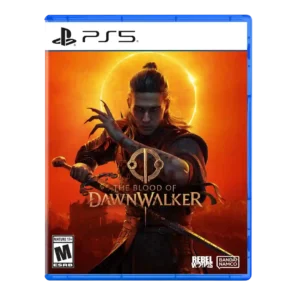
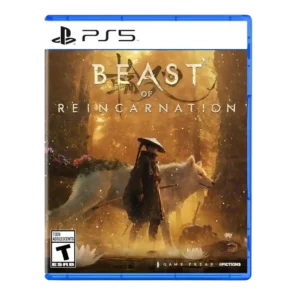
Compare The Blood of Dawnwalker vs Beast of Reincarnation

P1 The Blood of Dawnwalker
P2 Beast of Reincarnation

Comparison Takeaways

The Blood of Dawnwalker

Where It Has the Edge

  • camera behavior is 4.5 vs 2.2. Camera behavior was praised after a pullback/zoom improvement that made combat presentation look better.
  • HUD clarity is 4.1 vs 2.0. HUD clarity was supported by time-cost icons that help players understand when actions will advance the clock.
  • onboarding experience is 3.8 vs 1.8. Onboarding was functional and simple, but the prologue’s tutorial-heavy setup was less exciting than the broader systems.
  • writing quality is 4.4 vs 3.4. Writing quality was praised for smart twists and mature handling of gruesome material without overindulgence.

Beast of Reincarnation

Where It Has the Edge

  • value for money is 4.8 vs 3.0. A $60 base price was viewed favorably compared with the common $70 tier, especially given the expected scope....
  • difficulty balance is 4.1 vs 3.2. Challenge is substantial, especially against bosses, but adjustable difficulty, forgiving parry windows, short runbacks, and in-combat recovery soften...
  • accessibility options is 4.6 vs 3.7. Difficulty can be raised or lowered at any time, and generous parry timing makes the combat more approachable....
  • combat system is 4.6 vs 3.8. Parry-driven swordplay gains real tactical depth from Koo’s slow-motion Bloom Arts and support abilities. It is the clearest...
Average score
Product 1: The Blood of Dawnwalker
4.2
Product 2: Beast of Reincarnation
4.3
accessibility options
Product 1: The Blood of Dawnwalker
3.7

Combat-assist indicators mattered because one reviewer would not want to play without them, suggesting helpful accessibility support.

Product 2: Beast of Reincarnation
4.6

Difficulty can be raised or lowered at any time, and generous parry timing makes the combat more approachable. No broader accessibility suite was evaluated, but the available flexibility is encouraging.

AI behavior
Product 1: The Blood of Dawnwalker
4.3

Enemy AI was described as part of the game’s visible improvement alongside animation and general fluidity.

Product 2: Beast of Reincarnation
No score yet
aiming precision
Product 1: The Blood of Dawnwalker
No score yet
Product 2: Beast of Reincarnation
2.0

Vine targeting lacks a clear reticle in the opening build, making placement harder than it should be. Players may spend extra time adjusting their aim before a valid target appears.

animation quality
Product 1: The Blood of Dawnwalker
3.8

Animation evidence was mixed: newer previews praised sharper animation, while one value-focused discussion still called combat animations janky.

Product 2: Beast of Reincarnation
No score yet
art direction
Product 1: The Blood of Dawnwalker
4.6

Art direction earned praise for focus, style, vibe, and especially lighting work.

Product 2: Beast of Reincarnation
4.7

Overgrown concrete, plant-infested creatures, sci-fi ruins, and anime-inspired character design create a striking identity. The art direction balances beauty, melancholy, and horror particularly well.

atmosphere
Product 1: The Blood of Dawnwalker
4.7

Atmosphere was praised as dark, fascinating, and unsettling without losing sophistication.

Product 2: Beast of Reincarnation
4.7

The atmosphere blends lush beauty, melancholy, ruined technology, and quiet terror. Ethereal music and overgrown landscapes give the journey a distinctive, reflective mood.

boss design
Product 1: The Blood of Dawnwalker
4.6

Boss design received a clear positive note from the undead warrior fight shown in the hands-off demo.

Product 2: Beast of Reincarnation
4.6

The large Nushi encounters are imposing, punishing, and repeatedly highlighted as memorable. Winning can feel genuinely triumphant, and at least one showcase called the bosses the game’s strongest feature.

camera behavior
Product 1: The Blood of Dawnwalker
4.5

Camera behavior was praised after a pullback/zoom improvement that made combat presentation look better.

Product 2: Beast of Reincarnation
2.2

Targeting traversal abilities can require unnecessary camera adjustment. The issue appears most noticeable when trying to make a vine anchor or valid target appear.

character customization
Product 1: The Blood of Dawnwalker
4.3

Character customization looked promising through build choices that can favor swordplay, vampirism, or a balance between both.

Product 2: Beast of Reincarnation
4.4

Skill trees, gear, ability modifiers, and separate Emma-and-Koo options support several playstyles. Early builds suggest meaningful customization for melee, ranged, and companion-heavy approaches.

character development
Product 1: The Blood of Dawnwalker
No score yet
Product 2: Beast of Reincarnation
4.3

Flashbacks give Emma and Koo’s relationship a warm, understandable foundation. Emma’s rejection by society also creates room for a stronger personal arc as the story develops.

checkpoint system
Product 1: The Blood of Dawnwalker
No score yet
Product 2: Beast of Reincarnation
4.7

Deaths are softened by short runbacks, persistent environmental unlocks, and natural checkpoints between larger rest sites. This keeps difficult encounters from becoming excessively repetitive.

combat system
Product 1: The Blood of Dawnwalker
3.8

Combat drew the most mixed evidence: previews praised its visceral rhythm and improvements, but several reviewers remained unsure about hands-on feel, fluidity, or janky animation.

Product 2: Beast of Reincarnation
4.6

Parry-driven swordplay gains real tactical depth from Koo’s slow-motion Bloom Arts and support abilities. It is the clearest standout, with multiple hands-on players describing it as satisfying, expressive, and difficult to put down.

companion AI
Product 1: The Blood of Dawnwalker
No score yet
Product 2: Beast of Reincarnation
4.6

Koo is more than a passive sidekick: he attacks independently, supports exploration, and provides tactical abilities fueled by Emma’s parries. His behavior usually feels useful and naturally integrated rather than intrusive.

content variety
Product 1: The Blood of Dawnwalker
4.1

Content variety was viewed as promising, with more environmental variety and many competing distractions than early valley concerns suggested.

Product 2: Beast of Reincarnation
4.3

The opening hours mix melee, ranged weapons, companion arts, stealth, traversal, loot, upgrades, and home-base activities. That variety is promising, though the full game’s breadth has not yet been tested.

controls responsiveness
Product 1: The Blood of Dawnwalker
3.9

Control changes and quick ability selection were viewed positively, but directional combat still sounded fiddly to one reviewer.

Product 2: Beast of Reincarnation
3.7

Basic attacks and ranged bursts can feel extremely responsive, but contextual interactions are less consistent. Some prompts require unusually precise facing before they activate.

core gameplay loop
Product 1: The Blood of Dawnwalker
4.7

The loop of time pressure, consequence, and dual-form choice was one of the strongest points, described as exceptionally compelling and a major draw.

Product 2: Beast of Reincarnation
4.7

The main loop of parrying, charging Koo’s abilities, exploring open zones, and upgrading the duo is highly engaging. Several players came away eager to continue after only the opening hours.

dialogue quality
Product 1: The Blood of Dawnwalker
No score yet
Product 2: Beast of Reincarnation
4.2

Early dialogue carries noticeable philosophical overtones about humanity, emotion, and identity. The tone may appeal most to players comfortable with earnest, anime-influenced storytelling.

difficulty balance
Product 1: The Blood of Dawnwalker
3.2

Difficulty balance remained a concern because the timed structure may feel stressful and the soft timer’s execution was still unproven.

Product 2: Beast of Reincarnation
4.1

Challenge is substantial, especially against bosses, but adjustable difficulty, forgiving parry windows, short runbacks, and in-combat recovery soften the punishment. Players who dislike frequent parrying may still find the design restrictive.

emotional impact
Product 1: The Blood of Dawnwalker
4.5

Emotional impact came from high personal stakes and dramatic scenes that reviewers found forceful rather than empty gore.

Product 2: Beast of Reincarnation
4.5

The strongest emotional material comes from Emma’s rejection and her decision to save Koo. Their bond gives the otherwise bleak setting warmth and a clear human center.

enemy variety
Product 1: The Blood of Dawnwalker
No score yet
Product 2: Beast of Reincarnation
4.2

Early zones combine corrupted animals, mechanical golems, flying threats, armored enemies, and giant Nushi. The mix supports different combat responses, although long-term variety is still uncertain.

environmental detail
Product 1: The Blood of Dawnwalker
4.6

Environmental detail was praised through the painstakingly crafted medieval-gothic setting.

Product 2: Beast of Reincarnation
4.7

Collapsed structures, rusted machinery, overgrown cities, and corrupted wildlife make the zones rewarding to inspect. The environmental detail consistently strengthens both atmosphere and exploration.

exploration quality
Product 1: The Blood of Dawnwalker
4.5

Exploration was valued because towns and villages reveal social context, enemy influence, and more than simple clue gathering.

Product 2: Beast of Reincarnation
4.8

Exploration is one of the strongest early impressions, thanks to vertical movement, secrets, hidden paths, and striking ruined environments. The open zones consistently invite detours without losing the main route.

fun factor
Product 1: The Blood of Dawnwalker
4.4

Fun factor was broadly positive: reviewers wanted to play more, found it exciting, or called it promising despite some price concerns.

Product 2: Beast of Reincarnation
4.6

Enthusiasm is consistently high after hands-on play, especially around combat and traversal. Even players frustrated by the tutorials still wanted to continue and see how the systems develop.

gameplay mechanics
Product 1: The Blood of Dawnwalker
4.1

Reviewers generally liked the day/night and human/vampire mechanic set, calling it interesting, unique, and conceptually strong, though one preview warned the mechanics could help make or break the game.

Product 2: Beast of Reincarnation
4.6

Combat, traversal, companion commands, and ranged tools fit together into a deliberate but flexible system. The mechanics encourage reading enemies and choosing the right response rather than relying on one tactic.

graphics quality
Product 1: The Blood of Dawnwalker
4.5

Graphics were received positively, with reviewers praising excellent visuals, lighting, and improved visual fidelity.

Product 2: Beast of Reincarnation
4.6

The game looks unusually polished and cinematic for Game Freak, with high-fidelity environments and impressive visual presentation. Multiple previews were immediately struck by its beauty.

horror tension
Product 1: The Blood of Dawnwalker
4.5

Horror tension looked effective, with reviewers calling key scenes tense and vampires truly terrifying.

Product 2: Beast of Reincarnation
4.6

The horror is more unsettling than relentlessly frightening, using corrupted animals and beautiful-but-wrong natural imagery. That restrained tension gives the world an effective eerie edge.

HUD clarity
Product 1: The Blood of Dawnwalker
4.1

HUD clarity was supported by time-cost icons that help players understand when actions will advance the clock.

Product 2: Beast of Reincarnation
2.0

Important targeting information is not always communicated clearly. The missing vine reticle and unexplained combat meters can leave players unsure how a mechanic is supposed to work.

immersion
Product 1: The Blood of Dawnwalker
4.6

Immersion was strong where reviewers felt the world operated like a character and conveyed medieval authenticity.

Product 2: Beast of Reincarnation
4.6

The combination of beautiful ruins, ethereal music, fast traversal, and absorbing combat creates a strong sense of immersion. One two-hour session reportedly felt like only minutes.

innovation
Product 1: The Blood of Dawnwalker
4.6

Innovation was one of the highest-rated areas, especially the baked-in choice structure, difference from standard RPGs, and time-sandbox design.

Product 2: Beast of Reincarnation
4.6

Blending real-time parries with slow-motion companion commands creates a fresh tactical rhythm. Koo’s abilities and Emma’s vine movement help the game distinguish itself from straightforward Soulslike comparisons.

learning curve
Product 1: The Blood of Dawnwalker
3.2

The directional combat learning curve looked complicated enough that assistance icons seemed important.

Product 2: Beast of Reincarnation
2.5

There is a meaningful learning curve, but poor explanation makes it steeper than necessary. One player reached the first serious boss without understanding several expected mechanics.

level design
Product 1: The Blood of Dawnwalker
4.0

The clearest level-design praise centered on vampire abilities opening unconventional routes through environments.

Product 2: Beast of Reincarnation
4.5

The game uses broad, explorable stages rather than one continuous open world. Hidden paths, optional items, side activities, and compact runbacks give the zones both freedom and structure.

lore depth
Product 1: The Blood of Dawnwalker
No score yet
Product 2: Beast of Reincarnation
4.2

Playable flashbacks and hints about the blight, golems, and social hierarchy add useful background. The lore appears promising, but previews only reveal enough to suggest depth rather than confirm it.

mission design
Product 1: The Blood of Dawnwalker
4.0

Mission design was praised for branching, multi-stage outcomes, but the prologue’s introductory errands were considered less interesting by IGN.

Product 2: Beast of Reincarnation
No score yet
mission variety
Product 1: The Blood of Dawnwalker
4.6

Mission variety stood out in the day/night quest split, where reviewers saw meaningful contrast between investigation and vampire approaches.

Product 2: Beast of Reincarnation
No score yet
movement feel
Product 1: The Blood of Dawnwalker
4.0

Traversal and movement in vampire form were praised for momentum and rooftop freedom, while later commentary still questioned combat fluidity.

Product 2: Beast of Reincarnation
4.7

Emma moves quickly through large, vertical spaces using vine grapples, lifts, and player-made bridges. Traversal feels smooth, playful, and unusually free for this style of action RPG.

narrative quality
Product 1: The Blood of Dawnwalker
4.5

Narrative quality was one of the strongest themes, with reviewers praising confidence, experimentation, engaging opening stakes, and hard choices.

Product 2: Beast of Reincarnation
3.9

The premise, Emma’s isolation, and her bond with Koo create an intriguing opening. Reactions are split because the world has emotional and philosophical promise, while parts of the blight storyline feel familiar or melodramatic.

onboarding experience
Product 1: The Blood of Dawnwalker
3.8

Onboarding was functional and simple, but the prologue’s tutorial-heavy setup was less exciting than the broader systems.

Product 2: Beast of Reincarnation
1.8

The game introduces many combat, traversal, and progression systems faster than it teaches them. A detailed codex exists, but the main onboarding leaves players to discover too much on their own.

open-world design
Product 1: The Blood of Dawnwalker
4.5

Open-world design was praised for focus, path choice, and free-form RPG structure, with reviewers suggesting it could feel unusually reactive.

Product 2: Beast of Reincarnation
No score yet
originality
Product 1: The Blood of Dawnwalker
4.5

Originality was praised when reviewers said the game was more than a Witcher-with-vampires idea and leaned into older RPG openness.

Product 2: Beast of Reincarnation
4.4

The story uses familiar post-apocalyptic and corruption ideas, but the companion combat and player-created traversal give the game a recognizable identity. Its originality is strongest in mechanics rather than premise.

pacing
Product 1: The Blood of Dawnwalker
4.0

Pacing was mostly positive for its tight, tense, focused structure, though IGN found the opening less sharp than the later promise.

Product 2: Beast of Reincarnation
4.4

The opening moves quickly into conflict and core mechanics, while early cutscenes establish the premise without overstaying. That briskness helps momentum, though it also contributes to thin explanations.

performance optimization
Product 1: The Blood of Dawnwalker
3.2

Performance evidence was split: one preview mentioned solid performance, while a later video worried about demanding PC requirements.

Product 2: Beast of Reincarnation
No score yet
platforming precision
Product 1: The Blood of Dawnwalker
No score yet
Product 2: Beast of Reincarnation
3.5

The vine-based platforming is inventive and opens creative routes, but placement can be imprecise. Missing targeting guidance sometimes sends structures somewhere other than intended.

polish
Product 1: The Blood of Dawnwalker
4.0

Polish was mostly praised for cohesion, visible final improvements, and feedback-driven changes, though one video still saw jank.

Product 2: Beast of Reincarnation
No score yet
progression system
Product 1: The Blood of Dawnwalker
4.5

Progression earned praise from the visible build scope created by the skill-tree structure.

Product 2: Beast of Reincarnation
4.3

Separate skill growth, gear, and build-crafting systems create a promising progression path for Emma and Koo. The opening hours suggest meaningful specialization, even though the full depth remains untested.

protagonist appeal
Product 1: The Blood of Dawnwalker
4.3

Coen appealed as an underdog with major stakes and a dual human-vampire journey.

Product 2: Beast of Reincarnation
4.4

Emma makes a strong first impression through her stoic demeanor, distinctive samurai-inspired design, and unusual plant abilities. Her vulnerability and social isolation add emotional appeal beyond the visual concept.

quest design
Product 1: The Blood of Dawnwalker
4.5

Quest design received strong support for handmade, optional, interwoven stories with grisly consequences and choices that affect world state.

Product 2: Beast of Reincarnation
No score yet
replay value
Product 1: The Blood of Dawnwalker
4.7

Replay value looked high because branching choices and a shorter, focused playthrough structure encouraged multiple runs.

Product 2: Beast of Reincarnation
No score yet
sandbox freedom
Product 1: The Blood of Dawnwalker
4.4

Sandbox freedom was consistently praised, especially the ability to pick paths, ignore or pursue quests, and shape the story within time limits.

Product 2: Beast of Reincarnation
4.6

The vine abilities offer unusual freedom to create crossings, reach high ground, and approach enemies from above. The zones feel open without depending on a traditional open-world structure.

skill tree depth
Product 1: The Blood of Dawnwalker
4.3

Skill trees looked promising, with dense branches and enough build scope to support different human, vampire, or balanced approaches.

Product 2: Beast of Reincarnation
4.5

Multiple skill trees, ability modifiers, and distinct companion options support varied builds. Early impressions suggest enough depth for melee, ranged, and Koo-focused playstyles.

sound design
Product 1: The Blood of Dawnwalker
4.5

Sound design got a strong isolated compliment for the haunted-site transition effect.

Product 2: Beast of Reincarnation
No score yet
soundtrack quality
Product 1: The Blood of Dawnwalker
4.5

The soundtrack was well received, with reviewers saying the score heightens the experience and carries a Witcher-like sound in a good way.

Product 2: Beast of Reincarnation
5.0

The soundtrack receives direct, enthusiastic praise, with its dramatic music reinforcing the action and ruined-world mood. Broader musical variety was not evaluated in these previews.

stealth mechanics
Product 1: The Blood of Dawnwalker
4.2

Stealth looked strong when tied to shadows, sneaking, rooftops, and vampire traversal, with reviewers finding the vertical ambush possibilities satisfying.

Product 2: Beast of Reincarnation
3.8

Creating elevated perches can lead to satisfying stealth takedowns and alternate approaches. Still, the direct combat is so strong that stealth can feel less rewarding by comparison.

tutorial quality
Product 1: The Blood of Dawnwalker
No score yet
Product 2: Beast of Reincarnation
2.1

The opening tutorials are the most consistent weakness. Important mechanics receive minimal explanation, and even a basic crouch lesson can arrive after the first boss.

upgrade system
Product 1: The Blood of Dawnwalker
4.3

The upgrade system was praised through special abilities that can shift combat momentum.

Product 2: Beast of Reincarnation
4.5

New skills, equipment, and upgraded Bloom Arts appear capable of changing how encounters are handled. The system looks flexible and rewarding, but long-term upgrade balance is still unknown.

user interface design
Product 1: The Blood of Dawnwalker
4.2

The interface-related focus mode was praised as useful for clue reading and efficient investigation.

Product 2: Beast of Reincarnation
No score yet
value for money
Product 1: The Blood of Dawnwalker
3.0

Value for money was mixed because $70 pricing raised doubts while the game remained hands-off and not fully proven.

Product 2: Beast of Reincarnation
4.8

A $60 base price was viewed favorably compared with the common $70 tier, especially given the expected scope. Final value still depends on the full game’s length, polish, and content quality.

visual effects quality
Product 1: The Blood of Dawnwalker
4.6

Visual effects were supported by praise for the game’s lighting, especially the moonlit cathedral presentation.

Product 2: Beast of Reincarnation
4.6

Combat finishers, boss attacks, and cinematic framing give the action strong visual impact. The effects are energetic and dramatic without obscuring the tactical structure.

weapon balance
Product 1: The Blood of Dawnwalker
No score yet
Product 2: Beast of Reincarnation
4.4

Melee remains central, but bows and crossbows appear genuinely viable rather than token options. Ranged attacks can deal meaningful damage and even finish bosses when close combat becomes risky.

world-building
Product 1: The Blood of Dawnwalker
4.5

World-building was praised for social nuance, dark medieval inspiration, and a setting that felt bigger than scenery.

Product 2: Beast of Reincarnation
4.0

The ruined future Japan is compelling, melancholy, and filled with intriguing social tensions. The world’s presentation is strong, though some of its corruption-based mythology initially feels familiar.

world interactivity
Product 1: The Blood of Dawnwalker
4.6

World interactivity was a major strength: reviewers highlighted killable NPCs, ripple effects, infamy responses, and consequences from action or inaction.

Product 2: Beast of Reincarnation
4.6

Emma can reshape routes by growing bridges, vertical vines, and temporary platforms. These tools make the environment part of both traversal and combat preparation.

writing quality
Product 1: The Blood of Dawnwalker
4.4

Writing quality was praised for smart twists and mature handling of gruesome material without overindulgence.

Product 2: Beast of Reincarnation
3.4

The writing shows heartfelt character moments and thoughtful philosophical themes. Its central corruption premise can also feel derivative, leaving the early narrative promising but not yet distinctive.