- Similar: realistic medieval setting The setting’s period-accurate look is compared to Kingdom Come: Deliverance.
- Similar: directional swordplay Dawnwalker’s swordplay is compared to Kingdom Come: Deliverance’s directional combat.
- Similar: precise strike placement Precise strike placement is also compared to Kingdom Come: Deliverance.
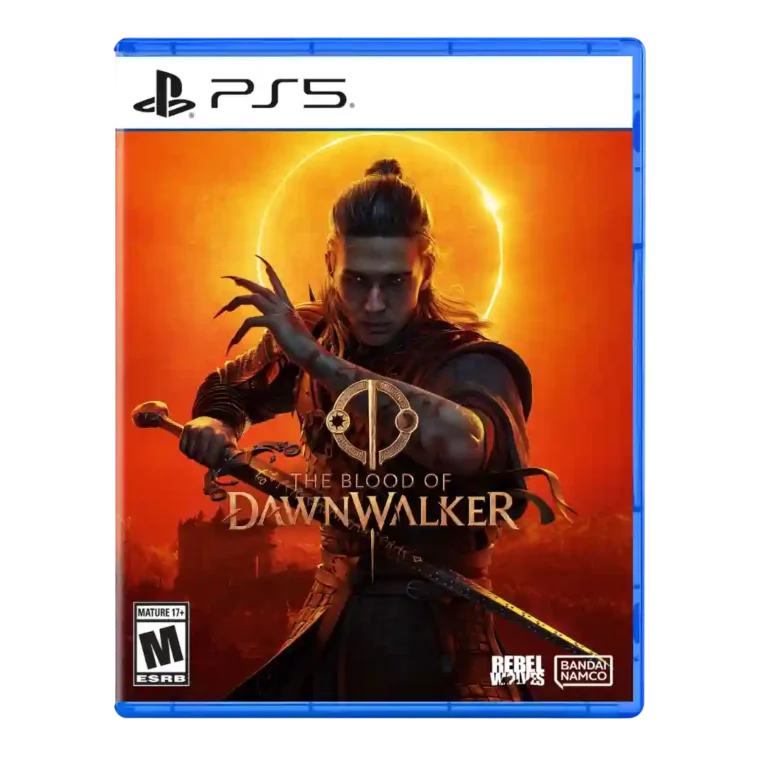
The Blood of Dawnwalker Review
Bottom Line
Choose The Blood of Dawnwalker for a reactive vampire RPG with bold choices, strong atmosphere, and replayable quest paths. Skip it if you need proven hands-on combat, low hardware demands, or obvious $70 value.
Best for RPG players who want a dark vampire story with reactive quests, meaningful time pressure, branching consequences, and replayable role-playing choices.
Not for players who need proven hands-on combat, relaxed completionist pacing, low hardware requirements, or clear full-price value before launch.
Previewers frame The Blood of Dawnwalker as a confident vampire RPG built around a reactive narrative sandbox, where human and vampire play styles, a finite 30-day structure, and consequential quest choices create most of the excitement. The strongest praise goes to atmosphere, world-building, branching quests, and replay potential. The tradeoff is uncertainty: almost all evidence is hands-off or preview-based, and combat drew split reactions, from fast and visceral to janky or not especially fluid. Price and PC requirements also temper enthusiasm, but the overall evidence suggests a distinctive, ambitious RPG with its biggest risks in feel, polish, and execution.
Compared in Reviews
Products reviewers directly compared with this model, grouped into quick takeaways.
The Witcher 3
- Similar: combat inspiration The combat is described as clearly inspired by The Witcher 3.
- Similar: swords-and-sorcery combat The human-form combat flow is compared to The Witcher 3’s swords-and-sorcery combat.
- Similar: combat foundation Combat is described as The Witcher 3 spliced with directional swordplay from other games.
The Legend of Zelda: Breath of the Wild
- Similar: early final-boss attempt The developer’s early-primary-goal challenge is compared to defeating Ganon in Breath of the Wild.
- Similar: early final-boss access CNET says the ability to challenge Brencis from the start is best known from Breath of the Wild.
- Similar: early final-boss access The option to rush the main antagonist is compared to Breath of the Wild’s narrative frame.
Feature Scorecards
Summary
51 reviewed features- Very positive 4.5-5.0 47% 24 features
- Positive 3.5-4.4 45% 23 features
- Neutral 2.5-3.4 8% 4 features
- Negative 1.5-2.4 0% 0 features
- Very negative below 1.5 0% 0 features
Pros
-
The loop of time pressure, consequence, and dual-form choice was one of the strongest points, described as exceptionally compelling and a major draw.
-
Atmosphere was praised as dark, fascinating, and unsettling without losing sophistication.
-
Replay value looked high because branching choices and a shorter, focused playthrough structure encouraged multiple runs.
-
World interactivity was a major strength: reviewers highlighted killable NPCs, ripple effects, infamy responses, and consequences from action or inaction.
-
Innovation was one of the highest-rated areas, especially the baked-in choice structure, difference from standard RPGs, and time-sandbox design.
-
Art direction earned praise for focus, style, vibe, and especially lighting work.
-
Boss design received a clear positive note from the undead warrior fight shown in the hands-off demo.
-
Environmental detail was praised through the painstakingly crafted medieval-gothic setting.
-
Visual effects were supported by praise for the game’s lighting, especially the moonlit cathedral presentation.
-
Immersion was strong where reviewers felt the world operated like a character and conveyed medieval authenticity.
-
Mission variety stood out in the day/night quest split, where reviewers saw meaningful contrast between investigation and vampire approaches.
-
Quest design received strong support for handmade, optional, interwoven stories with grisly consequences and choices that affect world state.
-
Open-world design was praised for focus, path choice, and free-form RPG structure, with reviewers suggesting it could feel unusually reactive.
-
Emotional impact came from high personal stakes and dramatic scenes that reviewers found forceful rather than empty gore.
-
Originality was praised when reviewers said the game was more than a Witcher-with-vampires idea and leaned into older RPG openness.
-
Camera behavior was praised after a pullback/zoom improvement that made combat presentation look better.
-
Exploration was valued because towns and villages reveal social context, enemy influence, and more than simple clue gathering.
-
Progression earned praise from the visible build scope created by the skill-tree structure.
-
Sound design got a strong isolated compliment for the haunted-site transition effect.
-
Graphics were received positively, with reviewers praising excellent visuals, lighting, and improved visual fidelity.
-
Narrative quality was one of the strongest themes, with reviewers praising confidence, experimentation, engaging opening stakes, and hard choices.
-
Horror tension looked effective, with reviewers calling key scenes tense and vampires truly terrifying.
-
The soundtrack was well received, with reviewers saying the score heightens the experience and carries a Witcher-like sound in a good way.
-
World-building was praised for social nuance, dark medieval inspiration, and a setting that felt bigger than scenery.
-
Sandbox freedom was consistently praised, especially the ability to pick paths, ignore or pursue quests, and shape the story within time limits.
-
Writing quality was praised for smart twists and mature handling of gruesome material without overindulgence.
-
Fun factor was broadly positive: reviewers wanted to play more, found it exciting, or called it promising despite some price concerns.
-
Enemy AI was described as part of the game’s visible improvement alongside animation and general fluidity.
-
Character customization looked promising through build choices that can favor swordplay, vampirism, or a balance between both.
-
The upgrade system was praised through special abilities that can shift combat momentum.
-
Skill trees looked promising, with dense branches and enough build scope to support different human, vampire, or balanced approaches.
-
Coen appealed as an underdog with major stakes and a dual human-vampire journey.
-
Stealth looked strong when tied to shadows, sneaking, rooftops, and vampire traversal, with reviewers finding the vertical ambush possibilities satisfying.
-
The interface-related focus mode was praised as useful for clue reading and efficient investigation.
-
Reviewers generally liked the day/night and human/vampire mechanic set, calling it interesting, unique, and conceptually strong, though one preview warned the mechanics could help make or break the game.
-
HUD clarity was supported by time-cost icons that help players understand when actions will advance the clock.
-
Content variety was viewed as promising, with more environmental variety and many competing distractions than early valley concerns suggested.
-
Traversal and movement in vampire form were praised for momentum and rooftop freedom, while later commentary still questioned combat fluidity.
-
Polish was mostly praised for cohesion, visible final improvements, and feedback-driven changes, though one video still saw jank.
-
Mission design was praised for branching, multi-stage outcomes, but the prologue’s introductory errands were considered less interesting by IGN.
-
Pacing was mostly positive for its tight, tense, focused structure, though IGN found the opening less sharp than the later promise.
-
The clearest level-design praise centered on vampire abilities opening unconventional routes through environments.
-
Control changes and quick ability selection were viewed positively, but directional combat still sounded fiddly to one reviewer.
-
Combat drew the most mixed evidence: previews praised its visceral rhythm and improvements, but several reviewers remained unsure about hands-on feel, fluidity, or janky animation.
-
Animation evidence was mixed: newer previews praised sharper animation, while one value-focused discussion still called combat animations janky.
-
Onboarding was functional and simple, but the prologue’s tutorial-heavy setup was less exciting than the broader systems.
-
Combat-assist indicators mattered because one reviewer would not want to play without them, suggesting helpful accessibility support.
Cons
-
Difficulty balance remained a concern because the timed structure may feel stressful and the soft timer’s execution was still unproven.
-
Performance evidence was split: one preview mentioned solid performance, while a later video worried about demanding PC requirements.
-
The directional combat learning curve looked complicated enough that assistance icons seemed important.
-
Value for money was mixed because $70 pricing raised doubts while the game remained hands-off and not fully proven.
Compared With Category Average
Compared with other Video Games, this product is above average in camera behavior, AI behavior, stealth mechanics, below average in performance optimization, value for money.
Summary
8 compared features- Above average 0.4+ pts higher 75% 6 features
- Same as average within 0.3 pts 0% 0 features
- Below average 0.4+ pts lower 25% 2 features
| Attribute | This product | Category average | Difference |
|---|---|---|---|
| camera behavior | 4.5 | 3.0 | +1.5 |
| AI behavior | 4.3 | 3.0 | +1.3 |
| performance optimization | 3.2 | 4.1 | -0.9 |
| value for money | 3.0 | 3.9 | -0.9 |
| stealth mechanics | 4.2 | 3.4 | +0.9 |
| mission variety | 4.6 | 3.7 | +0.9 |
| quest design | 4.5 | 3.7 | +0.8 |
| narrative quality | 4.5 | 3.7 | +0.8 |
FAQ
What do reviewers like most about The Blood of Dawnwalker?
They most often praise the reactive narrative sandbox, dark atmosphere, and quest choices that can ripple through the world.
Is the combat considered good?
The evidence is mixed. Some previews call it fast, visceral, and improved, while others are unsure about hands-on feel, fluidity, or janky animations.
Does the 30-day timer make the game stressful?
Some reviewers think the time structure is exciting and focused, but IGN says it may be deeply stressful for players who want to help everyone.
Does the game seem replayable?
Yes. Reviewers point to branching outcomes, missed opportunities, and different human or vampire approaches as strong replay-value signals.
Is The Blood of Dawnwalker just The Witcher with vampires?
Reviewers see obvious Witcher comparisons, but several argue the time system, day/night forms, and narrative sandbox make it more distinct.
Are there value or performance concerns?
Yes. Some commentary questions whether it looks worth $70, and one reviewer worries the PC specs suggest demanding hardware.
Sample Expert Reviews We Analyzed
These are a few of the reviews included in our analysis.
Video Reviews
- Review score
- 3.5/5
- Review score
- 3.1/5
- Review score
- 4.4/5
- Review score
- 4.3/5
Article Reviews
- Review score
- 4.2/5
- Review score
- 4.3/5
Consider This Instead
If you want better value for money
Choose Resident Evil Requiem. It scores 5.0 vs 3.0 for value for money, with a 4.4 overall score.
If you want better performance optimization
Choose Dragon Quest I & II HD-2D Remake. It scores 5.0 vs 3.2 for performance optimization, with a 4.3 overall score.
If you want better combat system
Choose Shinobi: Art of Vengeance. It scores 4.9 vs 3.8 for combat system, with a 4.2 overall score.
If you want better learning curve
Choose Tomodachi Life: Living the Dream. It scores 4.7 vs 3.2 for learning curve, with a 4.0 overall score.
Overall Top Video Games Alternatives
Good if you want fast, tactical roguelite combat with huge progression depth, striking art, and standout music. Skip it if repetition, resource micromanagement, or a less emotionally satisfying sequel story...
Pros: skill tree depth, dialogue quality
Cons: emotional impact, economy and resource balance
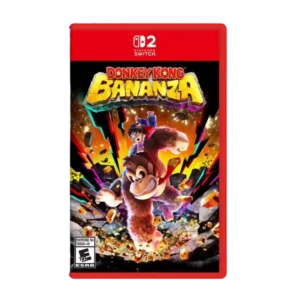
Best for joyful destruction, dense exploration, and a charming DK-Pauline adventure. Skip it if camera quirks, frame-rate dips, easy bosses, or premium Switch 2 pricing are dealbreakers.
Pros: gameplay mechanics, world interactivity
Cons: economy and resource balance, enemy variety
Best for tense Grace-led horror, slick Leon action, and lavish franchise callbacks. Skip it if you want a bolder reinvention, evenly mixed pacing, or substantial post-game modes.
Pros: driving mechanics, protagonist appeal
Cons: platform-specific feature support, checkpoint system
Choose Death Stranding 2 if you want a gorgeous, stranger, more action-friendly delivery epic with powerful performances. Skip it if fetch quests, Kojima exposition, reduced tension, or easier traversal undercut...
Pros: animation quality, facial animations
Cons: quest design, AI behavior