Compare Fuze vs Night Nurse

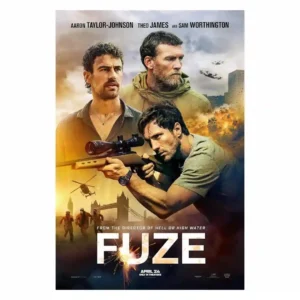
Fuze
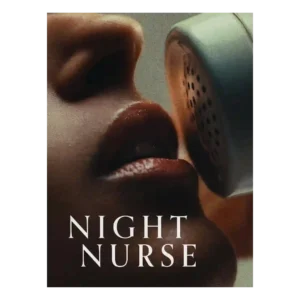
Night Nurse

Quick verdict

What each product is best for

Choose Fuze for message quality and violence level.

Choose Night Nurse for production design and drama quality.

Comparison Takeaways

Fuze

Where It Has the Edge

  • message quality is 4.0 vs 1.5. The message is light but not preachy. One reviewer appreciated that the film avoids moralizing and simply lets...
  • violence level is 4.0 vs 1.5. Violence is used sparingly enough to stand out. One reviewer said the shocking moments land with real impact...
  • runtime is 4.1 vs 2.0. Runtime is mostly a plus. Reviewers appreciated the tight 90-ish minute length and some did not feel the...
  • pacing is 3.8 vs 1.9. Most reviewers found Fuze brisk and tightly paced, with several calling out its fast start and short runtime....

Night Nurse

Where It Has the Edge

  • production design is 4.2 vs 1.5. Sterile rooms, uncluttered surfaces, pools, villas, and subtly anachronistic spaces create a convincing limbo outside ordinary time. The...
  • drama quality is 5.0 vs 3.1. The strongest dramatic moments come from silence, physical behavior, and the shifting power between caregiver and patient. Paksoy’s...
  • supporting cast performance is 4.4 vs 2.5. Bruce McKenzie receives especially strong praise for balancing charm, danger, ambiguity, and vulnerability as Douglas. The wider supporting...
  • humor is 4.2 vs 2.8. The black comedy gives the taboo material an oddball, self-aware edge, especially around Douglas’s pajama-clad charisma and the...
Average score
Fuze
3.3
Night Nurse
3.4
production design
Fuze
1.5

Production design has limited but negative support. One reviewer felt the British locations and overall presentation looked cheap, which reinforced the impression of a lower-tier streaming thriller.

Night Nurse
4.2

Sterile rooms, uncluttered surfaces, pools, villas, and subtly anachronistic spaces create a convincing limbo outside ordinary time. The design feels ingenious and expansive for a small production, though sometimes intentionally distancing.

message quality
Fuze
4.0

The message is light but not preachy. One reviewer appreciated that the film avoids moralizing and simply lets characters pursue their own agendas.

Night Nurse
1.5

The film gestures toward ideas about caregiving, exploitation, loneliness, and the need to feel needed, but one major criticism is that these ideas remain surface-level. Its meaning is more suggestive than fully argued.

violence level
Fuze
4.0

Violence is used sparingly enough to stand out. One reviewer said the shocking moments land with real impact because the film does not overuse them.

Night Nurse
1.5

Violence is limited, but the late escalation is criticized as upsetting and insufficiently earned. The discomfort comes more from coercion and psychological manipulation than from sustained physical brutality.

runtime
Fuze
4.1

Runtime is mostly a plus. Reviewers appreciated the tight 90-ish minute length and some did not feel the runtime at all, though one argued short is not enough when the film feels unremarkable.

Night Nurse
2.0

Although only 95 minutes, the slow pace makes the film feel longer for viewers who are not invested in the central relationship. Its length is frequently judged less efficient than its compact runtime suggests.

pacing
Fuze
3.8

Most reviewers found Fuze brisk and tightly paced, with several calling out its fast start and short runtime. The main dissent came from viewers who felt it took too long to get going or somehow felt longer than it was.

Night Nurse
1.9

The glacial slow-burn rhythm supports the hypnotic atmosphere but frequently tests patience. Several critics feel the film drifts, repeats its mood, and fails to accelerate when the story finally turns dangerous.

drama quality
Fuze
3.1

The drama is strongest when the ticking-clock mechanics are in motion. Complaints center on the lack of character investment, which makes the stakes feel less personal than they could have been.

Night Nurse
5.0

The strongest dramatic moments come from silence, physical behavior, and the shifting power between caregiver and patient. Paksoy’s ability to hold nearly wordless scenes gives the film much of its dramatic force.

supporting cast performance
Fuze
2.5

Supporting players are often described as underused. Reviewers singled out the cast's wasted potential, with Gugu Mbatha-Raw and Sam Worthington drawing comments about thin or thankless roles.

Night Nurse
4.4

Bruce McKenzie receives especially strong praise for balancing charm, danger, ambiguity, and vulnerability as Douglas. The wider supporting cast is generally solid, though a few critics find some roles bland or underused.

suspense
Fuze
3.7

Suspense is a major selling point in positive reviews, with repeated praise for tension, ticking-clock pressure, and edge-of-seat momentum. Negative reviews push back hard, calling the film tensionless or too predictable.

Night Nurse
2.4

The best passages create thick menace and uncertainty through closeness, silence, and unstable power. Other viewers find the film too slow and underplotted to sustain genuine tension.

humor
Fuze
2.8

Humor is a small, uneven ingredient. Some enjoyed the propulsive, funny tone, while others thought the late comic turn felt silly or out of place beside the otherwise tense setup.

Night Nurse
4.2

The black comedy gives the taboo material an oddball, self-aware edge, especially around Douglas’s pajama-clad charisma and the film’s perversely romantic turns. The humor is dry and intentionally uncomfortable.

theme depth
Fuze
2.8

Theme depth is limited by design. One positive review accepted that Fuze is built for plot rather than profound insight, but that same choice leaves little thematic weight to discuss.

Night Nurse
4.0

The film’s richest ideas concern the need to be needed, caregiving as power, codependency, aging, consent, and exploitation. Critics disagree on whether those ideas are deeply explored or merely seductively suggested.

cinematography
Fuze
3.3

Cinematography receives scattered reactions. Some found the movie slick and polished, while one reviewer thought the visual language felt dated and borrowed from older crime-action films.

Night Nurse
4.5

The close, painterly camerawork is a standout, using shadows, waxy textures, shallow focus, and intimate framing to turn the retirement community into a sensual dreamspace. Even negative reactions often admire the visual craft.

realism
Fuze
2.5

Realism is shaky. Reviewers repeatedly noted convenient geography, credibility-stretching twists, coincidences, and robbery mechanics that can fall apart under close scrutiny.

Night Nurse
1.4

The film makes little attempt to follow realistic nursing procedures, police logic, or workplace behavior. Enjoyment depends heavily on accepting the retirement community as a self-contained fantasy world.

visual style
Fuze
3.2

Visual style is one of the more divided craft areas. Some found the film good-looking or stylized, but others called it flat, cheap-looking, or lacking a real cinematic personality.

Night Nurse
4.2

The film’s hazy, sterile, dreamlike look is one of its defining achievements, blending sensual close-ups with claustrophobic compositions and timeless spaces. That same aesthetic can feel alienating and emotionally cold.

genre satisfaction
Fuze
4.2

Genre fans are the best fit. Reviewers repeatedly frame Fuze as a satisfying B-movie/heist/crime thriller for viewers who want pace, tension, twists, and a switch-your-brain-off ride.

Night Nurse
3.2

As an erotic psychological thriller, it succeeds through mood, taboo power dynamics, and unease rather than sex, twists, or conventional suspense. Viewers expecting a faster or more explicit thriller may feel misled.

emotional impact
Fuze
3.1

Emotional impact depends on whether the twists work for the viewer. One critic felt rewarded by the reveals, while another said the thin character investment leaves the outcome without enough reason to care.

Night Nurse
4.1

The film leaves a lingering, disconcerting impression even on viewers who dislike it. Its atmosphere and performances are memorable, though the underdeveloped psychology prevents some of the final emotions from fully landing.

entertainment value
Fuze
3.6

Entertainment value is the film's biggest battleground but trends positive. Many reviewers called it fun, watchable, engaging, or a blast, while a smaller group found it average, tepid, or outright bad.

Night Nurse
2.7

Reactions range from fascinated delight to boredom and outright dislike. It works best as a strange atmospheric experience, not as a conventional crime thriller with frequent plot movement.

plot originality
Fuze
4.1

The premise is one of Fuze's most praised assets, especially the collision of a bomb-disposal thriller with a heist movie. A few critics still found the result familiar, but the core idea often landed as strong and novel.

Night Nurse
5.0

The phone-scam relationship and inverted caregiver-patient power dynamic give the plot a fresh foundation. Its construction is more unusual than conventionally tight.

audience appeal
Fuze
3.7

Audience appeal is strongest for viewers seeking a lively, communal thriller rather than airtight logic. Even mixed reviewers admitted they were entertained or could see the film working for a fun crowd.

Night Nurse
2.8

This is a deliberately niche film for viewers comfortable with slow, dreamlike, sexually uncomfortable arthouse thrillers. Its strange wavelength, age-gap dynamic, and loose logic are likely to alienate mainstream audiences.

plot clarity
Fuze
2.8

The plotting is divisive. Some reviewers enjoyed the cunning reveals and hidden-in-plain-sight tricks, while others found the twists predictable, overexplained, confusing, or too convenient.

Night Nurse
2.0

The basic scam premise is easy to understand, but character motives, logistics, and cause-and-effect are often left vague. Some embrace the dream logic, while others see major holes and unexplained leaps.

originality
Fuze
3.9

Originality is mixed-positive. Reviewers liked the genre blend, novel structure, and stylized approach, though some still saw the movie as familiar within heist-thriller territory.

Night Nurse
4.7

The unusual fusion of elder-care intimacy, phone scams, kink, and romantic obsession feels genuinely distinctive. Even detractors tend to acknowledge that the film takes risks few thrillers would attempt.

editing quality
Fuze
3.8

Editing is generally praised when reviewers focus on it. Several liked the slick, fast-cutting or cross-cut structure, though one critic disliked the hyperactive early-2000s feel.

Night Nurse
4.5

The patient, elliptical editing strengthens the dreamy intimacy and lets discomfort accumulate gradually. That same restraint can also make the film feel overly suspended and slow.

screenplay quality
Fuze
2.9

The screenplay draws some of the sharpest disagreement. Admirers call it smart and well-structured, but many critics point to uneven writing, overexplaining, artificial twists, and dialogue that does not fully support the cast.

Night Nurse
2.2

The script has a daring premise and rich thematic possibilities, but its skeletal plotting and missing backstory divide critics. Many feel it runs out of narrative development before the atmosphere does.

story quality
Fuze
3.3

Reviewers split on the story: the bomb-and-heist setup gives the movie a lively hook, but several felt the narrative becomes tangled, thin, or overly dependent on twists. The strongest praise goes to the way side characters and criminal threads eventually connect.

Night Nurse
2.6

The premise is bold and the central relationship can be compelling, but the story is deliberately slight and often feels underdeveloped. Strong atmosphere and performances carry more weight than narrative progression.

acting performance
Fuze
3.6

The acting gets a mixed but generally serviceable response. Several reviewers found the ensemble solid or watchable, while harsher takes criticized accents, bland characterization, or performers who seemed underused by the script.

Night Nurse
4.2

The cast is one of the film’s most reliable strengths, with the central performances repeatedly praised for making sparse, difficult material compelling. A few harsher takes find the ensemble too flat to overcome the thin writing.

value for money
Fuze
2.6

Big-screen value is sharply split in the small amount of direct commentary. One reviewer thought it was worth seeing theatrically, while another said it was not worth a cinema trip.

Night Nurse
2.0

The craft may reward committed arthouse viewers, but at least one reaction recommends waiting for streaming rather than paying for a limited theatrical showing. Its slow, divisive style makes the purchase decision audience-dependent.

lead performance
Fuze
3.8

Lead performances are one of the brighter areas, especially for Aaron Taylor-Johnson and Theo James in positive reviews. Still, some viewers disliked the accent work or felt Taylor-Johnson's intensity tipped into mugging.

Night Nurse
4.4

Cemre Paksoy is widely praised for a layered, largely silent performance that makes Eleni’s surrender, obsession, and instability palpable. A minority find the repeated stares too languid to compensate for the underwritten role.

score quality
Fuze
3.5

The score is divisive but often important to the movie's tension. Some praised a pulsing or simple effective score, while another found the TV-like music drained energy from the film.

Night Nurse
4.0

The eerie jazz and spacious piano score adds elegance, decadence, and sustained tension to the dreamlike mood. One dissenting view finds it overused and enervating because its motifs vary too little.

rewatch value
Fuze
3.0

Rewatch value looks modest. The only direct comment says it is still worth the time, but not the most rewatchable thriller.

Night Nurse
2.5

The film can be hard to shake, but that does not always translate into a desire to revisit it. Some viewers remain fascinated afterward, while others explicitly never want to watch it again.

soundtrack quality
Fuze
4.5

The soundtrack has a small positive signal. One reviewer specifically praised the exit music, while other music comments are captured more broadly under score quality.

Night Nurse
4.0

The understated soundtrack complements the film’s quiet, suspended mood and is generally appreciated for its subtlety. It works more as atmosphere than as a collection of memorable themes.

chemistry between characters
Fuze
3.5

The main-character chemistry is present but not heavily developed. One reviewer noticed a decent dynamic between the leads, while also stressing that the script gives them little room beyond the basics.

Night Nurse
3.9

Paksoy and McKenzie create an unsettling push-pull that many critics found magnetic, tender, and hard to look away from. Others never believed the attraction, making the entire relationship feel awkward rather than seductive.

character development
Fuze
2.0

Character work is consistently thin. Reviewers often said the cast is given too little inner life, backstory, or growth, even when the lean approach helps keep the thriller moving.

Night Nurse
2.4

Eleni and Douglas are intriguing as opaque figures, but their motives and histories remain frustratingly thin for many viewers. The mystery feels hypnotic to some and emotionally vacant to others.

directing quality
Fuze
4.0

Direction is generally seen as controlled and efficient, with praise for Mackenzie's tension-building and urgency. The weaker reviews argue that he cannot overcome the script's flatness or lack of personality.

Night Nurse
4.3

Georgia Bernstein shows confident control of mood, framing, performance, and erotic unease in her feature debut. The direction is widely admired even when the screenplay’s logic and character development draw criticism.

ending satisfaction
Fuze
2.4

The ending is the clearest weak spot. A few reviewers found it satisfying or complete, but many complained about an abrupt coda, confusing flashback, tonal shift, or over-explained final stretch.

Night Nurse
2.6

The finale is the most consistent weakness, often described as rushed, partially earned, or stretched past better stopping points. A few viewers enjoy its sick humor and unsettling final turn.

sexual content level
Fuze
4.0

Sexual content appears minimal in the available commentary. The only direct judgment notes that the shirtless scenes are worked into the plot and are not treated as especially gratuitous.

Night Nurse
3.9

The film generates strong erotic tension with little nudity and almost no conventional sex. Its kink comes through restraint, phone cords, breath, control, and the intimacy of caregiving, which some find subversive and others deeply off-putting.

dialogue quality
Fuze
2.5

Dialogue rarely stands out as a strength. Reviewers described it as standard, perfunctory, weird, or shaky, with a few also struggling with muffled lines and accents.

Night Nurse
2.5

Sparse dialogue fits the film’s quiet, watchful mood, but it places heavy pressure on expressions and silence. For less receptive viewers, the minimal speech leaves the characters feeling underwritten rather than mysterious.

action sequences
Fuze
3.3

Action is more selective than constant. Reviewers liked the staged set pieces, chases, explosions, and clean momentum when the movie works, though several wanted stronger or less predictable action scenes.

Night NurseNo score yet
costume design
FuzeNo score yet
Night Nurse
4.0

The clothing keeps the nurses polished and professional instead of relying on obvious sexy-nurse clichés. The restrained wardrobe also supports the film’s sterile, timeless atmosphere.

critic appeal
FuzeNo score yet
Night Nurse
5.0

Its bold craft and transgressive concept give it clear awards-season and independent-film appeal, especially for critics drawn to adventurous debuts. The divisive storytelling may limit broader enthusiasm.

romance quality
FuzeNo score yet
Night Nurse
3.0

The Douglas-Eleni bond can feel perversely tender, sweet, and strangely heartfelt when the chemistry works. For others, the age gap and thin emotional groundwork make the romance uncomfortable or unconvincing.

scares
FuzeNo score yet
Night Nurse
4.0

The film creates dread through voyeuristic framing, caregiver intimacy, and psychological unease rather than jump scares. Its strongest horror moments are quiet, nightmarish, and suggestive.

sound design
FuzeNo score yet
Night Nurse
4.5

Hushed voices, breath, phone-call textures, and erotic whispers make the scam sequences unusually intimate and unsettling. The sound work is one of the clearest technical strengths.

special effects quality
Fuze
4.2

Explosions and effects get light but positive notice. The clearest praise says the action is well shot and includes impressive explosions.

Night NurseNo score yet
world-building
FuzeNo score yet
Night Nurse
4.5

The retirement community becomes a sealed, hypnotic world with its own logic, rituals, and atmosphere. Its artificiality draws viewers in when the dream logic works, even if the outside world remains barely developed.