
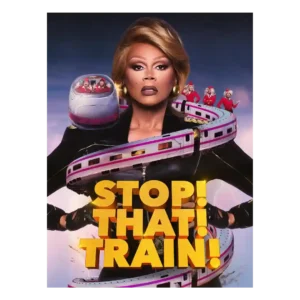
Compare Supergirl vs Stop! That! Train!

Supergirl
Stop! That! Train!

Quick verdict

What each product is best for

Choose Supergirl for value for money and theme depth.

Choose Stop! That! Train! for dialogue quality and language level.

Comparison Takeaways

Supergirl

Where It Has the Edge

  • value for money is 3.5 vs 1.0. Value for money has limited direct coverage. One viewer found it worth the trip to the cinema, while...
  • theme depth is 3.8 vs 2.0. Theme depth centers on whether Kara can be good without being nice and whether revenge heals pain. Some...
  • plot clarity is 4.3 vs 2.8. Clarity lands better than depth for some viewers, with a few praising the straightforward setup. Others still felt...
  • special effects quality is 2.9 vs 1.8. Visual effects split opinion: some praise polished flight and combat effects, while others call the CGI ugly or...

Stop! That! Train!

Where It Has the Edge

  • dialogue quality is 4.8 vs 1.5. The strongest lines use queer wordplay, double meanings, and conversational rhythm rather than relying only on familiar references.
  • language level is 4.3 vs 2.0. The comedy mixes bawdy dialogue with cleaner wordplay, and several critics appreciated that some of its biggest laughs...
  • runtime is 3.8 vs 1.5. At roughly 90 to 95 minutes, the film feels brisk to enthusiastic viewers but surprisingly long to critics...
  • directing quality is 4.1 vs 2.0. Adam Shankman generally keeps the sprawling cast and relentless gag flow under control, though the rushed production limits...
Average score
Supergirl
2.8
Stop! That! Train!
3.5
dialogue quality
Supergirl
1.5

Dialogue is frequently called stale, unnatural, or too familiar. Alcock earns credit for selling some lines, but the writing itself is a common complaint.

Stop! That! Train!
4.8

The strongest lines use queer wordplay, double meanings, and conversational rhythm rather than relying only on familiar references.

value for money
Supergirl
3.5

Value for money has limited direct coverage. One viewer found it worth the trip to the cinema, while another landed around a solid B-minus rather than a must-buy recommendation.

Stop! That! Train!
1.0

One strongly negative critic felt the disputed, cheap-looking effects made the theatrical ticket feel insulting, while most others focused less on price.

language level
Supergirl
2.0

Language is flagged as moderate but noticeable, especially for family viewers. It is not the dominant complaint, but it contributes to the movie's older-skewing PG-13 feel.

Stop! That! Train!
4.3

The comedy mixes bawdy dialogue with cleaner wordplay, and several critics appreciated that some of its biggest laughs do not depend on explicit language.

runtime
Supergirl
1.5

Runtime has little direct coverage, but the clearest opinion is negative: one viewer says the 1-hour-45-minute movie feels far longer. Most pacing complaints are captured separately under pacing.

Stop! That! Train!
3.8

At roughly 90 to 95 minutes, the film feels brisk to enthusiastic viewers but surprisingly long to critics who did not connect with the jokes.

directing quality
Supergirl
2.0

Direction receives scattered praise for competence or prior promise, but several viewers blame the film's uneven tone and blockbuster execution. It is not one of the better-supported strengths.

Stop! That! Train!
4.1

Adam Shankman generally keeps the sprawling cast and relentless gag flow under control, though the rushed production limits visual invention and polish.

editing quality
Supergirl
1.0

Editing is criticized in the harsher video reviews, especially around action and final sequences. There is not much positive counterweight.

Stop! That! Train!
3.0

Some cutaways and visual punchlines are sharply timed, while the competing subplots and repeated gags make other stretches feel jumbled.

cultural representation
Supergirl
2.8

Cultural representation is tangled with reactions to a female-led superhero film, the male gaze, and pre-release attacks on Alcock. Some appreciated the less sexualized presentation, while others framed the gender politics as clumsy or divisive.

Stop! That! Train!
4.7

The movie’s proud queer perspective is a major strength, centering drag performers as heroes and celebrating queer joy without making them the joke.

audience appeal
Supergirl
1.8

Audience appeal appears weak overall, with poor box-office discussion and many viewers calling it average or worse. A few audience-side comments liked it or found it fine, but broad enthusiasm looks limited.

Stop! That! Train!
3.6

Drag Race fans and viewers who enjoy broad camp are the strongest match, though several nonfans still found the humor accessible and fun.

sexual content level
Supergirl
2.0

Sexual-content concerns center less on explicit scenes and more on the trafficking threat and sexual violence implications. Several reviewers found that material tonally jarring, dark, or inappropriate for a supposedly fun superhero movie.

Stop! That! Train!
3.8

The R-rated humor includes innuendo, sexual props, and raunchy jokes, though some viewers found it less explicit than expected.

theme depth
Supergirl
3.8

Theme depth centers on whether Kara can be good without being nice and whether revenge heals pain. Some found those questions worthwhile, while harsher reviewers thought the movie undercut or muddled its own moral point.

Stop! That! Train!
2.0

The film is deliberately lightweight and offers little thematic complexity beyond friendship, cooperation, and queer celebration.

emotional impact
Supergirl
2.8

Emotional impact is highly uneven: some found Kara's family flashbacks, Krypto, or the revenge warning genuinely touching, while many others say the movie fails to make its big feelings land. The violence and action often crowd out the emotional beats.

Stop! That! Train!
4.5

The friendship between Tess and DeeDee creates unexpected warmth, especially when hurt, loyalty, and reconciliation briefly cut through the chaos.

screenplay quality
Supergirl
1.6

The screenplay is a common pain point, with complaints about formula, thin arcs, and familiar setups. A few viewers found enough functional structure for a light comic-book adventure, but the script rarely escapes criticism.

Stop! That! Train!
3.1

The script delivers clever queer wordplay and a dense supply of gags, but repetition, weak runners, and thin character work keep it uneven.

critic appeal
Supergirl
2.5

Critic appeal is mixed, ranging from early positive blurbs and defenders to middling aggregate discussion and sharply negative reviews. The critical picture is far from settled consensus praise.

Stop! That! Train!
4.0

Critical response leaned positive overall, but enthusiasm varies sharply depending on tolerance for camp, Drag Race references, and rapid-fire silliness.

plot clarity
Supergirl
4.3

Clarity lands better than depth for some viewers, with a few praising the straightforward setup. Others still felt the structure became muddled or uneven once side quests and revenge material took over.

Stop! That! Train!
2.8

A simple runaway-train setup gives the comedy useful structure, though some critics found the multiple subplots unnecessarily convoluted.

soundtrack quality
Supergirl
2.0

Music and needle drops are among the most polarized traits. A few reviewers loved or liked the soundtrack, but many call the needle drops baffling, awful, badly chosen, or momentum-killing.

Stop! That! Train!
3.3

The musical numbers are lively and fun for some viewers, while others found the disco songs forgettable or visually constrained.

humor
Supergirl
2.3

Humor gets spotty marks. Lobo, world-building gags, and a few line deliveries land for some, but several reviewers call the jokes flat or say the film is too dour to be much fun.

Stop! That! Train!
3.5

The joke volume is enormous and the best bits are genuinely hilarious, but the hit rate ranges from strong to painfully low depending on the viewer.

special effects quality
Supergirl
2.9

Visual effects split opinion: some praise polished flight and combat effects, while others call the CGI ugly or phony, especially around Krypto and green-screen-heavy moments. Practical effects often fare better than digital work.

Stop! That! Train!
1.8

The storm, greenscreen, and exterior train shots are the most repeated complaint, ranging from knowingly campy to distractingly unfinished.

story quality
Supergirl
2.0

The story draws the widest criticism: several viewers call it generic, unfocused, or overly reliant on revenge-and-fetch-quest beats. A smaller group still found the core premise serviceable when it stayed close to Kara, Krypto, or the comic's basic throughline.

Stop! That! Train!
3.0

The friendship and runaway-train objective provide a functional spine, but the movie can still feel like loosely connected sketches and cameos.

pacing
Supergirl
2.2

Pacing is a recurring weak spot, especially where reviewers describe dragging stretches, repeated fights, or emotional scenes squeezed between similar battles. A few thought the shorter, condensed runtime kept the movie moving, but not always in a satisfying way.

Stop! That! Train!
3.2

The opening half usually moves at an effective joke-a-minute clip, while repeated bits, side plots, and the final stretch can make the movie feel longer than it is.

genre satisfaction
Supergirl
3.0

Genre satisfaction depends heavily on expectations. Some saw a worthwhile, darker DC companion piece, while others thought it was an underwhelming or tired superhero entry that did little to fight genre fatigue.

Stop! That! Train!
4.0

As a modern disaster spoof, it captures the throw-everything-at-the-wall spirit of Airplane!-style comedy without matching the classics’ consistency.

drama quality
Supergirl
3.0

The drama works best when the movie leans into Kara's grief, her parents, or moral choices. Critics who disliked it found the darker tone empty, dour, or unable to build enough emotional weight.

Stop! That! Train!
4.0

The tested friendship adds a few sincere and touching beats, but the drama stays light and secondary to the spoof machinery.

entertainment value
Supergirl
2.3

Overall entertainment value is deeply mixed and often negative: some call it fun, fine, or enjoyable enough, while many others call it boring, average, bad, or not exciting. The movie seems easiest to enjoy as a light DC detour rather than a must-see superhero event.

Stop! That! Train!
3.3

For viewers receptive to proudly stupid camp, the film is an energetic good time; others found the same nonstop approach exhausting or disposable.

cinematography
Supergirl
2.8

Cinematography and staging divide sharply. Positive takes praise the scale, emotional closeups, and composed flashbacks; negative ones complain about muddy visuals, flat green-screen work, or poorly shot action.

Stop! That! Train!
1.8

The bright interiors occasionally pop, but flat digital photography, washed-out lighting, and uninspired framing make the movie look less cinematic than its premise deserves.

age appropriateness
Supergirl
2.3

Age suitability skews older than kid-friendly superhero fare. The PG-13 frame is repeatedly tied to violence, language, alcohol, and dark themes rather than all-ages adventure.

Stop! That! Train!
1.5

This is an adult-oriented spoof rather than a children’s comedy, with an R rating, sexual jokes, language, drug material, and brief nudity.

supporting cast performance
Supergirl
3.1

Supporting performances are mixed: Momoa's Lobo and some cameo/supporting work get strong praise, while Krem and several side characters are repeatedly called bland, forgettable, or underused. Ruthye's role also divides viewers.

Stop! That! Train!
3.9

Latrice Royale, Rachel Bloom, Chris Parnell, Matt Rogers, and several cameo players repeatedly steal scenes, although a few guest bits fall flat.

acting performance
Supergirl
3.5

General acting is usually described as solid to good even by mixed reviewers. The cast often gets credit for lifting material that many felt was weaker than the performers deserved.

Stop! That! Train!
4.3

The ensemble’s commitment gives the movie most of its momentum, with performers treating even the silliest material seriously enough to make it work.

character development
Supergirl
2.3

Kara's characterization is one of the biggest divides: some appreciate her trauma, cynicism, and path toward goodness, while many say the movie gives Ruthye or the plot more development than Kara herself. Villains and side characters are often described as thin.

Stop! That! Train!
3.0

Tess and DeeDee receive a workable friendship arc, but most characters remain broad comic types and the emotional throughline can feel thin.

chemistry between characters
Supergirl
4.1

Character chemistry is strongest when Kara is paired with Superman, Ruthye, or Krypto, though not everyone felt those bonds were fully developed. The cousin dynamic with Superman is especially praised in positive and mixed takes.

Stop! That! Train!
4.9

Ginger Minj and Jujubee’s affectionate, synchronized rapport is widely regarded as the movie’s heart and helps the absurdity feel warm.

action sequences
Supergirl
2.6

Action is split but leans negative: some call it exciting, solid, or epic, while many others find it rote, muddy, poorly staged, or repetitive. The best-liked action moments tend to be isolated scenes rather than the full action design.

Stop! That! Train!
2.0

The runaway-train set pieces have goofy movement and spectacle, but the thin storm effects keep the danger from feeling exciting.

message quality
Supergirl
3.1

The movie's moral message is clear enough for many: be good, avoid revenge, and help others. The pushback is that the film sometimes muddies that message or fails to make it emotionally convincing.

Stop! That! Train!
3.7

Beneath the silliness, the film champions friendship, cooperation, resilience, and queer joy during a politically difficult moment.

production design
Supergirl
4.0

Production design is a relative strength when the film shows off strange worlds, alien spaces, and large-scale spectacle. Even mixed reviews sometimes separate those tangible environments from their story complaints.

Stop! That! Train!
3.4

The colorful train interiors and class contrasts are appealing, although the rushed, low-budget production becomes obvious outside the main sets.

costume design
Supergirl
3.9

Costume design is mostly positive where discussed, especially Kara's suit and the broader costuming around alien characters. A small minority disliked the fit or visual choices.

Stop! That! Train!
4.4

Colorful uniforms, polished drag looks, and theatrical styling are among the movie’s most consistently praised visual strengths.

ending satisfaction
Supergirl
4.0

The ending gets limited but mildly positive attention from those who felt the franchise still had lift by the close. Others criticize late moral turns elsewhere, so the finish is not a universal win.

Stop! That! Train!
3.5

The finale keeps enough laughs flowing to remain enjoyable for many viewers, but several critics found the third act rote, prolonged, or unable to stick the landing.

family friendliness
Supergirl
2.0

Family friendliness is limited by darker violence, drinking, language, and trafficking/revenge material. Reviews that discuss family suitability generally warn that younger superhero fans may find the content too intense.

Stop! That! Train!
1.5

Parents should expect an adult comedy rather than family viewing because of sexual material, language, drug references, and brief nudity.

originality
Supergirl
1.8

Originality is frequently criticized, with reviewers pointing to familiar tropes, Guardians, Mad Max, True Grit, and standard superhero formulas. Positive responses tend to praise small tonal differences rather than a fully fresh story.

Stop! That! Train!
2.2

The queer drag-centered perspective feels fresh, but the plot structure and many gags borrow heavily from established disaster spoofs.

visual style
Supergirl
2.8

Visual style ranges from praised grungy space-western atmosphere to complaints about gray smoke, muddy colors, and derivative Mad Max or Guardians influences. The look has personality for some viewers and ugliness for others.

Stop! That! Train!
3.0

The costumes, saturated interiors, and retro camp attitude are appealing, but cheap exteriors and flat photography create a visibly uneven presentation.

CGI quality
Supergirl
1.3

CGI is one of the more repeated craft complaints, especially for Krypto, green-screen shots, and artificial-looking sequences. A few viewers did not notice major CGI problems, but the negative mentions are louder.

Stop! That! Train!
1.5

The digital train and landscape shots are the clearest technical weakness, often looking cheap enough to pull attention away from the comedy.

world-building
Supergirl
3.8

World-building gets more praise than many story elements, with reviewers enjoying odd planets, cosmic settings, and DCU continuity. Some still felt the settings were derivative of familiar space-western influences.

Stop! That! Train!
4.0

The Glamazonian Express is a fun exaggerated setting, with luxury, coach, disco, and meditation spaces that support the movie’s cartoon logic.

lead performance
Supergirl
4.1

Milly Alcock is the most consistent bright spot, with many praising her as compelling, vulnerable, funny, or well-cast. Even negative reviewers often separate her work from their complaints about the script or direction.

Stop! That! Train!
4.1

Ginger Minj and Jujubee carry the picture with comic confidence, sincerity, and enough emotional grounding to hold the sketch-like material together.

makeup quality
Supergirl
5.0

Makeup earns strong praise in the few places it is singled out, especially for alien creatures and practical texture. It is one of the clearest craft-level positives.

Stop! That! Train!
5.0

The queens are presented with flattering lighting, polished hair, and spectacular makeup that gives the production a more glamorous finish.

plot originality
Supergirl
2.0

Plot originality is weak where discussed, with familiar setups and story arcs called out as material viewers had seen many times before. The movie is more often described as derivative than fresh.

Stop! That! Train!
2.0

The train setting adds a playful variation, but the story remains an openly familiar patchwork of Airplane!, disaster-movie, and Mean Girls conventions.

romance quality
Supergirl
4.0

Romance is barely part of the movie, but one reviewer liked the odd-couple energy between Alcock and Corenswet. There is not enough romance-focused material for a broad conclusion beyond that.

Stop! That! Train!
4.0

DeeDee and Cal’s romance is intentionally goofy and lightweight, with enough sweetness to complement the central friendship.

animation quality
SupergirlNo score yet
Stop! That! Train!
1.5

The exterior imagery and animated-looking environments were criticized as visually crude and lacking artistic polish.

faithfulness to source material
Supergirl
2.4

Fans of the comic are divided: some say the movie follows the broad throughline or works as a companion piece, while others strongly prefer Woman of Tomorrow and dislike the adaptation choices. Source-material satisfaction is one of the clearest mixed areas.

Stop! That! Train!No score yet
practical effects quality
Supergirl
4.5

Practical effects are warmly received, with several reviewers calling the alien makeup, creatures, and tactile effects top shelf or simply good. This is a consistent craft strength when the movie avoids obvious CGI.

Stop! That! Train!No score yet
realism
SupergirlNo score yet
Stop! That! Train!
4.5

The movie wisely abandons realism and embraces cartoon logic, which suits the camp tone even when it weakens suspense.

rewatch value
SupergirlNo score yet
Stop! That! Train!
2.3

Fans may enjoy repeat communal screenings and quote-alongs, but inconsistent jokes, dated references, and rough effects limit broader replay value.

score quality
SupergirlNo score yet
Stop! That! Train!
4.5

The disaster-movie musical cues and retro callbacks help establish the spoof tone, with the Poseidon Adventure-style opening music receiving particular praise.

sound design
Supergirl
3.0

Sound design has little coverage, but one reviewer wanted the fights to hit harder sonically while another used soundtrack praise under a broader sound label. The available comments point to mixed or thinly supported audio impact.

Stop! That! Train!No score yet
suspense
SupergirlNo score yet
Stop! That! Train!
1.7

Constant jokes and weak effects undercut the danger, making the disaster plot more of a comic framework than a genuinely tense ride.

tonal consistency
SupergirlNo score yet
Stop! That! Train!
4.5

Its best quality is total commitment to heightened camp, though occasional sincere drama and attempted suspense do not always blend smoothly.

violence level
Supergirl
2.0

Violence is prominent and often described as dark, destructive, or intense, though some note it is mostly bloodless comic-book action. The revenge plot and harm to young characters make the violence feel heavier than a simple cape romp.

Stop! That! Train!No score yet