acting quality
P1
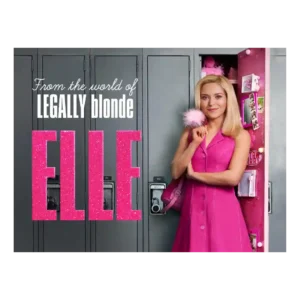
Product 1: Elle, Season 1
3.7
The performances are generally stronger than the writing. Minetree’s charm and precision draw praise, though some moments feel closer to a Reese Witherspoon echo than a fully independent take.
P2
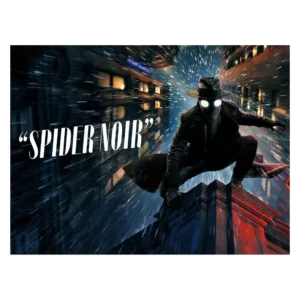
Product 2: Spider-Noir, Season 1
4.2
Cage is the center of the conversation: many reviewers love his strange, committed noir-sleuth energy, while a few find the performance too mannered or distracting. The broader acting response ranges from electric to overindulgent, but rarely indifferent.
age appropriateness
P1Product 1: Elle, Season 1
No score yet
P2
Product 2: Spider-Noir, Season 1
1.3
The show is repeatedly described as too harsh for younger superhero fans. Reviewers point to violence, adult material, and language that make it a poor fit for viewers expecting a family-friendly Spider-Man tone.
audience appeal
P1
Product 1: Elle, Season 1
2.7
Audience appeal depends heavily on tolerance for nostalgia and YA tropes. The season can suit Legally Blonde fans or teen-drama watchers, but its target audience is not always clear.
P2
Product 2: Spider-Noir, Season 1
4.0
Most positive critics think the series has real pull for Spider-Man fans, noir fans, and viewers open to an oddball comic-book experiment. The dissenters question who the show is for when the pastiche overwhelms the storytelling.
bingeability
P1
Product 1: Elle, Season 1
4.1
Bingeability is surprisingly decent for viewers who accept the soft YA tone. The season can be weekend-friendly and easy to devour, though less invested viewers may treat it as background TV.
P2
Product 2: Spider-Noir, Season 1
4.4
Several reviewers found the full-season drop easy to keep watching, calling it a sharp binge-show or noting that it held their interest across the run. Pacing complaints keep the binge appeal from being universal.
cast chemistry
P1
Product 1: Elle, Season 1
4.1
Chemistry is one of the show’s better-liked qualities. Elle’s friendships, family bond, and a few romantic pairings give the ensemble warmth when the plot feels familiar.
P2
Product 2: Spider-Noir, Season 1
3.5
Chemistry is one of the more divided areas. Some reviewers like the lived-in rapport between Cage and Morris or Cage and Li Jun Li, while others say the romantic sparks around Cat and Flint or Cat and Ben do not fully land.
CGI quality
P1Product 1: Elle, Season 1
No score yet
P2
Product 2: Spider-Noir, Season 1
3.0
CGI is a recurring caveat even in otherwise glowing reviews. Reviewers often forgive it as TV-scale effects, but several call out unpolished web-slinging, green-screen work, or color-version effects that look rougher than the rest of the design.
character consistency
P1
Product 1: Elle, Season 1
1.9
Character consistency is the central canon problem. Teenage Elle learning the same lessons before Harvard makes the original film harder to reconcile, unless this is treated as its own version of Elle.
P2
Product 2: Spider-Noir, Season 1
4.1
Reviewers who defend the show think Ben Reilly's odd, old-movie persona is built into the character rather than random affectation. That framing helps Cage's cartoonish and haunted sides feel more coherent for some viewers.
character development
P1
Product 1: Elle, Season 1
2.8
Character growth is strongest when Elle changes Seattle without losing herself and when supporting relationships mature naturally. The main drawback is that this growth can make her later movie arc feel repetitive.
P2
Product 2: Spider-Noir, Season 1
4.5
The strongest notices praise Ben and the reworked supporting characters for gaining new dimensions in this alternate world. A few negative reviews argue the characters remain stock noir types, but the positive side finds them compelling enough to carry the season.
cinematography
P1Product 1: Elle, Season 1
No score yet
P2
Product 2: Spider-Noir, Season 1
4.7
The black-and-white cinematography is one of the most consistently praised craft elements. Critics single out high-contrast lighting, shadow, low angles, and crisp noir compositions, though some prefer the color version for action or texture.
cliffhanger effectiveness
P1Product 1: Elle, Season 1
No score yet
P2
Product 2: Spider-Noir, Season 1
4.8
The season's crime-noir rhythm gets credit for strong reveals, cut-to-black endings, and twisty chapter movement. This is clearest in reviews that enjoy the show as a serial detective adventure.
continuity
P1
Product 1: Elle, Season 1
2.1
Continuity is a major sticking point. The show works best as an alternate-universe comfort watch; taken as a literal prequel, it creates plot holes and undercuts the film.
P2
Product 2: Spider-Noir, Season 1
2.5
Continuity is a small but real sticking point for viewers trying to connect this version to Spider-Verse or comic-book versions. Reviews generally accept the standalone approach, but one calls the separation a noticeable hurdle.
costume design
P1
Product 1: Elle, Season 1
3.1
Costumes are memorable but contested. Minetree’s pink wardrobe draws affection, while the 1995 grunge and teen clothes are often called anachronistic or overly broad.
P2
Product 2: Spider-Noir, Season 1
4.8
Costumes are praised for selling the period world and for working alongside sets, hair, makeup, and color choices. Reviewers especially like how the wardrobe supports both the black-and-white and full-color presentations.
critic appeal
P1
Product 1: Elle, Season 1
2.2
Critical appeal leans mixed-negative overall. Charm from the lead and a few breezy moments competes with low grades, skip recommendations, and doubts about lasting attention.
P2
Product 2: Spider-Noir, Season 1
4.2
Critical response is mostly favorable but not unanimous. Many outlets call the series fun, stylish, or one of the better recent Marvel streaming efforts, while a smaller but sharp group finds it thin, repetitive, or disappointing.
cultural representation
P1
Product 1: Elle, Season 1
3.4
Representation draws both praise and concern. The LGBTQ material and Liz’s humanity work well for some, while the handling of race, class, and alt-culture dynamics can feel shallow.
P2
Product 2: Spider-Noir, Season 1
2.4
The show receives limited, mixed credit for touching on racism and gender dynamics in its 1930s setting. Some reviewers appreciate the texture, while others feel those ideas are underexplored or too vague to add much depth.
dialogue quality
P1
Product 1: Elle, Season 1
2.3
Dialogue is a recurring weak point. Wooden exchanges, weak wordplay, and missed joke opportunities keep the show from matching the sharpness associated with Legally Blonde.
P2
Product 2: Spider-Noir, Season 1
2.8
Dialogue is highly polarized. Admirers enjoy the rat-a-tat banter and hard-boiled quips, while detractors hear clunky, phony noir imitation that cannot match the classics it references.
directing quality
P1Product 1: Elle, Season 1
No score yet
P2
Product 2: Spider-Noir, Season 1
4.4
The direction earns praise where reviewers notice confident staging, long takes, stylized action, and a full commitment to noir form. Even mixed reviews often concede that the craft team knows the look it wants.
drama quality
P1
Product 1: Elle, Season 1
2.9
Drama quality depends on the storyline. Family and friendship beats carry genuine feeling, but the love triangles and teen melodrama are often clunky, predictable, or hard to invest in.
P2
Product 2: Spider-Noir, Season 1
4.4
Reviewers who connect with the series find real drama in Ben's grief, the war-scarred villains, and the tonal balance between comedy, horror, and sadness. Negative takes argue those emotions are too surface-level to fully sting.
editing quality
P1Product 1: Elle, Season 1
No score yet
P2
Product 2: Spider-Noir, Season 1
2.6
Editing is not widely discussed, but one criticism lands on a comic-panel montage that feels out of step with the rest of the season. The concern fits broader complaints that the final stretch changes texture abruptly.
emotional impact
P1
Product 1: Elle, Season 1
4.1
The strongest emotional material comes from Elle’s optimism and her relationship with her mother. Those moments give the season warmth even when the larger prequel premise strains.
P2
Product 2: Spider-Noir, Season 1
3.0
The emotional response is split between critics who feel the show's sad spine and those who say it lacks a beating heart. The most favorable takes cite Ben's grief and the damaged villains as grounding the pulpier material.
entertainment value
P1
Product 1: Elle, Season 1
3.1
Entertainment value is sharply mixed. At its best, the season is charming, enjoyable, and easygoing; at its worst, it is boring, unnecessary, or only useful as low-pressure background viewing.
P2
Product 2: Spider-Noir, Season 1
4.3
Entertainment value is the show's biggest strength for supporters: fun, weird, stylish, and energetic. The lower scores come from critics who find the same ingredients repetitive or snoozy despite Cage's presence.
episode length
P1
Product 1: Elle, Season 1
1.8
Episode length is a common frustration. The 45- to 60-minute installments can make a light teen comedy feel padded, with several moments that would likely play better at half-hour length.
P2
Product 2: Spider-Noir, Season 1
2.8
Episode length is not a major topic, but one review notes that the roughly 40-minute episodes still drag when the writing goes stale. That suggests the runtime is manageable, yet not enough to hide pacing problems.
episode pacing
P1
Product 1: Elle, Season 1
1.9
Individual episodes often feel slower than the premise suggests. The lighter teen-comedy ideas can get weighed down by hourlong installments and repeated plot turns.
P2
Product 2: Spider-Noir, Season 1
3.4
Episode pacing varies by reviewer. Some say the mystery keeps moving or the pilot flows well, while others point to a slow start, a saggy middle, or episodes that drag despite the shorter runtime.
episode structure
P1
Product 1: Elle, Season 1
2.8
The structure works best when an episode commits to a playful teen-TV format, especially the Breakfast Club-style chapter. The late-season shape is bumpier, with twists that can feel artificial.
P2
Product 2: Spider-Noir, Season 1
3.8
The season structure works best for critics who treat it as one long noir-superhero serial. Others think the eight-episode shape is loose enough that several middle installments could be skipped.
faithfulness to source material
P1
Product 1: Elle, Season 1
3.2
Faithfulness to Elle Woods’ spirit is contested. The show understands her kindness and optimism in places, but its prequel shape can also strip force from what made the movie special.
P2
Product 2: Spider-Noir, Season 1
4.2
Faithfulness is judged more by spirit than continuity. Many appreciate how the show honors noir, comics, and Spider-Man ideas in its own sandbox, though some comic-focused viewers say it softens or changes the original Spider-Noir atmosphere.
family friendliness
P1Product 1: Elle, Season 1
No score yet
P2
Product 2: Spider-Noir, Season 1
1.3
Family friendliness is low. Reviews that focus on content warn that the show betrays expectations set by animated Spider-Verse appearances, with bloody violence, language, and sexual material pushing it away from younger households.
finale satisfaction
P1
Product 1: Elle, Season 1
3.6
The finale lands somewhere between encouraging and unnecessary. Warmer takes see a clearer teen-dramedy identity, while skeptics think the eighth episode does not add enough.
P2
Product 2: Spider-Noir, Season 1
3.9
Finale reactions are mixed. Some reviewers say the ending or conclusion satisfies, but others call the final stretch underwhelming or more standard than the build-up deserves.
franchise connection
P1
Product 1: Elle, Season 1
2.1
The franchise connection is both the hook and the problem. Nods to Legally Blonde can be charming, but constant callbacks, a repeated arc, and shaky prequel logic hurt the season.
P2
Product 2: Spider-Noir, Season 1
4.7
The franchise connection is generally treated as a strength because the show stands alone. Reviewers like that it borrows Spider-Man DNA without requiring MCU homework or Spider-Verse continuity tracking.
genre satisfaction
P1
Product 1: Elle, Season 1
3.1
Genre satisfaction is strongest for viewers wanting a breezy teen dramedy. It is much weaker as a Legally Blonde comedy, where repeated tropes and a lack of fresh sparkle disappoint.
P2
Product 2: Spider-Noir, Season 1
4.0
Genre satisfaction drives much of the praise. Fans of the show enjoy the noir affect, detective tropes, pulp superhero energy, and old-Hollywood attitude; skeptics think the homage becomes shallow cosplay.
humor
P1
Product 1: Elle, Season 1
2.5
The humor rarely reaches Legally Blonde levels. Light comic energy and June Diane Raphael’s lines help, but the season often plays too mildly or too dramatically for a comedy.
P2
Product 2: Spider-Noir, Season 1
4.0
Humor often works when Cage's dry delivery, screwball banter, and odd physicality mesh with the mystery. Some critics find the broad comedy too sweaty or ineffective, but most positive reviews see it as part of the show's charm.
language level
P1Product 1: Elle, Season 1
No score yet
P2
Product 2: Spider-Noir, Season 1
1.4
Language is called out as part of the show's adult edge. Reviews mention stronger curse words and harsh language, especially when warning that this is not a gentle Spider-Man story for families.
lore depth
P1
Product 1: Elle, Season 1
4.0
The season can add texture to the Legally Blonde universe when it shows Elle’s privilege and the consequences of her mistakes. That thread is less prominent than the broader canon complaints.
P2
Product 2: Spider-Noir, Season 1
3.3
Lore depth is strongest when reviewers discuss the reimagined villains, alternate origins, and self-contained universe. The weakest reactions say the world-building is vague or not thoughtful enough beyond Cage and the visual hook.
main cast performance
P1
Product 1: Elle, Season 1
4.0
Lexi Minetree is the clear bright spot. Even when the season disappoints, her warmth, optimism, vocal precision, and Elle-like mannerisms often keep the show watchable.
P2
Product 2: Spider-Noir, Season 1
4.3
Cage's lead performance is the main attraction and the main fault line. Most reviews praise his Bogart-meets-Bugs-Bunny commitment, while a few argue the impression-heavy approach blocks the character's emotional center.
makeup quality
P1Product 1: Elle, Season 1
No score yet
P2
Product 2: Spider-Noir, Season 1
4.8
Makeup is rarely isolated, but when mentioned it supports the period illusion along with hair, costumes, and set design. It helps the show sell old-Hollywood style even when the artifice is visible.
pilot episode quality
P1
Product 1: Elle, Season 1
2.8
The pilot is one of the shakier entries. It starts with some promise but leans so heavily on the movie’s setup that the season has to recover its own identity later.
P2
Product 2: Spider-Noir, Season 1
4.5
The pilot and early episodes make a strong impression on several reviewers, especially for establishing the black-and-white look, Cat Hardy, and Ben's detective setup. A few later-season critiques suggest that promise is not always sustained.
plot clarity
P1
Product 1: Elle, Season 1
2.1
The school-corruption mystery, romances, and family material can crowd each other. The result is a season that sometimes feels muddy or convoluted instead of cleanly focused.
P2
Product 2: Spider-Noir, Season 1
3.9
Plot clarity is mixed. Some reviewers praise the clear motivations and grounded personal stakes, while others find the detective mystery basic, unfocused, or too convenient in the final stretch.
plot originality
P1
Product 1: Elle, Season 1
1.9
Originality is the season’s biggest weak spot. The plot often feels like a repeat of Legally Blonde or a collage of familiar teen-movie beats, even though the high-school setup has occasional charm.
P2
Product 2: Spider-Noir, Season 1
3.8
Originality is one of the sharpest divides. Supporters call the series a refreshing, unique remix of Spider-Man and noir; detractors see a familiar vigilante story dressed in period style.
plot twists
P1Product 1: Elle, Season 1
No score yet
P2
Product 2: Spider-Noir, Season 1
4.8
The show gets credit for surprise, twists, and noir-style reveals from its most enthusiastic reviewers. These moments help the crime serial feel lively even when the mystery itself is not always considered complex.
practical effects quality
P1Product 1: Elle, Season 1
No score yet
P2
Product 2: Spider-Noir, Season 1
4.8
Practical craft fares better than digital effects. One detailed review says the action, editing, costumes, practical effects, and sets look especially strong in black-and-white.
production design
P1
Product 1: Elle, Season 1
4.0
Production design gets modest but real praise for contrasting sunny LA with gray Seattle. The broader look is more often judged through the costumes, palette, and 1990s setting.
P2
Product 2: Spider-Noir, Season 1
4.7
Production design is widely admired for creating a lived-in 1930s New York full of clubs, offices, alleys, and period detail. Some critics still see soundstages or digital backdrops, but the overall craft response is positive.
realism
P1
Product 1: Elle, Season 1
2.0
Realism is frequently shaky. Anachronistic dialogue, a caricatured Seattle student body, and far-fetched plot turns make the 1995 setting feel more like costume than lived-in world.
P2
Product 2: Spider-Noir, Season 1
3.2
Realism is not the show's goal, and reviews judge that choice differently. Supporters accept the heightened artificiality as comic-book noir; critics say the visible artifice keeps the world from feeling fully lived in.
renewal interest
P1
Product 1: Elle, Season 1
4.1
Interest in more episodes is limited but real among people who bought into this version. Excitement for Season 2 centers on the relationships, while doubts remain about whether the premise can stretch further.
P2
Product 2: Spider-Noir, Season 1
4.7
Renewal interest is high among positive reviewers, several of whom explicitly want more or would watch a second season. Even some mixed takes see room for a better follow-up if the story tightens.
rewatch value
P1Product 1: Elle, Season 1
No score yet
P2
Product 2: Spider-Noir, Season 1
4.8
Rewatch value appears in the strongest fan-leaning reviews, especially from viewers who imagine revisiting the season or trying both visual formats. The rewatch appeal depends heavily on liking the show's style.
score quality
P1Product 1: Elle, Season 1
No score yet
P2
Product 2: Spider-Noir, Season 1
4.4
The score and music are mostly liked when they lean into jazz, period songs, theremin touches, or the noir atmosphere. One review complains that the music wanders away from the represented period.
screenplay quality
P1
Product 1: Elle, Season 1
2.4
The screenplay works best when Elle makes sincere mistakes and solves problems with fashion-specific smarts. At its weakest, it feels like a strained attempt to recreate the movie instead of expanding it.
P2
Product 2: Spider-Noir, Season 1
3.2
Screenplay response ranges from sharp and genre-savvy to stale and failed. The more positive reviews like how the scripts honor heightened noir reality, while negative ones fault thin pastiche and weak emotional logic.
season finale quality
P1
Product 1: Elle, Season 1
3.6
The season finale gives the show a more confident teen-dramedy shape for some viewers. Others find the last hour less necessary than the episode before it.
P2
Product 2: Spider-Noir, Season 1
4.7
Season finale quality is split. Some reviewers praise a rug-pulling finish that delivers, but others think the final episodes and climax are underwhelming or only standard superhero material.
season length
P1
Product 1: Elle, Season 1
2.1
Season length feels bloated to many skeptics, especially for a story some think would work better as a movie. The eight-episode binge is breezy only for viewers already buying into the tone.
P2
Product 2: Spider-Noir, Season 1
2.0
Season length comes up mainly as a criticism from reviewers who feel the eight-episode run is padded. The harshest view says several middle episodes could be skipped entirely.
season pacing
P1
Product 1: Elle, Season 1
3.5
The season can improve after a slow start and, for some, moves easily as a binge. For others, the storylines drag and stretch far past their natural length.
P2
Product 2: Spider-Noir, Season 1
2.9
Season pacing is uneven. Positive reviewers stay engaged through the serial mystery, but mixed and negative reviews point to a meandering middle, an unfocused setup, or too much stretch for the story.
sexual content level
P1Product 1: Elle, Season 1
No score yet
P2
Product 2: Spider-Noir, Season 1
1.5
The show includes sexual winks, suggestive asides, and a darker adult edge that family-focused viewers may find off-putting. Its mature content pushes it away from a kid-friendly Spider-Man experience.
soundtrack quality
P1
Product 1: Elle, Season 1
3.5
The soundtrack is one of the more dependable pleasures for nostalgia-minded viewers. The caveat is that some needle drops and grunge references feel too obvious or not specific enough.
P2
Product 2: Spider-Noir, Season 1
3.7
Soundtrack response is generally positive for 1930s songs, jazzy atmosphere, and score choices that heighten the noir mood. The one notable complaint says the music sometimes strays from the period.
special effects quality
P1Product 1: Elle, Season 1
No score yet
P2
Product 2: Spider-Noir, Season 1
3.9
Special effects are mixed but not disastrous. Some reviewers like the action, web-swinging, and color-pop powers, while others notice cheapness, artificiality, or moments where effects look less polished.
spin-off quality
P1
Product 1: Elle, Season 1
2.1
As a spin-off, Elle is often seen as unnecessary or misdirected. It works best as a separate YA show, while the Legally Blonde label creates expectations it struggles to meet.
P2
Product 2: Spider-Noir, Season 1
4.4
As a spin-off, Spider-Noir performs better than many reviewers expected. The strongest praise says it stands on its own as a stylish, entertaining alternate Spider-Man story, while skeptics still question whether the side character can sustain a full season.
story quality
P1
Product 1: Elle, Season 1
2.4
The story works best when treated as a soft teen dramedy rather than strict canon. Its sweet moments and easy watchability sit beside major complaints that it feels thin, repetitive, and sometimes pointless.
P2
Product 2: Spider-Noir, Season 1
2.8
Story quality is the broadest split: fans enjoy the personal stakes, detective frame, and pulp-superhero momentum, while detractors call it thin, predictable, dull, or too dependent on stock noir shapes.
supporting cast performance
P1
Product 1: Elle, Season 1
3.7
The supporting cast is uneven but valuable. June Diane Raphael gets the steadiest praise, Gabrielle Policano stands out, and the ensemble often works better than the material around it.
P2
Product 2: Spider-Noir, Season 1
4.5
The supporting cast is frequently praised, especially Lamorne Morris, Li Jun Li, Karen Rodriguez, Brendan Gleeson, Jack Huston, and Abraham Popoola. Even mixed reviews often say the ensemble helps keep the show watchable.
suspense
P1
Product 1: Elle, Season 1
2.9
The mystery material is divisive. The school-embezzlement and Scooby-gang elements add momentum for some, while others find the sleuthing lazy or distracting.
P2
Product 2: Spider-Noir, Season 1
4.2
Suspense comes from the crime investigation, betrayals, dangerous mob world, and superpowered mystery. Reviewers who like the show describe danger and intrigue, while others say the detective side is too basic to become truly tense.
theme depth
P1
Product 1: Elle, Season 1
2.5
Theme depth is mixed. The show clearly celebrates kindness, confidence, and feminine self-expression, but those ideas can feel less fresh or less nuanced than they did in the original film.
P2
Product 2: Spider-Noir, Season 1
3.1
Theme depth is uneven. The show gestures toward grief, responsibility, duality, racism, gender, and war trauma, but critics split on whether those themes become meaningful or remain stylish decoration.
violence level
P1Product 1: Elle, Season 1
No score yet
P2
Product 2: Spider-Noir, Season 1
1.9
Violence is consistently described as stronger and bloodier than a family Spider-Man audience might expect. Reviews mention brutal gangster violence, torture, blood, and a TV-14 edge.
visual style
P1
Product 1: Elle, Season 1
3.1
The visual style makes the pink-against-gray contrast easy to read. Some like the bold palette shift, while others find the Seattle look drab, sludgy, or not vibrant enough.
P2
Product 2: Spider-Noir, Season 1
4.2
Visual style is the most consistently praised craft area. Reviewers love the black-and-white noir look, shadowy lighting, period styling, and bold color option, though some find the color version more artificial.
world-building
P1
Product 1: Elle, Season 1
2.9
World-building is one of the show’s most debated choices. The Seattle grunge setting can be fun and distinctive, but the school and city often feel flattened into flannel-heavy stereotypes.
P2
Product 2: Spider-Noir, Season 1
4.6
World-building works best as a stylized alternate 1930s New York populated by familiar Spider-Man figures in new pulp forms. Some critics want deeper social texture, but many enjoy the lived-in comic-noir sandbox.
writing quality
P1
Product 1: Elle, Season 1
2.0
Writing quality drags down much of the package. The scripts can feel tropey, surface-level, or overstuffed, even when individual jokes and teen-drama beats are serviceable.
P2
Product 2: Spider-Noir, Season 1
3.5
Writing quality is mixed-positive overall. Admirers like the sharp banter, humor, and genre control; harsher critics hear cliché, thinness, and imitation where the show wants hard-boiled snap.