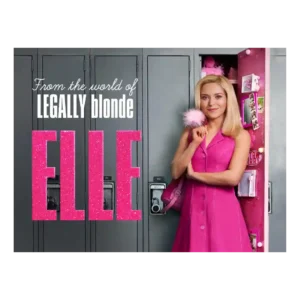
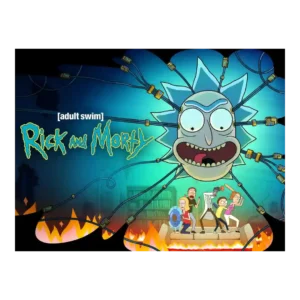
Compare Elle, Season 1 vs Rick and Morty, Season 9

P1 Elle, Season 1
P2 Rick and Morty, Season 9

Comparison Takeaways

Elle, Season 1

Where It Has the Edge

  • supporting cast performance is 3.7 vs 3.2. The supporting cast is uneven but valuable. June Diane Raphael gets the steadiest praise, Gabrielle Policano stands out,...
  • production design is rated 4.0 while the other product has no score yet. Production design gets modest but real praise for contrasting sunny LA with gray Seattle. The broader look is...

Rick and Morty, Season 9

Where It Has the Edge

  • episode length is 4.7 vs 1.8. The short episode length is framed as a virtue because the big sci-fi ideas wrap in 30 minutes...
  • critic appeal is 5.0 vs 2.2. External reception is extremely strong, driven by perfect or near-record Rotten Tomatoes mentions and repeated high-point framing. The...
  • plot originality is 4.6 vs 1.9. Season 9 feels fresh thanks to inventive sci-fi concepts, new premises, and ideas that still have room to...
  • season length is 4.8 vs 2.1. The season length works because there is little sense of filler across the ten episodes. The limited run...
Average score
Product 1: Elle, Season 1
2.9
Product 2: Rick and Morty, Season 9
4.2
acting quality
Product 1: Elle, Season 1
3.7

The performances are generally stronger than the writing. Minetree’s charm and precision draw praise, though some moments feel closer to a Reese Witherspoon echo than a fully independent take.

Product 2: Rick and Morty, Season 9
4.6

The new voice era feels settled and capable. The cast comes across as strong, seamless, and able to carry both comedy and serialized drama.

age appropriateness
Product 1: Elle, Season 1
No score yet
Product 2: Rick and Morty, Season 9
2.0

The season’s audience fit skews older and less easily offended. Its adult jokes, darkness, and mature themes make it a poor match for sensitive or younger viewers.

animation quality
Product 1: Elle, Season 1
No score yet
Product 2: Rick and Morty, Season 9
4.6

Animation is one of the strongest consensus points. The season is called top-notch, smoother than ever, stunning, and unusually strong for Adult Swim animation.

audience appeal
Product 1: Elle, Season 1
2.7

Audience appeal depends heavily on tolerance for nostalgia and YA tropes. The season can suit Legally Blonde fans or teen-drama watchers, but its target audience is not always clear.

Product 2: Rick and Morty, Season 9
4.5

Audience appeal is broad for existing fans and returning viewers, with praise for comeback energy and a strong Rotten Tomatoes audience score. The main limitation is that the show still expects tolerance for dark adult comedy.

bingeability
Product 1: Elle, Season 1
4.1

Bingeability is surprisingly decent for viewers who accept the soft YA tone. The season can be weekend-friendly and easy to devour, though less invested viewers may treat it as background TV.

Product 2: Rick and Morty, Season 9
4.4

Bingeability comes through in the season’s density and momentum. One full-season watch left the show feeling easy to keep going with and strongly worth recommending.

cast chemistry
Product 1: Elle, Season 1
4.1

Chemistry is one of the show’s better-liked qualities. Elle’s friendships, family bond, and a few romantic pairings give the ensemble warmth when the plot feels familiar.

Product 2: Rick and Morty, Season 9
4.5

Rick and Evil Morty’s dynamic draws attention for its rhythm and tension. Their chemistry is framed as a major reason the premiere’s conflict and character study work.

character consistency
Product 1: Elle, Season 1
1.9

Character consistency is the central canon problem. Teenage Elle learning the same lessons before Harvard makes the original film harder to reconcile, unless this is treated as its own version of Elle.

Product 2: Rick and Morty, Season 9
3.6

Character consistency is mixed. Some responses say the season feels like classic Rick and Morty with more confidence, while others argue Evil Morty’s portrayal works against his established motivation.

character development
Product 1: Elle, Season 1
2.8

Character growth is strongest when Elle changes Seattle without losing herself and when supporting relationships mature naturally. The main drawback is that this growth can make her later movie arc feel repetitive.

Product 2: Rick and Morty, Season 9
4.2

Character work is one of the season’s biggest strengths, especially for Morty, Evil Morty, and the evolving Smith family. The main caveat is that Rick’s introspection can feel familiar and not always like real growth.

cliffhanger effectiveness
Product 1: Elle, Season 1
No score yet
Product 2: Rick and Morty, Season 9
4.3

Cliffhanger-style setup is strongest around Evil Morty and time prison. The ending is read as a meaningful setup rather than a closed door.

continuity
Product 1: Elle, Season 1
2.1

Continuity is a major sticking point. The show works best as an alternate-universe comfort watch; taken as a literal prequel, it creates plot holes and undercuts the film.

Product 2: Rick and Morty, Season 9
4.6

Continuity is one of Season 9’s defining strengths. Callbacks, payoffs, and a cohesive spine sit alongside mostly episodic adventures.

costume design
Product 1: Elle, Season 1
3.1

Costumes are memorable but contested. Minetree’s pink wardrobe draws affection, while the 1995 grunge and teen clothes are often called anachronistic or overly broad.

Product 2: Rick and Morty, Season 9
No score yet
critic appeal
Product 1: Elle, Season 1
2.2

Critical appeal leans mixed-negative overall. Charm from the lead and a few breezy moments competes with low grades, skip recommendations, and doubts about lasting attention.

Product 2: Rick and Morty, Season 9
5.0

External reception is extremely strong, driven by perfect or near-record Rotten Tomatoes mentions and repeated high-point framing. The season reads as one of the best-rated runs of the series.

cultural representation
Product 1: Elle, Season 1
3.4

Representation draws both praise and concern. The LGBTQ material and Liz’s humanity work well for some, while the handling of race, class, and alt-culture dynamics can feel shallow.

Product 2: Rick and Morty, Season 9
No score yet
dialogue quality
Product 1: Elle, Season 1
2.3

Dialogue is a recurring weak point. Wooden exchanges, weak wordplay, and missed joke opportunities keep the show from matching the sharpness associated with Legally Blonde.

Product 2: Rick and Morty, Season 9
4.5

Dialogue is praised when it turns small domestic details, like the Smith family pool, into running comedy. The season’s talky bits work best when everyday details collide with sci-fi stakes.

drama quality
Product 1: Elle, Season 1
2.9

Drama quality depends on the storyline. Family and friendship beats carry genuine feeling, but the love triangles and teen melodrama are often clunky, predictable, or hard to invest in.

Product 2: Rick and Morty, Season 9
3.9

The season leans into darker drama, existential torment, and even heroic moments. Some viewers like the grim edge, while one reaction notes the darkness can feel intense when played for jokes.

emotional impact
Product 1: Elle, Season 1
4.1

The strongest emotional material comes from Elle’s optimism and her relationship with her mother. Those moments give the season warmth even when the larger prequel premise strains.

Product 2: Rick and Morty, Season 9
4.4

The emotional impact lands most clearly in Morty and Evil Morty material. The strongest moments turn growth, jealousy, anger, and vulnerability into more than standard sci-fi chaos.

entertainment value
Product 1: Elle, Season 1
3.1

Entertainment value is sharply mixed. At its best, the season is charming, enjoyable, and easygoing; at its worst, it is boring, unnecessary, or only useful as low-pressure background viewing.

Product 2: Rick and Morty, Season 9
4.7

Entertainment value is very high overall, with the season coming across as hilarious, creative, immersive, and among the best in years. The weaker notes are mostly about pacing or isolated jokes rather than overall enjoyment.

episode length
Product 1: Elle, Season 1
1.8

Episode length is a common frustration. The 45- to 60-minute installments can make a light teen comedy feel padded, with several moments that would likely play better at half-hour length.

Product 2: Rick and Morty, Season 9
4.7

The short episode length is framed as a virtue because the big sci-fi ideas wrap in 30 minutes or less. The format keeps the chaos compact rather than bloated.

episode pacing
Product 1: Elle, Season 1
1.9

Individual episodes often feel slower than the premise suggests. The lighter teen-comedy ideas can get weighed down by hourlong installments and repeated plot turns.

Product 2: Rick and Morty, Season 9
3.8

Episode pacing is a clear tradeoff: rapid movement, slower breathers, and occasional loose or jarring moments all show up. The rhythm is not uniformly tight, but it often serves the mood.

episode structure
Product 1: Elle, Season 1
2.8

The structure works best when an episode commits to a playful teen-TV format, especially the Breakfast Club-style chapter. The late-season shape is bumpier, with twists that can feel artificial.

Product 2: Rick and Morty, Season 9
4.5

Episodes avoid filler, link cleanly, and keep action climaxes from feeling repetitive. The season stays mostly episodic while adding a stronger seasonal spine.

faithfulness to source material
Product 1: Elle, Season 1
3.2

Faithfulness to Elle Woods’ spirit is contested. The show understands her kindness and optimism in places, but its prequel shape can also strip force from what made the movie special.

Product 2: Rick and Morty, Season 9
No score yet
family friendliness
Product 1: Elle, Season 1
No score yet
Product 2: Rick and Morty, Season 9
1.7

This is not positioned as family-friendly. The season is described as raunchy, rude, adult-oriented, and built around dark humor rather than all-ages comfort.

finale satisfaction
Product 1: Elle, Season 1
3.6

The finale lands somewhere between encouraging and unnecessary. Warmer takes see a clearer teen-dramedy identity, while skeptics think the eighth episode does not add enough.

Product 2: Rick and Morty, Season 9
No score yet
franchise connection
Product 1: Elle, Season 1
2.1

The franchise connection is both the hook and the problem. Nods to Legally Blonde can be charming, but constant callbacks, a repeated arc, and shaky prequel logic hurt the season.

Product 2: Rick and Morty, Season 9
4.8

The season connects strongly to the franchise’s broader arc, with records against previous seasons and callbacks to earlier lore. Its reception is framed as a rebound from Seasons 7 and 8.

genre satisfaction
Product 1: Elle, Season 1
3.1

Genre satisfaction is strongest for viewers wanting a breezy teen dramedy. It is much weaker as a Legally Blonde comedy, where repeated tropes and a lack of fresh sparkle disappoint.

Product 2: Rick and Morty, Season 9
4.8

As sci-fi comedy and adult animation, the season lands very well. Its blend of comedy, family dysfunction, fantasy, and high-concept sci-fi is a major reason it feels fresh.

humor
Product 1: Elle, Season 1
2.5

The humor rarely reaches Legally Blonde levels. Light comic energy and June Diane Raphael’s lines help, but the season often plays too mildly or too dramatically for a comedy.

Product 2: Rick and Morty, Season 9
4.1

Humor remains a core strength, from scabrous jokes to dark comedy and refined punchlines. A few reactions flag individual jokes or the premiere as less laugh-heavy, so the comedy is strong but not flawless.

language level
Product 1: Elle, Season 1
No score yet
Product 2: Rick and Morty, Season 9
4.5

Language and crudeness are high. The season is explicitly described as more foul-mouthed, with bad taste and dirty jokes, while still making that voice feel affectionate and imaginative.

lore depth
Product 1: Elle, Season 1
4.0

The season can add texture to the Legally Blonde universe when it shows Elle’s privilege and the consequences of her mistakes. That thread is less prominent than the broader canon complaints.

Product 2: Rick and Morty, Season 9
4.5

Lore-heavy material performs well, especially around Evil Morty, the Central Finite Curve, Rick Prime, and long-running callbacks. The season gives fans fresh reasons to care about serialized mythology.

main cast performance
Product 1: Elle, Season 1
4.0

Lexi Minetree is the clear bright spot. Even when the season disappoints, her warmth, optimism, vocal precision, and Elle-like mannerisms often keep the show watchable.

Product 2: Rick and Morty, Season 9
4.6

Ian Cardoni and Harry Belden are repeatedly praised for settling into Rick and Morty. Belden’s dual work as Morty and Evil Morty stands out as a specific strength.

pilot episode quality
Product 1: Elle, Season 1
2.8

The pilot is one of the shakier entries. It starts with some promise but leans so heavily on the movie’s setup that the season has to recover its own identity later.

Product 2: Rick and Morty, Season 9
4.3

The season premiere is a strong opener, especially for Evil Morty material, big action, and spectacle. Its main weakness is that Evil Morty’s characterization can make the central conflict feel less convincing.

plot clarity
Product 1: Elle, Season 1
2.1

The school-corruption mystery, romances, and family material can crowd each other. The result is a season that sometimes feels muddy or convoluted instead of cleanly focused.

Product 2: Rick and Morty, Season 9
4.2

The premiere is described as smoother and more streamlined, with plot points that feel easier to follow. That clarity supports the sense that the newer season is maturing without losing momentum.

plot originality
Product 1: Elle, Season 1
1.9

Originality is the season’s biggest weak spot. The plot often feels like a repeat of Legally Blonde or a collage of familiar teen-movie beats, even though the high-school setup has occasional charm.

Product 2: Rick and Morty, Season 9
4.6

Season 9 feels fresh thanks to inventive sci-fi concepts, new premises, and ideas that still have room to surprise after nine seasons. Villains, callbacks, and high-concept setups keep the show from feeling spent.

plot twists
Product 1: Elle, Season 1
No score yet
Product 2: Rick and Morty, Season 9
4.4

Plot twists work best when they reshape Evil Morty, Good Morty, or larger series stakes. The season’s consequential turns give the mythology more weight than simple weirdness.

production design
Product 1: Elle, Season 1
4.0

Production design gets modest but real praise for contrasting sunny LA with gray Seattle. The broader look is more often judged through the costumes, palette, and 1990s setting.

Product 2: Rick and Morty, Season 9
No score yet
realism
Product 1: Elle, Season 1
2.0

Realism is frequently shaky. Anachronistic dialogue, a caricatured Seattle student body, and far-fetched plot turns make the 1995 setting feel more like costume than lived-in world.

Product 2: Rick and Morty, Season 9
4.0

Even with outrageous science fiction, the show is praised for making wild ideas feel believable inside its own universe. The fast pace and internal logic help sell the absurdity.

renewal interest
Product 1: Elle, Season 1
4.1

Interest in more episodes is limited but real among people who bought into this version. Excitement for Season 2 centers on the relationships, while doubts remain about whether the premise can stretch further.

Product 2: Rick and Morty, Season 9
4.6

Renewal interest is strong: the show has gas left, points toward a promising future, and gives lapsed fans a reason to return. Season 9 makes the long-running series feel alive again.

screenplay quality
Product 1: Elle, Season 1
2.4

The screenplay works best when Elle makes sincere mistakes and solves problems with fashion-specific smarts. At its weakest, it feels like a strained attempt to recreate the movie instead of expanding it.

Product 2: Rick and Morty, Season 9
4.5

The screenplay is credited with precise storytelling and top-tier serialized development. It keeps the show smart and propulsive even when the humor or character choices draw mixed responses.

season finale quality
Product 1: Elle, Season 1
3.6

The season finale gives the show a more confident teen-dramedy shape for some viewers. Others find the last hour less necessary than the episode before it.

Product 2: Rick and Morty, Season 9
No score yet
season length
Product 1: Elle, Season 1
2.1

Season length feels bloated to many skeptics, especially for a story some think would work better as a movie. The eight-episode binge is breezy only for viewers already buying into the tone.

Product 2: Rick and Morty, Season 9
4.8

The season length works because there is little sense of filler across the ten episodes. The limited run feels packed with strong installments rather than padded out.

season pacing
Product 1: Elle, Season 1
3.5

The season can improve after a slow start and, for some, moves easily as a binge. For others, the storylines drag and stretch far past their natural length.

Product 2: Rick and Morty, Season 9
4.3

Season pacing is mostly praised for feeling more cohesive than past seasons and more deliberate than usual. The tradeoff is that the slower rhythm will not land for everyone.

sexual content level
Product 1: Elle, Season 1
No score yet
Product 2: Rick and Morty, Season 9
4.2

Sexual content appears toned down compared with some earlier low points. The lack of huge sexual-exploit or incest-focused episodes is treated as a welcome improvement.

soundtrack quality
Product 1: Elle, Season 1
3.5

The soundtrack is one of the more dependable pleasures for nostalgia-minded viewers. The caveat is that some needle drops and grunge references feel too obvious or not specific enough.

Product 2: Rick and Morty, Season 9
No score yet
special effects quality
Product 1: Elle, Season 1
No score yet
Product 2: Rick and Morty, Season 9
4.6

Action spectacle is treated as a standout, especially the premiere’s fight sequences. The animated set pieces feel large, varied, and more ambitious than routine TV action.

spin-off quality
Product 1: Elle, Season 1
2.1

As a spin-off, Elle is often seen as unnecessary or misdirected. It works best as a separate YA show, while the Legally Blonde label creates expectations it struggles to meet.

Product 2: Rick and Morty, Season 9
No score yet
story quality
Product 1: Elle, Season 1
2.4

The story works best when treated as a soft teen dramedy rather than strict canon. Its sweet moments and easy watchability sit beside major complaints that it feels thin, repetitive, and sometimes pointless.

Product 2: Rick and Morty, Season 9
3.3

The stories are generally entertaining and precise, though the premiere’s Evil Morty conflict can feel hollow. Standalone adventures still carry enough interest and humor to work.

supporting cast performance
Product 1: Elle, Season 1
3.7

The supporting cast is uneven but valuable. June Diane Raphael gets the steadiest praise, Gabrielle Policano stands out, and the ensemble often works better than the material around it.

Product 2: Rick and Morty, Season 9
3.2

Supporting characters are a split point. The Smith family evolution can be fun, but Summer, Beth, Space Beth, and parts of the broader supporting cast do not always get as much focus as expected.

suspense
Product 1: Elle, Season 1
2.9

The mystery material is divisive. The school-embezzlement and Scooby-gang elements add momentum for some, while others find the sleuthing lazy or distracting.

Product 2: Rick and Morty, Season 9
4.3

The premiere’s suspense comes from a multiverse-level threat that feels large enough to challenge Rick and Evil Morty. That scale makes the episode feel more urgent than a routine adventure.

theme depth
Product 1: Elle, Season 1
2.5

Theme depth is mixed. The show clearly celebrates kindness, confidence, and feminine self-expression, but those ideas can feel less fresh or less nuanced than they did in the original film.

Product 2: Rick and Morty, Season 9
4.2

Theme depth is unusually prominent, with mental health, maturity, moral questions, and Rick’s darkness shaping the season. The darker focus is compelling, though sometimes heavy.

violence level
Product 1: Elle, Season 1
No score yet
Product 2: Rick and Morty, Season 9
3.7

Violence and cruelty are present as part of the dark comic tone, from brutal nature lessons to Rick’s mass harm being called out. The intensity is treated as part of the show’s edge.

visual style
Product 1: Elle, Season 1
3.1

The visual style makes the pink-against-gray contrast easy to read. Some like the bold palette shift, while others find the Seattle look drab, sludgy, or not vibrant enough.

Product 2: Rick and Morty, Season 9
4.6

The visual style is praised for scope, spectacle, smoothness, and distinct simplicity. Episode 7’s life-cycle sequence and the premiere’s scale are singled out as memorable visual moments.

world-building
Product 1: Elle, Season 1
2.9

World-building is one of the show’s most debated choices. The Seattle grunge setting can be fun and distinctive, but the school and city often feel flattened into flannel-heavy stereotypes.

Product 2: Rick and Morty, Season 9
4.5

World-building is praised for its multiverse threats, science concepts, and wild ecosystems. The season still feels able to stretch the show’s universe without losing internal logic.

writing quality
Product 1: Elle, Season 1
2.0

Writing quality drags down much of the package. The scripts can feel tropey, surface-level, or overstuffed, even when individual jokes and teen-drama beats are serviceable.

Product 2: Rick and Morty, Season 9
4.3

Writing quality trends positive, with praise for less pretentious plotting, brilliant execution, and smart serialized development. The scripts are strongest when balancing character work with inventive sci-fi chaos.