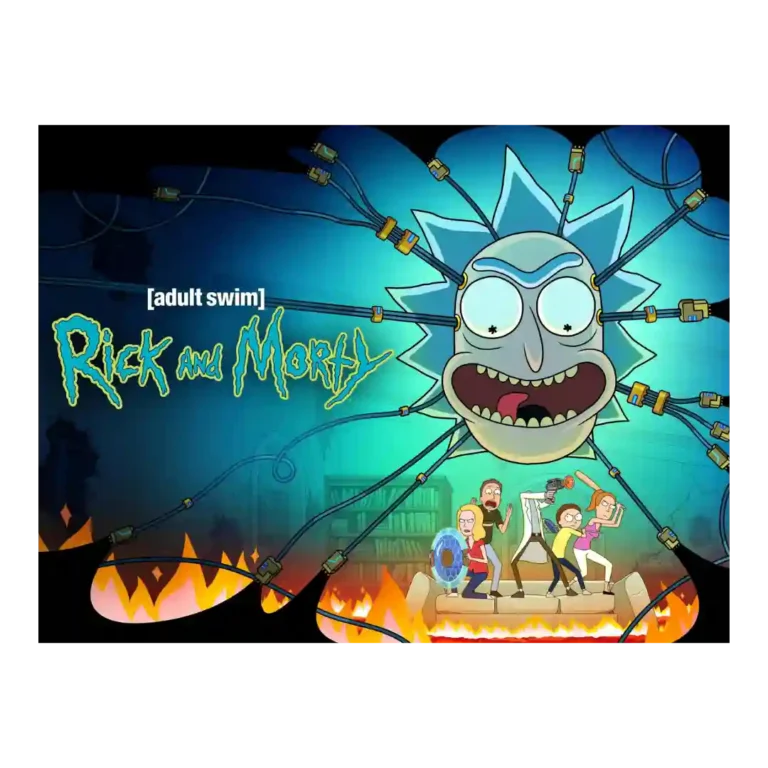
Choose Rick and Morty Season 9 for sharp sci-fi chaos, smoother animation, and richer lore. Skip it if uneven pacing, dark jokes, or reduced side-cast focus will sour the fun.
Best for
Best for existing or lapsed Rick and Morty fans who want inventive sci-fi, Evil Morty lore, smoother animation, and darker character work. It also suits viewers who like adult animation with fast pivots from absurd comedy to serialized stakes.
Not for
Not for viewers who want a family-friendly cartoon, a lighter tone, or equal focus on every Smith family member. The season’s profanity, dark jokes, and occasional pacing bumps are part of the package.
Verdict
Rick and Morty Season 9 comes across as a strong rebound: critics praise its smoother animation, inventive sci-fi premises, sharper humor, and renewed confidence with Evil Morty, the Smith family, and long-running lore. The season is often framed as one of the best in years, with enough continuity and character work to reward longtime fans while keeping the episodic chaos intact. The tradeoff is that the Rick-focused thematic spine can sideline supporting characters, some pacing and jokes feel uneven, and the adult darkness is not for sensitive viewers.
Compared in Reviews
Products reviewers directly compared with this model, grouped into quick takeaways.
Family Guy
Compared: adult animation landscapeThe review compares the season’s show to major adult-animation mainstays and frames it as competitive.
Season 7
Worse: Rotten Tomatoes critic scoreSeason 9 is described as far above Season 7’s weaker Rotten Tomatoes score.
Season 8
Worse: Rotten Tomatoes critic scoreSeason 9 is described as rating ahead of Season 8 on Rotten Tomatoes.
External reception is extremely strong, driven by perfect or near-record Rotten Tomatoes mentions and repeated high-point framing. The season reads as one of the best-rated runs of the series.
As sci-fi comedy and adult animation, the season lands very well. Its blend of comedy, family dysfunction, fantasy, and high-concept sci-fi is a major reason it feels fresh.
The season length works because there is little sense of filler across the ten episodes. The limited run feels packed with strong installments rather than padded out.
The season connects strongly to the franchise’s broader arc, with records against previous seasons and callbacks to earlier lore. Its reception is framed as a rebound from Seasons 7 and 8.
The short episode length is framed as a virtue because the big sci-fi ideas wrap in 30 minutes or less. The format keeps the chaos compact rather than bloated.
Entertainment value is very high overall, with the season coming across as hilarious, creative, immersive, and among the best in years. The weaker notes are mostly about pacing or isolated jokes rather than overall enjoyment.
Animation is one of the strongest consensus points. The season is called top-notch, smoother than ever, stunning, and unusually strong for Adult Swim animation.
Season 9 feels fresh thanks to inventive sci-fi concepts, new premises, and ideas that still have room to surprise after nine seasons. Villains, callbacks, and high-concept setups keep the show from feeling spent.
Ian Cardoni and Harry Belden are repeatedly praised for settling into Rick and Morty. Belden’s dual work as Morty and Evil Morty stands out as a specific strength.
Renewal interest is strong: the show has gas left, points toward a promising future, and gives lapsed fans a reason to return. Season 9 makes the long-running series feel alive again.
The visual style is praised for scope, spectacle, smoothness, and distinct simplicity. Episode 7’s life-cycle sequence and the premiere’s scale are singled out as memorable visual moments.
Action spectacle is treated as a standout, especially the premiere’s fight sequences. The animated set pieces feel large, varied, and more ambitious than routine TV action.
Lore-heavy material performs well, especially around Evil Morty, the Central Finite Curve, Rick Prime, and long-running callbacks. The season gives fans fresh reasons to care about serialized mythology.
Audience appeal is broad for existing fans and returning viewers, with praise for comeback energy and a strong Rotten Tomatoes audience score. The main limitation is that the show still expects tolerance for dark adult comedy.
The screenplay is credited with precise storytelling and top-tier serialized development. It keeps the show smart and propulsive even when the humor or character choices draw mixed responses.
Rick and Evil Morty’s dynamic draws attention for its rhythm and tension. Their chemistry is framed as a major reason the premiere’s conflict and character study work.
World-building is praised for its multiverse threats, science concepts, and wild ecosystems. The season still feels able to stretch the show’s universe without losing internal logic.
Dialogue is praised when it turns small domestic details, like the Smith family pool, into running comedy. The season’s talky bits work best when everyday details collide with sci-fi stakes.
Language and crudeness are high. The season is explicitly described as more foul-mouthed, with bad taste and dirty jokes, while still making that voice feel affectionate and imaginative.
Episodes avoid filler, link cleanly, and keep action climaxes from feeling repetitive. The season stays mostly episodic while adding a stronger seasonal spine.
The emotional impact lands most clearly in Morty and Evil Morty material. The strongest moments turn growth, jealousy, anger, and vulnerability into more than standard sci-fi chaos.
Bingeability comes through in the season’s density and momentum. One full-season watch left the show feeling easy to keep going with and strongly worth recommending.
Plot twists work best when they reshape Evil Morty, Good Morty, or larger series stakes. The season’s consequential turns give the mythology more weight than simple weirdness.
The season premiere is a strong opener, especially for Evil Morty material, big action, and spectacle. Its main weakness is that Evil Morty’s characterization can make the central conflict feel less convincing.
The premiere’s suspense comes from a multiverse-level threat that feels large enough to challenge Rick and Evil Morty. That scale makes the episode feel more urgent than a routine adventure.
Season pacing is mostly praised for feeling more cohesive than past seasons and more deliberate than usual. The tradeoff is that the slower rhythm will not land for everyone.
Writing quality trends positive, with praise for less pretentious plotting, brilliant execution, and smart serialized development. The scripts are strongest when balancing character work with inventive sci-fi chaos.
Character work is one of the season’s biggest strengths, especially for Morty, Evil Morty, and the evolving Smith family. The main caveat is that Rick’s introspection can feel familiar and not always like real growth.
The premiere is described as smoother and more streamlined, with plot points that feel easier to follow. That clarity supports the sense that the newer season is maturing without losing momentum.
Sexual content appears toned down compared with some earlier low points. The lack of huge sexual-exploit or incest-focused episodes is treated as a welcome improvement.
Theme depth is unusually prominent, with mental health, maturity, moral questions, and Rick’s darkness shaping the season. The darker focus is compelling, though sometimes heavy.
Humor remains a core strength, from scabrous jokes to dark comedy and refined punchlines. A few reactions flag individual jokes or the premiere as less laugh-heavy, so the comedy is strong but not flawless.
Even with outrageous science fiction, the show is praised for making wild ideas feel believable inside its own universe. The fast pace and internal logic help sell the absurdity.
The season leans into darker drama, existential torment, and even heroic moments. Some viewers like the grim edge, while one reaction notes the darkness can feel intense when played for jokes.
Episode pacing is a clear tradeoff: rapid movement, slower breathers, and occasional loose or jarring moments all show up. The rhythm is not uniformly tight, but it often serves the mood.
Violence and cruelty are present as part of the dark comic tone, from brutal nature lessons to Rick’s mass harm being called out. The intensity is treated as part of the show’s edge.
Character consistency is mixed. Some responses say the season feels like classic Rick and Morty with more confidence, while others argue Evil Morty’s portrayal works against his established motivation.
The stories are generally entertaining and precise, though the premiere’s Evil Morty conflict can feel hollow. Standalone adventures still carry enough interest and humor to work.
supporting cast performance: 3.2, based on 3 reviews
Supporting characters are a split point. The Smith family evolution can be fun, but Summer, Beth, Space Beth, and parts of the broader supporting cast do not always get as much focus as expected.
The season’s audience fit skews older and less easily offended. Its adult jokes, darkness, and mature themes make it a poor match for sensitive or younger viewers.
This is not positioned as family-friendly. The season is described as raunchy, rude, adult-oriented, and built around dark humor rather than all-ages comfort.
Compared With Category Average
Compared with other TV Shows, this product is above average in language level, season length, episode length, below average in supporting cast performance.
Summary
8 compared features
Above average0.4+ pts higher88%
7 features
Same as averagewithin 0.3 pts0%
0 features
Below average0.4+ pts lower13%
1 feature
Attribute
This product
Category average
Difference
language level
4.5
2.1
+2.4
season length
4.8
3.1
+1.7
episode length
4.7
3.0
+1.7
screenplay quality
4.5
3.0
+1.5
supporting cast performance
3.2
4.4
-1.2
critic appeal
5.0
3.8
+1.2
plot originality
4.6
3.7
+0.9
plot clarity
4.2
3.1
+1.1
FAQ
Is Season 9 considered a comeback?
Yes. Multiple critics call it the best in years, a major comeback moment, or a high point for the Adult Swim series.
How is the animation?
Animation is one of the clearest strengths, with praise for smoother visuals, spectacle, stunning sequences, and standout fight scenes.
Does the season connect to older lore?
Yes. Evil Morty, Rick Prime, the Central Finite Curve, callbacks, and broader continuity are recurring parts of the praise.
Is the season funny?
Usually, yes. Critics praise the dark humor and refined jokes, though a few reactions say some jokes linger awkwardly or the premiere is less laugh-heavy.
Are the new Rick and Morty voices working?
Yes. The new lead voice actors are described as settled into the roles, with Harry Belden’s Morty and Evil Morty work getting specific praise.
What are the main drawbacks?
The most common drawbacks are uneven pacing, reduced focus for some supporting characters, and a Rick-centered theme that can feel redundant.
Sample Expert Reviews We Analyzed
These are a few of the reviews included in our analysis.
Choose The Pitt Season 2 for a gripping, realistic medical drama with superb acting and emotional depth. Skip it if graphic procedures, unresolved arcs, or slower character-driven pacing bother you.
Choose Dark Winds Season 4 for moody noir suspense, excellent acting, and richer Native-centered themes. Skip it if uneven pacing, thin conspiracy plotting, or a stranger L.A. detour would frustrate...
Choose The Agency Season 2 for adult spy drama with superb acting, tense intrigue, and a stronger pace. Skip it if you want simple plotting, constant action, or a Fassbender-only...
Choose Silo Season 3 for revealing, ambitious sci-fi with strong performances and a rewarding finale. Skip it if slow-burn pacing, amnesia plots, or dense mystery-box storytelling test your patience.