
Louis C.K.: Ridiculous
Where It Has the Edge
- age appropriateness is 2.9 vs 2.4. The material is aimed at adults, especially older viewers who relate to aging, parents, and mortality. Younger viewers...
A large share of the reaction turns on how little the special engages with C.K.’s misconduct and return to Netflix. Some can still separate the craft from the context, but many find the avoidance hollow or evasive.
Physical performance still lands in places, especially the nonverbal waking-up routine. That kind of bodily comedy gives the set some of its clearest laugh-out-loud moments.
Acting is the most consistent strength across the reviews. McClarnon is singled out again and again, while Gordon, Matten, Potente, and the ensemble are credited with giving the season its power.
The material is aimed at adults, especially older viewers who relate to aging, parents, and mortality. Younger viewers are described as less likely to connect with the jokes.
This is adult-leaning TV, with violence and profanity outweighing the lack of sexual content. It is better suited to mature viewers than family viewing.
Audience appeal is sharply split between loyal fans who embrace the risky jokes and viewers who find the return uncomfortable. The strongest fit is an adult audience already open to C.K.’s darker, dirtier style.
Audience appeal is strongest for existing fans of Dark Winds and viewers who like atmospheric crime mysteries. The one sharp negative review suggests impatient viewers may be less forgiving.
Bingeability looks solid because one reviewer watched all eight and still found enough in each episode to sustain interest. The season’s slow-burn style may play better when the momentum can accumulate.
Chemistry is mostly praised, especially between Chee and Bern and between McClarnon and Potente. One reviewer is less convinced by Chee and Bern as an established couple, preferring their earlier slow-burn tension.
Character development is one of the clearest strengths, especially for Chee, Joe, and Bernadette. Most reviewers praise the deeper personal arcs, though one critic argues the arcs ultimately stall.
The cinematography is praised for pristine shots, haunting nighttime lighting, and visual confidence. Several critics see the season as a visual triumph as well as a character drama.
The cliffhanger is effective because it makes Season 5’s direction immediately clear while still landing as a surprise. The finale’s last murder especially gives the next chapter urgency.
Season 4 is described as connected to both earlier character arcs and the already-ordered fifth season. Reviewers note that prior relationships, trauma, and storylines continue to shape the new case.
Costume design gets a direct rave for the L.A. episodes, especially the flare pants, button-up blouses, and Chee’s styling. The clothes help sell the city-bound 1970s shift.
Critical response is mixed rather than settled. Some coverage sees awards potential and strong craft, while other criticism frames the special as tame, mediocre, or culturally troubling.
Critic appeal is broadly positive, with many reviews calling this one of the show’s best seasons. The main dissent centers on whether the season’s expansion weakens its focus.
Cultural representation is one of the season’s core appeals, especially around Native displacement, beliefs, and community responsibility. A dissenting review argues the show still could use more Diné language and cosmology.
Individual lines and punchlines are often singled out as sharp, sometimes even layered. The best bits stick with viewers, though that precision is not consistent across the whole hour.
Dialogue gets narrower but positive support through scenes where Leaphorn’s quiet monologues carry emotional weight. The season’s talkier moments work best when tied to violence, guilt, or cultural responsibility.
The staging and authorship are closely tied to C.K.’s established comic voice. The presentation fits his strengths as a writer, producer, and director.
Direction receives strong praise, especially for McClarnon’s work behind the camera and the season’s memorable visual choices. Critics call out the diner aftermath and episode two as standout examples.
The drama works through personal strain as much as the case itself. Joe and Emma, Chee and Bern, and the pressure on the police trio give the season a heavier emotional charge.
The special carries a strong mood, whether viewers experience it as poignant sadness or infectious misery. Aging, mortality, and family decline give it more emotional weight than a simple shock-comedy hour.
The season has strong emotional pull, especially in Joe’s regret, Chee’s ceremony, and the relationships under strain. Multiple critics describe moments as heartfelt, moving, or tear-inducing.
Entertainment value is highly conditional. Existing fans and dark-comedy viewers may find it engrossing, but several critics describe the experience as mediocre, draining, or only worth sampling in parts.
Entertainment value is high for most reviewers, who call the season thrilling, weird, pulpy, or worth streaming. Even its heavier themes are usually framed as part of an engaging crime drama.
The hour-long format works well for viewers who find it consistently entertaining, but one critique argues the set feels padded beyond its strongest 35-40 minutes. Length is mostly a problem when the shock material starts to repeat.
Pacing is one of the most divided areas: one positive take calls the flow close to perfect, while others find the hour uneven or monotonous. The stronger first-half and care-home material do not fully prevent drag for skeptics.
Episode-to-episode momentum gets a positive nod from critics who felt the show kept viewers on edge. The weekly rhythm is treated as measured rather than empty when the suspense is working.
The set works best when it builds a full extended bit, especially around aging and his father’s nursing home. Several critics still feel the whole hour lacks a satisfying overall build or leans on uneven sections.
The season’s structure divides opinion: some like the balance between personal drama and the central case, while the negative review calls the framework loose. It lands best when the character material and investigation reinforce each other.
Faithfulness to Hillerman is mixed and depends on expectations. One critic calls the show Hillerman-lite, while broader reviews treat the season as a loose adaptation that succeeds on its own terms.
This is not presented as family-friendly comedy. The special’s taboo subjects, sexual material, and deliberately offensive tone make it a poor fit for viewers who want clean boundaries.
Family friendliness is limited by the show’s crime-thriller content. One reviewer notes no sex or nudity, but also a lot of profanity and violence.
Finale satisfaction is mostly positive but deliberately unfinished. Reviewers like the relationship movement and emotional payoffs, while also noting the finale leaves threads and a major next-season hook.
The season is strongly tied to the larger series, carrying forward relationship fallout, Chee’s past, and the setup for Season 5. Reviewers generally see the franchise momentum as healthy.
As a stand-up special, reactions swing from strong return-to-form praise to blunt disappointment. Even some mixed takes concede that C.K. still has strong craft, but the hour is not universally satisfying.
As a noir mystery and Western crime drama, Season 4 satisfies most critics. It is repeatedly described as one of TV’s best or most distinctive mystery shows, despite some story caveats.
The humor is intensely polarizing: fans call it hilarious, daring, and even masterpiece-level, while detractors find it creepy, repetitive, or built too heavily on bad words. Dark jokes about aging work better for many than the repeated taboo pivots.
Humor appears in small, odd flashes rather than broad comedy. Reviewers respond to the season’s willingness to get weird, especially around Irene’s unsettling behavior.
Crude language and blue humor are central to the special’s identity. Supporters treat the profanity as part of the daring style, while critics argue too much of the energy comes from bad words themselves.
Language is a content concern for sensitive viewers. The clearest content note says there is a lot of profanity.
Navajo culture, ceremonies, ghost sickness, and folklore give the season more than a standard crime-story frame. A minority view says the adaptation still lacks enough Diné cosmology and language.
C.K.’s stage ability remains a major strength even in otherwise negative reactions. He comes across as gifted, influential, and talented enough to command attention despite the baggage around the special.
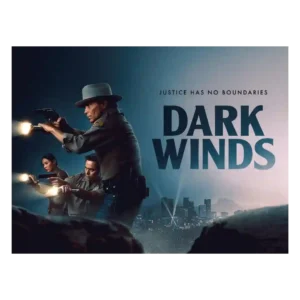
The main cast is treated as the show’s anchor. Zahn McClarnon, Kiowa Gordon, and Jessica Matten receive repeated praise for carrying the emotional and investigative sides of the season.
The premiere makes a strong first impression with its violent diner setup and eerie closing crime-scene mood. One critic notes it starts a little slow, but still says it hooks hard by the end.
Plot clarity is the main soft spot: several reviews like the ride but say the conspiracy, villain backstory, or organized-crime thread could use more focus. The harshest review calls the season loose and underdeveloped.
Reviewers repeatedly describe the season as distinctive in the TV mystery space, with the L.A. relocation and Navajo-centered noir helping it feel fresh. Even those noting familiar genre pieces tend to see the overall package as unusually specific.
Most reviews enjoy the twists, calling them earned, delightful, or part of the pulpy fun. The biggest caveat is that one critic found a key reveal too easy to predict.
Production design is a clear plus in the Los Angeles material. Reviewers praise the interiors, cars, building facades, and period details for making the 1970s setting feel lived in.
The most convincing moments come from recognizable experiences: waking up, aging bodies, elder care, and family guilt. Viewers who connect with those realities tend to find the darker jokes more meaningful.
The period setting feels convincing to reviewers who notice the cars, clothes, facades, and lived-in environments. The L.A. scenes are praised for feeling immersive rather than artificial.
Renewal interest is high: several reviews explicitly look forward to Season 5 or say the show still has plenty left. The final hook gives that interest a concrete reason.
Rewatch value depends heavily on the viewer’s starting point. Enthusiasts may want to dive further into C.K.’s catalog, while skeptics may find their attention wandering even on a second viewing.
The score is called out for a sweeping, uneasy sound that mirrors the characters’ turmoil. It contributes to the season’s haunted, noir-leaning mood.
The screenplay-level praise focuses on twists, character arcs, and the writing staff’s ability to keep the mystery moving. A few plot concerns remain, but the better reviews still find the construction satisfying.
The finale earns some of the season’s strongest praise, including a critic calling it one of the best season finales in years. The recap also presents it as a tense wrap-up that still leaves room for Season 5.
Season length is a recurring caveat because the eight-episode structure can feel less tight than earlier six-episode runs. Critics who like the season still acknowledge that the extra room can create uneven pacing.
The pacing leans slow-burn, and that works for many reviewers once the tension builds. Others say the middle stretch wanders or that the longer season creates uneven momentum.
Sexual and child-abuse-related jokes are one of the most repeated concerns. The taboo approach may work for some tolerant viewers, but many will find those bits strange, excessive, or damaging to the set’s momentum.
Sexual content appears low, with one reviewer explicitly noting no sex or nudity. Some unsettling sexual tension around Irene is discussed, but not as explicit content.
Sound is used to make scenes creepier and more ominous, from the finale’s atonal booms to the eerie diner search. Reviewers notice how it deepens dread.
The Miles Davis-style opening earns a positive nod for evoking C.K.’s earlier creative identity. Music is otherwise a minor part of the conversation.
The soundtrack is praised for well-placed songs and a period-appropriate musical mix. It supports the 1970s atmosphere without feeling like empty nostalgia.
Season 4 is widely praised as a strong, emotionally charged mystery, especially when the search for Billie and Joe’s personal reckoning drive the story. The main pushback is that a few critics find parts of the central conspiracy thin, generic, or less cohesive than earlier seasons.
The supporting cast is a major draw, led by Franka Potente’s Irene and strong turns from newer or recurring players. One dissenting review finds Irene stiff and hollow, but most critics see her as a memorable addition.
Suspense is a reliable strength, from the race to save Billie to the cat-and-mouse pressure around Irene. Reviewers describe dread, chase scenes, and episode hooks as key reasons the season keeps pulling forward.
The deepest material focuses on getting older, dying parents, care homes, and the fear of becoming a burden. Some find genuine insight there, while others think the special stops short of the self-examination it needs.
The themes are unusually central: identity, cultural displacement, assimilation, justice, memory, and family all come through the reviews. Critics appreciate that the show can educate without turning into a lecture.
Violence is prominent, including shootouts, blood, kidnappings, torture threats, and action scenes. Reviewers generally treat the intensity as part of the season’s thriller identity.
Visual presentation is not a major discussion point, though the close-up framing can feel awkward. The material and performance dominate the conversation far more than the look of the special.
The visual style is moody, eerie, and more horror-tinged than before. Neon, red police lights, desert spaces, and L.A. period texture help the season stand out.
World-building benefits from the L.A. move, the Native community center, and the 1970s setting, but not everyone thinks the expansion is fully used. The organized-crime side draws the most complaints for feeling underbuilt.
The writing ranges from polished, observational craft to material some critics call lazy or underdeveloped. Aging and elder-care bits get the most credit, while repeated shock turns weaken the overall impression.
The writing is generally praised as smart, sharp, and emotionally grounded. Positive reviews credit the scripts with keeping the noir mystery human even as the season expands in scope.