- Review score
- 4.5
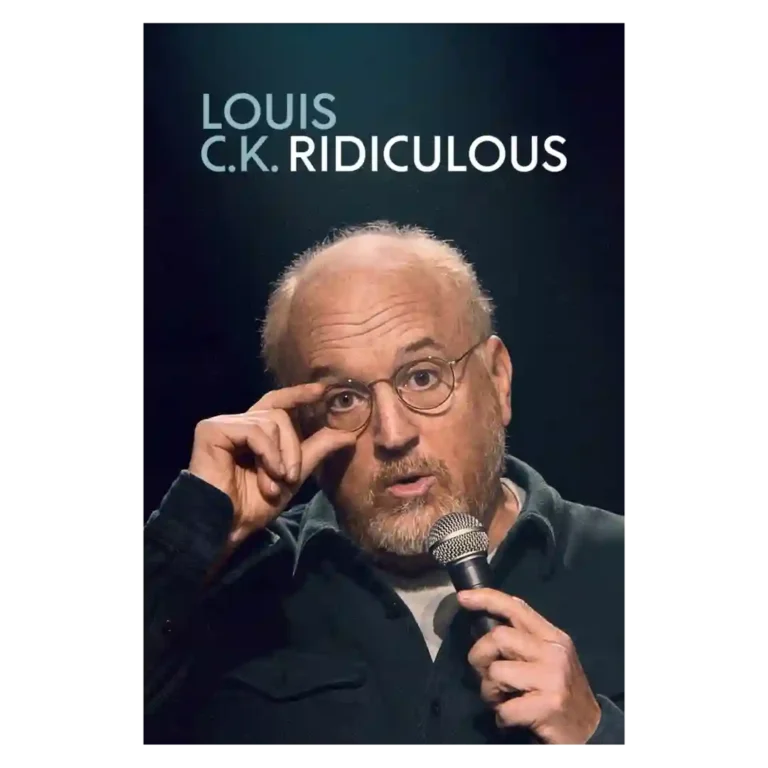
Louis C.K.: Ridiculous Review
Bottom Line
Choose Louis C.K.: Ridiculous if you want dark, adult stand-up about aging and can tolerate crude taboo jokes. Skip it if repeated sexual shock material or thin accountability will sour the laughs.
Best for adults who already like Louis C.K.’s dark, crude stand-up and want material about aging, parents, mortality, and bodily indignity. It fits viewers who can accept a messy divide between comic craft and offstage context.
Not for viewers seeking clean comedy, family viewing, or a special that seriously addresses C.K.’s misconduct. It is also a poor fit if repeated taboo jokes about sex, AIDS, and child abuse quickly become exhausting.
Louis C.K.: Ridiculous is a deeply split stand-up return: several reviewers still see a gifted performer with sharp joke construction, strong physical timing, and unusually resonant material about aging, mortality, and elder care. The best stretches are described as funny, truthful, and emotionally shaded. The tradeoff is substantial. Multiple critics find the hour uneven, padded, or dependent on crude sexual and child-abuse jokes that lose force through repetition, and many object to how little the special reckons with C.K.’s misconduct and comeback. Its appeal is real, but narrow.
Feature Scorecards
Summary
24 reviewed features- Very positive 4.5-5.0 8% 2 features
- Positive 3.5-4.4 29% 7 features
- Neutral 2.5-3.4 42% 10 features
- Negative 1.5-2.4 21% 5 features
- Very negative below 1.5 0% 0 features
Pros
-
C.K.’s stage ability remains a major strength even in otherwise negative reactions. He comes across as gifted, influential, and talented enough to command attention despite the baggage around the special.
-
Individual lines and punchlines are often singled out as sharp, sometimes even layered. The best bits stick with viewers, though that precision is not consistent across the whole hour.
-
As a stand-up special, reactions swing from strong return-to-form praise to blunt disappointment. Even some mixed takes concede that C.K. still has strong craft, but the hour is not universally satisfying.
-
The most convincing moments come from recognizable experiences: waking up, aging bodies, elder care, and family guilt. Viewers who connect with those realities tend to find the darker jokes more meaningful.
-
Physical performance still lands in places, especially the nonverbal waking-up routine. That kind of bodily comedy gives the set some of its clearest laugh-out-loud moments.
-
The staging and authorship are closely tied to C.K.’s established comic voice. The presentation fits his strengths as a writer, producer, and director.
-
The Miles Davis-style opening earns a positive nod for evoking C.K.’s earlier creative identity. Music is otherwise a minor part of the conversation.
-
The deepest material focuses on getting older, dying parents, care homes, and the fear of becoming a burden. Some find genuine insight there, while others think the special stops short of the self-examination it needs.
-
The special carries a strong mood, whether viewers experience it as poignant sadness or infectious misery. Aging, mortality, and family decline give it more emotional weight than a simple shock-comedy hour.
Cons
-
The humor is intensely polarizing: fans call it hilarious, daring, and even masterpiece-level, while detractors find it creepy, repetitive, or built too heavily on bad words. Dark jokes about aging work better for many than the repeated taboo pivots.
-
Entertainment value is highly conditional. Existing fans and dark-comedy viewers may find it engrossing, but several critics describe the experience as mediocre, draining, or only worth sampling in parts.
-
The writing ranges from polished, observational craft to material some critics call lazy or underdeveloped. Aging and elder-care bits get the most credit, while repeated shock turns weaken the overall impression.
-
The set works best when it builds a full extended bit, especially around aging and his father’s nursing home. Several critics still feel the whole hour lacks a satisfying overall build or leans on uneven sections.
-
The hour-long format works well for viewers who find it consistently entertaining, but one critique argues the set feels padded beyond its strongest 35-40 minutes. Length is mostly a problem when the shock material starts to repeat.
-
Rewatch value depends heavily on the viewer’s starting point. Enthusiasts may want to dive further into C.K.’s catalog, while skeptics may find their attention wandering even on a second viewing.
-
Audience appeal is sharply split between loyal fans who embrace the risky jokes and viewers who find the return uncomfortable. The strongest fit is an adult audience already open to C.K.’s darker, dirtier style.
-
Pacing is one of the most divided areas: one positive take calls the flow close to perfect, while others find the hour uneven or monotonous. The stronger first-half and care-home material do not fully prevent drag for skeptics.
-
The material is aimed at adults, especially older viewers who relate to aging, parents, and mortality. Younger viewers are described as less likely to connect with the jokes.
-
Critical response is mixed rather than settled. Some coverage sees awards potential and strong craft, while other criticism frames the special as tame, mediocre, or culturally troubling.
-
Sexual and child-abuse-related jokes are one of the most repeated concerns. The taboo approach may work for some tolerant viewers, but many will find those bits strange, excessive, or damaging to the set’s momentum.
-
Visual presentation is not a major discussion point, though the close-up framing can feel awkward. The material and performance dominate the conversation far more than the look of the special.
-
Crude language and blue humor are central to the special’s identity. Supporters treat the profanity as part of the daring style, while critics argue too much of the energy comes from bad words themselves.
-
This is not presented as family-friendly comedy. The special’s taboo subjects, sexual material, and deliberately offensive tone make it a poor fit for viewers who want clean boundaries.
-
A large share of the reaction turns on how little the special engages with C.K.’s misconduct and return to Netflix. Some can still separate the craft from the context, but many find the avoidance hollow or evasive.
Compared With Category Average
Compared with other TV Shows, this product is above average in dialogue quality, below average in visual style, sexual content level, audience appeal.
Summary
8 compared features- Above average 0.4+ pts higher 13% 1 feature
- Same as average within 0.3 pts 0% 0 features
- Below average 0.4+ pts lower 88% 7 features
| Attribute | This product | Category average | Difference |
|---|---|---|---|
| visual style | 2.2 | 4.1 | -1.9 |
| sexual content level | 2.3 | 3.5 | -1.1 |
| audience appeal | 3.0 | 4.1 | -1.2 |
| rewatch value | 3.1 | 4.3 | -1.2 |
| critic appeal | 2.9 | 3.9 | -1.0 |
| dialogue quality | 4.5 | 3.5 | +1.0 |
| entertainment value | 3.3 | 4.0 | -0.7 |
| humor | 3.4 | 3.9 | -0.5 |
FAQ
Is Louis C.K.: Ridiculous funny?
For some viewers, yes: several reviews praise the laughs, timing, and dark joke construction. Others find the special repetitive, creepy, or boring once the shock topics start cycling back.
What is the main subject matter?
The strongest recurring material is about aging, waking up, elderly parents, nursing homes, mortality, and bodily decline. The special also uses very crude taboo jokes.
Is it offensive?
Yes. Reviews repeatedly mention AIDS jokes, sexual material, child-abuse jokes, profanity, and other blue humor, with reactions ranging from impressed to alienated.
Does the special address Louis C.K.’s misconduct?
Multiple reviews say it does not address the misconduct directly or meaningfully. That omission is one of the biggest reasons some critics cannot enjoy the special.
Who is the best audience for it?
It is best suited to adult fans of dark stand-up, especially older viewers who relate to aging parents, mortality, and uncomfortable family responsibilities.
Is the pacing strong?
Opinions are split. One review calls the pacing close to perfect, while others describe the hour as uneven, padded, or monotonous outside the strongest care-home section.
Sample Expert Reviews We Analyzed
These are a few of the reviews included in our analysis.

Video Reviews
- Review score
- 4.0
Article Reviews
- Review score
- 2.0
- Review score
- 1.9
- Review score
- 3.0
Consider This Instead
If you want better visual style
Choose Dark Winds, Season 4. It scores 4.9 vs 2.2 for visual style, with a 4.3 overall score.
If you want better accountability handling
Choose The American Experiment, Season 1. It scores 4.3 vs 1.9 for accountability handling, with a 4.0 overall score.
If you want better audience appeal
Choose The Bear, Season 5. It scores 5.0 vs 3.0 for audience appeal, with a 4.1 overall score.
If you want better critic appeal
Choose Rick and Morty, Season 9. It scores 5.0 vs 2.9 for critic appeal, with a 4.2 overall score.
Overall Top TV Shows Alternatives
Choose The Pitt Season 2 for a gripping, realistic medical drama with superb acting and emotional depth. Skip it if graphic procedures, unresolved arcs, or slower character-driven pacing bother you.
Pros: episode structure, main cast performance
Cons: age appropriateness, plot clarity

Choose Dark Winds Season 4 for moody noir suspense, excellent acting, and richer Native-centered themes. Skip it if uneven pacing, thin conspiracy plotting, or a stranger L.A. detour would frustrate...
Pros: costume design, directing quality
Cons: family friendliness, age appropriateness
Choose The Agency Season 2 for adult spy drama with superb acting, tense intrigue, and a stronger pace. Skip it if you want simple plotting, constant action, or a Fassbender-only...
Pros: directing quality, bingeability
Cons: none
Choose Silo Season 3 for revealing, ambitious sci-fi with strong performances and a rewarding finale. Skip it if slow-burn pacing, amnesia plots, or dense mystery-box storytelling test your patience.
Pros: drama quality, finale satisfaction
Cons: character development, season pacing