Compare Night Nurse vs Passenger

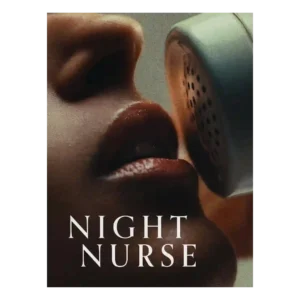
P1 Night Nurse
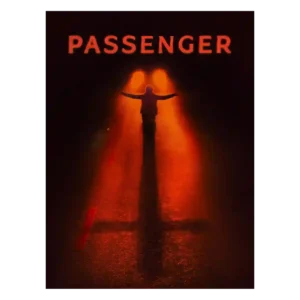
P2 Passenger

Comparison Takeaways

Night Nurse

Where It Has the Edge

  • drama quality is 5.0 vs 1.0. The strongest dramatic moments come from silence, physical behavior, and the shifting power between caregiver and patient. Paksoy’s...
  • plot originality is 5.0 vs 1.6. The phone-scam relationship and inverted caregiver-patient power dynamic give the plot a fresh foundation. Its construction is more...
  • world-building is 4.5 vs 1.8. The retirement community becomes a sealed, hypnotic world with its own logic, rituals, and atmosphere. Its artificiality draws...
  • emotional impact is 4.1 vs 1.8. The film leaves a lingering, disconcerting impression even on viewers who dislike it. Its atmosphere and performances are...

Passenger

Where It Has the Edge

  • violence level is 4.0 vs 1.5. The limited bursts of gore are vivid, surprising, and generally well received. Some reviewers wished the movie had...
  • suspense is 3.4 vs 2.4. Patient camera movement, negative space, darkness, and long takes generate real tension in the strongest scenes. Confusing rules...
  • pacing is 2.5 vs 1.9. The opening moves with precision, but the middle repeatedly loses steam and the climax arrives without enough buildup....
  • makeup quality is rated 4.0 while the other product has no score yet. The Passenger’s hollowed, decayed look can be creepy and physically threatening, especially at a distance. The design loses...
Average score
Product 1: Night Nurse
3.5
Product 2: Passenger
2.6
acting performance
Product 1: Night Nurse
4.2

The cast is one of the film’s most reliable strengths, with the central performances repeatedly praised for making sparse, difficult material compelling. A few harsher takes find the ensemble too flat to overcome the thin writing.

Product 2: Passenger
3.7

The lead performances divide opinion, but the stronger notices praise their grounded reactions, natural charm, and ability to keep a thin story watchable. Harsher takes call the acting flat or unconvincing.

action sequences
Product 1: Night Nurse
No score yet
Product 2: Passenger
3.0

The best action-oriented set pieces use the van, projector, parking lots, and road hazards inventively. The climax and limited number of kills provide much less excitement.

audience appeal
Product 1: Night Nurse
2.8

This is a deliberately niche film for viewers comfortable with slow, dreamlike, sexually uncomfortable arthouse thrillers. Its strange wavelength, age-gap dynamic, and loose logic are likely to alienate mainstream audiences.

Product 2: Passenger
2.8

Casual viewers seeking a straightforward jump-scare movie may have fun, while seasoned horror fans are much more likely to find it safe, repetitive, and disposable.

CGI quality
Product 1: Night Nurse
No score yet
Product 2: Passenger
2.0

The creature is more effective in shadow than in full view. Its sleek digital rendering is repeatedly described as unconvincing and less frightening up close.

character development
Product 1: Night Nurse
2.4

Eleni and Douglas are intriguing as opaque figures, but their motives and histories remain frustratingly thin for many viewers. The mystery feels hypnotic to some and emotionally vacant to others.

Product 2: Passenger
1.6

Tyler and Maddie are widely seen as thinly written, with backstory and relationship conflict arriving too late or too mechanically. Several critics struggled to care about their survival.

chemistry between characters
Product 1: Night Nurse
3.9

Paksoy and McKenzie create an unsettling push-pull that many critics found magnetic, tender, and hard to look away from. Others never believed the attraction, making the entire relationship feel awkward rather than seductive.

Product 2: Passenger
3.6

Many reviewers find Scipio and Llobell likable, supportive, and believable together, which helps carry the movie. Others see the pairing as bland or unconvincing.

cinematography
Product 1: Night Nurse
4.5

The close, painterly camerawork is a standout, using shadows, waxy textures, shallow focus, and intimate framing to turn the retirement community into a sensual dreamspace. Even negative reactions often admire the visual craft.

Product 2: Passenger
4.0

Night roads, parking lots, headlights, shadows, and cramped van interiors are photographed with unusual clarity and atmosphere. The visual craft is one of the film’s most consistent strengths.

costume design
Product 1: Night Nurse
4.0

The clothing keeps the nurses polished and professional instead of relying on obvious sexy-nurse clichés. The restrained wardrobe also supports the film’s sterile, timeless atmosphere.

Product 2: Passenger
No score yet
critic appeal
Product 1: Night Nurse
5.0

Its bold craft and transgressive concept give it clear awards-season and independent-film appeal, especially for critics drawn to adventurous debuts. The divisive storytelling may limit broader enthusiasm.

Product 2: Passenger
3.5

The film generated early breakout expectations, but the completed movie drew sharply divided reactions, with visual craft praised more often than the story.

dialogue quality
Product 1: Night Nurse
2.5

Sparse dialogue fits the film’s quiet, watchful mood, but it places heavy pressure on expressions and silence. For less receptive viewers, the minimal speech leaves the characters feeling underwritten rather than mysterious.

Product 2: Passenger
1.6

The dialogue is frequently criticized as clunky, unnatural, or overloaded with lore. Relationship conversations and explanations often sound more functional than human.

directing quality
Product 1: Night Nurse
4.3

Georgia Bernstein shows confident control of mood, framing, performance, and erotic unease in her feature debut. The direction is widely admired even when the screenplay’s logic and character development draw criticism.

Product 2: Passenger
4.1

André Øvredal’s command of light, timing, camera movement, and spatial tension repeatedly elevates the material. Even negative reviews tend to find his set-piece direction more accomplished than the script.

drama quality
Product 1: Night Nurse
5.0

The strongest dramatic moments come from silence, physical behavior, and the shifting power between caregiver and patient. Paksoy’s ability to hold nearly wordless scenes gives the film much of its dramatic force.

Product 2: Passenger
1.0

The relationship drama does not blend smoothly with the horror and rarely becomes emotionally involving. It often interrupts tension instead of deepening it.

editing quality
Product 1: Night Nurse
4.5

The patient, elliptical editing strengthens the dreamy intimacy and lets discomfort accumulate gradually. That same restraint can also make the film feel overly suspended and slow.

Product 2: Passenger
2.3

Individual scare timing can be sharp, but the overall rhythm is uneven. Repetitive set pieces, abrupt cuts, and stop-start transitions prevent the film from building sustained momentum.

emotional impact
Product 1: Night Nurse
4.1

The film leaves a lingering, disconcerting impression even on viewers who dislike it. Its atmosphere and performances are memorable, though the underdeveloped psychology prevents some of the final emotions from fully landing.

Product 2: Passenger
1.8

The movie creates immediate fear more successfully than lasting emotion. Thin characterization and undeveloped relationship themes keep the ordeal from carrying much weight.

ending satisfaction
Product 1: Night Nurse
2.6

The finale is the most consistent weakness, often described as rushed, partially earned, or stretched past better stopping points. A few viewers enjoy its sick humor and unsettling final turn.

Product 2: Passenger
1.8

The desert-church climax is the most consistent disappointment. Reviewers call it generic, silly, rushed, or inconsistent with the threat established earlier.

entertainment value
Product 1: Night Nurse
2.7

Reactions range from fascinated delight to boredom and outright dislike. It works best as a strange atmospheric experience, not as a conventional crime thriller with frequent plot movement.

Product 2: Passenger
3.0

A few striking scares and likable moments make the ride enjoyable for some viewers, but many find the surrounding story forgettable or dull. Enjoyment depends heavily on tolerance for familiar jump-scare horror.

genre satisfaction
Product 1: Night Nurse
3.2

As an erotic psychological thriller, it succeeds through mood, taboo power dynamics, and unease rather than sex, twists, or conventional suspense. Viewers expecting a faster or more explicit thriller may feel misled.

Product 2: Passenger
3.3

The film works best as uncomplicated B-horror with polished craft. Viewers expecting fresh mythology or a major new horror landmark are likely to be disappointed.

humor
Product 1: Night Nurse
4.2

The black comedy gives the taboo material an oddball, self-aware edge, especially around Douglas’s pajama-clad charisma and the film’s perversely romantic turns. The humor is dry and intentionally uncomfortable.

Product 2: Passenger
2.9

Small jokes, campy lines, and accidental silliness provide occasional amusement. For some viewers, its strongest comic value is as a knowingly bad group watch.

lead performance
Product 1: Night Nurse
4.4

Cemre Paksoy is widely praised for a layered, largely silent performance that makes Eleni’s surrender, obsession, and instability palpable. A minority find the repeated stares too languid to compensate for the underwritten role.

Product 2: Passenger
4.0

The leads are often praised for naturalism, charm, and grounded fear responses. Lou Llobell receives particular credit for doing strong work with underwritten material.

makeup quality
Product 1: Night Nurse
No score yet
Product 2: Passenger
4.0

The Passenger’s hollowed, decayed look can be creepy and physically threatening, especially at a distance. The design loses impact when overexposed or paired with weak digital work.

message quality
Product 1: Night Nurse
1.5

The film gestures toward ideas about caregiving, exploitation, loneliness, and the need to feel needed, but one major criticism is that these ideas remain surface-level. Its meaning is more suggestive than fully argued.

Product 2: Passenger
1.5

The relationship and religious themes remain muddled, and the implied endorsement of settling down and conforming drew strong criticism. The movie never lands a persuasive larger point.

originality
Product 1: Night Nurse
4.7

The unusual fusion of elder-care intimacy, phone scams, kink, and romantic obsession feels genuinely distinctive. Even detractors tend to acknowledge that the film takes risks few thrillers would attempt.

Product 2: Passenger
2.8

The van-life setting, projector sequence, rotating parking-lot shot, and vehicle technology provide fresh touches. The larger cursed-entity structure remains highly familiar.

pacing
Product 1: Night Nurse
1.9

The glacial slow-burn rhythm supports the hypnotic atmosphere but frequently tests patience. Several critics feel the film drifts, repeats its mood, and fails to accelerate when the story finally turns dangerous.

Product 2: Passenger
2.5

The opening moves with precision, but the middle repeatedly loses steam and the climax arrives without enough buildup. Several reviewers felt the short runtime dragged.

plot clarity
Product 1: Night Nurse
2.0

The basic scam premise is easy to understand, but character motives, logistics, and cause-and-effect are often left vague. Some embrace the dream logic, while others see major holes and unexplained leaps.

Product 2: Passenger
2.1

The basic pursuit is easy to follow, but the Passenger’s motives, rules, religious weaknesses, and hobo-code mythology remain inconsistent or overexplained in awkward bursts.

plot originality
Product 1: Night Nurse
5.0

The phone-scam relationship and inverted caregiver-patient power dynamic give the plot a fresh foundation. Its construction is more unusual than conventionally tight.

Product 2: Passenger
1.6

The road setting offers a modest twist, yet the plot follows a familiar curse-and-exposition formula almost beat for beat. Predictability is one of the most repeated complaints.

production design
Product 1: Night Nurse
4.2

Sterile rooms, uncluttered surfaces, pools, villas, and subtly anachronistic spaces create a convincing limbo outside ordinary time. The design feels ingenious and expansive for a small production, though sometimes intentionally distancing.

Product 2: Passenger
3.0

The customized van and nighttime road environments can feel convincingly lived-in and claustrophobic. Other stops and locations are criticized as drab or underused.

realism
Product 1: Night Nurse
1.4

The film makes little attempt to follow realistic nursing procedures, police logic, or workplace behavior. Enjoyment depends heavily on accepting the retirement community as a self-contained fantasy world.

Product 2: Passenger
1.7

Character reactions, decisions, and relationship conversations often feel manufactured for the plot. Several critics found the couple difficult to believe as real people.

rewatch value
Product 1: Night Nurse
2.5

The film can be hard to shake, but that does not always translate into a desire to revisit it. Some viewers remain fascinated afterward, while others explicitly never want to watch it again.

Product 2: Passenger
1.7

Most negative reviewers have little interest in returning to the full film, though a few expect its visual set pieces may gain cult appreciation on streaming.

romance quality
Product 1: Night Nurse
3.0

The Douglas-Eleni bond can feel perversely tender, sweet, and strangely heartfelt when the chemistry works. For others, the age gap and thin emotional groundwork make the romance uncomfortable or unconvincing.

Product 2: Passenger
1.7

The engaged couple has flashes of warmth and support, but the relationship conflict is thin and unevenly integrated. Some viewers buy their chemistry; others never believe the romance.

runtime
Product 1: Night Nurse
2.0

Although only 95 minutes, the slow pace makes the film feel longer for viewers who are not invested in the central relationship. Its length is frequently judged less efficient than its compact runtime suggests.

Product 2: Passenger
1.8

At roughly 94 minutes, the film is compact on paper but often feels padded. Multiple reviewers argue the premise would have worked better as a short.

scares
Product 1: Night Nurse
4.0

The film creates dread through voyeuristic framing, caregiver intimacy, and psychological unease rather than jump scares. Its strongest horror moments are quiet, nightmarish, and suggestive.

Product 2: Passenger
2.7

The opening, projector scene, and rotating parking-lot sequence earn substantial praise, and several viewers found the film gripping. The heavy reliance on predictable, loud jump scares sharply divides opinion.

score quality
Product 1: Night Nurse
4.0

The eerie jazz and spacious piano score adds elegance, decadence, and sustained tension to the dreamlike mood. One dissenting view finds it overused and enervating because its motifs vary too little.

Product 2: Passenger
4.1

Christopher Young’s score is repeatedly praised as restrained, fearsome, and effective. It supports the road-at-night atmosphere without overwhelming the strongest scenes.

screenplay quality
Product 1: Night Nurse
2.2

The script has a daring premise and rich thematic possibilities, but its skeletal plotting and missing backstory divide critics. Many feel it runs out of narrative development before the atmosphere does.

Product 2: Passenger
1.8

The screenplay is the central weakness: generic structure, thin characters, exposition dumps, inconsistent rules, and a weak finale repeatedly undercut the direction.

sexual content level
Product 1: Night Nurse
3.9

The film generates strong erotic tension with little nudity and almost no conventional sex. Its kink comes through restraint, phone cords, breath, control, and the intimacy of caregiving, which some find subversive and others deeply off-putting.

Product 2: Passenger
No score yet
sound design
Product 1: Night Nurse
4.5

Hushed voices, breath, phone-call textures, and erotic whispers make the scam sequences unusually intimate and unsettling. The sound work is one of the clearest technical strengths.

Product 2: Passenger
3.0

Silence, road noise, horns, and carefully timed impacts make the opening and several set pieces unnerving. Abrupt audio cuts and excessive loud stingers become distracting elsewhere.

soundtrack quality
Product 1: Night Nurse
4.0

The understated soundtrack complements the film’s quiet, suspended mood and is generally appreciated for its subtlety. It works more as atmosphere than as a collection of memorable themes.

Product 2: Passenger
2.2

The score and some needle drops are praised, but several song choices feel random or tonally disruptive. The music works best when it stays restrained.

special effects quality
Product 1: Night Nurse
No score yet
Product 2: Passenger
2.4

The film includes some effective makeup, gore, and surveillance-image tricks, but the demon’s digital presentation often looks ordinary, derivative, or unconvincing.

story quality
Product 1: Night Nurse
2.6

The premise is bold and the central relationship can be compelling, but the story is deliberately slight and often feels underdeveloped. Strong atmosphere and performances carry more weight than narrative progression.

Product 2: Passenger
1.8

The road-haunting premise has a strong foundation, but most reviewers find the finished narrative generic, underdeveloped, or poorly conceived. Standout scenes rarely combine into a satisfying whole.

supporting cast performance
Product 1: Night Nurse
4.4

Bruce McKenzie receives especially strong praise for balancing charm, danger, ambiguity, and vulnerability as Douglas. The wider supporting cast is generally solid, though a few critics find some roles bland or underused.

Product 2: Passenger
2.3

Melissa Leo brings authority and presence, but her exposition-heavy role is repeatedly described as wasted or underused. Other supporting performances are generally serviceable.

suspense
Product 1: Night Nurse
2.4

The best passages create thick menace and uncertainty through closeness, silence, and unstable power. Other viewers find the film too slow and underplotted to sustain genuine tension.

Product 2: Passenger
3.4

Patient camera movement, negative space, darkness, and long takes generate real tension in the strongest scenes. Confusing rules and repetitive payoffs frequently break that momentum.

theme depth
Product 1: Night Nurse
4.0

The film’s richest ideas concern the need to be needed, caregiving as power, codependency, aging, consent, and exploitation. Critics disagree on whether those ideas are deeply explored or merely seductively suggested.

Product 2: Passenger
1.8

Ideas about home, commitment, faith, rootlessness, and relationship incompatibility are present but lightly developed. The film gestures toward meaning without building an emotional or thematic engine.

tonal consistency
Product 1: Night Nurse
No score yet
Product 2: Passenger
1.6

Relationship drama, rock songs, jokes, gore, and supernatural horror often pull in different directions. Several reviewers describe the movie’s identity and rhythm as muddled.

value for money
Product 1: Night Nurse
2.0

The craft may reward committed arthouse viewers, but at least one reaction recommends waiting for streaming rather than paying for a limited theatrical showing. Its slow, divisive style makes the purchase decision audience-dependent.

Product 2: Passenger
1.0

The most negative reviewers advise waiting for streaming or skipping it entirely, describing a theatrical ticket as poor value for such familiar material.

violence level
Product 1: Night Nurse
1.5

Violence is limited, but the late escalation is criticized as upsetting and insufficiently earned. The discomfort comes more from coercion and psychological manipulation than from sustained physical brutality.

Product 2: Passenger
4.0

The limited bursts of gore are vivid, surprising, and generally well received. Some reviewers wished the movie had committed more consistently to that harsher edge.

visual style
Product 1: Night Nurse
4.2

The film’s hazy, sterile, dreamlike look is one of its defining achievements, blending sensual close-ups with claustrophobic compositions and timeless spaces. That same aesthetic can feel alienating and emotionally cold.

Product 2: Passenger
3.9

The movie’s strongest identity comes from red lights, deep shadows, projector images, rotating camera moves, and readable nighttime compositions. Even harsh reviews acknowledge striking visual ideas.

world-building
Product 1: Night Nurse
4.5

The retirement community becomes a sealed, hypnotic world with its own logic, rituals, and atmosphere. Its artificiality draws viewers in when the dream logic works, even if the outside world remains barely developed.

Product 2: Passenger
1.8

The hobo code, Saint Christopher imagery, van-life folklore, and demon rules never fully cohere. The antagonist becomes less frightening as the movie explains more while contradicting itself.