Choose Passenger for polished night-road atmosphere, likable leads, and several clever scare set pieces. Skip it if you need original plotting, developed characters, coherent monster rules, or a satisfying finale.
Best for
Best for casual horror viewers who want a fast, atmospheric road movie with frequent jump scares, likable leads, and several visually inventive sequences.
Not for
Not for viewers seeking original mythology, deep characterization, restrained scares, consistent rules, or a memorable and satisfying ending.
Verdict
Passenger is a visually polished but narratively weak road-horror ride. André Øvredal and cinematographer Federico Verardi turn parking lots, dark highways, projector light, and the cramped van into expressive sources of dread, while Jacob Scipio and Lou Llobell often supply enough warmth to keep the central couple watchable. The opening and a handful of later sequences can be genuinely tense. The problems are everything connecting those highlights: thin characterization, exposition-heavy dialogue, inconsistent supernatural rules, repetitive jump scares, and a broadly disliked church climax. Christopher Young’s score and the nighttime craft give it more personality than routine studio horror, but the script never develops its van-life premise or folklore into a convincing story. It is best approached as a disposable scare delivery system rather than a deep or original horror film.
André Øvredal’s command of light, timing, camera movement, and spatial tension repeatedly elevates the material. Even negative reviews tend to find his set-piece direction more accomplished than the script.
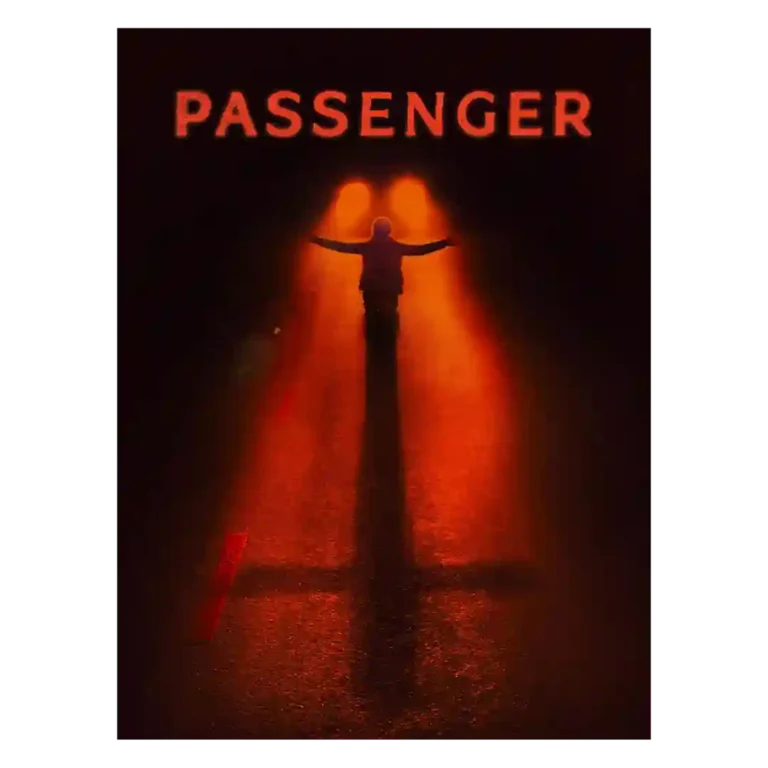
The movie’s strongest identity comes from red lights, deep shadows, projector images, rotating camera moves, and readable nighttime compositions. Even harsh reviews acknowledge striking visual ideas.
Night roads, parking lots, headlights, shadows, and cramped van interiors are photographed with unusual clarity and atmosphere. The visual craft is one of the film’s most consistent strengths.
Christopher Young’s score is repeatedly praised as restrained, fearsome, and effective. It supports the road-at-night atmosphere without overwhelming the strongest scenes.
lead performance: 4.0, 4 reviews, strong consensus
The leads are often praised for naturalism, charm, and grounded fear responses. Lou Llobell receives particular credit for doing strong work with underwritten material.
The lead performances divide opinion, but the stronger notices praise their grounded reactions, natural charm, and ability to keep a thin story watchable. Harsher takes call the acting flat or unconvincing.
character development: 1.6, 13 reviews, strong consensus
Tyler and Maddie are widely seen as thinly written, with backstory and relationship conflict arriving too late or too mechanically. Several critics struggled to care about their survival.
The road setting offers a modest twist, yet the plot follows a familiar curse-and-exposition formula almost beat for beat. Predictability is one of the most repeated complaints.
The road-haunting premise has a strong foundation, but most reviewers find the finished narrative generic, underdeveloped, or poorly conceived. Standout scenes rarely combine into a satisfying whole.
The desert-church climax is the most consistent disappointment. Reviewers call it generic, silly, rushed, or inconsistent with the threat established earlier.
The hobo code, Saint Christopher imagery, van-life folklore, and demon rules never fully cohere. The antagonist becomes less frightening as the movie explains more while contradicting itself.
The most negative reviewers advise waiting for streaming or skipping it entirely, describing a theatrical ticket as poor value for such familiar material.
André Øvredal: 3.8, 18 reviews, moderate consensus
Øvredal’s command of timing, darkness, camera movement, and spatial tension is the film’s clearest strength. Even critics who dislike the movie say his craft produces several memorable set pieces.
Verardi’s cinematography is repeatedly singled out for expressive darkness, clear geography, and menacing road imagery that never becomes visually muddy.
Llobell earns frequent praise for naturalism, likability, and carrying difficult exposition with conviction. Negative reviews blame the underwritten character more often than her performance.
Scipio is often praised for grounded reactions, charm, and supportive chemistry with Lou Llobell. A smaller group finds the character too thin or the pairing unconvincing.
Compared with other Movies, this product is above average in violence level, makeup quality, near average in directing quality, pacing, below average in drama quality, world-building, message quality.
Comparison summary
44 compared features
Above average0.4+ pts higher
2(5%)
Same as averagewithin 0.3 pts
9(20%)
Below average0.4+ pts lower
33(75%)
Largest category differences
Attribute
This product
Category average
Difference
drama quality
1.0
3.5
-2.5
world-building
1.8
3.8
-2.0
message quality
1.5
3.7
-2.2
ending satisfaction
1.8
3.5
-1.8
emotional impact
1.8
3.9
-2.1
value for money
1.0
3.0
-2.0
rewatch value
1.7
3.6
-2.0
theme depth
1.8
3.7
-1.9
Consider This Instead
If you want better drama quality
Choose Night Nurse. It scores 5.0 vs 1.0 for drama quality, with a 3.4 overall score.
Products reviewers directly compared with this model, grouped into quick takeaways.
Obsession
Worse: suspense and joltsPassenger is judged more effective than Obsession at generating suspense and genuine jolts.
The Hitcher
Better: monster menaceThe Passenger is compared with The Hitcher but considered much less frightening.
The Mandalorian and Grogu
Worse: entertainment valueThe reviewer finds Passenger substantially more entertaining than The Mandalorian and Grogu.
FAQ
Is Passenger actually scary?
The opening, projector sequence, and rotating parking-lot scene are widely praised, but the heavy use of predictable jump scares divides viewers. Experienced horror fans are much less impressed than casual audiences.
Are the lead performances good?
Jacob Scipio and Lou Llobell are often considered likable, natural, and believable together. Some critics still find the characters too thinly written for the performances to create much emotional investment.
Is the story original?
The van-life setting and several visual scare ideas feel fresh, but the cursed-entity plot, exposition structure, and final showdown are repeatedly described as formulaic.
Does the ending work?
The climax is the clearest point of disagreement only in degree: most reviewers find it generic, silly, rushed, or inconsistent with the Passenger's earlier power.
Is it worth seeing in theaters?
It may suit viewers who enjoy loud, straightforward popcorn horror and atmospheric set pieces. Those seeking deeper characters, coherent mythology, or strong value are generally advised to wait for streaming or skip it.
Sample Expert Reviews We Analyzed
These are a few of the reviews included in our analysis.
Best for a profound, formally inventive meditation on grief, memory, and the ethics of filming family. Skip it if intensely personal addiction material, a 114-minute runtime, or occasional repetition will...
Best for joyful music, rare footage, candid interviews, and a layered Maurice White portrait. Skip it if you want a tightly focused, unconventional reappraisal that lingers on performances instead of...
Best for a tender, accessible portrait that lets Oliver’s poetry, friends, and archival voice carry the experience. Skip it if you want a brisk, deeply investigative biography; the calm rhythm...
Pros: romance quality, faithfulness to source material
Best for razor-sharp adult comedy, exceptional ensemble work, and a surprisingly moving marriage story. Skip it if talk-heavy chamber pieces, explicit relationship discussions, or an occasionally intrusive string score wear...