Compare Little Brother vs Romería

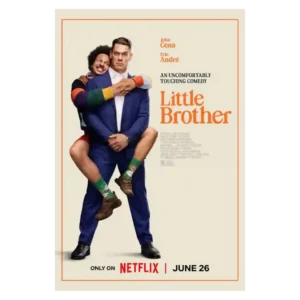
P1 Little Brother
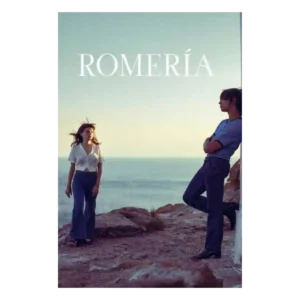
P2 Romería

Comparison Takeaways

Little Brother

Where It Has the Edge

  • character development is 3.8 vs 2.3. Marcus receives the most affecting development through his abandonment and found-family arc. Rudd’s growth works for some viewers...
  • soundtrack quality is rated 4.0 while the other product has no score yet. The use of Hoobastank’s “The Reason” creates a memorable comic and emotional beat. Music otherwise receives little attention.
  • chemistry between characters is 4.8 vs 4.5. John Cena and Eric André’s odd-couple chemistry is the movie’s most consistent strength. Their contrasting styles create energy...

Romería

Where It Has the Edge

  • value for money is 5.0 vs 1.9. For art-house audiences, the striking coastal imagery and standout dance sequence offer a theatrical experience worth seeing on...
  • lead performance is 4.9 vs 2.0. Llúcia Garcia is the clear standout, bringing warmth, restraint, curiosity, and growing resolve to Marina. Her dual role...
  • genre satisfaction is 5.0 vs 2.3. As a quiet coming-of-age family drama with autobiographical and magical-realist elements, it strongly satisfies viewers drawn to subtle...
  • originality is 4.2 vs 1.7. Its blend of observational realism, diary narration, camcorder footage, and spectral fantasy gives the familiar family-secret story a...
Average score
Product 1: Little Brother
2.7
Product 2: Romería
4.5
acting performance
Product 1: Little Brother
3.9

The cast is often stronger than the material, with several critics praising the performers’ commitment and comic skill. Negative reactions focus more on how the roles constrain that talent than on a lack of ability.

Product 2: Romería
5.0

The cast is consistently strong, with natural ensemble interplay that makes the sprawling family feel lived-in and convincing.

age appropriateness
Product 1: Little Brother
1.3

The explicit sexual jokes, nudity, and bodily-function humor make this a poor fit for children. Even viewers who enjoyed it treated it as an adults-only comedy.

Product 2: Romería
No score yet
audience appeal
Product 1: Little Brother
2.3

Its appeal is narrow and highly dependent on tolerance for crude, chaotic humor. Some found it an easy streaming watch, while others considered it disposable or actively unpleasant.

Product 2: Romería
4.0

This is best suited to viewers who enjoy patient Spanish dramas, family-history mysteries, and subtle emotional conflict rather than fast-moving plotting.

character development
Product 1: Little Brother
3.8

Marcus receives the most affecting development through his abandonment and found-family arc. Rudd’s growth works for some viewers but feels predictable or unearned to others.

Product 2: Romería
2.3

Marina’s reserve suits the story, but a few critics found her difficult to read and wished her emotional arc were more fully defined.

chemistry between characters
Product 1: Little Brother
4.8

John Cena and Eric André’s odd-couple chemistry is the movie’s most consistent strength. Their contrasting styles create energy even when the writing around them feels familiar.

Product 2: Romería
4.5

The family ensemble feels convincingly chaotic and intimate, while Marina’s connection with Nuno adds a deliberately uneasy spark.

cinematography
Product 1: Little Brother
4.0

The photography has a clean, serviceable Netflix look and avoids appearing cheap. It supports the comedy without becoming a major attraction on its own.

Product 2: Romería
4.9

The sunlit Galician coast is photographed with exceptional texture and beauty, often turning water, skin, and landscape into the film’s most immediate pleasures.

costume design
Product 1: Little Brother
No score yet
Product 2: Romería
4.0

Wardrobe choices quietly reinforce family history and identity, with clothing details serving as meaningful visual clues rather than decoration.

cultural representation
Product 1: Little Brother
No score yet
Product 2: Romería
5.0

The film thoughtfully connects one family’s wounds to Spain’s heroin and AIDS crisis, class divisions, regional identity, and lingering social stigma.

dialogue quality
Product 1: Little Brother
2.8

The dialogue sharply divides opinion: one critic enjoyed its elaborately constructed smut, while another could not identify a single funny line. Much depends on the viewer’s appetite for graphic wordplay.

Product 2: Romería
No score yet
directing quality
Product 1: Little Brother
2.6

Matt Spicer earns praise for staging individual visual gags and building certain jokes efficiently. The larger film is more often criticized for lifeless stretches and an inability to balance sweetness with abrasive chaos.

Product 2: Romería
4.8

Carla Simón handles painful autobiographical material with patience, restraint, and visual confidence. The late fantasy turn is bold, though not everyone found it fully integrated.

drama quality
Product 1: Little Brother
3.0

The sibling drama adds welcome sincerity, especially around Marcus’s abandonment. Its emotional side is less consistent than the comedy and does not always earn the intended payoff.

Product 2: Romería
4.7

The family drama is intimate, intelligent, and often gripping without relying on loud confrontations. Its controlled tone can also feel muted to viewers seeking sharper conflict.

editing quality
Product 1: Little Brother
2.0

The tightly compressed editing limits the time Cena and André spend developing their strongest comic dynamic. The movie can feel cut for efficiency rather than rhythm.

Product 2: Romería
4.3

The interwoven diary, DV footage, present-day scenes, and imagined past are often assembled with impressive flow, although one tonal transition divided opinion.

emotional impact
Product 1: Little Brother
3.3

The found-family material gives the comedy genuine warmth for some viewers, especially through Marcus. Others find the sentimental turns abrupt, shoehorned, or too underdeveloped to land.

Product 2: Romería
4.5

The search for buried family truth is frequently moving, heartbreaking, and restorative. Its quiet approach lands deeply for many, though a few found the emotions held at too much distance.

ending satisfaction
Product 1: Little Brother
2.8

The ending is warmly received when its family reconciliation connects, but several critics find it predictable, rushed, or emotionally underpowered. The final payoff rarely feels surprising.

Product 2: Romería
5.0

The closing stretch gives Marina meaningful agency and a stronger connection to her parents, with several critics highlighting the final scene as especially beautiful and rewarding.

entertainment value
Product 1: Little Brother
2.8

Reactions range from genuinely fun and laugh-out-loud to dull and barely watchable. It works best as a casual streaming comedy for viewers already receptive to its stars and extreme humor.

Product 2: Romería
4.8

Despite its contemplative pace, lively family scenes and a memorable dance sequence keep the film engaging. Its appeal depends heavily on patience for understated drama.

family friendliness
Product 1: Little Brother
1.8

Despite its family theme, the movie is packed with graphic sexual jokes, nudity, profanity, and gross-out material. It is not a comfortable all-ages or family-night choice.

Product 2: Romería
No score yet
genre satisfaction
Product 1: Little Brother
2.3

As an R-rated buddy comedy, it delivers enough chaos and irreverence for some viewers. Many others feel it misses the sharper timing and tonal control of the genre’s best examples.

Product 2: Romería
5.0

As a quiet coming-of-age family drama with autobiographical and magical-realist elements, it strongly satisfies viewers drawn to subtle European art-house storytelling.

humor
Product 1: Little Brother
2.8

The humor is the biggest dividing line: supporters enjoy the physical disasters, committed performances, and outrageous set pieces. Detractors find the same material repetitive, desperate, tasteless, or simply unfunny.

Product 2: Romería
4.0

Small family observations and recognizable personality clashes provide welcome humor without undercutting the story’s grief.

language level
Product 1: Little Brother
1.0

The dialogue is extremely explicit, with graphic references to sex, masturbation, arousal, and genitals. Viewers sensitive to crude language are unlikely to be comfortable.

Product 2: Romería
No score yet
lead performance
Product 1: Little Brother
2.0

The leads remain charismatic, but one harsh assessment finds the roles handcuff their natural comic abilities. Cena’s tightly wound straight-man part draws more criticism than André’s chaos agent.

Product 2: Romería
4.9

Llúcia Garcia is the clear standout, bringing warmth, restraint, curiosity, and growing resolve to Marina. Her dual role in the imagined past adds another layer to an impressive debut.

message quality
Product 1: Little Brother
4.3

The film’s ideas about brotherhood, second chances, inequality, and chosen family give it more substance than its premise suggests. Even positive reactions note that some of those ideas are only lightly developed.

Product 2: Romería
5.0

The film makes a resonant case that confronting painful family history can create freedom, identity, and a more honest future.

originality
Product 1: Little Brother
1.7

The movie is overwhelmingly viewed as formulaic, predictable, and assembled from familiar odd-couple comedies. Its performers and a few extreme gags provide personality, but the concept itself feels recycled.

Product 2: Romería
4.2

Its blend of observational realism, diary narration, camcorder footage, and spectral fantasy gives the familiar family-secret story a distinctive form. The final stylistic shift is daring but divisive.

pacing
Product 1: Little Brother
2.6

The opening setup and some escalating gags move briskly, but the middle often loses momentum. Several viewers describe long generic stretches or a second act that hits the brakes.

Product 2: Romería
2.6

The deliberate rhythm supports observation and emotional accumulation, but repeated diary interludes and a wandering middle caused several critics to find it slow or overextended.

plot clarity
Product 1: Little Brother
No score yet
Product 2: Romería
2.8

The large family, conflicting accounts, and shifting timelines can be difficult to track. The ending also moves quickly enough that some practical details remain unclear.

plot originality
Product 1: Little Brother
2.0

The plot follows an obvious outsider-disrupts-an-uptight-man formula with few surprises. The found-family angle adds heart, but not much novelty.

Product 2: Romería
3.5

The underlying family mystery is familiar and not especially surprising, but the film’s personal framing and visual approach give it freshness.

production design
Product 1: Little Brother
No score yet
Product 2: Romería
4.5

Small design details help distinguish generations, spaces, and parallel timelines while grounding the family’s wealth and emotional history.

realism
Product 1: Little Brother
1.9

The biggest credibility problem is how readily nearly everyone embraces Marcus while dismissing Rudd’s reasonable concerns. Several character reactions feel engineered for the formula rather than believable.

Product 2: Romería
4.0

The loose family scenes feel natural and lived-in, even if one critic found the style slightly generic before the film moves into fantasy.

rewatch value
Product 1: Little Brother
3.3

Some enthusiastic viewers expect to watch it again or consider it highly rewatchable. Others say one viewing is enough and expect the movie to be quickly forgotten.

Product 2: Romería
5.0

Its layered imagery, family details, and emotional subtext give it strong repeat-viewing appeal for admirers of slow, personal cinema.

romance quality
Product 1: Little Brother
3.3

The romantic material has a sweet core, particularly in the quieter relationship moments. The Mia-and-Marcus thread is underdeveloped and never receives enough room to fully work.

Product 2: Romería
4.5

The parents’ youthful love is presented with warmth and sensual beauty before addiction and illness darken the relationship.

runtime
Product 1: Little Brother
1.5

Negative viewers feel the comedy wears out its welcome well before the end. Repetition makes the roughly feature-length runtime feel longer than it is.

Product 2: Romería
2.5

At nearly two hours, the restrained journey can feel longer than its relatively simple administrative premise requires.

score quality
Product 1: Little Brother
2.5

The musical score is serviceable but leaves little memorable impression. It rarely stands out from the rest of the production.

Product 2: Romería
2.5

The string score adds unease, but one critic found its arch tone mismatched with Marina’s inward, passive perspective.

screenplay quality
Product 1: Little Brother
1.7

The screenplay is the most consistent weakness, repeatedly described as predictable, underwritten, low-effort, and overly reliant on crude set pieces. A few clever early ideas and heartfelt themes never fully overcome that structure.

Product 2: Romería
3.8

The screenplay is strongest when revealing family lies through small gestures and contradictory conversations. Some critics found the structure diffuse, discursive, or emotionally underfocused.

sexual content level
Product 1: Little Brother
1.8

The movie pushes graphic sexual jokes, nudity, and explicit situations far beyond typical mainstream comedy. Even some positive viewers consider the material excessive or unnecessarily gross.

Product 2: Romería
No score yet
sound design
Product 1: Little Brother
No score yet
Product 2: Romería
4.5

Careful attention to coastal ambience, household texture, and remembered sounds strengthens the film’s intimate, diary-like atmosphere.

soundtrack quality
Product 1: Little Brother
4.0

The use of Hoobastank’s “The Reason” creates a memorable comic and emotional beat. Music otherwise receives little attention.

Product 2: Romería
No score yet
story quality
Product 1: Little Brother
2.4

The found-family premise has genuine warmth, but the story is thin, predictable, and tonally unstable. Stronger reactions connect with Marcus’s need for belonging; weaker ones see only set pieces linked by formula.

Product 2: Romería
4.8

The personal search for identity and family truth is tender, compelling, and thoughtfully constructed, though its low-key mystery offers more emotional than narrative momentum.

supporting cast performance
Product 1: Little Brother
3.3

The supporting ensemble contains several strong comic performers who make an impression when given room. The recurring complaint is that Michelle Monaghan, Sherry Cola, Ego Nwodim, Caleb Hearon, and others are underused.

Product 2: Romería
5.0

The supporting ensemble creates a believable web of affection, resentment, guilt, and long-established family habits.

suspense
Product 1: Little Brother
No score yet
Product 2: Romería
4.5

The gradual uncovering of hidden illness, addiction, and family betrayal gives the quiet drama a steady investigative pull.

theme depth
Product 1: Little Brother
2.5

The film touches on inequality, bullying, insecurity, social services, and chosen family. Those themes are promising but rarely developed deeply enough to match the comedy’s louder surface.

Product 2: Romería
5.0

The film thoughtfully explores identity, inherited shame, memory, forgiveness, and the need to repair the past before building a future.

value for money
Product 1: Little Brother
1.9

As part of an existing Netflix subscription, some consider it an acceptable casual watch. The harshest reactions say it would feel like poor value as a paid theatrical experience.

Product 2: Romería
5.0

For art-house audiences, the striking coastal imagery and standout dance sequence offer a theatrical experience worth seeing on a large screen.

visual style
Product 1: Little Brother
4.5

The movie benefits from a good eye for visual gags and readable slapstick staging. Its strongest images serve the physical comedy rather than creating a distinctive overall look.

Product 2: Romería
4.9

Sunlit realism, fuzzy DV footage, grainy flashbacks, and dreamlike fantasy combine into a rich and memorable visual design, even when style occasionally outweighs clarity.