
Compare Camp vs The Invite

P1 Camp
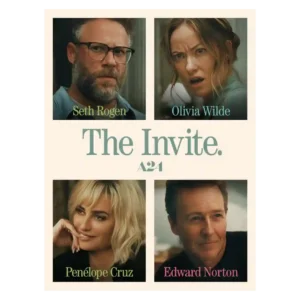
P2 The Invite

Comparison Takeaways

Camp

Where It Has the Edge

  • score quality is 4.4 vs 3.1. The fuzzy, reverb-heavy score is a major part of the enchanted atmosphere. It shifts between gentle drift and...
  • suspense is 4.5 vs 4.0. Tension comes from uncertainty, whispered danger, and the possibility that acceptance has a cost. The slow-burn dread is...
  • editing quality is 4.0 vs 3.5. Analog memory fragments and abrupt transitions place the viewer inside Emily’s unstable headspace. The approach can be disorienting,...
  • world-building is rated 5.0 while the other product has no score yet. The camp’s Christian façade, secret coven culture, and enchanted woodland imagery create a distinctive microcosm. The world feels...

The Invite

Where It Has the Edge

  • screenplay quality is 4.8 vs 2.3. The screenplay is broadly celebrated as whip-smart, funny, adult, and emotionally perceptive. Its overlapping talk and carefully planted...
  • dialogue quality is 4.4 vs 2.0. The rapid, overlapping dialogue is commonly described as crackling, sharp, natural, and extremely funny. Some critics find the...
  • ending satisfaction is 4.5 vs 2.2. Most critics admire the bittersweet, enigmatic, or quietly hopeful ending and expect audiences to discuss it afterward. A...
  • audience appeal is 5.0 vs 3.1. The film appears built for communal viewing, with packed audiences reportedly laughing hard and staying engaged. Its adult,...
Average score
Product 1: Camp
3.8
Product 2: The Invite
4.5
acting performance
Product 1: Camp
3.8

The ensemble often feels intimate and natural, with several critics praising its persuasive, unforced quality. A smaller group found the supporting performances flat, forced, or overly stylized.

Product 2: The Invite
4.8

The four leads are widely praised as a remarkably balanced ensemble, with several critics calling the work career-best. Even more mixed assessments agree the cast keeps the film lively.

animation quality
Product 1: Camp
4.8

Handcrafted animated flourishes deepen the film’s dream logic and make its supernatural moments feel distinctive. They are generally seen as purposeful rather than decorative.

Product 2: The Invite
No score yet
audience appeal
Product 1: Camp
3.1

This is best suited to viewers who enjoy queer arthouse horror, ambiguity, and slow, mood-led storytelling. Its thin plot and refusal to explain itself will alienate viewers seeking a conventional genre ride.

Product 2: The Invite
5.0

The film appears built for communal viewing, with packed audiences reportedly laughing hard and staying engaged. Its adult, dialogue-driven style should land best with viewers who enjoy sharp relationship comedy.

character development
Product 1: Camp
3.0

Emily’s emotional progression and the counselors’ shared damage can be compelling, but several side characters and relationships disappear before they are fully developed. The character-driven material is strongest when the film stays close to its central group.

Product 2: The Invite
3.8

The four characters gradually reveal insecurity, grief, desire, and resentment beneath their initial comic types. Most find them richly layered, though one critic felt some interactions were overly manufactured.

chemistry between characters
Product 1: Camp
4.8

The cast’s easy rapport gives the coven a believable sense of intimacy and belonging. Emily and Clara’s connection is especially warm and magnetic.

Product 2: The Invite
5.0

The quartet’s contrasting styles lock into a lively rhythm, while each new pairing creates a different emotional and comic charge. The believable friction between the married couple is especially important to the film’s impact.

cinematography
Product 1: Camp
4.8

Soft focus, colored fog, analog textures, handheld movement, and glowing woodland imagery create the film’s most consistently admired strength. The photography makes even ordinary daylight feel enchanted and unstable.

Product 2: The Invite
5.0

The 35mm photography, careful blocking, mirrors, and shifting perspectives make one apartment feel cinematic and constantly changing. A few flourishes can feel conspicuous, but the visual craft is a major strength.

costume design
Product 1: Camp
No score yet
Product 2: The Invite
4.5

The clothing subtly places the buttoned-up hosts and liberated guests in visual opposition. These choices reinforce personality and relationship dynamics without becoming overly showy.

critic appeal
Product 1: Camp
No score yet
Product 2: The Invite
5.0

Critical response is overwhelmingly enthusiastic, with many calling it one of the year’s best comedies or films. A smaller group finds it shallow, overworked, or only intermittently funny.

cultural representation
Product 1: Camp
4.5

The film’s queer, female-centered perspective feels lived-in rather than tokenized. Its focus on community, girlhood, and self-invention gives the horror a broad emotional reach.

Product 2: The Invite
No score yet
dialogue quality
Product 1: Camp
2.0

The deliberately lo-fi dialogue divides opinion. Some accept its monotone awkwardness as part of the dream state, while others find it clunky, airless, and emotionally flat.

Product 2: The Invite
4.4

The rapid, overlapping dialogue is commonly described as crackling, sharp, natural, and extremely funny. Some critics find the verbal sparring self-satisfied or overextended, especially in longer arguments.

directing quality
Product 1: Camp
4.8

Avalon Fast’s direction is bold, personal, and visually assured, with a clear willingness to reject conventional structure. The rawness can become disjointed, but the creative control and singular voice are widely apparent.

Product 2: The Invite
4.7

Olivia Wilde’s control of performance, space, and comic escalation is frequently called her strongest directing work. A few early choices feel fussy or overemphatic, but the overall staging is confident and inventive.

drama quality
Product 1: Camp
4.0

The film works as a melancholic tragedy about guilt, grief, and damaged healing rather than a conventional camp thriller. Its emotional rot is more central than plot mechanics.

Product 2: The Invite
5.0

Beneath the farce is a poignant chamber drama about disappointment, intimacy, and a marriage nearing collapse. The emotional seriousness gives the comedy weight without turning the film into a conventional tearjerker.

editing quality
Product 1: Camp
4.0

Analog memory fragments and abrupt transitions place the viewer inside Emily’s unstable headspace. The approach can be disorienting, but it gives past trauma a strong visual presence.

Product 2: The Invite
3.5

The cutting usually gives the dinner party propulsive rhythm and helps the comedy snap into place. The most negative response calls the staccato approach cacophonous and exhausting.

emotional impact
Product 1: Camp
4.9

The film’s grief, guilt, and hunger for absolution land with unusual tenderness and intensity. Its strongest moments make healing feel both comforting and potentially dangerous.

Product 2: The Invite
4.8

The film repeatedly turns belly laughs into sadness, tenderness, and even tears. Its strongest moments make marital regret and buried longing hit harder because the comedy has lowered viewers’ defenses.

ending satisfaction
Product 1: Camp
2.2

The ending is intentionally unresolved and will be a major dividing point. Some appreciate its refusal of reassurance, while others find the missing payoff, dropped threads, and troubling implications frustrating.

Product 2: The Invite
4.5

Most critics admire the bittersweet, enigmatic, or quietly hopeful ending and expect audiences to discuss it afterward. A few consider it too cautious, noncommittal, or less satisfying than the journey.

entertainment value
Product 1: Camp
3.7

The experience is hypnotic and transfixing for receptive viewers, but it is rarely fun in a conventional sense. Its slow, mournful drift can feel either absorbing or soporific.

Product 2: The Invite
4.4

Despite its single location and talk-heavy structure, the film is widely considered a highly entertaining pressure cooker. Its combination of awkwardness, surprise, and star chemistry keeps the evening engaging.

faithfulness to source material
Product 1: Camp
No score yet
Product 2: The Invite
4.8

The adaptation remains close to the Spanish source while adding American detail, greater sensuality, and more character expansion. Several critics consider it an unusually successful U.S. remake.

genre satisfaction
Product 1: Camp
4.3

This is an unconventional witchy coming-of-age drama rather than a slasher or jump-scare vehicle. It satisfies viewers open to compassionate, ambiguous horror but may disappoint those expecting a traditional camp fright film.

Product 2: The Invite
4.5

As an adult relationship dramedy, dark comedy, and sex farce, it delivers sophisticated laughs with real emotional stakes. Its frank approach to marriage and non-monogamy feels refreshingly grown-up.

humor
Product 1: Camp
No score yet
Product 2: The Invite
4.8

The strongest consensus is that the film is genuinely hilarious, with rapid insults, physical comedy, and escalating social discomfort producing big laughs. A small minority finds it only occasionally funny.

lead performance
Product 1: Camp
4.7

Zola Grimmer gives a remarkably controlled debut, conveying sorrow, guarded hope, and longing through restrained speech and expressive reactions. Even harsher assessments of the ensemble tend to single her out positively.

Product 2: The Invite
5.0

Seth Rogen is repeatedly singled out for combining comic timing with deep, lived-in sadness, while Olivia Wilde earns career-best notices for anxious physical comedy and emotional vulnerability.

message quality
Product 1: Camp
4.5

The fragmented story ultimately forms a strong message about guilt, belonging, and the possibility of healing outside familiar moral systems. Its meaning is powerful, though never delivered neatly.

Product 2: The Invite
4.5

The film argues for honesty, change, and renewed openness rather than prescribing monogamy or non-monogamy. Its hopeful ideas resonate with many critics, though a few find the relationship lessons obvious or didactic.

originality
Product 1: Camp
4.7

The film stands out through its handmade textures, moral ambiguity, and refusal to turn its coven into a familiar villainous force. Its raw, singular vision often matters more than narrative polish.

Product 2: The Invite
5.0

Even with a familiar dinner-party setup and multiple earlier adaptations, the film often feels fresh, contemporary, and surprising. Its specific observations about stalled relationships keep it from playing like a routine remake.

pacing
Product 1: Camp
2.6

The meditative pace supports the dreamlike atmosphere, but it is the most repeated drawback. Long silences and meandering transitions frequently make the film feel overextended.

Product 2: The Invite
4.2

Most critics praise the kinetic rhythm and carefully timed reveals, especially within the single-apartment setup. Others find the opening overcharged or the later monologues and arguments too drawn out.

plot clarity
Product 1: Camp
2.3

Reality, dreams, memory, and witchcraft blur by design, leaving major questions unanswered. That ambiguity can be seductive, but it also makes the plot feel incoherent or nearly illegible to some viewers.

Product 2: The Invite
3.5

The central setup is easy to follow, but some later turns may lose viewers who have not fully bought into the couples’ behavior. The film favors emotional escalation over a tidy, conventional plot.

plot originality
Product 1: Camp
4.5

The story avoids predictable coven conflicts and standard horror escalation, favoring acceptance, guilt, and collective power. Its unconventional structure is fresh even when it feels incomplete.

Product 2: The Invite
5.0

The story repeatedly swerves away from the most predictable version of its premise and complicates each character’s motives. Its surprises are a major pleasure even when the broad destination can be anticipated.

production design
Product 1: Camp
No score yet
Product 2: The Invite
5.0

The renovated apartment functions like a fifth character, expressing warmth, distance, entrapment, and unfinished marital business. Its rooms, mirrors, decor, and sightlines keep the contained story visually alive.

realism
Product 1: Camp
4.5

The supernatural framework is balanced by recognizable interactions, awkward speech, and believable camp friendships. The social behavior often feels more grounded than the plot around it.

Product 2: The Invite
5.0

The petty grievances, overlapping arguments, insecurity, and emotional stagnation feel painfully recognizable. Many critics see their own long-term relationship dynamics reflected in the film’s uncomfortable comedy.

rewatch value
Product 1: Camp
4.0

The layered imagery and uncertain reality invite repeat viewing. A second look may clarify motifs and connections that are easy to miss during the film’s sleepy first pass.

Product 2: The Invite
4.8

The dense dialogue, layered performances, visual blocking, and ambiguous ending give the film strong repeat-viewing potential. The few explicit rewatch comments are highly enthusiastic.

romance quality
Product 1: Camp
4.5

Emily and Clara’s attraction remains understated, but their chemistry gives the relationship a vivid glow. The romance functions more as a route to belonging and self-recognition than a conventional love story.

Product 2: The Invite
4.5

The film treats marriage, desire, and non-monogamy with curiosity rather than easy judgment. Its romantic outlook is messy but ultimately humane, showing both the fear and possibility involved in changing a relationship.

runtime
Product 1: Camp
2.3

At 111 minutes, the film pushes its sparse narrative close to the breaking point. Even positive reactions often suggest that trimming 10 to 15 minutes would strengthen the experience.

Product 2: The Invite
2.7

At roughly 107–108 minutes, the film feels tight and propulsive to some viewers but overlong to others. The most common concern is that the material could lose 15–20 minutes without sacrificing its emotional point.

scares
Product 1: Camp
4.0

The film favors unease, ritual imagery, and emotional dread over jump scares or a body-count structure. Its horror is soft-edged but capable of leaving a lingering chill.

Product 2: The Invite
No score yet
score quality
Product 1: Camp
4.4

The fuzzy, reverb-heavy score is a major part of the enchanted atmosphere. It shifts between gentle drift and devouring noise to mirror Emily’s unstable emotional state.

Product 2: The Invite
3.1

Devonté Hynes’s string-heavy score sharply amplifies tension and comic rhythm for some critics. Others find it blaring, overly insistent, or distracting, making this the clearest technical point of disagreement.

screenplay quality
Product 1: Camp
2.3

The screenplay contains potent ideas about guilt, faith, and female community, but it often abandons setups and underdevelops motivations. Its intuitive power is stronger than its structural discipline.

Product 2: The Invite
4.8

The screenplay is broadly celebrated as whip-smart, funny, adult, and emotionally perceptive. Its overlapping talk and carefully planted reveals are major strengths, though a few critics call it over-written or smug.

sexual content level
Product 1: Camp
No score yet
Product 2: The Invite
4.5

The film is raunchy in subject and conversation but contains no explicit sex or nudity. Its adult material is generally seen as purposeful, playful, and tied to character rather than included for shock alone.

sound design
Product 1: Camp
4.0

Abrupt static and abrasive sonic interruptions unsettle the otherwise hypnotic opening. The contrast helps signal that the film’s softness carries hidden danger.

Product 2: The Invite
No score yet
soundtrack quality
Product 1: Camp
4.5

The synth-heavy and shoegaze-inflected music deepens the surreal haze. Its rough, emotionally exposed closing texture leaves a particularly strong aftereffect.

Product 2: The Invite
5.0

The musical selections are used sparingly but effectively, with the Sade needle drop singled out as a crowd-pleasing highlight. The songs add sensuality and irony to the relationship drama.

story quality
Product 1: Camp
3.7

The central story of damaged healing is tender and unusual, but the narrative can feel like a collection of ideas rather than a fully resolved arc. Viewers who accept mood as the organizing principle tend to respond far more positively.

Product 2: The Invite
4.5

The familiar dinner-party premise grows into a surprisingly layered exploration of marriage and desire. Most find the story close to perfectly executed, though some consider its deeper turns forced or superficial.

supporting cast performance
Product 1: Camp
4.5

Alice Wordsworth and Cherry Moore are especially effective at giving the coven warmth and personality. The broader ensemble’s naturalism helps the group feel like a lived-in community.

Product 2: The Invite
4.9

Penélope Cruz and Edward Norton are repeatedly praised as magnetic, funny, and unpredictable foils. Cruz brings seductive confidence and comic precision, while Norton balances smug charm with unexpected tenderness.

suspense
Product 1: Camp
4.5

Tension comes from uncertainty, whispered danger, and the possibility that acceptance has a cost. The slow-burn dread is effective without relying on conventional shocks.

Product 2: The Invite
4.0

The apartment becomes a claustrophobic emotional trap as grievances, secrets, and attraction accumulate. The tension comes from social and marital danger rather than conventional thriller mechanics.

theme depth
Product 1: Camp
4.4

The film thoughtfully connects grief, female sexuality, faith, guilt, and chosen family. Its moral refusal to label healing as purely good or evil gives the material unusual depth.

Product 2: The Invite
4.2

The film digs into failed ambition, comparison, resentment, intimacy, and the stories couples tell themselves. Most find it insightful and mature, while a dissenting group sees only a superficial treatment of modern relationships.

tonal consistency
Product 1: Camp
3.3

The dreamy, melancholy atmosphere is sustained with strong visual and musical control. A few viewers experience the abrupt dialogue and character shifts as tonal whiplash rather than purposeful instability.

Product 2: The Invite
4.0

For most of its runtime, the film balances broad comedy, cringe, pathos, and sadness with impressive control. Several critics note that the late turn into darker emotion can feel choppy or forced.

visual style
Product 1: Camp
4.4

The handmade visual language is the film’s clearest triumph, blending Super 8 grain, colored fog, animation, ritual tableaux, and glowing natural light. It is consistently described as gorgeous, hypnotic, and otherworldly.

Product 2: The Invite
4.2

Warm 35mm texture, mirrors, frames within frames, and precise spatial composition give the chamber piece a polished cinematic identity. Some critics find the early symbolism overly studied, but the overall look is admired.

world-building
Product 1: Camp
5.0

The camp’s Christian façade, secret coven culture, and enchanted woodland imagery create a distinctive microcosm. The world feels larger and more alluring than the modest budget suggests.

Product 2: The Invite
No score yet