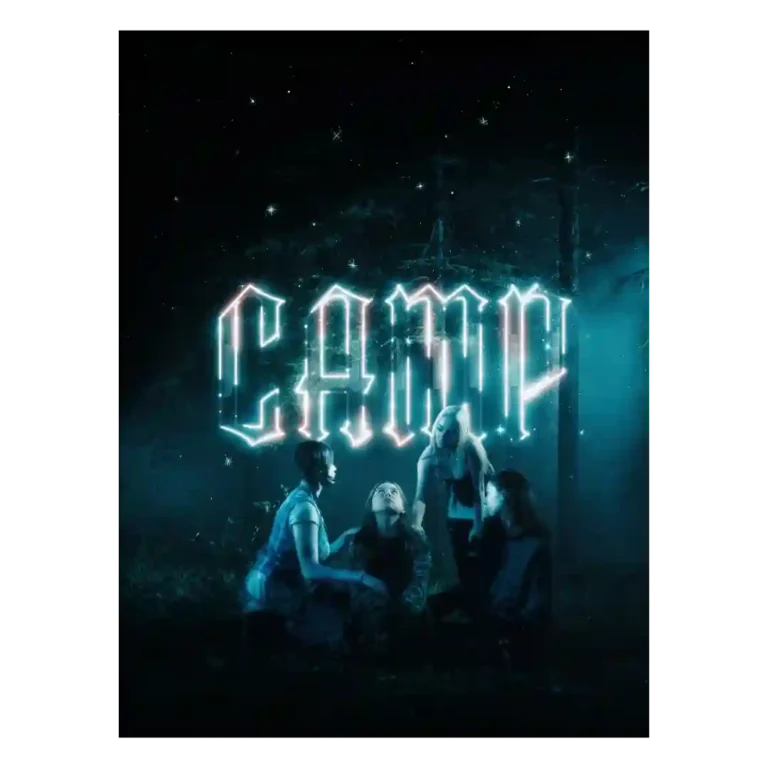
Choose it for hypnotic visuals, a remarkable lead performance, and emotionally rich queer witchcraft. Skip it if you need brisk pacing, clear supernatural rules, or a conventional horror payoff.
Best for
Viewers drawn to queer arthouse horror, witchy coming-of-age stories, grief narratives, and movies that privilege mood and interpretation over conventional plot.
Not for
Viewers wanting a summer-camp slasher, frequent scares, fast pacing, clear supernatural rules, or a decisive third-act resolution.
Verdict
Camp is a visually intoxicating, emotionally sincere piece of queer arthouse horror built around grief, guilt, and the dangerous comfort of belonging. Zola Grimmer gives the loose narrative a compelling center, while Eily Sprungman’s cinematography, handmade animation, and the reverb-heavy music turn the camp into an unstable dream world. Avalon Fast’s refusal to explain the witchcraft or impose tidy moral judgments gives the film unusual thematic power. That same refusal is also its main limitation: the 111-minute runtime drags, dialogue can feel clunky or monotone, side characters vanish, and the ending withholds conventional resolution. It is strongest as a mood piece and emotional experience, not as a tightly constructed horror story.
Soft focus, colored fog, analog textures, handheld movement, and glowing woodland imagery create the film’s most consistently admired strength. The photography makes even ordinary daylight feel enchanted and unstable.
The film’s grief, guilt, and hunger for absolution land with unusual tenderness and intensity. Its strongest moments make healing feel both comforting and potentially dangerous.
lead performance: 4.7, 8 reviews, strong consensus
Zola Grimmer gives a remarkably controlled debut, conveying sorrow, guarded hope, and longing through restrained speech and expressive reactions. Even harsher assessments of the ensemble tend to single her out positively.
The film stands out through its handmade textures, moral ambiguity, and refusal to turn its coven into a familiar villainous force. Its raw, singular vision often matters more than narrative polish.
Avalon Fast’s direction is bold, personal, and visually assured, with a clear willingness to reject conventional structure. The rawness can become disjointed, but the creative control and singular voice are widely apparent.
The handmade visual language is the film’s clearest triumph, blending Super 8 grain, colored fog, animation, ritual tableaux, and glowing natural light. It is consistently described as gorgeous, hypnotic, and otherworldly.
The film thoughtfully connects grief, female sexuality, faith, guilt, and chosen family. Its moral refusal to label healing as purely good or evil gives the material unusual depth.
Handcrafted animated flourishes deepen the film’s dream logic and make its supernatural moments feel distinctive. They are generally seen as purposeful rather than decorative.
The fuzzy, reverb-heavy score is a major part of the enchanted atmosphere. It shifts between gentle drift and devouring noise to mirror Emily’s unstable emotional state.
The camp’s Christian façade, secret coven culture, and enchanted woodland imagery create a distinctive microcosm. The world feels larger and more alluring than the modest budget suggests.
The story avoids predictable coven conflicts and standard horror escalation, favoring acceptance, guilt, and collective power. Its unconventional structure is fresh even when it feels incomplete.
The synth-heavy and shoegaze-inflected music deepens the surreal haze. Its rough, emotionally exposed closing texture leaves a particularly strong aftereffect.
This is an unconventional witchy coming-of-age drama rather than a slasher or jump-scare vehicle. It satisfies viewers open to compassionate, ambiguous horror but may disappoint those expecting a traditional camp fright film.
The film’s queer, female-centered perspective feels lived-in rather than tokenized. Its focus on community, girlhood, and self-invention gives the horror a broad emotional reach.
The fragmented story ultimately forms a strong message about guilt, belonging, and the possibility of healing outside familiar moral systems. Its meaning is powerful, though never delivered neatly.
The supernatural framework is balanced by recognizable interactions, awkward speech, and believable camp friendships. The social behavior often feels more grounded than the plot around it.
Emily and Clara’s attraction remains understated, but their chemistry gives the relationship a vivid glow. The romance functions more as a route to belonging and self-recognition than a conventional love story.
Alice Wordsworth and Cherry Moore are especially effective at giving the coven warmth and personality. The broader ensemble’s naturalism helps the group feel like a lived-in community.
Tension comes from uncertainty, whispered danger, and the possibility that acceptance has a cost. The slow-burn dread is effective without relying on conventional shocks.
The film works as a melancholic tragedy about guilt, grief, and damaged healing rather than a conventional camp thriller. Its emotional rot is more central than plot mechanics.
Analog memory fragments and abrupt transitions place the viewer inside Emily’s unstable headspace. The approach can be disorienting, but it gives past trauma a strong visual presence.
The layered imagery and uncertain reality invite repeat viewing. A second look may clarify motifs and connections that are easy to miss during the film’s sleepy first pass.
The film favors unease, ritual imagery, and emotional dread over jump scares or a body-count structure. Its horror is soft-edged but capable of leaving a lingering chill.
Abrupt static and abrasive sonic interruptions unsettle the otherwise hypnotic opening. The contrast helps signal that the film’s softness carries hidden danger.
The ensemble often feels intimate and natural, with several critics praising its persuasive, unforced quality. A smaller group found the supporting performances flat, forced, or overly stylized.
entertainment value: 3.7, 5 reviews, moderate consensus
The experience is hypnotic and transfixing for receptive viewers, but it is rarely fun in a conventional sense. Its slow, mournful drift can feel either absorbing or soporific.
The central story of damaged healing is tender and unusual, but the narrative can feel like a collection of ideas rather than a fully resolved arc. Viewers who accept mood as the organizing principle tend to respond far more positively.
The ending is intentionally unresolved and will be a major dividing point. Some appreciate its refusal of reassurance, while others find the missing payoff, dropped threads, and troubling implications frustrating.
Reality, dreams, memory, and witchcraft blur by design, leaving major questions unanswered. That ambiguity can be seductive, but it also makes the plot feel incoherent or nearly illegible to some viewers.
The meditative pace supports the dreamlike atmosphere, but it is the most repeated drawback. Long silences and meandering transitions frequently make the film feel overextended.
At 111 minutes, the film pushes its sparse narrative close to the breaking point. Even positive reactions often suggest that trimming 10 to 15 minutes would strengthen the experience.
The deliberately lo-fi dialogue divides opinion. Some accept its monotone awkwardness as part of the dream state, while others find it clunky, airless, and emotionally flat.
This is best suited to viewers who enjoy queer arthouse horror, ambiguity, and slow, mood-led storytelling. Its thin plot and refusal to explain itself will alienate viewers seeking a conventional genre ride.
The screenplay contains potent ideas about guilt, faith, and female community, but it often abandons setups and underdevelops motivations. Its intuitive power is stronger than its structural discipline.
character development: 3.0, 4 reviews, low consensus
Emily’s emotional progression and the counselors’ shared damage can be compelling, but several side characters and relationships disappear before they are fully developed. The character-driven material is strongest when the film stays close to its central group.
The dreamy, melancholy atmosphere is sustained with strong visual and musical control. A few viewers experience the abrupt dialogue and character shifts as tonal whiplash rather than purposeful instability.
Sprungman’s cinematography is repeatedly identified as a defining achievement, transforming woods, daylight, memory, and ritual into a soft, unstable dreamscape. The work is described as gorgeous, razor-sharp, and masterful.
Robin’s fuzzy, reverb-heavy score strengthens the film’s charmed and threatening atmosphere. Its noise, drift, and intensity help carry the story when the narrative becomes most abstract.
Wordsworth gives Clara an alluring presence and shines in the supporting ensemble. Her chemistry with Grimmer adds warmth, danger, and romantic charge to Emily’s sense of belonging.
Grimmer’s debut is the film’s most consistently praised performance, balancing muted grief with guarded hope and a deep need for belonging. Her restrained expressions give the loose narrative a compelling emotional center.
Fast is praised for a fearless, personal vision and unusually strong command of mood, archetype, and handmade imagery. The approach remains raw and divisive, with some criticism of disjointed execution and insufficient narrative focus.
Moore is singled out as a strong supporting presence, bringing naturalism and bright, welcoming energy to Rosie. Her performance helps make the coven feel intimate rather than merely ominous.
Sebastianis is noted as a memorable part of the supporting ensemble, giving Nev a confident, provocative presence. She contributes to the group’s convincing sense of freedom and camaraderie.
Compared With Category Average
Compared with other Movies, this product is above average in originality, plot originality, world-building, near average in visual style, score quality, below average in ending satisfaction, dialogue quality, audience appeal.
Comparison summary
37 compared features
Above average0.4+ pts higher
21(57%)
Same as averagewithin 0.3 pts
10(27%)
Below average0.4+ pts lower
6(16%)
Largest category differences
Attribute
This product
Category average
Difference
ending satisfaction
2.2
3.5
-1.3
originality
4.7
3.4
+1.3
plot originality
4.5
3.1
+1.4
world-building
5.0
3.8
+1.2
emotional impact
4.9
3.8
+1.1
animation quality
4.8
3.6
+1.2
realism
4.5
3.4
+1.1
dialogue quality
2.0
3.1
-1.1
Consider This Instead
If you want better tonal consistency
Choose Jinsei. It scores 4.4 vs 3.3 for tonal consistency, with a 3.8 overall score.
Products reviewers directly compared with this model, grouped into quick takeaways.
I Saw the TV Glow
Similar: trippy coming-of-age themesBoth films use destabilizing visuals to express trauma, guilt, and belonging.
Similar: trauma and identity impactThe reviewer says the film affected them in a similarly personal and destabilizing way.
Better: handling of loss and dissociationThe reviewer finds a similar concept handled with much greater confidence elsewhere.
The Craft
Similar: witchy coming-of-age moodIt is recommended as a lonelier, rougher, more emotionally unstable alternative.
Similar: coven-centered storytellingThe premise is described as a dreamier, mumblecore-inflected version of the witch classic.
Compared: witchy coming-of-age premiseThe film is framed as a psychedelic, artful variation on a familiar witch story.
Honeycomb
Older model: filmmaking confidenceFast’s second feature is viewed as a major step forward from the debut.
FAQ
Is Camp a traditional summer-camp slasher?
No. It is a slow, dreamlike coming-of-age horror film centered on grief, witchcraft, and female friendship rather than killings, chase scenes, or jump scares.
Is Camp scary?
Its horror comes from atmosphere, moral unease, ritual imagery, and emotional dread. Viewers seeking intense scares or a large body count may find it too gentle and abstract.
Why is the story so ambiguous?
Dreams, memories, reality, and supernatural events intentionally blur together to mirror Emily’s grief and dissociation. The film leaves the witchcraft and ending open to interpretation.
How is Zola Grimmer’s performance?
Her debut is one of the film’s strongest elements. She conveys Emily’s sorrow, guarded hope, and need for belonging through a restrained but expressive performance.
Does the 111-minute runtime feel long?
Often, yes. The meditative rhythm supports the atmosphere, but several critics felt the sparse story would be stronger with roughly 10 to 15 minutes removed.
Who is Camp best for?
It is best for viewers who enjoy queer arthouse horror, dreamy visuals, found-family themes, and unresolved storytelling. Those needing a brisk plot or tidy payoff should approach cautiously.
Sample Expert Reviews We Analyzed
These are a few of the reviews included in our analysis.
Best for a profound, formally inventive meditation on grief, memory, and the ethics of filming family. Skip it if intensely personal addiction material, a 114-minute runtime, or occasional repetition will...
Best for joyful music, rare footage, candid interviews, and a layered Maurice White portrait. Skip it if you want a tightly focused, unconventional reappraisal that lingers on performances instead of...
Best for a tender, accessible portrait that lets Oliver’s poetry, friends, and archival voice carry the experience. Skip it if you want a brisk, deeply investigative biography; the calm rhythm...
Pros: romance quality, faithfulness to source material
Best for razor-sharp adult comedy, exceptional ensemble work, and a surprisingly moving marriage story. Skip it if talk-heavy chamber pieces, explicit relationship discussions, or an occasionally intrusive string score wear...