Compare Camp vs Leviticus

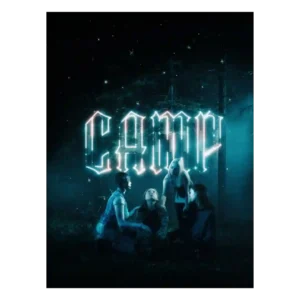
P1 Camp
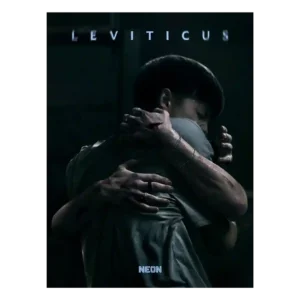
P2 Leviticus

Comparison Takeaways

Camp

Where It Has the Edge

  • world-building is 5.0 vs 2.1. The camp’s Christian façade, secret coven culture, and enchanted woodland imagery create a distinctive microcosm. The world feels...
  • message quality is 4.5 vs 2.4. The fragmented story ultimately forms a strong message about guilt, belonging, and the possibility of healing outside familiar...
  • originality is 4.7 vs 3.4. The film stands out through its handmade textures, moral ambiguity, and refusal to turn its coven into a...
  • emotional impact is 4.9 vs 4.3. The film’s grief, guilt, and hunger for absolution land with unusual tenderness and intensity. Its strongest moments make...

Leviticus

Where It Has the Edge

  • runtime is 4.5 vs 2.3. The sub-90-minute length is generally viewed as welcome and efficient. A few critics still felt the final stretch...
  • ending satisfaction is 4.1 vs 2.2. Many critics admired the bittersweet final note and its refusal to offer an easy cure, finding it graceful...
  • audience appeal is 4.5 vs 3.1. The emotional romance and accessible curse premise give the film crossover potential beyond dedicated horror fans. Its bleak...
  • tonal consistency is 4.7 vs 3.3. Romance, dread, sorrow, and cautious hope are balanced with unusual confidence. The film can pivot from tenderness to...
Average score
Product 1: Camp
3.8
Product 2: Leviticus
4.2
acting performance
Product 1: Camp
3.8

The ensemble often feels intimate and natural, with several critics praising its persuasive, unforced quality. A smaller group found the supporting performances flat, forced, or overly stylized.

Product 2: Leviticus
4.6

Joe Bird and Stacy Clausen are the clear standout, bringing tenderness, panic, guilt, and menace to emotionally demanding roles. Even less enthusiastic critics generally praised the acting.

animation quality
Product 1: Camp
4.8

Handcrafted animated flourishes deepen the film’s dream logic and make its supernatural moments feel distinctive. They are generally seen as purposeful rather than decorative.

Product 2: Leviticus
No score yet
audience appeal
Product 1: Camp
3.1

This is best suited to viewers who enjoy queer arthouse horror, ambiguity, and slow, mood-led storytelling. Its thin plot and refusal to explain itself will alienate viewers seeking a conventional genre ride.

Product 2: Leviticus
4.5

The emotional romance and accessible curse premise give the film crossover potential beyond dedicated horror fans. Its bleak subject matter and restrained supernatural spectacle may narrow that appeal.

character development
Product 1: Camp
3.0

Emily’s emotional progression and the counselors’ shared damage can be compelling, but several side characters and relationships disappear before they are fully developed. The character-driven material is strongest when the film stays close to its central group.

Product 2: Leviticus
3.1

Naim’s flaws and emotional shifts come through clearly, but Ryan and several supporting characters can feel thin or unevenly developed. The limited backstory weakens the impact for some viewers.

chemistry between characters
Product 1: Camp
4.8

The cast’s easy rapport gives the coven a believable sense of intimacy and belonging. Emily and Clara’s connection is especially warm and magnetic.

Product 2: Leviticus
4.7

The central romance is powered by unusually strong chemistry, with the leads making stolen affection, distrust, and reconciliation feel immediate. A small minority found the relationship underwritten despite the performances.

cinematography
Product 1: Camp
4.8

Soft focus, colored fog, analog textures, handheld movement, and glowing woodland imagery create the film’s most consistently admired strength. The photography makes even ordinary daylight feel enchanted and unstable.

Product 2: Leviticus
4.7

Desaturated industrial landscapes, intimate close-ups, and isolating compositions give the film a bleak but striking look. The camera repeatedly turns open spaces and familiar faces into sources of unease.

costume design
Product 1: Camp
No score yet
Product 2: Leviticus
4.2

Understated clothing supports the town’s drab conformity and the film’s grounded unease. The design works quietly with the setting rather than calling attention to itself.

critic appeal
Product 1: Camp
No score yet
Product 2: Leviticus
5.0

Critical response is strongly favorable, with particular enthusiasm for the performances, central metaphor, suspense, and romance. Reservations focus mainly on familiar influences and underdeveloped rules.

cultural representation
Product 1: Camp
4.5

The film’s queer, female-centered perspective feels lived-in rather than tokenized. Its focus on community, girlhood, and self-invention gives the horror a broad emotional reach.

Product 2: Leviticus
5.0

The film’s direct queer perspective gives its horror unusual specificity and emotional authenticity. It has been praised as a meaningful contribution to queer horror rather than a generic curse story with representation added on.

dialogue quality
Product 1: Camp
2.0

The deliberately lo-fi dialogue divides opinion. Some accept its monotone awkwardness as part of the dream state, while others find it clunky, airless, and emotionally flat.

Product 2: Leviticus
3.3

The strongest exchanges feel casual and revealing, especially between the two boys. Some later dialogue is clunky or too explicit about the film’s themes.

directing quality
Product 1: Camp
4.8

Avalon Fast’s direction is bold, personal, and visually assured, with a clear willingness to reject conventional structure. The rawness can become disjointed, but the creative control and singular voice are widely apparent.

Product 2: Leviticus
4.8

Adrian Chiarella’s debut is widely regarded as assured, sensitive, and controlled. He handles intimacy and dread especially well, even when the screenplay’s rules or side characters are less polished.

drama quality
Product 1: Camp
4.0

The film works as a melancholic tragedy about guilt, grief, and damaged healing rather than a conventional camp thriller. Its emotional rot is more central than plot mechanics.

Product 2: Leviticus
4.0

The jealousy, betrayal, repression, and longing often carry more force than the supernatural attacks. The romantic conflict gives the horror its emotional stakes.

editing quality
Product 1: Camp
4.0

Analog memory fragments and abrupt transitions place the viewer inside Emily’s unstable headspace. The approach can be disorienting, but it gives past trauma a strong visual presence.

Product 2: Leviticus
4.8

The editing creates sharp shifts between open-space unease and claustrophobic danger while keeping the story compact. Its timing helps uncertainty linger whenever a familiar face appears.

emotional impact
Product 1: Camp
4.9

The film’s grief, guilt, and hunger for absolution land with unusual tenderness and intensity. Its strongest moments make healing feel both comforting and potentially dangerous.

Product 2: Leviticus
4.3

The film is frequently described as heartbreaking, haunting, and deeply upsetting, with a modest thread of hope. Viewers who wanted fuller characterization were less emotionally invested.

ending satisfaction
Product 1: Camp
2.2

The ending is intentionally unresolved and will be a major dividing point. Some appreciate its refusal of reassurance, while others find the missing payoff, dropped threads, and troubling implications frustrating.

Product 2: Leviticus
4.1

Many critics admired the bittersweet final note and its refusal to offer an easy cure, finding it graceful and hopeful without denying lasting danger. Others found the ending abrupt or insufficiently resolved.

entertainment value
Product 1: Camp
3.7

The experience is hypnotic and transfixing for receptive viewers, but it is rarely fun in a conventional sense. Its slow, mournful drift can feel either absorbing or soporific.

Product 2: Leviticus
3.5

The film can be gripping and emotionally absorbing, but its bleakness makes it more punishing than conventionally fun. Its strongest appeal is to viewers who value mood, metaphor, and romance over constant thrills.

genre satisfaction
Product 1: Camp
4.3

This is an unconventional witchy coming-of-age drama rather than a slasher or jump-scare vehicle. It satisfies viewers open to compassionate, ambiguous horror but may disappoint those expecting a traditional camp fright film.

Product 2: Leviticus
4.2

The movie delivers enough gore, jumps, stalking tension, and dread to function as horror while remaining primarily character-driven. Viewers seeking nonstop scares may find it quieter than expected.

humor
Product 1: Camp
No score yet
Product 2: Leviticus
2.0

Humor is rare and deliberately uncomfortable. The few darkly comic beats do not land for every viewer and offer little relief from the film’s bleakness.

lead performance
Product 1: Camp
4.7

Zola Grimmer gives a remarkably controlled debut, conveying sorrow, guarded hope, and longing through restrained speech and expressive reactions. Even harsher assessments of the ensemble tend to single her out positively.

Product 2: Leviticus
4.9

Joe Bird gives Naim a vulnerable, expressive interior life, while Stacy Clausen shifts convincingly between tenderness, bravado, and frightening impersonation. Both leads are repeatedly singled out as major strengths.

message quality
Product 1: Camp
4.5

The fragmented story ultimately forms a strong message about guilt, belonging, and the possibility of healing outside familiar moral systems. Its meaning is powerful, though never delivered neatly.

Product 2: Leviticus
2.4

The condemnation of conversion therapy and religiously sanctioned shame is forceful and easy to understand. Some critics felt the message became too blunt, repetitive, or heavy-handed.

originality
Product 1: Camp
4.7

The film stands out through its handmade textures, moral ambiguity, and refusal to turn its coven into a familiar villainous force. Its raw, singular vision often matters more than narrative polish.

Product 2: Leviticus
3.4

The desire-shaped demon is a sharp variation on the supernatural-stalker formula, and the queer perspective gives it distinct emotional meaning. Comparisons with It Follows are unavoidable, and a few critics found the execution overly familiar.

pacing
Product 1: Camp
2.6

The meditative pace supports the dreamlike atmosphere, but it is the most repeated drawback. Long silences and meandering transitions frequently make the film feel overextended.

Product 2: Leviticus
3.3

The compact runtime keeps most of the film focused, and several critics praised its escalating tension. Others felt the slow-burn setup dragged, the final act repeated itself, or the story moved too quickly to deepen its characters.

plot clarity
Product 1: Camp
2.3

Reality, dreams, memory, and witchcraft blur by design, leaving major questions unanswered. That ambiguity can be seductive, but it also makes the plot feel incoherent or nearly illegible to some viewers.

Product 2: Leviticus
2.7

The central curse is easy to grasp, but its boundaries and behavior are not always consistent. Questions about when victims are truly alone and how the entity learns remain underexplained.

plot originality
Product 1: Camp
4.5

The story avoids predictable coven conflicts and standard horror escalation, favoring acceptance, guilt, and collective power. Its unconventional structure is fresh even when it feels incomplete.

Product 2: Leviticus
4.5

The monster’s use of a loved one’s face is a strong, emotionally loaded horror hook. Familiar stalking mechanics remain, but the conversion-therapy framework gives the plot a distinctive purpose.

practical effects quality
Product 1: Camp
No score yet
Product 2: Leviticus
4.5

The wound effects are used sparingly but land with convincing impact. Their restraint keeps the violence tactile without turning the film into a gore showcase.

production design
Product 1: Camp
No score yet
Product 2: Leviticus
4.6

The abandoned mill, faded homes, church interiors, and industrial surroundings create a spare, oppressive world. Small visual details reinforce the boys’ isolation and the community’s emotional austerity.

realism
Product 1: Camp
4.5

The supernatural framework is balanced by recognizable interactions, awkward speech, and believable camp friendships. The social behavior often feels more grounded than the plot around it.

Product 2: Leviticus
4.8

Despite the supernatural premise, the social pressure, secrecy, jealousy, and religious coercion feel painfully plausible. That grounded reality makes the curse more disturbing.

rewatch value
Product 1: Camp
4.0

The layered imagery and uncertain reality invite repeat viewing. A second look may clarify motifs and connections that are easy to miss during the film’s sleepy first pass.

Product 2: Leviticus
No score yet
romance quality
Product 1: Camp
4.5

Emily and Clara’s attraction remains understated, but their chemistry gives the relationship a vivid glow. The romance functions more as a route to belonging and self-recognition than a conventional love story.

Product 2: Leviticus
4.6

The tender, awkward first-love story is one of the film’s most consistently praised elements. Its intimacy gives the supernatural threat real weight and keeps the movie from becoming only a trauma allegory.

runtime
Product 1: Camp
2.3

At 111 minutes, the film pushes its sparse narrative close to the breaking point. Even positive reactions often suggest that trimming 10 to 15 minutes would strengthen the experience.

Product 2: Leviticus
4.5

The sub-90-minute length is generally viewed as welcome and efficient. A few critics still felt the final stretch repeated itself or that the story needed more room to develop.

scares
Product 1: Camp
4.0

The film favors unease, ritual imagery, and emotional dread over jump scares or a body-count structure. Its horror is soft-edged but capable of leaving a lingering chill.

Product 2: Leviticus
3.9

The film earns strong tension, a few standout jump scares, and several disturbing identity-switch set pieces. Reactions are mixed on overall fright level, with some viewers finding the supernatural element restrained or underwhelming.

score quality
Product 1: Camp
4.4

The fuzzy, reverb-heavy score is a major part of the enchanted atmosphere. It shifts between gentle drift and devouring noise to mirror Emily’s unstable emotional state.

Product 2: Leviticus
4.7

Jed Kurzel’s score blends melancholy with low, ominous pressure. It supports both the romance and the dread without overwhelming the film’s quieter moments.

screenplay quality
Product 1: Camp
2.3

The screenplay contains potent ideas about guilt, faith, and female community, but it often abandons setups and underdevelops motivations. Its intuitive power is stronger than its structural discipline.

Product 2: Leviticus
2.9

The script has a potent premise and strong relationship details, but its development is uneven. Critics most often questioned thin supporting roles, repeated third-act beats, and incomplete supernatural rules.

sound design
Product 1: Camp
4.0

Abrupt static and abrasive sonic interruptions unsettle the otherwise hypnotic opening. The contrast helps signal that the film’s softness carries hidden danger.

Product 2: Leviticus
4.7

Clanks, hums, silence, and other abrasive textures create a sinister atmosphere that feels larger than the film’s budget. The soundscape is especially effective when reality and imitation begin to blur.

soundtrack quality
Product 1: Camp
4.5

The synth-heavy and shoegaze-inflected music deepens the surreal haze. Its rough, emotionally exposed closing texture leaves a particularly strong aftereffect.

Product 2: Leviticus
4.5

The selective use of songs, especially Frank Ocean’s “Self Control,” gives the closing movement a bittersweet emotional lift. The soundtrack complements rather than overwhelms the original score.

special effects quality
Product 1: Camp
No score yet
Product 2: Leviticus
4.5

Practical wounds and digital enhancements are used selectively and effectively. The effects support the violence without distracting from the performances.

story quality
Product 1: Camp
3.7

The central story of damaged healing is tender and unusual, but the narrative can feel like a collection of ideas rather than a fully resolved arc. Viewers who accept mood as the organizing principle tend to respond far more positively.

Product 2: Leviticus
3.8

The core story combines first love, betrayal, conversion therapy, and supernatural pursuit with clear emotional purpose. Its impact is reduced for some viewers by sparse character history and an underdeveloped mythology.

supporting cast performance
Product 1: Camp
4.5

Alice Wordsworth and Cherry Moore are especially effective at giving the coven warmth and personality. The broader ensemble’s naturalism helps the group feel like a lived-in community.

Product 2: Leviticus
4.0

Mia Wasikowska makes the mother’s cold, conflicted faith unsettling, even with limited screen time. Critics often wished the role and other adults had been developed further.

suspense
Product 1: Camp
4.5

Tension comes from uncertainty, whispered danger, and the possibility that acceptance has a cost. The slow-burn dread is effective without relying on conventional shocks.

Product 2: Leviticus
4.6

Uncertainty over whether Naim or Ryan is real drives sustained, often nail-biting tension. The film is strongest when affection and danger occupy the same scene.

theme depth
Product 1: Camp
4.4

The film thoughtfully connects grief, female sexuality, faith, guilt, and chosen family. Its moral refusal to label healing as purely good or evil gives the material unusual depth.

Product 2: Leviticus
4.7

The curse turns imposed shame into a physical threat, making desire, repression, betrayal, and community control inseparable. The metaphor is blunt but widely considered powerful, timely, and emotionally coherent.

tonal consistency
Product 1: Camp
3.3

The dreamy, melancholy atmosphere is sustained with strong visual and musical control. A few viewers experience the abrupt dialogue and character shifts as tonal whiplash rather than purposeful instability.

Product 2: Leviticus
4.7

Romance, dread, sorrow, and cautious hope are balanced with unusual confidence. The film can pivot from tenderness to violence without making either side feel incidental.

violence level
Product 1: Camp
No score yet
Product 2: Leviticus
4.0

The violence is brutal and emotionally purposeful rather than constant. Its limited but graphic attacks reinforce the cruelty of the premise without becoming sadistic spectacle.

visual style
Product 1: Camp
4.4

The handmade visual language is the film’s clearest triumph, blending Super 8 grain, colored fog, animation, ritual tableaux, and glowing natural light. It is consistently described as gorgeous, hypnotic, and otherworldly.

Product 2: Leviticus
4.6

Muted colors, industrial decay, shadows, and carefully separated figures create a bleak social-realist texture. Softer images of togetherness provide a meaningful contrast.

world-building
Product 1: Camp
5.0

The camp’s Christian façade, secret coven culture, and enchanted woodland imagery create a distinctive microcosm. The world feels larger and more alluring than the modest budget suggests.

Product 2: Leviticus
2.1

The town and its social pressure feel convincing, but the supernatural mythology is notably thin. Several critics wanted clearer lore, stronger rules, and more context for the healer’s power.