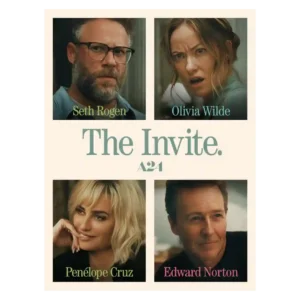

Compare The Invite vs Maddie’s Secret

P1 The Invite
P2 Maddie’s Secret

Comparison Takeaways

The Invite

Where It Has the Edge

  • plot originality is 5.0 vs 1.5. The story repeatedly swerves away from the most predictable version of its premise and complicates each character’s motives....
  • plot clarity is 3.5 vs 1.0. The central setup is easy to follow, but some later turns may lose viewers who have not fully...
  • screenplay quality is 4.8 vs 2.8. The screenplay is broadly celebrated as whip-smart, funny, adult, and emotionally perceptive. Its overlapping talk and carefully planted...
  • audience appeal is 5.0 vs 3.0. The film appears built for communal viewing, with packed audiences reportedly laughing hard and staying engaged. Its adult,...

Maddie’s Secret

Where It Has the Edge

  • runtime is 4.3 vs 2.7. At roughly 98 minutes, the film is generally considered compact and effective. One critic felt it came close...
  • score quality is 4.5 vs 3.1. The intentionally retro, slightly cheesy score reinforces the movie-of-the-week atmosphere and tongue-in-cheek mood. Its period influence is clear...
  • editing quality is 4.7 vs 3.5. Precise, energetic cutting strengthens the dance and binge-eating sequences, making them emotionally forceful and visually inventive. The editing...
  • visual style is 4.8 vs 4.2. The movie uses glossy color, distorted close-ups, shadows, mirrors, and heightened compositions to turn familiar television melodrama into...
Average score
Product 1: The Invite
4.5
Product 2: Maddie’s Secret
4.0
acting performance
Product 1: The Invite
4.8

The four leads are widely praised as a remarkably balanced ensemble, with several critics calling the work career-best. Even more mixed assessments agree the cast keeps the film lively.

Product 2: Maddie’s Secret
3.2

The ensemble usually embraces the heightened TV-movie style with committed, intentionally broad performances. A few dissenters found the acting artificial or weak when they rejected the film’s central conceit.

audience appeal
Product 1: The Invite
5.0

The film appears built for communal viewing, with packed audiences reportedly laughing hard and staying engaged. Its adult, dialogue-driven style should land best with viewers who enjoy sharp relationship comedy.

Product 2: Maddie’s Secret
3.0

This is an acquired taste built for viewers who enjoy John Early, camp melodrama, and very specific movie-of-the-week references. Several critics warned that newcomers may find it baffling, grating, or too insular.

audio description accessibility
Product 1: The Invite
No score yet
Product 2: Maddie’s Secret
1.0

The lack of an audio-description track was a clear accessibility weakness for blind viewers, making the film’s naturalistic visual presentation and casting conceit harder to understand.

character development
Product 1: The Invite
3.8

The four characters gradually reveal insecurity, grief, desire, and resentment beneath their initial comic types. Most find them richly layered, though one critic felt some interactions were overly manufactured.

Product 2: Maddie’s Secret
3.2

Maddie is widely seen as layered, vulnerable, and empathetic. Reactions are less consistent toward the supporting arcs, with complaints that the mother is too convenient and several relationships remain unresolved.

chemistry between characters
Product 1: The Invite
5.0

The quartet’s contrasting styles lock into a lively rhythm, while each new pairing creates a different emotional and comic charge. The believable friction between the married couple is especially important to the film’s impact.

Product 2: Maddie’s Secret
5.0

Maddie’s scenes with Deena and Jake give the film warmth, comic friction, and emotional grounding. Their contrasting kinds of devotion make the central relationships unusually memorable.

cinematography
Product 1: The Invite
5.0

The 35mm photography, careful blocking, mirrors, and shifting perspectives make one apartment feel cinematic and constantly changing. A few flourishes can feel conspicuous, but the visual craft is a major strength.

Product 2: Maddie’s Secret
4.9

Rich color, expressive shadows, close-ups, and carefully composed interiors give the movie a lush melodramatic look. Even mixed or negative critics often admired the visual confidence.

costume design
Product 1: The Invite
4.5

The clothing subtly places the buttoned-up hosts and liberated guests in visual opposition. These choices reinforce personality and relationship dynamics without becoming overly showy.

Product 2: Maddie’s Secret
No score yet
critic appeal
Product 1: The Invite
5.0

Critical response is overwhelmingly enthusiastic, with many calling it one of the year’s best comedies or films. A smaller group finds it shallow, overworked, or only intermittently funny.

Product 2: Maddie’s Secret
No score yet
dialogue quality
Product 1: The Invite
4.4

The rapid, overlapping dialogue is commonly described as crackling, sharp, natural, and extremely funny. Some critics find the verbal sparring self-satisfied or overextended, especially in longer arguments.

Product 2: Maddie’s Secret
3.2

The dialogue is deliberately stilted, overly precise, and melodramatic, which many found funny and purposeful. Viewers who did not accept the style described it as forced or atrocious.

directing quality
Product 1: The Invite
4.7

Olivia Wilde’s control of performance, space, and comic escalation is frequently called her strongest directing work. A few early choices feel fussy or overemphatic, but the overall staging is confident and inventive.

Product 2: Maddie’s Secret
4.5

John Early’s debut shows a distinct, confident visual voice and an ambitious command of camp, sincerity, and emotional escalation. Some critics still found the later storytelling uneven.

drama quality
Product 1: The Invite
5.0

Beneath the farce is a poignant chamber drama about disappointment, intimacy, and a marriage nearing collapse. The emotional seriousness gives the comedy weight without turning the film into a conventional tearjerker.

Product 2: Maddie’s Secret
No score yet
editing quality
Product 1: The Invite
3.5

The cutting usually gives the dinner party propulsive rhythm and helps the comedy snap into place. The most negative response calls the staccato approach cacophonous and exhausting.

Product 2: Maddie’s Secret
4.7

Precise, energetic cutting strengthens the dance and binge-eating sequences, making them emotionally forceful and visually inventive. The editing is among the craft elements praised even in mixed assessments.

emotional impact
Product 1: The Invite
4.8

The film repeatedly turns belly laughs into sadness, tenderness, and even tears. Its strongest moments make marital regret and buried longing hit harder because the comedy has lowered viewers’ defenses.

Product 2: Maddie’s Secret
4.9

The strongest reactions describe the film as unexpectedly moving, heartbreaking, tender, and compassionate. Its treatment-center scenes and mother-daughter confrontation produced the deepest emotional response.

ending satisfaction
Product 1: The Invite
4.5

Most critics admire the bittersweet, enigmatic, or quietly hopeful ending and expect audiences to discuss it afterward. A few consider it too cautious, noncommittal, or less satisfying than the journey.

Product 2: Maddie’s Secret
3.2

The ending divided critics: some found it tonally perfect and emotionally satisfying, while others thought it perfunctory or frustrated by unresolved relationships and career questions.

entertainment value
Product 1: The Invite
4.4

Despite its single location and talk-heavy structure, the film is widely considered a highly entertaining pressure cooker. Its combination of awkwardness, surprise, and star chemistry keeps the evening engaging.

Product 2: Maddie’s Secret
3.4

Most critics found the film funny, compelling, and unusually enjoyable despite its difficult subject. A vocal minority found it exhausting, excruciating, or simply unrewarding.

faithfulness to source material
Product 1: The Invite
4.8

The adaptation remains close to the Spanish source while adding American detail, greater sensuality, and more character expansion. Several critics consider it an unusually successful U.S. remake.

Product 2: Maddie’s Secret
No score yet
genre satisfaction
Product 1: The Invite
4.5

As an adult relationship dramedy, dark comedy, and sex farce, it delivers sophisticated laughs with real emotional stakes. Its frank approach to marriage and non-monogamy feels refreshingly grown-up.

Product 2: Maddie’s Secret
No score yet
humor
Product 1: The Invite
4.8

The strongest consensus is that the film is genuinely hilarious, with rapid insults, physical comedy, and escalating social discomfort producing big laughs. A small minority finds it only occasionally funny.

Product 2: Maddie’s Secret
4.4

The comedy ranges from visual gags and broad line readings to precise satire of influencer culture. Many found it uproarious, though some felt the jokes were insensitive, too niche, or inconsistent.

lead performance
Product 1: The Invite
5.0

Seth Rogen is repeatedly singled out for combining comic timing with deep, lived-in sadness, while Olivia Wilde earns career-best notices for anxious physical comedy and emotional vulnerability.

Product 2: Maddie’s Secret
4.5

John Early’s committed portrayal of Maddie is the film’s most consistent strength, praised as sincere, nuanced, and emotionally convincing. A smaller group found the casting distracting or the performance superficial.

message quality
Product 1: The Invite
4.5

The film argues for honesty, change, and renewed openness rather than prescribing monogamy or non-monogamy. Its hopeful ideas resonate with many critics, though a few find the relationship lessons obvious or didactic.

Product 2: Maddie’s Secret
3.9

The film is generally praised for treating eating disorders, body image, and social-media pressure with empathy rather than mockery. Strong dissenters felt the satire was insensitive or added little new.

originality
Product 1: The Invite
5.0

Even with a familiar dinner-party setup and multiple earlier adaptations, the film often feels fresh, contemporary, and surprising. Its specific observations about stalled relationships keep it from playing like a routine remake.

Product 2: Maddie’s Secret
4.5

Critics repeatedly call the film singular, bold, and difficult to categorize, blending melodrama, camp, satire, and sincerity. A few argue its story borrows too directly from earlier issue movies.

pacing
Product 1: The Invite
4.2

Most critics praise the kinetic rhythm and carefully timed reveals, especially within the single-apartment setup. Others find the opening overcharged or the later monologues and arguments too drawn out.

Product 2: Maddie’s Secret
2.6

The brisk first half and tight runtime work for many viewers, but the inpatient-treatment section is the most common pacing complaint. Several critics felt the middle or third act loses momentum.

plot clarity
Product 1: The Invite
3.5

The central setup is easy to follow, but some later turns may lose viewers who have not fully bought into the couples’ behavior. The film favors emotional escalation over a tidy, conventional plot.

Product 2: Maddie’s Secret
1.0

One strongly negative viewer found the movie’s central point and thematic purpose impossible to identify, especially as trauma, career ambition, relationships, and satire competed for attention.

plot originality
Product 1: The Invite
5.0

The story repeatedly swerves away from the most predictable version of its premise and complicates each character’s motives. Its surprises are a major pleasure even when the broad destination can be anticipated.

Product 2: Maddie’s Secret
1.5

The premise and style feel highly distinctive to many critics, but one harsh assessment argues that the overall story arc closely lifts from the 1986 television film Kate’s Secret.

production design
Product 1: The Invite
5.0

The renovated apartment functions like a fifth character, expressing warmth, distance, entrapment, and unfinished marital business. Its rooms, mirrors, decor, and sightlines keep the contained story visually alive.

Product 2: Maddie’s Secret
5.0

Vibrant, carefully arranged interiors and a heightened Los Angeles setting reinforce the movie’s glossy melodramatic world. Maddie’s shadowy, colorful home receives particular praise.

realism
Product 1: The Invite
5.0

The petty grievances, overlapping arguments, insecurity, and emotional stagnation feel painfully recognizable. Many critics see their own long-term relationship dynamics reflected in the film’s uncomfortable comedy.

Product 2: Maddie’s Secret
No score yet
rewatch value
Product 1: The Invite
4.8

The dense dialogue, layered performances, visual blocking, and ambiguous ending give the film strong repeat-viewing potential. The few explicit rewatch comments are highly enthusiastic.

Product 2: Maddie’s Secret
No score yet
romance quality
Product 1: The Invite
4.5

The film treats marriage, desire, and non-monogamy with curiosity rather than easy judgment. Its romantic outlook is messy but ultimately humane, showing both the fear and possibility involved in changing a relationship.

Product 2: Maddie’s Secret
No score yet
runtime
Product 1: The Invite
2.7

At roughly 107–108 minutes, the film feels tight and propulsive to some viewers but overlong to others. The most common concern is that the material could lose 15–20 minutes without sacrificing its emotional point.

Product 2: Maddie’s Secret
4.3

At roughly 98 minutes, the film is generally considered compact and effective. One critic felt it came close to overstaying its welcome, especially during the middle act.

score quality
Product 1: The Invite
3.1

Devonté Hynes’s string-heavy score sharply amplifies tension and comic rhythm for some critics. Others find it blaring, overly insistent, or distracting, making this the clearest technical point of disagreement.

Product 2: Maddie’s Secret
4.5

The intentionally retro, slightly cheesy score reinforces the movie-of-the-week atmosphere and tongue-in-cheek mood. Its period influence is clear without overwhelming the drama.

screenplay quality
Product 1: The Invite
4.8

The screenplay is broadly celebrated as whip-smart, funny, adult, and emotionally perceptive. Its overlapping talk and carefully planted reveals are major strengths, though a few critics call it over-written or smug.

Product 2: Maddie’s Secret
2.8

The screenplay earns praise for fearless tonal ambition, sharp comedy, and tenderness. Negative reactions focus on scattered themes, repetitive treatment-center material, and writing that becomes forced or unfocused.

sexual content level
Product 1: The Invite
4.5

The film is raunchy in subject and conversation but contains no explicit sex or nudity. Its adult material is generally seen as purposeful, playful, and tied to character rather than included for shock alone.

Product 2: Maddie’s Secret
No score yet
soundtrack quality
Product 1: The Invite
5.0

The musical selections are used sparingly but effectively, with the Sade needle drop singled out as a crowd-pleasing highlight. The songs add sensuality and irony to the relationship drama.

Product 2: Maddie’s Secret
No score yet
story quality
Product 1: The Invite
4.5

The familiar dinner-party premise grows into a surprisingly layered exploration of marriage and desire. Most find the story close to perfectly executed, though some consider its deeper turns forced or superficial.

Product 2: Maddie’s Secret
2.9

Supporters see a moving character study beneath the heightened surface, while detractors find the plot contrived, familiar, or underdeveloped. The mother-daughter story is often considered the strongest thread.

supporting cast performance
Product 1: The Invite
4.9

Penélope Cruz and Edward Norton are repeatedly praised as magnetic, funny, and unpredictable foils. Cruz brings seductive confidence and comic precision, while Norton balances smug charm with unexpected tenderness.

Product 2: Maddie’s Secret
4.9

The comedy ensemble is a major asset, with scene-stealing work across Maddie’s workplace, home, and treatment center. Even critics with reservations often praise the cast’s full commitment.

suspense
Product 1: The Invite
4.0

The apartment becomes a claustrophobic emotional trap as grievances, secrets, and attraction accumulate. The tension comes from social and marital danger rather than conventional thriller mechanics.

Product 2: Maddie’s Secret
No score yet
theme depth
Product 1: The Invite
4.2

The film digs into failed ambition, comparison, resentment, intimacy, and the stories couples tell themselves. Most find it insightful and mature, while a dissenting group sees only a superficial treatment of modern relationships.

Product 2: Maddie’s Secret
4.8

The film thoughtfully links internet visibility, appetite, body image, feminine expectations, and self-erasure. Its best moments show how public validation can intensify private harm.

tonal consistency
Product 1: The Invite
4.0

For most of its runtime, the film balances broad comedy, cringe, pathos, and sadness with impressive control. Several critics note that the late turn into darker emotion can feel choppy or forced.

Product 2: Maddie’s Secret
4.1

The blend of camp comedy, melodrama, and painful realism is the film’s defining gamble. Most critics admire the balance, while others find the shifts chaotic, indecisive, or emotionally incompatible.

visual style
Product 1: The Invite
4.2

Warm 35mm texture, mirrors, frames within frames, and precise spatial composition give the chamber piece a polished cinematic identity. Some critics find the early symbolism overly studied, but the overall look is admired.

Product 2: Maddie’s Secret
4.8

The movie uses glossy color, distorted close-ups, shadows, mirrors, and heightened compositions to turn familiar television melodrama into distinctive cinema. Its visual identity is widely admired.