Maddie’s Secret Movie Review
Bottom Line
Choose it for daring camp, compassionate drama, striking visuals, and John Early’s committed performance. Skip it if deliberate melodrama, drag casting, or abrupt tonal shifts are likely to feel grating.
Best for viewers who enjoy bold queer camp, stylized melodrama, specific movie-of-the-week references, and comedy that treats painful emotions sincerely.
Skip it if exaggerated acting, deliberately artificial dialogue, eating-disorder material, or sharp tonal shifts make it difficult to engage.
Maddie’s Secret succeeds most often when John Early’s total commitment, lush melodramatic imagery, and compassionate attention to eating disorders work in harmony. The film’s deliberately stilted dialogue, camp performances, and abrupt shifts from absurd comedy to painful drama are the point, and most critics found that high-wire act bold, funny, and unexpectedly moving. Early, Kate Berlant, Kristen Johnston, and Vanessa Bayer receive especially strong praise, while the cinematography and editing frequently stand out. The main reservation is accessibility: viewers unfamiliar with movie-of-the-week melodrama may find the style grating, and several critics felt the inpatient section drags, leaves supporting arcs unresolved, or treats its subject too glibly. It is distinctive, heartfelt filmmaking, but far from universally appealing.
Feature Scorecards
Summary
28 reviewed features- Very positive 4.5-5.0 43% 12 features
- Positive 3.5-4.4 14% 4 features
- Neutral 2.5-3.4 32% 9 features
- Negative 1.5-2.4 4% 1 feature
- Very negative below 1.5 7% 2 features
Pros
-
Vibrant, carefully arranged interiors and a heightened Los Angeles setting reinforce the movie’s glossy melodramatic world. Maddie’s shadowy, colorful home receives particular praise.
-
Maddie’s scenes with Deena and Jake give the film warmth, comic friction, and emotional grounding. Their contrasting kinds of devotion make the central relationships unusually memorable.
-
Rich color, expressive shadows, close-ups, and carefully composed interiors give the movie a lush melodramatic look. Even mixed or negative critics often admired the visual confidence.
-
The comedy ensemble is a major asset, with scene-stealing work across Maddie’s workplace, home, and treatment center. Even critics with reservations often praise the cast’s full commitment.
-
The strongest reactions describe the film as unexpectedly moving, heartbreaking, tender, and compassionate. Its treatment-center scenes and mother-daughter confrontation produced the deepest emotional response.
-
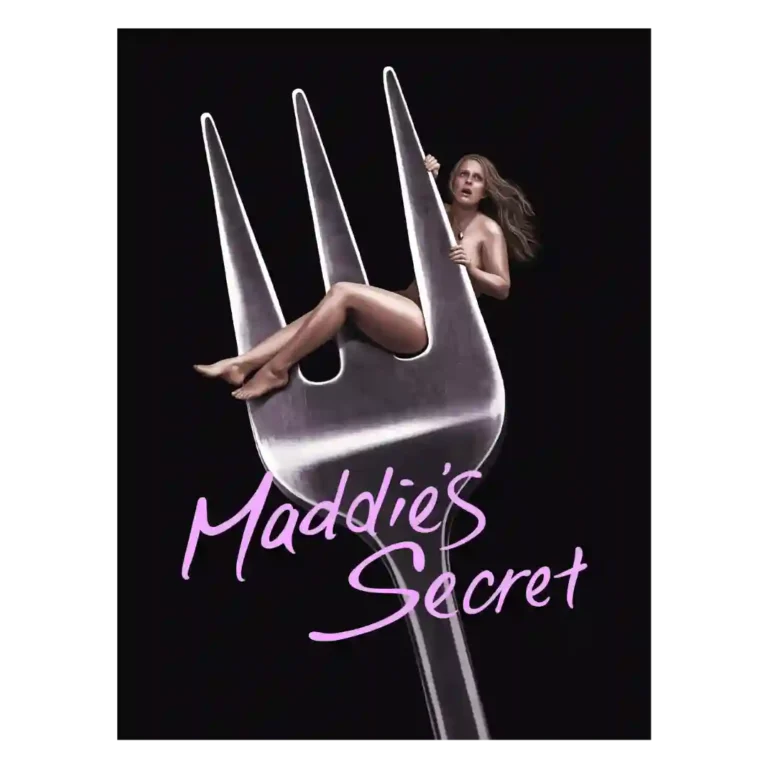
The movie uses glossy color, distorted close-ups, shadows, mirrors, and heightened compositions to turn familiar television melodrama into distinctive cinema. Its visual identity is widely admired.
-
The film thoughtfully links internet visibility, appetite, body image, feminine expectations, and self-erasure. Its best moments show how public validation can intensify private harm.
-
Precise, energetic cutting strengthens the dance and binge-eating sequences, making them emotionally forceful and visually inventive. The editing is among the craft elements praised even in mixed assessments.
-
John Early’s committed portrayal of Maddie is the film’s most consistent strength, praised as sincere, nuanced, and emotionally convincing. A smaller group found the casting distracting or the performance superficial.
-
John Early’s debut shows a distinct, confident visual voice and an ambitious command of camp, sincerity, and emotional escalation. Some critics still found the later storytelling uneven.
-
Critics repeatedly call the film singular, bold, and difficult to categorize, blending melodrama, camp, satire, and sincerity. A few argue its story borrows too directly from earlier issue movies.
-
The intentionally retro, slightly cheesy score reinforces the movie-of-the-week atmosphere and tongue-in-cheek mood. Its period influence is clear without overwhelming the drama.
-
The comedy ranges from visual gags and broad line readings to precise satire of influencer culture. Many found it uproarious, though some felt the jokes were insensitive, too niche, or inconsistent.
-
At roughly 98 minutes, the film is generally considered compact and effective. One critic felt it came close to overstaying its welcome, especially during the middle act.
-
The blend of camp comedy, melodrama, and painful realism is the film’s defining gamble. Most critics admire the balance, while others find the shifts chaotic, indecisive, or emotionally incompatible.
-
The film is generally praised for treating eating disorders, body image, and social-media pressure with empathy rather than mockery. Strong dissenters felt the satire was insensitive or added little new.
Cons
-
Most critics found the film funny, compelling, and unusually enjoyable despite its difficult subject. A vocal minority found it exhausting, excruciating, or simply unrewarding.
-
Maddie is widely seen as layered, vulnerable, and empathetic. Reactions are less consistent toward the supporting arcs, with complaints that the mother is too convenient and several relationships remain unresolved.
-
The ensemble usually embraces the heightened TV-movie style with committed, intentionally broad performances. A few dissenters found the acting artificial or weak when they rejected the film’s central conceit.
-
The dialogue is deliberately stilted, overly precise, and melodramatic, which many found funny and purposeful. Viewers who did not accept the style described it as forced or atrocious.
-
The ending divided critics: some found it tonally perfect and emotionally satisfying, while others thought it perfunctory or frustrated by unresolved relationships and career questions.
-
This is an acquired taste built for viewers who enjoy John Early, camp melodrama, and very specific movie-of-the-week references. Several critics warned that newcomers may find it baffling, grating, or too insular.
-
Supporters see a moving character study beneath the heightened surface, while detractors find the plot contrived, familiar, or underdeveloped. The mother-daughter story is often considered the strongest thread.
-
The screenplay earns praise for fearless tonal ambition, sharp comedy, and tenderness. Negative reactions focus on scattered themes, repetitive treatment-center material, and writing that becomes forced or unfocused.
-
The brisk first half and tight runtime work for many viewers, but the inpatient-treatment section is the most common pacing complaint. Several critics felt the middle or third act loses momentum.
-
The premise and style feel highly distinctive to many critics, but one harsh assessment argues that the overall story arc closely lifts from the 1986 television film Kate’s Secret.
-
The lack of an audio-description track was a clear accessibility weakness for blind viewers, making the film’s naturalistic visual presentation and casting conceit harder to understand.
-
One strongly negative viewer found the movie’s central point and thematic purpose impossible to identify, especially as trauma, career ambition, relationships, and satire competed for attention.
Cast & Creators
-
Beverlee RalphKristen Johnston’s brief work as Maddie’s mother is widely singled out as chilling, commanding, hilarious, and emotionally devastating. Several critics consider her confrontation scene a highlight.
-
JakeEric Rahill’s Jake is praised as a funny, convincingly deadpan, and genuinely supportive husband. His warmth helps ground the film’s more exaggerated relationships.
-
Maddie RalphMost critics praise John Early’s total commitment as Maddie and his unusually confident debut behind the camera. His sincerity makes the character moving for many viewers, though some reject the casting choice.
-
DeenaKate Berlant is repeatedly described as hilarious and scene-stealing, bringing volatility, vulnerability, and comic rhythm to Deena. Her subplot itself receives more mixed reactions.
-
JulieVanessa Bayer makes a strong impression as Julie, balancing naivety, lightness, humor, and vulnerability. Her performance gives the treatment-center section much of its emotional force.
Compared With Category Average
Compared with other Movies, this product is above average in runtime, editing quality, production design, below average in plot clarity, plot originality.
Summary
8 compared features- Above average 0.4+ pts higher 75% 6 features
- Same as average within 0.3 pts 0% 0 features
- Below average 0.4+ pts lower 25% 2 features
| Attribute | This product | Category average | Difference |
|---|---|---|---|
| plot clarity | 1.0 | 2.9 | -1.9 |
| plot originality | 1.5 | 3.3 | -1.8 |
| runtime | 4.3 | 2.6 | +1.7 |
| editing quality | 4.7 | 3.0 | +1.6 |
| production design | 5.0 | 3.5 | +1.5 |
| tonal consistency | 4.1 | 2.9 | +1.2 |
| emotional impact | 4.9 | 3.6 | +1.3 |
| supporting cast performance | 4.9 | 3.8 | +1.1 |
FAQ
Is Maddie’s Secret a parody or a serious drama?
It is both: a loving send-up of 1980s and 1990s issue movies that increasingly plays its eating-disorder story with genuine emotional seriousness.
How is John Early’s performance?
Most critics consider his committed, empathetic portrayal of Maddie the film’s central strength, though a minority found the casting distracting or misguided.
Does the film handle bulimia respectfully?
The broad consensus says it treats Maddie’s illness with compassion and avoids making her suffering the joke. Several strong dissenters felt the satire still crossed into insensitivity.
Is the movie broadly accessible?
Not especially. Its stilted dialogue, niche references, camp performances, and tonal swings are likely to work best for viewers already receptive to John Early’s style.
Does the reviewed version include audio description?
Two blind-viewer critiques said the version they watched lacked audio description, which made the film’s visual presentation harder to interpret.
Sample Expert Reviews We Analyzed
These are a few of the reviews included in our analysis.

Video Reviews
Article Reviews
- Review score
- 4.8
- Review score
- 1.7
- Review score
- 4.5
- Review score
- 1.2
Compared in Reviews
Products reviewers directly compared with this model, grouped into quick takeaways.
All That Heaven Allows
- Compared: color-rich melodramatic visual style The film’s colorful world is linked to the lush melodrama of All That Heaven Allows.
Far From Heaven
- Similar: sincere homage to older melodrama The movie is compared to Far From Heaven as a modern homage to an older melodramatic form.
Kate’s Secret
- Compared: movie-of-the-week story structure and style The film is presented as a loving modern recreation of the earlier bulimia melodrama.
Consider This Instead
If you want better plot originality
Choose The Invite. It scores 5.0 vs 1.5 for plot originality, with a 4.5 overall score.
If you want better story quality
Choose Romería. It scores 4.8 vs 2.9 for story quality, with a 4.5 overall score.
If you want better message quality
Choose Camp. It scores 4.5 vs 3.9 for message quality, with a 3.8 overall score.
If you want better plot clarity
Choose Remake. It scores 4.5 vs 1.0 for plot clarity, with a 4.8 overall score.
Top Movies to Consider
Best for a profound, formally inventive meditation on grief, memory, and the ethics of filming family. Skip it if intensely personal addiction material, a 114-minute runtime, or occasional repetition will...
Pros: plot originality, ending satisfaction
Cons: runtime, pacing

Best for a tender, accessible portrait that lets Oliver’s poetry, friends, and archival voice carry the experience. Skip it if you want a brisk, deeply investigative biography; the calm rhythm...
Pros: romance quality, faithfulness to source material
Cons: none
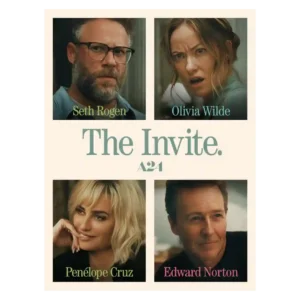
Best for razor-sharp adult comedy, exceptional ensemble work, and a surprisingly moving marriage story. Skip it if talk-heavy chamber pieces, explicit relationship discussions, or an occasionally intrusive string score wear...
Pros: plot originality, lead performance
Cons: runtime, score quality
Best for luminous coastal imagery, an exceptional debut performance, and a tender search through family memory. Skip it if slow pacing, subdued conflict, or a late shift into magical realism...
Pros: ending satisfaction, acting performance
Cons: character development, score quality