
Finnegan’s Foursome
Where It Has the Edge
- soundtrack quality is rated 4.4 while the other product has no score yet. The Parting Glass sequence is widely treated as a musical and emotional highlight. Its intimate pub performance and...
Quick verdict
Choose Finnegan’s Foursome for soundtrack quality.
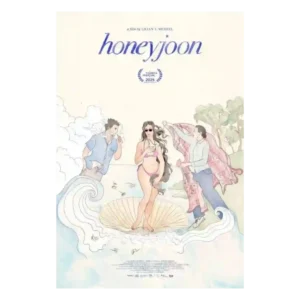
Choose Honeyjoon for editing quality and lead performance.
The movie feels insufficiently trimmed, with repeated golf rounds, wagers, and conversations that add little. Several critics argue that a cut near 90 minutes would have been substantially more effective.
One review singles out the cross-cutting between mother and daughter as the film’s most powerful sequence, using separation to show them exchanging approaches to grief.
Edward Burns’ Freddy is intentionally prickly, but many find him too abrasive and strained to root for. A smaller group appreciates how naturally Burns fits the wisecracking, resentful role.
The two leads carry the film with performances repeatedly described as heartfelt, perfectly cast, and emotionally attuned. Their work gives the compact story much of its depth.
The opening takes time to find its rhythm, and the repeated rounds of golf make the middle and back half drag. The mellow pace suits the subject, but the film often feels much longer than its story requires.
The meditative pace and brief runtime often feel patient, brisk, and appropriate to the intimate story. A negative review instead experiences long emotional plateaus.
The screenplay has moments of smart family observation, but it relies heavily on repetition, exposition, and generic resolutions. Its strongest ideas about grief and legacy are not developed with enough depth.
The screenplay is often praised for balancing humor, pathos, and precise character detail. Its recurring weakness is overambition: some reviewers find the themes heavy-handed, jokes under-supported, or storylines insufficiently developed.
The family conflicts and emotional payoffs are visible long before they arrive. The story follows a familiar grief-and-reconciliation path with virtually no surprises.
The film avoids obvious raunch-com mechanics and big manufactured reversals, which gives its small-scale grief story distinction. Another critic still considers the broader diaspora setup conventional.
The sibling ribbing and golf jokes produce occasional chuckles, particularly for people who know the game. Repetition, broad delivery, and forced banter keep much of the comedy from landing.
Humor is a major asset, ranging from dry awkwardness and deadpan side characters to bodily jokes and generational bickering. Most reviewers feel it relieves the grief without trivializing it, though one finds the comic structure weak.
The roughly two-hour length is the most consistent complaint. A simple, low-stakes family golf story is stretched by repeated banter and course sequences well beyond what most viewers feel it needs.
The 70–80 minute length is both a strength and a limitation. It keeps the film compact and prevents overstaying, but several reviewers wish it had more room for backstory and political themes.
Golf devotees and longtime Edward Burns fans are the clearest audience. The family story can still connect beyond that niche, but many non-golf viewers may find the constant course action tedious.
The film has demonstrated strong festival appeal, and one critic argues it deserves a much wider audience. Its intimate mother-daughter focus and emotional accessibility are the main reasons cited.
The memorial trip offers a warm foundation for a story about grief, rivalry, and family legacy. Most reactions find the execution too slight and repetitive, though a few see an effective, personal character piece.
The story earns considerable praise as an intimate, compassionate account of grief and a difficult mother-daughter bond. Negative reviews find it too slight, overstuffed, or emotionally withdrawn.
The film offers pleasant company, attractive scenery, and a relaxed hangout mood for receptive viewers. Others find the repetitive golf and bickering dull enough to overwhelm its modest charm.
Even mixed reviews tend to find the film enjoyable, helped by its humor, sensuality, scenery, and compact scale. Its emotional heaviness may limit the uplift for some viewers.
The affectionate ribbing sometimes makes the foursome feel like a real family with years of shared history. Other viewers find the family unit less believable when the characters become too schematic.
Reviewers value the lived-in arguments, understated revelations, and smartphone footage for making the relationship and vacation feel authentic rather than mechanically plotted.
The brothers receive the most attention, while Frankie and Marie are often reduced to simple traits or extensions of their parents. A few viewers found subtle layers, but most wanted more backstory and growth.
June and Lela often feel lived-in, specific, and recognizably difficult with each other. More critical reviewers say the short runtime leaves backstory thin or reduces them to generational and cultural types.
The family banter occasionally captures believable teasing and emotional avoidance, but it is repeated so often that it becomes forced and tiring. On-the-nose exposition and scripted-sounding exchanges are common complaints.
The dialogue is praised at its best for naturalistic bickering and culturally specific behavior. A more negative review finds some exchanges stiff and written mainly to deliver exposition.
Edward Burns creates an easygoing ensemble atmosphere and occasionally handles the family material with care. The direction is also criticized for weak tension, repetitive golf staging, and a lack of visual or dramatic ambition.
Direction is usually praised for actor work, restraint, emotional honesty, and the intelligent use of setting. Dissenters describe the framing as overly cautious or the style as effective but visually conservative.
The brothers’ resentment and grief provide a workable emotional foundation, but the conflicts are usually mild, predictable, and quickly resolved. The film rarely develops the stakes needed for a powerful family drama.
The grief drama can build to strong catharsis and poignancy, especially when centered on June and Lela. A skeptical review finds the reserved telling too withdrawn to fully work.
The pub performance, ash-scattering moments, and gradual family reconciliation can be genuinely touching. The lighter tone and shallow speeches sometimes keep the grief from landing as deeply as it could.
The film frequently lands as moving, compassionate, and personally recognizable, especially for viewers familiar with parental loss. Some critics feel the heavier late moments or underdeveloped ideas blunt the intended impact.
The basic memorial-trip structure is easy to follow, but several smaller beats and resolutions feel forced or poorly explained. Conversations often replace meaningful progression.
The film’s central mother-daughter journey is clear, but one review argues that an overambitious plot introduces more concepts than the short runtime can coherently develop.
The movie stays close to Edward Burns’ established family-dramedy formula and follows a very safe reconciliation arc. Its golf-and-ashes setup adds a new setting without making the storytelling feel fresh.
Reviewers see personal specificity in the film’s grief story and visual mix, but some consider the diaspora framework familiar or the overall result too plain to feel fully original.
The final stretch brings the family closer and closes on a gently heartfelt memorial gesture. The resolution is predictable, but it leaves the story on a warmer and more satisfying note.
The closing movement is generally satisfying, with the leads reaching a subtler, more comfortable place rather than undergoing a simplistic transformation.
The ensemble is generally solid, with several warm, natural turns offset by Edward Burns’ more abrasive lead work. Even harsher reactions usually praise at least one supporting performer.
The acting is the clearest consensus strength, with the central performances repeatedly called captivating, vulnerable, funny, and emotionally precise. A few dissenting reviews find the staging distancing or one performance somewhat one-note.
The film’s clearest idea is that shared rituals can help families grieve, reconnect, and reinterpret a difficult parent. That warm message resonates even when the writing treats it too simply.
The film’s central message is compassionate: grief has no single path, joy can coexist with loss, and healing means moving forward while carrying the absent person with you. Its political message is more contested.
Brian d’Arcy James is the most consistently praised performer, bringing warmth, ease, and emotional weight. Erica Hernandez also adds energy and confidence, while the remaining ensemble generally handles limited material well.
The supporting cast is a strong complement to the leads, with José Condessa’s soulful guide and António Maria’s deadpan concierge singled out for adding warmth and humor.
Ireland’s coastal courses and green landscapes are the film’s strongest craft asset. Even negative reactions frequently describe the scenery as gorgeous, breathtaking, or vacation-like.
The Azores are photographed with painterly beauty, striking wides, phone imagery, and textured film footage. Reviewers especially like how the landscapes reflect grief and emotional distance rather than functioning as scenery alone.
The Irish links, coastline, and greenery give the film an inviting, polished look. The landscape photography is far more distinctive than the otherwise functional and repetitive coverage of golf.
The visual style combines island vistas, soft compositions, Super 8 texture, crisp digital images, and vertical phone footage. This varied approach is consistently identified as one of the film’s most attractive qualities.
As a golf-centered family dramedy, it works best for viewers who enjoy the sport and Burns’ familiar style. Those expecting sharper comedy, stronger competition, or deeper drama may come away disappointed.
As a grief dramedy with flirtation, politics, and family comedy, the film is appealing but divisive. Several reviewers praise the blend, while others find the genre mix tonally confused or insufficiently developed.
Grief, fatherhood, legacy, sibling rivalry, and inherited family habits give the film meaningful material. The easygoing approach sometimes reveals subtle feeling, but it often stops short of a deeper exploration.
The film’s treatment of grief, identity, happiness, freedom, and diaspora can feel rich and humane. The main disagreement is whether those ideas are subtly layered or only surface-level and underdeveloped.
The movie mostly sustains a light, warm hangout tone, which many find charming. That breeziness can clash with sudden death and grief, leaving the comedy-drama balance uneven.
Many reviewers admire the balance of sorrow, humor, sensuality, and political context. Others find the transitions uneven or the accumulation of modes tonally confusing.
The central foursome often feels comfortable together, especially when the teasing settles into genuine affection. Burns and Brian d’Arcy James are especially convincing as competitive brothers.
Most reviewers find the mother-daughter chemistry magnetic and believable, especially in the pair’s bickering, tenderness, and uneven attempts to reconnect. One critic felt the staging made them seem less directly engaged with each other.
Irish heritage, pub traditions, family lore, and the landscape give the movie warmth and identity. The cultural details work best when they deepen the family’s connection rather than simply decorate the golf trip.
The Iranian diaspora and Woman, Life, Freedom material divides reviewers. Some find it layered, illuminating, and naturally integrated, while others call it shoehorned, underbaked, or performative.
Seamus Egan’s lively, Irish-inflected music helps preserve momentum when the pace slows. The score adds warmth and cultural texture without overpowering the family scenes.
The synth score is praised for fitting the lighthearted, feel-good atmosphere and supporting a sequence of sexual tension.
The romantic and sexual thread adds sensual energy, but one critic finds the cautious framing unable to generate enough excitement between June and João.
Sexuality is handled openly but with restraint. One reviewer specifically praises it as low-key, matter-of-fact, and far removed from raunch-com excess.
The Parting Glass sequence is widely treated as a musical and emotional highlight. Its intimate pub performance and more expansive credit arrangement give the film a welcome lift.
The golf matches rarely feel uncertain or consequential, so the competition produces little tension. Even the closing round improves more through family bonding than genuine sports suspense.