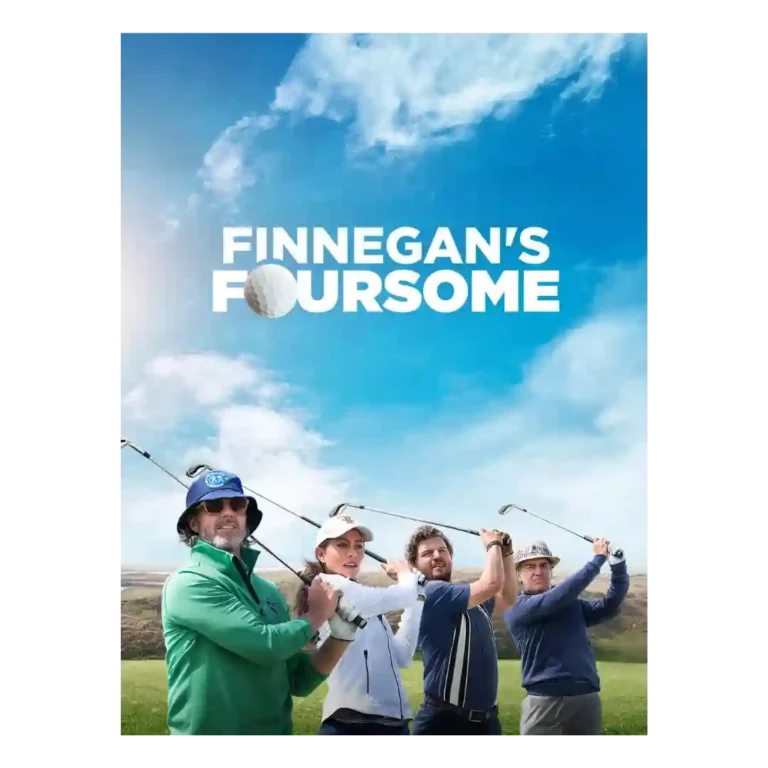
Finnegan’s Foursome

Finnegan’s Foursome Movie Review

Released: June 19, 2026
Updated: 7 minutes ago
3.0
Overall review score
245
Review evidence points
32
Scored features
21
Expert reviews

Bottom Line

Choose it for a gentle, scenic family dramedy if golf, Irish settings, and affectionate sibling rivalry sound inviting. Skip it if you need brisk pacing, substantial character growth, or comedy that stays fresh across two hours.

Best for

Golf fans, longtime Edward Burns followers, and viewers seeking a gentle adult family dramedy will get the most from its Irish scenery, relaxed mood, and affectionate sibling rivalry.

Not for

Viewers indifferent to golf or looking for brisk pacing, fresh comedy, deep character development, or high dramatic stakes should pass.

Verdict

Finnegan’s Foursome works best as a relaxed, affectionate hangout with a golf-obsessed family against spectacular Irish scenery. Brian d’Arcy James supplies the emotional center, Erica Hernandez adds welcome energy, and the ensemble often sells the affectionate rivalry. The Parting Glass sequence and the film’s message about grief, fathers, and shared family rituals also land warmly. However, Edward Burns stretches a slight, predictable story across roughly two hours, repeating golf rounds, wagers, grievances, and banter long after their appeal fades. The comedy is inconsistent, Freddy can be difficult to like, and the younger characters deserve more development. Golf fans and longtime Burns followers may enjoy its easygoing familiarity, while viewers seeking sharper laughs, stronger drama, or faster storytelling will likely find it underpowered.

Feature Scorecards

Summary

32 reviewed features
  • Very positive 4.5-5.0 3% 1 feature
  • Positive 3.5-4.4 34% 11 features
  • Neutral 2.5-3.4 38% 12 features
  • Negative 1.5-2.4 25% 8 features
  • Very negative below 1.5 0% 0 features

Pros

  • 4.5
    based on 1 review
    score quality: 4.5, based on 1 review
    Seamus Egan’s lively, Irish-inflected music helps preserve momentum when the pace slows. The score adds warmth and cultural texture without overpowering the family scenes.
  • 4.4
    based on 3 reviews
    soundtrack quality: 4.4, based on 3 reviews
    The Parting Glass sequence is widely treated as a musical and emotional highlight. Its intimate pub performance and more expansive credit arrangement give the film a welcome lift.
  • 4.3
    based on 9 reviews
    supporting cast performance: 4.3, based on 9 reviews
    Brian d’Arcy James is the most consistently praised performer, bringing warmth, ease, and emotional weight. Erica Hernandez also adds energy and confidence, while the remaining ensemble generally handles limited material well.
  • 4.2
    based on 7 reviews
    visual style: 4.2, based on 7 reviews
    The Irish links, coastline, and greenery give the film an inviting, polished look. The landscape photography is far more distinctive than the otherwise functional and repetitive coverage of golf.
  • 4.2
    based on 6 reviews
    chemistry between characters: 4.2, based on 6 reviews
    The central foursome often feels comfortable together, especially when the teasing settles into genuine affection. Burns and Brian d’Arcy James are especially convincing as competitive brothers.
  • 4.0
    based on 10 reviews
    cinematography: 4.0, based on 10 reviews
    Ireland’s coastal courses and green landscapes are the film’s strongest craft asset. Even negative reactions frequently describe the scenery as gorgeous, breathtaking, or vacation-like.
  • 4.0
    based on 2 reviews
    cultural representation: 4.0, based on 2 reviews
    Irish heritage, pub traditions, family lore, and the landscape give the movie warmth and identity. The cultural details work best when they deepen the family’s connection rather than simply decorate the golf trip.
  • 3.9
    based on 7 reviews
    message quality: 3.9, based on 7 reviews
    The film’s clearest idea is that shared rituals can help families grieve, reconnect, and reinterpret a difficult parent. That warm message resonates even when the writing treats it too simply.
  • 3.8
    based on 3 reviews
    ending satisfaction: 3.8, based on 3 reviews
    The final stretch brings the family closer and closes on a gently heartfelt memorial gesture. The resolution is predictable, but it leaves the story on a warmer and more satisfying note.
  • 3.7
    based on 7 reviews
    tonal consistency: 3.7, based on 7 reviews
    The movie mostly sustains a light, warm hangout tone, which many find charming. That breeziness can clash with sudden death and grief, leaving the comedy-drama balance uneven.
  • 3.7
    based on 2 reviews
    realism: 3.7, based on 2 reviews
    The affectionate ribbing sometimes makes the foursome feel like a real family with years of shared history. Other viewers find the family unit less believable when the characters become too schematic.
  • 3.6
    based on 12 reviews
    acting performance: 3.6, based on 12 reviews
    The ensemble is generally solid, with several warm, natural turns offset by Edward Burns’ more abrasive lead work. Even harsher reactions usually praise at least one supporting performer.

Cons

  • 3.4
    based on 11 reviews
    emotional impact: 3.4, based on 11 reviews
    The pub performance, ash-scattering moments, and gradual family reconciliation can be genuinely touching. The lighter tone and shallow speeches sometimes keep the grief from landing as deeply as it could.
  • 3.2
    based on 11 reviews
    theme depth: 3.2, based on 11 reviews
    Grief, fatherhood, legacy, sibling rivalry, and inherited family habits give the film meaningful material. The easygoing approach sometimes reveals subtle feeling, but it often stops short of a deeper exploration.
  • 3.1
    based on 6 reviews
    genre satisfaction: 3.1, based on 6 reviews
    As a golf-centered family dramedy, it works best for viewers who enjoy the sport and Burns’ familiar style. Those expecting sharper comedy, stronger competition, or deeper drama may come away disappointed.
  • 3.0
    based on 19 reviews
    entertainment value: 3.0, based on 19 reviews
    The film offers pleasant company, attractive scenery, and a relaxed hangout mood for receptive viewers. Others find the repetitive golf and bickering dull enough to overwhelm its modest charm.
  • 3.0
    based on 14 reviews
    audience appeal: 3.0, based on 14 reviews
    Golf devotees and longtime Edward Burns fans are the clearest audience. The family story can still connect beyond that niche, but many non-golf viewers may find the constant course action tedious.
  • 3.0
    based on 7 reviews
    directing quality: 3.0, based on 7 reviews
    Edward Burns creates an easygoing ensemble atmosphere and occasionally handles the family material with care. The direction is also criticized for weak tension, repetitive golf staging, and a lack of visual or dramatic ambition.
  • 2.6
    based on 13 reviews
    humor: 2.6, based on 13 reviews
    The sibling ribbing and golf jokes produce occasional chuckles, particularly for people who know the game. Repetition, broad delivery, and forced banter keep much of the comedy from landing.
  • 2.6
    based on 7 reviews
    drama quality: 2.6, based on 7 reviews
    The brothers’ resentment and grief provide a workable emotional foundation, but the conflicts are usually mild, predictable, and quickly resolved. The film rarely develops the stakes needed for a powerful family drama.
  • 2.5
    based on 15 reviews
    story quality: 2.5, based on 15 reviews
    The memorial trip offers a warm foundation for a story about grief, rivalry, and family legacy. Most reactions find the execution too slight and repetitive, though a few see an effective, personal character piece.
  • 2.5
    based on 11 reviews
    character development: 2.5, based on 11 reviews
    The brothers receive the most attention, while Frankie and Marie are often reduced to simple traits or extensions of their parents. A few viewers found subtle layers, but most wanted more backstory and growth.
  • 2.5
    based on 7 reviews
    lead performance: 2.5, based on 7 reviews
    Edward Burns’ Freddy is intentionally prickly, but many find him too abrasive and strained to root for. A smaller group appreciates how naturally Burns fits the wisecracking, resentful role.
  • 2.5
    based on 1 review
    plot clarity: 2.5, based on 1 review
    The basic memorial-trip structure is easy to follow, but several smaller beats and resolutions feel forced or poorly explained. Conversations often replace meaningful progression.
  • 2.3
    based on 11 reviews
    dialogue quality: 2.3, based on 11 reviews
    The family banter occasionally captures believable teasing and emotional avoidance, but it is repeated so often that it becomes forced and tiring. On-the-nose exposition and scripted-sounding exchanges are common complaints.
  • 2.2
    based on 9 reviews
    screenplay quality: 2.2, based on 9 reviews
    The screenplay has moments of smart family observation, but it relies heavily on repetition, exposition, and generic resolutions. Its strongest ideas about grief and legacy are not developed with enough depth.
  • 2.1
    based on 13 reviews
    pacing: 2.1, based on 13 reviews
    The opening takes time to find its rhythm, and the repeated rounds of golf make the middle and back half drag. The mellow pace suits the subject, but the film often feels much longer than its story requires.
  • 1.9
    based on 4 reviews
    editing quality: 1.9, based on 4 reviews
    The movie feels insufficiently trimmed, with repeated golf rounds, wagers, and conversations that add little. Several critics argue that a cut near 90 minutes would have been substantially more effective.
  • 1.8
    based on 11 reviews
    runtime: 1.8, based on 11 reviews
    The roughly two-hour length is the most consistent complaint. A simple, low-stakes family golf story is stretched by repeated banter and course sequences well beyond what most viewers feel it needs.
  • 1.7
    based on 4 reviews
    originality: 1.7, based on 4 reviews
    The movie stays close to Edward Burns’ established family-dramedy formula and follows a very safe reconciliation arc. Its golf-and-ashes setup adds a new setting without making the storytelling feel fresh.
  • 1.5
    based on 1 review
    plot originality: 1.5, based on 1 review
    The family conflicts and emotional payoffs are visible long before they arrive. The story follows a familiar grief-and-reconciliation path with virtually no surprises.
  • 1.5
    based on 1 review
    suspense: 1.5, based on 1 review
    The golf matches rarely feel uncertain or consequential, so the competition produces little tension. Even the closing round improves more through family bonding than genuine sports suspense.

Cast & Creators

  • Cinematographer
    4.9
    based on 4 reviews
    Jeff Muhlstock: 4.9, based on 4 reviews
    Muhlstock’s cinematography is one of the film’s most consistently celebrated contributions. His images turn Ireland’s coastal courses into breathtaking scenery and give the story a welcoming vacation-like quality.
  • Teddy
    4.5
    based on 8 reviews
    Brian d’Arcy James: 4.5, based on 8 reviews
    James is the clearest acting standout, giving Teddy relaxed warmth, kindness, and emotional credibility. His chemistry with Burns and his performance of The Parting Glass provide much of the film’s heart.
  • Composer
    4.5
    based on 1 review
    Seamus Egan: 4.5, based on 1 review
    Egan’s lively Irish-inflected music keeps the film moving when its pace begins to sag. His arrangement of The Parting Glass also strengthens one of the story’s most emotional moments.
  • Jack
    4.0
    based on 1 review
    Ian McElhinney: 4.0, based on 1 review
    McElhinney gives Jack enough charisma and warmth to make the patriarch enjoyable before his death. His presence helps define the family’s later grief and resentment.
  • Actor
    4.0
    based on 1 review
    Owen Roe: 4.0, based on 1 review
    Roe’s brief appearance as Jack’s grouchy brother gives the story a timely spark. The small role adds flavor just when the golf trip needs a change of energy.
  • Marie
    3.8
    based on 5 reviews
    Erica Hernandez: 3.8, based on 5 reviews
    Hernandez brings confidence and needed energy as Marie, helping enliven the male-heavy tournament. Her natural performance earns strong praise even when the character is given limited depth.
  • Frankie
    2.8
    based on 4 reviews
    Brian Muller: 2.8, based on 4 reviews
    Muller is generally solid in a thinly written role, with a few memorable moments. Some find Frankie’s running commentary irritating and do not fully buy his former-rocker persona.
  • Freddy
    2.6
    based on 14 reviews
    Edward Burns: 2.6, based on 14 reviews
    Burns’ easygoing filmmaking and comfort with prickly family characters work for some viewers, but many find Freddy abrasive and the writing repetitive. His best notices praise the familiar ensemble touch; the harshest call the film a major directing and screenwriting misfire.

Compared With Category Average

Compared with other Movies, this product is below average in suspense, originality, plot originality.

Summary

8 compared features
  • Above average 0.4+ pts higher 0% 0 features
  • Same as average within 0.3 pts 0% 0 features
  • Below average 0.4+ pts lower 100% 8 features
Attribute This product Category average Difference
suspense 1.5 3.6 -2.1
originality 1.7 3.6 -1.9
plot originality 1.5 3.3 -1.8
lead performance 2.5 4.2 -1.6
editing quality 1.9 3.2 -1.3
humor 2.6 3.6 -1.0
runtime 1.8 2.7 -0.9
drama quality 2.6 3.6 -1.0

FAQ

Do you need to like golf to enjoy Finnegan’s Foursome?

Not absolutely, because the family story and Irish scenery offer appeal beyond the sport. Still, golf dominates the runtime, and many non-fans found that focus exhausting.

What is the movie’s strongest feature?

The Irish course photography receives the most consistent praise. Brian d’Arcy James’ warm performance and the ensemble’s family chemistry are also major strengths.

Is Finnegan’s Foursome funny?

It has occasional chuckles and believable sibling teasing, especially for golf fans. The repeated banter and broad delivery cause many jokes to wear out quickly.

Does the two-hour runtime feel long?

Yes. The most common complaint is that the simple memorial-trip story repeats too many golf rounds and family arguments and would work better with a much tighter edit.

Does the family drama become emotional?

The ash-scattering scenes, The Parting Glass performance, and final reconciliation can be touching. The light tone and predictable writing keep the grief from reaching its full potential.

Sample Expert Reviews We Analyzed

These are a few of the reviews included in our analysis.

moviesthruthespectrum.com

Brian D’Arcy James and Ed Burns play battling siblings in the golf dramedy “Finnegan’s Foursome.” Pleasant ‘Foursome’ is far from an ace Don’t…

Review score
3.3

Compared in Reviews

Products reviewers directly compared with this model, grouped into quick takeaways.

Tin Cup

  • Better: narrative hook Tin Cup gives its golf story a stronger hook through romance.
  • Better: golf movie quality Tin Cup is presented as a much stronger golf movie.
  • Better: sports-movie investment Unlike Tin Cup, the tournament gives viewers little reason to care who wins.

Millers in Marriage

  • Better: writing and relationship drama It falls far short of the mature relationship writing praised in Millers in Marriage.
  • Worse: overall quality This film is considered more successful than the critic's disliked Millers in Marriage.

Bobby Jones: Stroke of Genius

  • Similar: amount of golf content Its golf emphasis is comparable to a traditional biographical golf film.

Consider This Instead

If you want better originality

Choose Camp. It scores 4.7 vs 1.7 for originality, with a 3.8 overall score.

Compare

If you want better plot originality

Choose The Invite. It scores 5.0 vs 1.5 for plot originality, with a 4.5 overall score.

Compare

If you want better runtime

Choose Maddie’s Secret. It scores 4.3 vs 1.8 for runtime, with a 4.0 overall score.

Compare

If you want better suspense

Choose Romería. It scores 4.5 vs 1.5 for suspense, with a 4.5 overall score.

Compare

Top Movies to Consider

#1 Remake
4.8

Best for a profound, formally inventive meditation on grief, memory, and the ethics of filming family. Skip it if intensely personal addiction material, a 114-minute runtime, or occasional repetition will...

Pros: plot originality, ending satisfaction

Cons: runtime, pacing
#2 Mary Oliver: Saved by the Beauty of the World
4.7

Best for a tender, accessible portrait that lets Oliver’s poetry, friends, and archival voice carry the experience. Skip it if you want a brisk, deeply investigative biography; the calm rhythm...

Pros: romance quality, faithfulness to source material

Cons: none
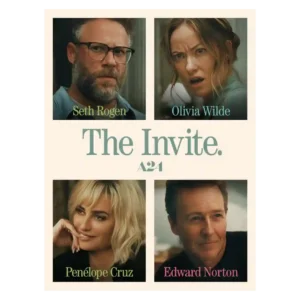
#3 The Invite
4.5

Best for razor-sharp adult comedy, exceptional ensemble work, and a surprisingly moving marriage story. Skip it if talk-heavy chamber pieces, explicit relationship discussions, or an occasionally intrusive string score wear...

Pros: plot originality, lead performance

Cons: runtime, score quality

#4 Romería
4.5

Best for luminous coastal imagery, an exceptional debut performance, and a tender search through family memory. Skip it if slow pacing, subdued conflict, or a late shift into magical realism...

Pros: ending satisfaction, acting performance

Cons: character development, score quality