Compare Leviticus vs The Death of Robin Hood

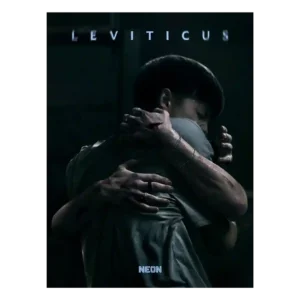
P1 Leviticus
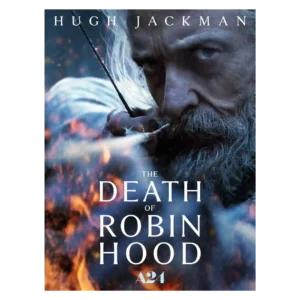
P2 The Death of Robin Hood

Comparison Takeaways

Leviticus

Where It Has the Edge

  • critic appeal is 5.0 vs 2.5. Critical response is strongly favorable, with particular enthusiasm for the performances, central metaphor, suspense, and romance. Reservations focus...
  • violence level is 4.0 vs 1.6. The violence is brutal and emotionally purposeful rather than constant. Its limited but graphic attacks reinforce the cruelty...
  • romance quality is 4.6 vs 2.5. The tender, awkward first-love story is one of the film’s most consistently praised elements. Its intimacy gives the...
  • runtime is 4.5 vs 2.5. The sub-90-minute length is generally viewed as welcome and efficient. A few critics still felt the final stretch...

The Death of Robin Hood

Where It Has the Edge

  • world-building is 4.5 vs 2.1. The film builds a persuasive medieval world of blood feuds, ruined landscapes, religious refuge, and fragile community. Its...
  • originality is 4.2 vs 3.4. Reviewers consistently recognize the film as a fresh, daring inversion of the familiar outlaw legend. Its anti-heroic, anti-action...
  • action sequences is rated 4.5 while the other product has no score yet. The opening combat is savage, messy, and physically convincing rather than heroic or polished. Reviewers admired the stunt...
  • faithfulness to source material is rated 4.5 while the other product has no score yet. The film draws thoughtfully from older Robin Hood ballads and the darker edges of the folklore while freely...
Average score
Product 1: Leviticus
4.2
Product 2: The Death of Robin Hood
3.4
acting performance
Product 1: Leviticus
4.6

Joe Bird and Stacy Clausen are the clear standout, bringing tenderness, panic, guilt, and menace to emotionally demanding roles. Even less enthusiastic critics generally praised the acting.

Product 2: The Death of Robin Hood
4.5

The cast is broadly praised for committed, emotionally grounded work, even by reviewers who disliked the film. The performances often keep the severe material watchable when the story stalls.

action sequences
Product 1: Leviticus
No score yet
Product 2: The Death of Robin Hood
4.5

The opening combat is savage, messy, and physically convincing rather than heroic or polished. Reviewers admired the stunt work and impact, though the brutality can be exhausting.

age appropriateness
Product 1: Leviticus
No score yet
Product 2: The Death of Robin Hood
1.5

The graphic first half is a poor fit for younger or sensitive viewers. Its child killings, gore, and bleak moral atmosphere make the film firmly adult-oriented.

audience appeal
Product 1: Leviticus
4.5

The emotional romance and accessible curse premise give the film crossover potential beyond dedicated horror fans. Its bleak subject matter and restrained supernatural spectacle may narrow that appeal.

Product 2: The Death of Robin Hood
2.6

This is most likely to satisfy viewers who enjoy slow, grim period dramas and revisionist folklore. Those expecting a lively Robin Hood adventure or broad entertainment may struggle.

character development
Product 1: Leviticus
3.1

Naim’s flaws and emotional shifts come through clearly, but Ryan and several supporting characters can feel thin or unevenly developed. The limited backstory weakens the impact for some viewers.

Product 2: The Death of Robin Hood
2.4

Robin’s late-life reckoning intrigues reviewers, but many find his inner change too remote, vague, or convenient. The redemption arc works best when grounded in his relationships with Brigid and the children.

chemistry between characters
Product 1: Leviticus
4.7

The central romance is powered by unusually strong chemistry, with the leads making stolen affection, distrust, and reconciliation feel immediate. A small minority found the relationship underwritten despite the performances.

Product 2: The Death of Robin Hood
4.5

Robin’s gentler connections with Margaret and Brigid are among the film’s most affecting elements. Reviewers especially praise the natural warmth that emerges against the otherwise severe tone.

cinematography
Product 1: Leviticus
4.7

Desaturated industrial landscapes, intimate close-ups, and isolating compositions give the film a bleak but striking look. The camera repeatedly turns open spaces and familiar faces into sources of unease.

Product 2: The Death of Robin Hood
4.8

The cinematography is one of the clearest strengths, with ravishing landscapes, textured 35mm imagery, expressive aspect-ratio changes, and striking contrasts between mud-dark violence and island light.

costume design
Product 1: Leviticus
4.2

Understated clothing supports the town’s drab conformity and the film’s grounded unease. The design works quietly with the setting rather than calling attention to itself.

Product 2: The Death of Robin Hood
4.5

The rough fabrics, weathered clothing, and old-world details help sell the medieval setting. The costumes blend naturally with the earthy production design rather than feeling decorative.

critic appeal
Product 1: Leviticus
5.0

Critical response is strongly favorable, with particular enthusiasm for the performances, central metaphor, suspense, and romance. Reservations focus mainly on familiar influences and underdeveloped rules.

Product 2: The Death of Robin Hood
2.5

The film’s austere pacing, symbolism, and anti-blockbuster structure may appeal more to critics and arthouse audiences than mainstream viewers. That specialized focus can also feel self-conscious.

cultural representation
Product 1: Leviticus
5.0

The film’s direct queer perspective gives its horror unusual specificity and emotional authenticity. It has been praised as a meaningful contribution to queer horror rather than a generic curse story with representation added on.

Product 2: The Death of Robin Hood
No score yet
dialogue quality
Product 1: Leviticus
3.3

The strongest exchanges feel casual and revealing, especially between the two boys. Some later dialogue is clunky or too explicit about the film’s themes.

Product 2: The Death of Robin Hood
3.0

Some reviewers love the intimate storytelling scenes and formal exchanges, while others find the dialogue stilted, mumbled, or emotionally distancing. The writing is strongest in quieter character encounters.

directing quality
Product 1: Leviticus
4.8

Adrian Chiarella’s debut is widely regarded as assured, sensitive, and controlled. He handles intimacy and dread especially well, even when the screenplay’s rules or side characters are less polished.

Product 2: The Death of Robin Hood
3.4

Michael Sarnoski’s direction is bold, visually controlled, and committed to deconstructing the legend. Reactions split over whether that restraint creates profundity or an overly severe, underpowered drama.

drama quality
Product 1: Leviticus
4.0

The jealousy, betrayal, repression, and longing often carry more force than the supernatural attacks. The romantic conflict gives the horror its emotional stakes.

Product 2: The Death of Robin Hood
3.8

The film works as a somber character study rather than a conventional adventure. Its seriousness gives the material weight, though it can also make the experience feel emotionally remote.

editing quality
Product 1: Leviticus
4.8

The editing creates sharp shifts between open-space unease and claustrophobic danger while keeping the story compact. Its timing helps uncertainty linger whenever a familiar face appears.

Product 2: The Death of Robin Hood
No score yet
emotional impact
Product 1: Leviticus
4.3

The film is frequently described as heartbreaking, haunting, and deeply upsetting, with a modest thread of hope. Viewers who wanted fuller characterization were less emotionally invested.

Product 2: The Death of Robin Hood
3.3

Several reviewers found the redemption story haunting, tender, and unexpectedly moving. Others felt the film’s coldness, thin characterization, and slow middle prevented the intended emotions from landing.

ending satisfaction
Product 1: Leviticus
4.1

Many critics admired the bittersweet final note and its refusal to offer an easy cure, finding it graceful and hopeful without denying lasting danger. Others found the ending abrupt or insufficiently resolved.

Product 2: The Death of Robin Hood
3.2

The final image and thematic resolution moved some reviewers with their beauty and restraint. Others found the ending rushed, underexplored, or unable to deliver the emotional punch it promises.

entertainment value
Product 1: Leviticus
3.5

The film can be gripping and emotionally absorbing, but its bleakness makes it more punishing than conventionally fun. Its strongest appeal is to viewers who value mood, metaphor, and romance over constant thrills.

Product 2: The Death of Robin Hood
2.5

Entertainment value is sharply divided: admirers appreciate the reflective mood and unconventional structure, while detractors call it a joyless slog. It is not designed as a breezy or action-heavy crowd-pleaser.

faithfulness to source material
Product 1: Leviticus
No score yet
Product 2: The Death of Robin Hood
4.5

The film draws thoughtfully from older Robin Hood ballads and the darker edges of the folklore while freely reshaping details. Reviewers generally see its relationship to the canon as purposeful rather than literal.

family friendliness
Product 1: Leviticus
No score yet
Product 2: The Death of Robin Hood
1.2

This is not family-friendly Robin Hood material. Strong bloody violence, child deaths, despair, and a relentlessly adult tone make it unsuitable for casual family viewing.

genre satisfaction
Product 1: Leviticus
4.2

The movie delivers enough gore, jumps, stalking tension, and dread to function as horror while remaining primarily character-driven. Viewers seeking nonstop scares may find it quieter than expected.

Product 2: The Death of Robin Hood
4.5

Fans of grim revisionist folklore, meditative westerns, and morally thorny period dramas may find the approach rewarding. Traditional swashbuckling expectations are deliberately denied.

historical accuracy
Product 1: Leviticus
No score yet
Product 2: The Death of Robin Hood
4.2

The film’s muddy combat, rough living conditions, natural light, and austere environments create a convincing medieval texture. Its realism is atmospheric rather than a claim of strict factual reconstruction.

humor
Product 1: Leviticus
2.0

Humor is rare and deliberately uncomfortable. The few darkly comic beats do not land for every viewer and offer little relief from the film’s bleakness.

Product 2: The Death of Robin Hood
1.2

The movie is nearly humorless, and some reviewers see that severity as a weakness. Its rare flashes of macabre personality come mostly through Little John rather than comic relief.

lead performance
Product 1: Leviticus
4.9

Joe Bird gives Naim a vulnerable, expressive interior life, while Stacy Clausen shifts convincingly between tenderness, bravado, and frightening impersonation. Both leads are repeatedly singled out as major strengths.

Product 2: The Death of Robin Hood
5.0

Hugh Jackman’s lead is widely regarded as the film’s anchor, combining physical weariness, menace, regret, and restrained tenderness. Even negative reviews often single him out as a major strength.

makeup quality
Product 1: Leviticus
No score yet
Product 2: The Death of Robin Hood
3.0

The aged, weathered transformation mostly works, especially the hair and overall grime. One reviewer found the beard application noticeably uneven in places.

message quality
Product 1: Leviticus
2.4

The condemnation of conversion therapy and religiously sanctioned shame is forceful and easy to understand. Some critics felt the message became too blunt, repetitive, or heavy-handed.

Product 2: The Death of Robin Hood
2.0

The film’s ideas about guilt, forgiveness, and redemption are ambitious, but some reviewers feel it never fully commits to or resolves them. Its moral argument can feel more suggestive than satisfying.

originality
Product 1: Leviticus
3.4

The desire-shaped demon is a sharp variation on the supernatural-stalker formula, and the queer perspective gives it distinct emotional meaning. Comparisons with It Follows are unavoidable, and a few critics found the execution overly familiar.

Product 2: The Death of Robin Hood
4.2

Reviewers consistently recognize the film as a fresh, daring inversion of the familiar outlaw legend. Its anti-heroic, anti-action approach feels distinctive even when the execution frustrates.

pacing
Product 1: Leviticus
3.3

The compact runtime keeps most of the film focused, and several critics praised its escalating tension. Others felt the slow-burn setup dragged, the final act repeated itself, or the story moved too quickly to deepen its characters.

Product 2: The Death of Robin Hood
1.9

Pacing is the most repeated complaint. The deliberate shift from a violent opening to a quiet priory drama works for some, but many describe the middle as sluggish, restless, or ponderous.

plot clarity
Product 1: Leviticus
2.7

The central curse is easy to grasp, but its boundaries and behavior are not always consistent. Questions about when victims are truly alone and how the entity learns remain underexplained.

Product 2: The Death of Robin Hood
1.8

The story leaves important motivations and backstory deliberately vague. For some viewers, that ambiguity weakens emotional investment and makes Robin’s redemption harder to understand.

plot originality
Product 1: Leviticus
4.5

The monster’s use of a loved one’s face is a strong, emotionally loaded horror hook. Familiar stalking mechanics remain, but the conversion-therapy framework gives the plot a distinctive purpose.

Product 2: The Death of Robin Hood
4.8

The plot overturns familiar Robin Hood expectations by treating the legend as a lie and focusing on guilt, mortality, and the end of violence. That subversion is one of its strongest creative choices.

practical effects quality
Product 1: Leviticus
4.5

The wound effects are used sparingly but land with convincing impact. Their restraint keeps the violence tactile without turning the film into a gore showcase.

Product 2: The Death of Robin Hood
4.2

The physical violence and weapon impacts are described as disturbingly realistic. The effects make the action feel painful and immediate rather than glossy or fantastical.

production design
Product 1: Leviticus
4.6

The abandoned mill, faded homes, church interiors, and industrial surroundings create a spare, oppressive world. Small visual details reinforce the boys’ isolation and the community’s emotional austerity.

Product 2: The Death of Robin Hood
4.5

Stone halls, muddy landscapes, simple orchards, and worn interiors create a vivid gothic medieval world. The design supports the film’s movement from hellish brutality toward fragile sanctuary.

realism
Product 1: Leviticus
4.8

Despite the supernatural premise, the social pressure, secrecy, jealousy, and religious coercion feel painfully plausible. That grounded reality makes the curse more disturbing.

Product 2: The Death of Robin Hood
4.0

The film emphasizes ugly, intimate violence and harsh period living over romantic adventure. Reviewers often find the tactile detail convincing, even when the realism becomes oppressive.

romance quality
Product 1: Leviticus
4.6

The tender, awkward first-love story is one of the film’s most consistently praised elements. Its intimacy gives the supernatural threat real weight and keeps the movie from becoming only a trauma allegory.

Product 2: The Death of Robin Hood
2.5

Robin and Brigid share tenderness and a possible spark, but the film keeps their bond restrained and largely platonic. Viewers expecting a developed romance may find it underrealized.

runtime
Product 1: Leviticus
4.5

The sub-90-minute length is generally viewed as welcome and efficient. A few critics still felt the final stretch repeated itself or that the story needed more room to develop.

Product 2: The Death of Robin Hood
2.5

At roughly two hours, the film’s meditative structure does not always feel fully earned. Some reviewers wanted tighter progression through the priory section.

scares
Product 1: Leviticus
3.9

The film earns strong tension, a few standout jump scares, and several disturbing identity-switch set pieces. Reactions are mixed on overall fright level, with some viewers finding the supernatural element restrained or underwhelming.

Product 2: The Death of Robin Hood
No score yet
score quality
Product 1: Leviticus
4.7

Jed Kurzel’s score blends melancholy with low, ominous pressure. It supports both the romance and the dread without overwhelming the film’s quieter moments.

Product 2: The Death of Robin Hood
4.8

Jim Ghedi’s folk-inflected score is widely praised for its mournful power. It deepens the old-world atmosphere and gives the film emotional lift when the drama turns sparse.

screenplay quality
Product 1: Leviticus
2.9

The script has a potent premise and strong relationship details, but its development is uneven. Critics most often questioned thin supporting roles, repeated third-act beats, and incomplete supernatural rules.

Product 2: The Death of Robin Hood
3.1

The screenplay contains thoughtful ideas about storytelling, violence, and absolution, with some beautifully written exchanges. Critics are divided over whether it develops those ideas deeply enough.

sound design
Product 1: Leviticus
4.7

Clanks, hums, silence, and other abrasive textures create a sinister atmosphere that feels larger than the film’s budget. The soundscape is especially effective when reality and imitation begin to blur.

Product 2: The Death of Robin Hood
3.5

Heavy arrows, axes, and bodily impacts give the violence unusual force, and several reviewers admire the thudding soundscape. One reviewer found the recurring wind effect distracting and repetitive.

soundtrack quality
Product 1: Leviticus
4.5

The selective use of songs, especially Frank Ocean’s “Self Control,” gives the closing movement a bittersweet emotional lift. The soundtrack complements rather than overwhelms the original score.

Product 2: The Death of Robin Hood
3.5

The funeral-like folk music strongly reinforces the film’s mournful identity. Its severity fits the material, though it contributes to the unrelenting gloom.

special effects quality
Product 1: Leviticus
4.5

Practical wounds and digital enhancements are used selectively and effectively. The effects support the violence without distracting from the performances.

Product 2: The Death of Robin Hood
No score yet
story quality
Product 1: Leviticus
3.8

The core story combines first love, betrayal, conversion therapy, and supernatural pursuit with clear emotional purpose. Its impact is reduced for some viewers by sparse character history and an underdeveloped mythology.

Product 2: The Death of Robin Hood
3.0

The story is the main dividing line: supporters call it profound, moving, and inventive, while detractors find it thin, vague, and dramatically inert. Nearly everyone agrees it is a radical departure from familiar Robin Hood adventures.

supporting cast performance
Product 1: Leviticus
4.0

Mia Wasikowska makes the mother’s cold, conflicted faith unsettling, even with limited screen time. Critics often wished the role and other adults had been developed further.

Product 2: The Death of Robin Hood
3.8

The supporting ensemble is consistently capable and often excellent, especially in quiet scenes around the priory. Several reviewers still feel the characters are underwritten or given too little screen time.

suspense
Product 1: Leviticus
4.6

Uncertainty over whether Naim or Ryan is real drives sustained, often nail-biting tension. The film is strongest when affection and danger occupy the same scene.

Product 2: The Death of Robin Hood
4.5

Despite its contemplative second half, the film often preserves a sense that Robin’s past will catch up with him. Reviewers praised the twists and sustained unease even when action recedes.

theme depth
Product 1: Leviticus
4.7

The curse turns imposed shame into a physical threat, making desire, repression, betrayal, and community control inseparable. The metaphor is blunt but widely considered powerful, timely, and emotionally coherent.

Product 2: The Death of Robin Hood
4.2

The film’s richest material examines how stories reshape violence, whether redemption can be earned, and what a legacy costs. Many reviewers find those themes compelling even when the narrative treatment feels incomplete.

tonal consistency
Product 1: Leviticus
4.7

Romance, dread, sorrow, and cautious hope are balanced with unusual confidence. The film can pivot from tenderness to violence without making either side feel incidental.

Product 2: The Death of Robin Hood
3.2

The movie commits fully to melancholy, austerity, and moral seriousness. That consistency impresses some viewers, while others find the unbroken dourness suffocating and lifeless.

value for money
Product 1: Leviticus
No score yet
Product 2: The Death of Robin Hood
4.2

The 35mm imagery, sound, and large-scale landscapes benefit from a theatrical presentation. One reviewer specifically felt the film would lose impact on streaming.

violence level
Product 1: Leviticus
4.0

The violence is brutal and emotionally purposeful rather than constant. Its limited but graphic attacks reinforce the cruelty of the premise without becoming sadistic spectacle.

Product 2: The Death of Robin Hood
1.6

The violence is graphic, ugly, and frequently upsetting, especially in the first act. Even reviewers who admire its purpose warn that the gore and child deaths may be too much for many viewers.

visual style
Product 1: Leviticus
4.6

Muted colors, industrial decay, shadows, and carefully separated figures create a bleak social-realist texture. Softer images of togetherness provide a meaningful contrast.

Product 2: The Death of Robin Hood
4.5

The visual style is a major consensus strength, moving from volcanic darkness, mud, and fire to pastoral light, sea, and stone. The tactile compositions give the film a distinctive, mournful beauty.

world-building
Product 1: Leviticus
2.1

The town and its social pressure feel convincing, but the supernatural mythology is notably thin. Several critics wanted clearer lore, stronger rules, and more context for the healer’s power.

Product 2: The Death of Robin Hood
4.5

The film builds a persuasive medieval world of blood feuds, ruined landscapes, religious refuge, and fragile community. Its gothic detail makes the setting feel lived-in and morally harsh.