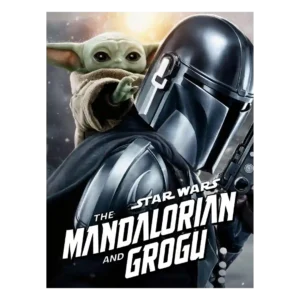
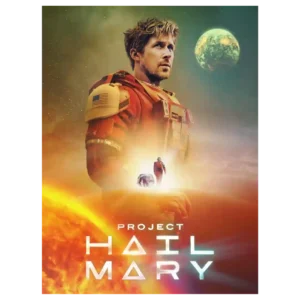
Star Wars: The Mandalorian and Grogu
Where It Has the Edge
- ending satisfaction is 4.0 vs 2.2. The finale delivers a cool burst of large-scale action and visual spectacle. It resolves the immediate mission cleanly,...
Quick verdict
Choose Star Wars: The Mandalorian and Grogu for ending satisfaction.
Choose Project Hail Mary for cinematography and acting performance.
The IMAX framing gives several environments and battles scale, but many images are criticized as flat, dim, or murky. The movie looks grandest in isolated sequences rather than consistently.
Space imagery, IMAX scale, framing and texture earn near-universal praise, with Greig Fraser’s work repeatedly called stunning, sublime or top-tier.
The human performances are often described as stiff or awkward, especially when exposition takes over. The expressive puppet work and a few voice turns fare much better.
The ensemble is widely praised, with Gosling carrying long solo stretches and supporting players giving the Earth scenes personality. One strongly negative take finds the lead’s familiar comic mannerisms tiring.
Most reactions describe the film as pleasant but disposable, with little story consequence to reward repeat viewing. A smaller group enjoyed the action and puppetry enough to plan another watch.
Several reviewers expect repeat viewings to hold up well, whether for small production details, emotional impact or the sheer pleasure of revisiting Grace and Rocky.
The digital Hutts and several creature battles are frequently criticized as flat, weightless, or visibly artificial. A few large-scale effects impress, but the CGI rarely matches the tactile charm of the puppets.
CGI is usually praised for disappearing into the practical sets and Rocky puppetry, adding polish without making the world feel synthetic.
The drama rarely develops meaningful jeopardy, conflict, or consequence. Even potentially powerful ideas about mortality, family, and inherited identity are usually kept on the surface.
The film usually earns its high stakes through character and problem-solving, but several critics think the bright tone softens danger and emotional weight.
The screenplay is frequently described as bare-bones, expository, and shaped like compressed television episodes. It provides a clear mission but too little character conflict, thematic development, or memorable dialogue.
The script is mostly praised for making dense science approachable and organizing the nonlinear mystery cleanly, though negative reviews call parts shallow, contrived or over-explanatory.
Found family, generational responsibility, and breaking from a parent's legacy provide a workable thematic base. The movie usually states these ideas simply rather than exploring them in depth.
Friendship, sacrifice, optimism, science and cooperation give the film more thematic weight than a simple adventure for many reviewers. Critics of the adaptation argue those ideas are softened or over-sentimentalized.
The film contains frequent shootings, fights, explosions, monster attacks, and a surprisingly high body count. Several reactions find the violence excessive beside the child-friendly humor and merchandising appeal.
A family-focused review describes the movie as comparatively tame, with a couple of corpses but less harsh content than the earlier Weir adaptation.
Low stakes, predictable rescues, and limited consequences keep tension modest. A few monster encounters and the Grogu rescue sequence create temporary urgency, but the film rarely feels dangerous.
Problem-solving and late space hazards generate strong tension for most reviewers, but a few feel the optimistic tone telegraphs success and drains danger.
The film repeatedly feels like two to four television episodes joined together, with visible act breaks and uneven momentum. Strong individual sequences do not always build into a cohesive feature.
Timeline shifts and aspect-ratio transitions are often praised for clarity and momentum; one negative review finds the flashback cutting disorienting and over-explanatory.
The central rescue-and-betrayal adventure is clear and occasionally charming, but it is widely viewed as thin, episodic, and inconsequential. The story rarely justifies the scale of a major theatrical comeback.
Most reviewers see a smart, heartfelt survival-and-friendship story with strong problem-solving momentum. Negative outliers criticize formula, shallow characterization and convenient plotting.
Dialogue is one of the clearest weaknesses, with repetitive motivations, blunt exposition, and stiff exchanges. The near-wordless Grogu material often works better precisely because it avoids talking.
Dialogue reactions are mixed: some praise crisp delivery and clear exchanges, while a harsh dissent calls the jokes and feel-good dialogue dated and shallow.
Critical response is sharply divided between praise for accessible fun and frustration with the thin, television-sized story. The craft highlights are widely recognized even when the overall verdict is negative.
The broader critical response cited in the reviews is described as about as positive as a major studio release gets.
Pedro Pascal's distinctive voice and underlying charisma keep Din Djarin watchable, even behind the helmet. The static characterization and flat dialogue sometimes make the performance feel wooden or emotionally distant.
Gosling is one of the strongest consensus positives, repeatedly praised for carrying solo stretches with charm, physical comedy and vulnerability. A small minority find the familiar goofy persona strained or tiring.
The combination of cute family comedy, heavy killing, and prolonged creature combat can feel contradictory. The lighter Grogu material and harsher action do not always blend smoothly.
Tone is the most divisive creative choice: many like the balance of humor, tension and sincerity, while detractors say the comedy undercuts danger and the optimism can feel overly insistent.
Jon Favreau handles several action beats and creature moments with energy, but the feature often lacks cinematic shape and escalation. The direction feels more comfortable delivering television-style missions than a major theatrical event.
Lord and Miller are mostly praised for turning dense science into lively blockbuster filmmaking, though critics who resist the goofy tone find the direction over-insistent or too silly.
The movie borrows heavily from familiar Star Wars imagery, television structure, and recognizable action-film references. Fresh locations and creature concepts cannot fully overcome the sense of recycled material.
Reviewers appreciate a standalone non-franchise sci-fi blockbuster and often call it fresh, while detractors hear echoes of better space classics and find parts derivative.
The plot follows a familiar chain of mission briefings, rescues, betrayals, and battles while echoing several earlier genre films. It rarely surprises or develops a distinctive dramatic direction.
The core concept is often praised as fresh, but predictability and familiar genre DNA keep this from being a universal win.
IMAX scale, strong sound, and practical creature work can justify a theater ticket for devoted fans and families. Many others see the story as streaming-sized and recommend waiting for home viewing.
The 4K review finds the collector’s SteelBook worth seeking out for buyers who want a more complete edition.
The music, Western tone, episodic mission structure, and Din-Grogu dynamic closely preserve the television series. That familiarity pleases existing fans but makes the movie feel less like a full-scale Star Wars event.
Book readers largely see this as a strong, faithful adaptation that preserves the novel’s heart and major beats. The strongest dissent argues that departures from the book flatten its moral and philosophical complexity.
The finale delivers a cool burst of large-scale action and visual spectacle. It resolves the immediate mission cleanly, but does little to make the story feel more consequential.
The ending is the clearest recurring weakness: multiple reviewers say the final act keeps finding new conclusions, feels rushed or structurally overextended after an earlier emotional peak.
The cold open moves quickly and several early missions have strong momentum. The middle and third act often slow down, repeat beats, or stretch thin material beyond its natural length.
Pacing is mixed: some say the long runtime flies by or benefits from deliberate science detail, while others flag a slow opening, second-act drag, flashback friction and late-act sputter.
Martin Scorsese's cameo is a comic highlight, while Rotta brings more personality than expected. Sigourney Weaver is underused, and Jeremy Allen White's heavily processed voice draws mixed reactions.
Sandra Hüller is the standout supporting performer, with Lionel Boyce also drawing consistent praise for dry humor and grounded rapport. The Earth scenes benefit from their contrast with Gosling.
As a pulpy space Western and Saturday-matinee adventure, the film supplies chases, monsters, dogfights, and heroic rescues. It is less satisfying as an epic Star Wars chapter with mythic stakes.
Science-fiction fans are the clearest target: reviewers praise the hard-science problem solving, big-screen wonder and optimistic space-adventure tone, with one major dissent calling it flat and derivative.
The film delivers expensive spectacle, large creatures, ships, and explosive battles, but the quality is inconsistent. Practical work impresses far more reliably than the busiest digital sequences.
Visual effects work is consistently praised, especially where digital enhancement blends with practical sets and puppetry rather than replacing them.
The movie offers easy fun through Grogu's charm, plentiful action, strange creatures, and a lively score. Reactions range from delighted to deeply bored because the simple adventure lacks urgency and depth.
Most reviewers find the film extremely watchable and crowd-friendly despite its length, mixing science puzzles, humor and spectacle into an easy theatrical ride.
Din and Grogu's warm father-son bond remains the film's emotional anchor, particularly in quieter scenes. Some find the familiar dynamic repetitive and insufficiently developed for a feature-length story.
Grace and Rocky are the movie’s emotional engine; most reviewers call their odd-couple friendship warm, funny and genuinely moving. A few find later interactions repetitive or overly sweet.
Grogu gains welcome independence and Rotta receives a modest arc, but Din Djarin remains largely static. The movie often preserves the status quo instead of meaningfully advancing its leads.
Grace’s growth and Rocky’s characterization work for many reviewers, but this is notably mixed: critics of the adaptation say Grace’s arc is thinner, underexplored, or too unchanged from start to finish.
The neon city, swamp worlds, creature designs, and IMAX action provide striking moments. Flat lighting, murky colors, and uneven CGI prevent the movie from looking consistently cinematic.
The film’s look is one of its strongest consensus wins: colorful space vistas, tactile sets, aspect-ratio shifts and adventurous camera choices make it feel built for a large screen.
Shakari and Nal Hutta expand the franchise with distinctive urban and swamp environments, unusual creatures, and fresh musical textures. These locations are often more memorable than the plot unfolding within them.
The Tau Ceti material and alien design give the adventure convincing scale, with space sequences praised as stunning and the science-world detail easy to buy into.
Families, casual viewers, and fans primarily seeking more Mando and Grogu are the most likely to have fun. Longtime fans hoping for a major, consequential Star Wars event are far more divided.
The film is repeatedly described as a crowd-pleaser, with reports of applause and strong theatergoing enthusiasm. A dissenting review sees that accessibility as calculated and artificial.
At roughly two hours and twelve minutes, the movie is widely considered too long for its simple mission plot. Repeated action and a slow middle make the length more noticeable.
At roughly two and a half hours, length is the most repeated complaint; many reviewers feel the second half or ending runs long. A few counter that the problem-solving keeps the runtime lively.
The opening assault, dogfights, chases, and close-quarters battles deliver frequent excitement and strong theatrical scale. Later set pieces can become repetitive, overextended, or visually muddy.
Action is used selectively but lands hard when it arrives, especially the late space set pieces; reviewers call them grounded, tense and visually impressive rather than nonstop spectacle.
Shakari's neon streets, Nal Hutta's swamps, varied creatures, and large-scale environments give the adventure attractive new spaces. The strongest designs feel fresh while remaining recognizably Star Wars.
The Hail Mary ship and practical environments draw exceptional praise for functional hard-sci-fi detail, tactile construction and large-screen immersion.
Blaster fire, ship battles, armor movement, and the large-format mix give the film strong sonic presence. The sound helps sell the action even when the images or story feel less convincing.
Atmos and sound design receive unanimous praise in the scored sources, from precise spatial cues to Rocky’s sonic language and high-impact action.
Grogu caring for an injured Din provides the most consistently moving material, combining tenderness, resilience, and role reversal. The broader film has heart, though its thin story limits the emotional payoff.
Many reviewers report tearing up or crying, especially around Grace and Rocky’s bond and the closing stretch. Even some mixed reviews admit the film lands a few powerful emotional moments.
Grogu, the Anzellans, and Martin Scorsese's nervous food vendor generate the biggest laughs. The comedy is charming in spots but too sparse or repetitive for some viewers.
Comedy is a genuine strength for many, particularly Gosling’s physical timing and Grace-Rocky misunderstandings. But the jokes are also polarizing, with some reviewers calling them repetitive, cheesy or tonally disruptive.
Ludwig Göransson's music is a major strength, mixing the familiar Mandalorian theme with techno, Western, orchestral, and electronic textures. Even negative reactions often praise the score's energy and personality.
Daniel Pemberton’s score is a major strength, frequently described as sweeping, unusual, emotional and integral to the film. One dissent finds the constant grandeur overbearing and tension-flattening.
Cute creatures, broad humor, a clear plot, and a caring parent-child relationship make this a strong family outing. The frequent combat and monster violence keep it from feeling completely gentle.
The movie is repeatedly described as clean, wholesome and family-friendly, with restrained profanity and only limited sexual or frightening material.
The light adventure, cute creatures, and straightforward story are aimed squarely at children and family audiences. The heavy combat and darker monster encounters may still be intense for sensitive younger viewers.
Several reviewers see this as unusually accessible sci-fi for families and older kids, with most-ages appeal and mild content by PG-13 standards.
The clearest message is that family is built through care, responsibility, and mutual protection rather than bloodline. Grogu's role reversal with Din gives that simple idea genuine warmth.
The film’s optimism, pro-science cooperation, friendship and sacrifice resonate strongly with most reviewers. A dissenting critic finds that hope too frictionless and another objects to how the film handles Stratt’s coercion.
Grogu's practical puppet is unusually believable and emotionally readable within the fantasy setting. The contrast makes several digital characters look noticeably less convincing.
The grounded science, practical engineering and tangible sets make much of the film feel believable. Dissenters question character reactions and a handful of convenient scientific or mechanical solutions.
Shakari's dark techno music feels fresh for Star Wars while still fitting the setting naturally. The soundtrack gives the neon city a distinct identity.
The song selections are praised for warmth, nostalgia and tonal contrast, complementing the orchestral score without overwhelming scenes.
The mission is simple, self-contained, and understandable without watching every season of the series. That accessibility is a strength, though the straightforward plotting can also feel overly basic.
Dense science is generally presented clearly, with multiple reviewers praising how digestible the technical problem solving remains. A few say some concepts are difficult, overly explained or too convenient.
Grogu's puppetry, the Anzellans, stop-motion robots, and other tactile creatures are among the movie's most celebrated elements. Their expressiveness and physical presence often outshine the CGI characters.
Rocky’s puppetry and the physical sets are among the highest-consensus technical strengths, repeatedly praised for giving the alien and spacecraft convincing weight and presence.
Mando's armor, trooper gear, and the broader franchise wardrobe retain a polished, recognizable Star Wars look. The practical costumes help ground action that is otherwise heavily digital.
Grace’s nerdy T-shirt choices are praised as character-driven wardrobe that feels natural for his personality rather than planted references.
The cross-species friendship is praised for taking language, biology and cultural assumptions seriously enough to make cooperation feel meaningful.
Language is considered restrained for a PG-13 blockbuster: reviewers note little or no conventional profanity, though substitute swears and uses of God’s name remain.
The long-hair-and-beard look sells Grace’s extended sleep, though one reviewer jokingly calls out his suspiciously maintained highlights.
One reviewer notes that Grace’s lack of romantic or family attachments reduces the sense of personal sacrifice compared with more emotionally anchored space dramas.
The movie includes some existentially frightening moments, but one family-oriented review still considers them manageable within an overwhelmingly hopeful adventure.
Sexual material is limited to light verbal references and a few suggestive jokes; family-focused reviewers describe it as comparatively tame.