Average score
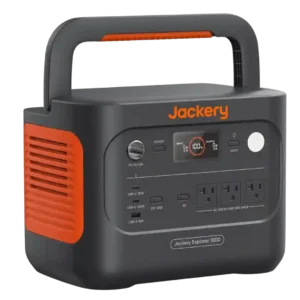
Jackery Explorer 1000 V2
4.4
instruction quality
Jackery Explorer 1000 V2
5.0
The manual is praised as clear, concise, and sufficient for setup, care, and basic troubleshooting.
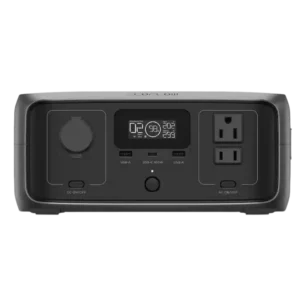
EcoFlow River 3
1.8
The printed and in-app documentation does not explain every scheduling or power-management function clearly.
dual-input charging
Jackery Explorer 1000 V2
5.0
Two solar/DC inputs make it practical to combine panels or charge from separate travel sources for faster recovery.
EcoFlow River 3
2.0
Charging inputs cannot be combined, so there is no simultaneous wall-and-solar or multi-source charging.
voltage regulation
Jackery Explorer 1000 V2
5.0
Appliances ran smoothly without flicker or power fluctuation, indicating stable voltage delivery.
EcoFlow River 3
2.1
Normal operation is stable, but reports of high line voltage and X-Boost voltage reduction show that some modes are not ideal for sensitive equipment.
cold-weather performance
Jackery Explorer 1000 V2
5.0
Winter testing found stable output in freezing conditions, although charging improves when the unit is brought above freezing.
EcoFlow River 3
2.3
Cold weather can slow charging and reduce LFP performance, so winter users should temper expectations.
built-in light
Jackery Explorer 1000 V2
4.8
The front light is more useful than it first appears, providing bright task lighting and emergency modes at campsites or during outages.
EcoFlow River 3
2.2
The base River 3 omits a built-in light, unlike some larger models and competitors.
USB-C ports
Jackery Explorer 1000 V2
5.0
The USB-C selection suits phones, tablets, and laptops without using the AC outlets.
EcoFlow River 3
2.5
Only one USB-C port is provided, and several reviewers would prefer a second high-power connection.
long-term reliability
Jackery Explorer 1000 V2
5.0
Heavy daily use over several months produced dependable performance, with users describing it as equipment they could trust every day.
EcoFlow River 3
2.7
Many units run for months or years without trouble, but repeated early display faults and random AC shutdowns create a meaningful reliability caveat.
display quality
Jackery Explorer 1000 V2
5.0
The LCD is consistently described as clear and informative, showing the essential status data without clutter.
EcoFlow River 3
2.7
The screen is crisp and informative when working, but repeated owner reports of gibberish or failed displays are the clearest hardware-quality concern.
specification accuracy
Jackery Explorer 1000 V2
1.0
Jackery’s website is strongly criticized for conflicting solar-input claims, making independent specification checks worthwhile.
EcoFlow River 3
3.3
Capacity, charging speed, and quietness often match the claims, although X-Boost and some reliability promises do not hold in every setup.
output stability
Jackery Explorer 1000 V2
5.0
Stable sustained delivery and clean behavior under cold conditions give confidence for appliances and sensitive electronics.
EcoFlow River 3
2.8
Compatible loads stay powered cleanly, but isolated voltage spikes and unexpected shutdowns make critical use worth testing carefully.
display readability
Jackery Explorer 1000 V2
5.0
Large numbers and strong contrast make the screen easy to read at a glance, including outdoors and in bright light.
EcoFlow River 3
3.0
Large, clear runtime and wattage information is useful, although some screens are hard to read or fail entirely.
surge capacity
Jackery Explorer 1000 V2
4.7
The 3,000W surge headroom successfully absorbs refrigerator, tool, and appliance startup spikes without nuisance shutdowns.
EcoFlow River 3
2.7
Some devices above 300W will start and run, but compressors, pumps, OLED TVs, and other surge-heavy loads can overload immediately.
AC outlet count
Jackery Explorer 1000 V2
2.0
One comparison-focused review found the limited number of AC sockets disappointing beside rivals that provide more plug space.
EcoFlow River 3
4.0
Two AC outlets are useful for the unit’s size, although bulky plugs may block the neighboring socket.
outlet accessibility
Jackery Explorer 1000 V2
5.0
Front-mounted sockets and ports are easy to reach, simplifying multi-device setups in cramped vehicles or workspaces.
EcoFlow River 3
3.0
Front access is convenient, but the two AC outlets can be too close for bulky plugs.
charging cable quality
Jackery Explorer 1000 V2
4.8
The included AC cord is thick, sturdy, and able to support fast wall charging without a bulky external brick.
EcoFlow River 3
2.9
One reviewer found the included AC lead higher quality than another cable, but a separate owner reported a dangerously hot car plug.
standby power loss
Jackery Explorer 1000 V2
1.0
One direct test found unexpectedly high idle consumption, calling it a serious weakness for long unattended use.
EcoFlow River 3
2.9
An expert praises low standby losses, but one owner reports major charge depletion while the unit was switched off.
car charging speed
Jackery Explorer 1000 V2
2.0
Vehicle charging works as a travel top-up, but it is too slow for quick refills and makes the most sense on long drives.
EcoFlow River 3
3.8
Vehicle charging is slower than wall charging but practical for topping up the small battery while driving.
battery capacity
Jackery Explorer 1000 V2
4.5
Around 1kWh gives useful endurance for fridges, laptops, lights, networking gear, and camping essentials, though sustained high-draw loads drain it quickly.
EcoFlow River 3
2.7
The 245Wh battery is well matched to phones, laptops, routers, lights, fans, and brief appliance use. It is plainly too small for long high-draw backup.
high-demand appliance support
Jackery Explorer 1000 V2
3.5
It handles many kettles, coffee makers, microwaves, tools, and small AC units, but 1,500W is a firm ceiling for larger heaters and household appliances.
EcoFlow River 3
1.8
This is not a high-demand appliance station; heaters, large fridges, hair dryers, and similar loads are poor matches.
weather resistance
Jackery Explorer 1000 V2
2.3
Rugged construction helps outdoors, but the unit is not weatherproof and should be brought under cover when conditions turn wet.
EcoFlow River 3
4.0
The unit is suitable for sheltered outdoor use and light splashes, not prolonged rain or full exposure.
app connectivity
Jackery Explorer 1000 V2
3.1
Phone pairing generally works through Bluetooth and Wi-Fi, though reconnection trouble and 2.4GHz-only Wi-Fi can make access less dependable.
EcoFlow River 3
4.7
Pairing is usually quick, and day-to-day connectivity is reliable through Bluetooth or Wi-Fi.
self-discharge rate
Jackery Explorer 1000 V2
2.5
Long idle storage may require a top-up every few months rather than true set-and-forget readiness.
EcoFlow River 3
1.0
One owner reported severe charge loss while the unit was switched off, making standby storage unreliable in that case.
water resistance
Jackery Explorer 1000 V2
2.8
The station itself is not waterproof and needs shelter from rain, despite some tolerance for light splashes.
EcoFlow River 3
4.2
The IP54-rated battery system tolerates splashes, but the exposed ports are not waterproof.
full-load noise
Jackery Explorer 1000 V2
3.5
At near-maximum output the fan becomes audible, but the measured level was still considered reasonable rather than disruptive.
EcoFlow River 3
4.8
Even during charging or near rated output, it remains unusually quiet for a power station.
inverter quality
Jackery Explorer 1000 V2
5.0
Testing found high usable output and strong conversion efficiency, with the inverter sustaining demanding loads better than expected.
EcoFlow River 3
3.7
The AC inverter is exceptionally efficient in positive tests, although one chained UPS setup reported an alarming high-voltage condition.
heat management
Jackery Explorer 1000 V2
5.0
Even aggressive fast charging kept temperatures surprisingly controlled, supporting confidence in the charging system.
EcoFlow River 3
3.7
GaN-based efficiency usually keeps heat low, though one owner reported substantial warming and another found a car cable dangerously hot.
12-volt outlet
Jackery Explorer 1000 V2
5.0
The 12-volt socket is genuinely useful for fridges and other vehicle-style gear, including continuous car-camping use.
EcoFlow River 3
3.8
The 12V outlet works well for coolers and some vehicle accessories, but several owners found it unreliable with compressors and surge-heavy devices.
solar panel compatibility
Jackery Explorer 1000 V2
2.9
Compatibility is disputed: some accounts call it Jackery-only, while others say adapters allow standard third-party panels.
EcoFlow River 3
4.0
Standard panels can work through the solar input, but buyers may need the correct XT60-style adapter and must stay within voltage limits.
power output
Jackery Explorer 1000 V2
4.9
The 1,500W inverter comfortably runs most camping gear, office equipment, and household essentials, extending well beyond basic device charging.
EcoFlow River 3
3.7
The 300W output is excellent for electronics and small appliances, not heaters, large refrigerators, or other sustained high-wattage loads.
load handling
Jackery Explorer 1000 V2
4.8
The inverter supports mixed electronics and appliances at once with impressive stability, provided the combined draw stays within 1,500W.
EcoFlow River 3
3.8
Compatible electronics run smoothly, while high-startup or borderline loads expose the limits quickly.
durability
Jackery Explorer 1000 V2
4.8
The station handles transport, campsite use, and minor impacts well, though it still needs protection from rain.
EcoFlow River 3
3.7
Drop resistance, rugged construction, and longer-term ownership reports are reassuring, but the small input-port door looks vulnerable to eventual breakage.
solar charging speed
Jackery Explorer 1000 V2
4.1
Good sun and enough panel wattage can refill it in a day or less, while clouds, winter light, and the input ceiling slow results considerably.
EcoFlow River 3
3.1
With a suitable panel and good sun, solar charging is workable in roughly three hours. The low input ceiling, small bundled panel, and a few reliability complaints keep it from being a universal strength.
maximum solar input
Jackery Explorer 1000 V2
3.6
The solar-input ceiling is relatively modest beside some rivals, even though it can still support useful off-grid charging.
EcoFlow River 3
2.7
The 110W solar cap suits a 245Wh battery but feels restrictive to users who want faster off-grid charging.
USB-C power delivery
Jackery Explorer 1000 V2
5.0
The 100W USB-C port receives consistent praise for charging laptops at proper wall-adapter speeds.
EcoFlow River 3
4.1
The 100W USB-C output is excellent for laptops and modern devices, although a few owners report underpowered behavior or port failures.
accessory ecosystem
Jackery Explorer 1000 V2
3.6
Jackery’s matching panels and accessories work smoothly together, but proprietary connectors and separately sold pieces can make the ecosystem costly or restrictive.
EcoFlow River 3
4.5
Owners already using EcoFlow products appreciate the shared app, panels, cables, and broader product lineup.
size and footprint
Jackery Explorer 1000 V2
5.0
The compact footprint is easy to place beside other gear and fits well in trunks without dominating storage space.
EcoFlow River 3
4.3
The squat footprint fits neatly in vehicles, cabinets, and tight home-office spaces. Plug spacing and the wide shape are less ideal for some setups.
EPS switchover speed
Jackery Explorer 1000 V2
4.4
The roughly 20ms switchover was seamless for routers and appliances in most tests, though sensitive desktops may still reboot.
EcoFlow River 3
3.7
Most devices remain online through the sub-20ms transfer, though chained UPS systems and especially sensitive loads may notice or expose failures.
remaining runtime estimate
Jackery Explorer 1000 V2
5.0
The live runtime estimate is practical and helps users decide which devices to keep connected during limited-power situations.
EcoFlow River 3
4.3
The remaining-time estimate is useful for planning and often tracks real use reasonably well.
charging efficiency
Jackery Explorer 1000 V2
5.0
Measured conversion efficiency was strong for the class, giving buyers more usable energy from the rated battery capacity.
EcoFlow River 3
4.4
Fast charging is well controlled and generally does not create excessive heat or apparent battery stress.
firmware updates
Jackery Explorer 1000 V2
4.0
The lack of firmware upkeep can simplify ownership by avoiding update management and app-related problems.
EcoFlow River 3
3.4
Firmware updates arrive through the app and can add features or address minor bugs, though some owners are still waiting for specific fixes.
MPPT controller performance
Jackery Explorer 1000 V2
5.0
The dual MPPT system is credited with extracting useful energy even when sunlight is partly obstructed.
EcoFlow River 3
4.4
The built-in MPPT controller generally captures available solar power effectively when panel voltage and cabling are correct.
UPS functionality
Jackery Explorer 1000 V2
4.7
UPS operation generally kept routers, printers, and computers running through outages, though one account claimed manual switchover.
EcoFlow River 3
4.1
For routers, modems, computers, and network gear, UPS performance is usually seamless and excellent. A smaller but important group reports random AC shutdowns or failed transfers.
control panel layout
Jackery Explorer 1000 V2
5.0
A simple front-facing layout keeps outlets, buttons, and status information easy to find without a learning curve.
EcoFlow River 3
4.5
Front-facing ports, logical buttons, and an uncluttered panel make the unit straightforward to operate.
battery storage performance
Jackery Explorer 1000 V2
3.0
Storage behavior is mixed: one drained unit recovered after a week, while long idle periods may slowly reduce charge.
EcoFlow River 3
2.5
One owner says it holds charge well for emergencies, while another reports severe self-discharge that undermines unattended storage.
hot-weather performance
Jackery Explorer 1000 V2
5.0
LiFePO4 chemistry is credited with maintaining stronger performance in hot environments than older battery types.
EcoFlow River 3
4.5
Owners report stable operation in hot climates and vehicles, within normal ventilation limits.
materials quality
Jackery Explorer 1000 V2
5.0
High-grade cells and well-finished components give the station a premium, durable feel.
EcoFlow River 3
4.5
Reviewers describe the plastics and finish as robust and well fitted rather than flimsy.
overload protection
Jackery Explorer 1000 V2
4.5
Testing showed a little tolerance above rated output before shutdown, giving brief startup loads room without immediate failure.
EcoFlow River 3
4.0
The unit shuts down when loads exceed safe limits, protecting the station even when that interrupts the application.
overall product satisfaction
Jackery Explorer 1000 V2
4.7
The station earns strong approval for fast charging, useful power, quiet operation, and a practical portable design.
EcoFlow River 3
4.2
Most reviewers see the River 3 as an excellent small power station for everyday backup, travel, and light outdoor use. A minority report frustrating hardware or UPS faults that materially lower confidence.
wireless charging
Jackery Explorer 1000 V2
2.3
The missing top charging pad is a minor disappointment rather than a dealbreaker.
EcoFlow River 3
2.8
There is no wireless charging pad, a minor omission that some users notice and others consider unnecessary.
weight
Jackery Explorer 1000 V2
4.2
Around 24 pounds is manageable for a 1kWh station and lighter than many rivals, but it remains too heavy for long hikes or effortless carrying.
EcoFlow River 3
4.7
At roughly eight pounds, the River 3 is easy to lift, carry, and reposition, even for frequent daily use.
home backup capability
Jackery Explorer 1000 V2
4.9
As an essentials backup, it is excellent for refrigeration, networking, lights, medical devices, and short outages without generator noise or fuel.
EcoFlow River 3
4.5
The River 3 is excellent for localized backup of routers, lights, computers, and medical accessories, not whole-home power.
usable battery capacity
Jackery Explorer 1000 V2
5.0
A measured 91.5% usable capacity was considered well above average and supports confidence in the inverter and battery design.
EcoFlow River 3
4.6
Independent tests commonly recover about 83–86% of rated energy, a solid result for this class.
outlet selection
Jackery Explorer 1000 V2
4.6
The mix of AC, USB-C, USB-A, and 12-volt outputs suits most modern setups, although one comparison criticizes the total port count.
EcoFlow River 3
4.2
The AC, USB-C, USB-A, and 12V mix is versatile for a compact station, with only minor omissions.
LiFePO4 battery
Jackery Explorer 1000 V2
5.0
The move to LiFePO4 is treated as a defining upgrade for safety, cycle life, and long-term ownership value.
EcoFlow River 3
4.6
Reviewers value the LFP battery for safety, stability, and long cycle life.
input and output monitoring
Jackery Explorer 1000 V2
5.0
Real-time input, output, percentage, and runtime data make it easy to manage loads directly from the screen or app.
EcoFlow River 3
4.6
The display and app clearly show incoming power, outgoing load, and battery status.
expandability
Jackery Explorer 1000 V2
2.4
The fixed-capacity design keeps the unit simple and portable, but it is a major limitation for buyers expecting to add batteries later.
EcoFlow River 3
2.0
The base model is fixed at 245Wh and cannot accept expansion batteries; buyers needing growth should consider a higher model.
cooling performance
Jackery Explorer 1000 V2
4.8
Cooling remains controlled even during rapid charging or heavy loads, with fans responding quickly and the case staying comparatively cool.
EcoFlow River 3
4.4
The fan runs infrequently and quietly under normal loads while maintaining stable temperatures.
warranty
Jackery Explorer 1000 V2
4.4
Coverage can extend to five years and reassures many buyers, although the three-year standard term is considered uncompetitive.
EcoFlow River 3
4.8
A five-year warranty is unusually strong for this price and supports long-term confidence.
storage convenience
Jackery Explorer 1000 V2
5.0
The flat top and folding handle make the station stackable and much easier to fit into vehicles, shelves, and crowded gear areas.
EcoFlow River 3
4.6
The short, compact body stores easily under seats, tables, cabinets, and inside gear bins or backpacks.
battery chemistry
Jackery Explorer 1000 V2
4.3
Exact chemistry is described inconsistently, but the newer battery design is still presented as a major longevity upgrade.
EcoFlow River 3
4.6
The lithium iron phosphate chemistry is considered safer and longer-lived than older lithium-ion designs.
simultaneous device support
Jackery Explorer 1000 V2
4.6
Most users powered several devices together without trouble, but limited outlet count can constrain larger multi-plug arrangements.
EcoFlow River 3
4.3
Its AC, USB, and DC ports can support several low-draw devices at once, making it useful as a shared charging hub.
compactness
Jackery Explorer 1000 V2
4.9
The redesigned body is notably compact for a 1kWh station and fits easily in trunks, RV storage, workshops, and tight camp setups.
EcoFlow River 3
4.6
Its low, compact body is one of the most praised traits, fitting under seats, in bags, and on crowded desks. A small minority expected an even smaller unit.
energy efficiency
Jackery Explorer 1000 V2
5.0
One direct comparison measured strong efficiency, placing the Jackery ahead of several competing power stations.
EcoFlow River 3
4.7
Measured AC efficiency around the mid-80% range is strong, and reviewers often note low heat loss.
recharge speed
Jackery Explorer 1000 V2
5.0
Rapid recovery is a defining advantage, turning a nearly empty station into usable backup power during a short break.
EcoFlow River 3
4.7
Fast recharging makes it easy to top up between outages, trips, or daily use.
battery reliability
Jackery Explorer 1000 V2
4.8
Testing ranged from repeated cycling to months of daily travel use, with the battery consistently holding up without sudden failures.
EcoFlow River 3
4.5
Owners who discuss the battery directly describe strong charge retention, flawless use, and confidence in dependable performance.
operating temperature range
Jackery Explorer 1000 V2
4.5
The broad stated temperature range supports use from cold-weather trips to hot summer conditions, with normal charging precautions.
EcoFlow River 3
4.2
The rated and tested temperature range covers ordinary camping and home-backup conditions.
handle comfort
Jackery Explorer 1000 V2
4.6
The fold-flat handle makes lifting and stacking much easier, though extended carries would benefit from more padding.
EcoFlow River 3
4.4
The integrated handle is generally comfortable and keeps the profile tidy, though one reviewer disliked how the shape encourages setting the unit on its face.
quiet mode
Jackery Explorer 1000 V2
4.9
Quiet charging meaningfully reduces fan noise for nighttime use, with the expected tradeoff of a slower refill.
EcoFlow River 3
4.6
The app-controlled silent charging mode is valuable for overnight and office use.
runtime
Jackery Explorer 1000 V2
4.2
Runtime is strong for electronics, refrigeration, and moderate loads, but high-watt heating or cooking devices can consume the battery rapidly.
EcoFlow River 3
4.4
Light loads can run for many hours or even days, while CPAPs, TVs, fridges, and other larger loads drain the battery much faster.
solar cable compatibility
Jackery Explorer 1000 V2
2.8
Proprietary 8mm connections are a recurring frustration, although inexpensive adapters can open the door to third-party panels.
EcoFlow River 3
3.0
Solar setups often require a specific adapter or cable, which adds friction for campers using third-party panels.
battery expandability
Jackery Explorer 1000 V2
2.3
Capacity is fixed, so buyers who may need extra battery modules are repeatedly directed toward larger expandable alternatives.
EcoFlow River 3
2.0
Capacity cannot be expanded on the base River 3.
build quality
Jackery Explorer 1000 V2
4.9
The enclosure, controls, and internal construction feel solid and well finished, reinforcing the product’s reputation for rugged portable use.
EcoFlow River 3
4.7
The casing, controls, and overall assembly usually feel solid, sturdy, and premium for the price.
portability
Jackery Explorer 1000 V2
4.6
Its compact body and fold-down handle make it one of the easier 1kWh stations to move, though the weight is still noticeable on long carries.
EcoFlow River 3
4.8
Reviewers regularly carry it between rooms, vehicles, campsites, work locations, and outdoor events. The integrated design makes grab-and-go use a major strength.
battery cycle life
Jackery Explorer 1000 V2
4.9
The 4,000-cycle rating earns near-universal praise and is repeatedly framed as enough for roughly a decade of frequent use.
EcoFlow River 3
4.7
The 3,000-cycle specification is repeatedly highlighted as a major long-term advantage over lead-acid UPS batteries.
remote control
Jackery Explorer 1000 V2
4.7
The app can switch outputs, lights, timeouts, and charge modes from a distance, reducing the need to reach a tucked-away unit.
EcoFlow River 3
4.5
Charging limits, output sections, schedules, and timeouts can be adjusted remotely through the app.
ease of use
Jackery Explorer 1000 V2
4.9
Straightforward controls, a clean display, and logical ports make the station approachable even for first-time power-station owners.
EcoFlow River 3
4.7
Logical controls, a clear screen, and a strong app make the River 3 easy for beginners.
customer support
Jackery Explorer 1000 V2
3.0
Support experiences conflict sharply, ranging from reassuring warranty care to poor phone service and declining trust.
EcoFlow River 3
3.2
Several buyers received prompt, useful first-line help, but escalation and repair processes can be slow or burdensome.
ease of setup
Jackery Explorer 1000 V2
5.0
There is no assembly or complicated startup process; users can connect the app or simply plug in devices and begin.
EcoFlow River 3
4.8
Network pairing and initial operation are typically quick, requiring little effort.
idle noise
Jackery Explorer 1000 V2
5.0
At light loads the unit is nearly silent, making it suitable for bedrooms, offices, and overnight outage use.
EcoFlow River 3
4.8
At low loads and in UPS use, the fan often stays off and the unit disappears into the background.
dust resistance
Jackery Explorer 1000 V2
4.5
The rugged housing is considered suitable for dusty environments, provided the unit is still handled with normal care.
EcoFlow River 3
4.3
The IP54-rated battery system is viewed as useful protection against dust during outdoor use.
impact resistance
Jackery Explorer 1000 V2
4.8
The casing is expected to tolerate minor drops and bumps, giving it useful resilience for travel and campsite handling.
EcoFlow River 3
4.6
The stated drop resistance and rugged field use suggest the unit can tolerate normal bumps and handling.
AC charging speed
Jackery Explorer 1000 V2
4.9
Wall charging is a standout strength: standard mode is already quick, while the app-enabled emergency mode can refill the battery in about an hour.
EcoFlow River 3
4.8
One-hour wall charging is a standout strength and repeatedly matches real-world testing.
Wi-Fi connectivity
Jackery Explorer 1000 V2
4.2
Wi-Fi enables useful remote access, but 2.4GHz-only support and setup dependence may inconvenience some networks.
EcoFlow River 3
4.0
Wi-Fi enables convenient remote status checks, though occasional disconnects are reported.
app quality
Jackery Explorer 1000 V2
4.3
The app is usually praised for clear monitoring, remote controls, and charging modes, but a few users found reconnection or required toggles frustrating.
EcoFlow River 3
4.4
The EcoFlow app is widely considered one of the best in the category, with useful controls and polished monitoring. Documentation gaps, missing history, and occasional navigation bugs frustrate some users.
battery longevity
Jackery Explorer 1000 V2
4.8
Long service life is a defining strength, with the battery expected to remain useful for many years of regular cycling.
EcoFlow River 3
4.7
LiFePO4 chemistry and a 3,000-cycle rating promise a long service life, supported by several positive ownership reports.
Bluetooth connectivity
Jackery Explorer 1000 V2
4.5
Bluetooth provides responsive local control and is generally easy to connect when the phone is near the station.
EcoFlow River 3
4.6
Bluetooth provides dependable local setup and control, including third-party local integrations for advanced users.
energy usage tracking
Jackery Explorer 1000 V2
4.5
The app’s monitoring and analytics make it easy to follow power consumption and understand where battery capacity is going.
EcoFlow River 3
4.6
Live draw, usage charts, and historical graphs help users understand consumption and plan runtime.
housing durability
Jackery Explorer 1000 V2
4.5
The robust plastic shell feels capable of surviving routine transport and minor knocks without flexing or rattling.
EcoFlow River 3
4.6
The fire-retardant housing and solid shell add confidence for home and outdoor use.
value for money
Jackery Explorer 1000 V2
4.5
Value is strongest at common sale prices, where fast charging, long cycle life, and capable output outweigh the accessory costs.
EcoFlow River 3
4.4
Sale pricing is repeatedly described as excellent value for the feature set, charging speed, and build. At full price, a few shoppers feel larger or better-equipped alternatives may justify spending more.
noise level
Jackery Explorer 1000 V2
4.9
Quiet operation is one of the clearest strengths, with most users comfortable running it indoors, overnight, or near neighbors.
EcoFlow River 3
4.8
Near-silent operation is the River 3’s most universally praised trait, suitable for bedrooms, offices, tents, and TV rooms.
pass-through charging
Jackery Explorer 1000 V2
4.5
Devices can keep running while the station recharges, a valuable outage feature, though very heavy loads reduce incoming charge speed.
EcoFlow River 3
4.5
The unit can power devices while charging and works well as a continuously connected backup source.
remote monitoring
Jackery Explorer 1000 V2
4.7
Battery level and power flow can be checked from a phone, especially useful when the station is hidden in a vehicle or equipment area.
EcoFlow River 3
4.7
The app makes it easy to check battery level, load, and status from another room or away from home.
air travel suitability
Jackery Explorer 1000 V2No score yet
EcoFlow River 3
1.5
Despite its portability on the ground, the unit is too large and high-capacity for convenient airline travel.
app privacy
Jackery Explorer 1000 V2No score yet
EcoFlow River 3
3.3
One privacy-conscious owner isolated the app on a guest network, while another valued local Bluetooth control without cloud dependence.
battery management system
Jackery Explorer 1000 V2
4.8
ChargeShield and the battery-management system are praised for controlling heat, charge rates, and cell protection without complicating everyday use.
EcoFlow River 3No score yet
battery percentage accuracy
Jackery Explorer 1000 V2No score yet
EcoFlow River 3
2.8
One owner questioned whether the displayed runtime estimate would hold through a full discharge.
cable storage
Jackery Explorer 1000 V2
2.0
The removable solar cable has no dedicated storage spot, creating an easy-to-lose accessory problem.
EcoFlow River 3No score yet
charging input compatibility
Jackery Explorer 1000 V2No score yet
EcoFlow River 3
1.9
Charging-source flexibility is a weak spot: the unit cannot recharge through USB-C, may require specific solar cabling, and rejected one vehicle’s stepped-sine AC outlet.
cold-weather starting
Jackery Explorer 1000 V2
5.0
Instant battery power avoids the pull-start difficulties and warm-up concerns associated with fuel generators in freezing weather.
EcoFlow River 3No score yet
DC output
Jackery Explorer 1000 V2
5.0
The 12-volt DC output proved reliable enough to run a portable fridge continuously during a three-month road trip.
EcoFlow River 3No score yet
design aesthetics
Jackery Explorer 1000 V2No score yet
EcoFlow River 3
4.7
The sleek, low-profile design looks more at home in bedrooms, offices, and RVs than typical industrial-looking power stations.
eco mode
Jackery Explorer 1000 V2
3.0
Eco behavior is useful for preventing idle drain, but low-watt devices may shut off unless the threshold or timeout is adjusted.
EcoFlow River 3No score yet
EV charging usefulness
Jackery Explorer 1000 V2No score yet
EcoFlow River 3
4.4
One EV owner found it ideal for powering a parked dash cam without draining the vehicle’s main battery.
exhaust emissions
Jackery Explorer 1000 V2
5.0
With no combustion or carbon monoxide, the station is repeatedly praised as a much easier indoor alternative to fuel generators.
EcoFlow River 3No score yet
generator charging speed
Jackery Explorer 1000 V2
5.0
During an outage, brief access to a neighbor’s generator was enough to restore capacity quickly because of the fast AC input.
EcoFlow River 3No score yet
included accessories
Jackery Explorer 1000 V2
3.0
The basic charging cord is solid, but the sparse package and extra-cost car or solar adapters leave some buyers wanting more.
EcoFlow River 3No score yet
lifting ease
Jackery Explorer 1000 V2
4.8
Despite weighing around 24 pounds, the balanced shape and folding handle let one person move it comfortably in most situations.
EcoFlow River 3No score yet
maintenance ease
Jackery Explorer 1000 V2
5.0
No oil, fuel system, spark plug, or carburetor work makes ownership dramatically simpler than a gas generator.
EcoFlow River 3No score yet
maintenance frequency
Jackery Explorer 1000 V2
5.0
Routine engine servicing is eliminated, leaving little more than charging and sensible storage care.
EcoFlow River 3No score yet
operating cost
Jackery Explorer 1000 V2
5.0
Charging from the grid costs very little and avoids the recurring fuel and maintenance expenses of an engine generator.
EcoFlow River 3No score yet
over-temperature protection
Jackery Explorer 1000 V2
4.8
Multiple safeguards and active cell monitoring help keep temperatures within safe limits during charging and use.
EcoFlow River 3No score yet
over-voltage protection
Jackery Explorer 1000 V2
4.8
The protection system continuously watches cell voltage and is repeatedly described as reassuring and well developed.
EcoFlow River 3No score yet
peak output
Jackery Explorer 1000 V2
5.0
The 3,000W surge rating gives short startup bursts enough headroom for many motors and kitchen appliances.
EcoFlow River 3No score yet
power quality
Jackery Explorer 1000 V2
5.0
Sensitive and variable-speed equipment ran without flicker, buzzing, or noticeable fluctuations.
EcoFlow River 3No score yet
pure sine wave output
Jackery Explorer 1000 V2
4.8
Clean sine-wave power is valued for safely running laptops, medical equipment, motors, and other sensitive electronics.
EcoFlow River 3No score yet
rated output
Jackery Explorer 1000 V2
5.0
Sustained 1,500W delivery is repeatedly confirmed as a meaningful upgrade over the original model.
EcoFlow River 3No score yet
repairability
Jackery Explorer 1000 V2No score yet
EcoFlow River 3
2.0
Owners describe warranty or RMA steps as inconvenient when hardware faults appear.
runtime at full load
Jackery Explorer 1000 V2
1.5
A heavy griddle test drained roughly 60% in about 35 minutes, showing how quickly continuous near-limit loads exhaust the battery.
EcoFlow River 3No score yet
safety certifications
Jackery Explorer 1000 V2No score yet
EcoFlow River 3
4.5
Fire-resistance, drop testing, IP54 protection, and battery safeguards add confidence for everyday use.
short-circuit protection
Jackery Explorer 1000 V2
4.5
Built-in short-circuit protection adds a reassuring layer of safety for electronics and charging setups.
EcoFlow River 3No score yet
sleep mode behavior
Jackery Explorer 1000 V2
3.0
Automatic shutdown protects against idle drain, yet low-power accessories can be interrupted unless sleep settings are changed.
EcoFlow River 3No score yet
solar generator functionality
Jackery Explorer 1000 V2
4.9
Paired with suitable panels, it becomes a practical off-grid system that can sustain camping and remote-work loads without wall charging.
EcoFlow River 3No score yet
solar panel bundle value
Jackery Explorer 1000 V2
4.8
Jackery’s newer panels are efficient, rugged, and easy to deploy, but their premium price affects the appeal of a complete bundle.
EcoFlow River 3No score yet
startup performance
Jackery Explorer 1000 V2
5.0
Power is available instantly, avoiding the cold-start effort and delay associated with engine generators.
EcoFlow River 3No score yet
USB-A ports
Jackery Explorer 1000 V2No score yet
EcoFlow River 3
4.2
Two USB-A ports remain practical for older cables and smaller devices.
ventilation requirements
Jackery Explorer 1000 V2
4.5
Indoor use is convenient and emission-free, but the unit should still remain dry, uncovered, ventilated, and away from heat.
EcoFlow River 3No score yet
wheel quality
Jackery Explorer 1000 V2
2.0
There are no wheels, so longer moves depend entirely on carrying the unit by its handle.
EcoFlow River 3No score yet
whole-home integration
Jackery Explorer 1000 V2
2.0
This is an essentials battery rather than a whole-home system; central HVAC, electric heat, pumps, and multiple major appliances exceed its role.
EcoFlow River 3No score yet