water resistance
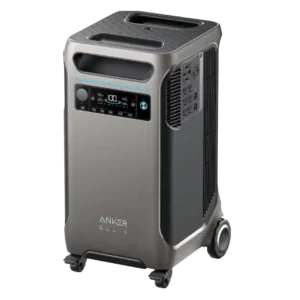
Anker Solix F3800
1.0
The station has no meaningful rain protection and should not be operated outdoors when wet.
EcoFlow River 3
4.2
The IP54-rated battery system tolerates splashes, but the exposed ports are not waterproof.
operating temperature range
Anker Solix F3800
1.0
The unit can output power in very cold weather, but charging below freezing is a serious limitation without a heated space.
EcoFlow River 3
4.2
The rated and tested temperature range covers ordinary camping and home-backup conditions.
USB-A ports
Anker Solix F3800
1.0
One shipping-damaged unit arrived with nonfunctional USB ports, creating a sharply negative but isolated report.
EcoFlow River 3
4.2
Two USB-A ports remain practical for older cables and smaller devices.
battery reliability
Anker Solix F3800
1.3
Several customers reported units that would not recharge, stopped at 85%, or needed replacement. These failures are less common than the positive reports but serious when they occur.
EcoFlow River 3
4.5
Owners who discuss the battery directly describe strong charge retention, flawless use, and confidence in dependable performance.
weight
Anker Solix F3800
1.5
At roughly 132–140 pounds, weight is the most universal complaint. It rolls well, but stairs, vehicles, and lifting are genuinely difficult.
EcoFlow River 3
4.7
At roughly eight pounds, the River 3 is easy to lift, carry, and reposition, even for frequent daily use.
expandability
Anker Solix F3800
5.0
The platform can grow through batteries, a second F3800, solar, transfer hardware, and smart-home accessories, making it unusually future-proof.
EcoFlow River 3
2.0
The base model is fixed at 245Wh and cannot accept expansion batteries; buyers needing growth should consider a higher model.
high-demand appliance support
Anker Solix F3800
4.8
The F3800 routinely runs dryers, air conditioners, well pumps, compressors, lifts, kitchen appliances, and power tools. Load timing still matters when several high-draw devices start together.
EcoFlow River 3
1.8
This is not a high-demand appliance station; heaters, large fridges, hair dryers, and similar loads are poor matches.
voltage regulation
Anker Solix F3800
5.0
Measured output held close to 120V and earned strong praise for stability.
EcoFlow River 3
2.1
Normal operation is stable, but reports of high line voltage and X-Boost voltage reduction show that some modes are not ideal for sensitive equipment.
car charging speed
Anker Solix F3800
1.0
Charging from a vehicle’s accessory socket is extremely slow, taking roughly a full day or longer from empty.
EcoFlow River 3
3.8
Vehicle charging is slower than wall charging but practical for topping up the small battery while driving.
battery expandability
Anker Solix F3800
4.8
Adding BP3800 batteries is one of the product’s strongest features, allowing the system to scale from short-term essentials to multi-day backup. Cable availability and expansion-battery pricing can complicate that promise.
EcoFlow River 3
2.0
Capacity cannot be expanded on the base River 3.
pass-through charging
Anker Solix F3800
1.9
The original F3800’s biggest functional limitation is AC pass-through: 240V and part of the 120V bank are disabled while charging from AC. Solar charging is far more flexible and can preserve output operation.
EcoFlow River 3
4.5
The unit can power devices while charging and works well as a continuously connected backup source.
energy usage tracking
Anker Solix F3800
2.0
Live readings are useful, but reviewers repeatedly want historical input, output, voltage, and usage graphs that are not fully available.
EcoFlow River 3
4.6
Live draw, usage charts, and historical graphs help users understand consumption and plan runtime.
housing durability
Anker Solix F3800
2.0
A severely dropped shipment left plastic frame pieces loose and the display bezel misaligned, showing that a hard enough impact can damage the housing.
EcoFlow River 3
4.6
The fire-retardant housing and solid shell add confidence for home and outdoor use.
input and output monitoring
Anker Solix F3800
2.0
The unit provides basic live wattage, but advanced users want voltage, current, and deeper electrical data.
EcoFlow River 3
4.6
The display and app clearly show incoming power, outgoing load, and battery status.
MPPT controller performance
Anker Solix F3800
1.8
The dual controllers work, but their voltage and amperage windows are the root of many solar complaints. Common arrays often deliver far less than the advertised maximum.
EcoFlow River 3
4.4
The built-in MPPT controller generally captures available solar power effectively when panel voltage and cabling are correct.
battery storage performance
Anker Solix F3800
5.0
In one two-month storage test, the station retained a full charge, suggesting excellent readiness between outages.
EcoFlow River 3
2.5
One owner says it holds charge well for emergencies, while another reports severe self-discharge that undermines unattended storage.
dual-input charging
Anker Solix F3800
4.5
After a firmware update, one owner successfully used AC and DC charging at the same time, adding useful flexibility.
EcoFlow River 3
2.0
Charging inputs cannot be combined, so there is no simultaneous wall-and-solar or multi-source charging.
USB-C ports
Anker Solix F3800
5.0
The three high-power USB-C ports are a welcome feature for charging laptops, tablets, and phones directly.
EcoFlow River 3
2.5
Only one USB-C port is provided, and several reviewers would prefer a second high-power connection.
warranty
Anker Solix F3800
2.5
One reviewer wanted clearer battery-lifespan and warranty information before judging long-term value.
EcoFlow River 3
4.8
A five-year warranty is unusually strong for this price and supports long-term confidence.
display quality
Anker Solix F3800
5.0
The display earns direct praise for presenting power information clearly.
EcoFlow River 3
2.7
The screen is crisp and informative when working, but repeated owner reports of gibberish or failed displays are the clearest hardware-quality concern.
output stability
Anker Solix F3800
5.0
Testing showed excellent voltage regulation around 120V even during demanding operation.
EcoFlow River 3
2.8
Compatible loads stay powered cleanly, but isolated voltage spikes and unexpected shutdowns make critical use worth testing carefully.
control panel layout
Anker Solix F3800
2.5
Most controls are cleanly arranged, but some users find button locations unintuitive and one reviewer found the interface confusing.
EcoFlow River 3
4.5
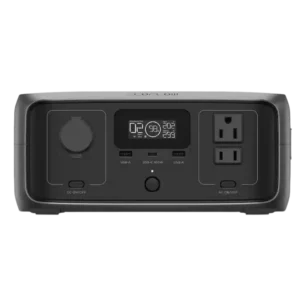
Front-facing ports, logical buttons, and an uncluttered panel make the unit straightforward to operate.
self-discharge rate
Anker Solix F3800
3.0
One long-term test found perfect charge retention after two months, while another owner reported an extreme overnight drop with no connected load.
EcoFlow River 3
1.0
One owner reported severe charge loss while the unit was switched off, making standby storage unreliable in that case.
solar cable compatibility
Anker Solix F3800
5.0
MC4-to-XT60 connections are practical and widely usable, though owners may need to buy additional cables for custom arrays.
EcoFlow River 3
3.0
Solar setups often require a specific adapter or cable, which adds friction for campers using third-party panels.
outlet accessibility
Anker Solix F3800
5.0
The port arrangement is considered thoughtful and easy to reach, with everyday connections separated from heavy-duty outlets.
EcoFlow River 3
3.0
Front access is convenient, but the two AC outlets can be too close for bulky plugs.
long-term reliability
Anker Solix F3800
4.6
Most extended-use reports describe dependable day-after-day operation, including off-grid shops and repeated outages. A smaller set of charging failures keeps the picture from being flawless.
EcoFlow River 3
2.7
Many units run for months or years without trouble, but repeated early display faults and random AC shutdowns create a meaningful reliability caveat.
charging cable quality
Anker Solix F3800
1.0
One owner reported a heavy-duty extension cord overheating, sparking, and filling the house with smoke while charging, a serious safety concern.
EcoFlow River 3
2.9
One reviewer found the included AC lead higher quality than another cable, but a separate owner reported a dangerously hot car plug.
solar panel compatibility
Anker Solix F3800
2.2
Compatibility is one of the most repeated complaints. The 60V and amperage windows favor carefully configured or proprietary panels and can prevent rooftop or common fixed arrays from reaching full power.
EcoFlow River 3
4.0
Standard panels can work through the solar input, but buyers may need the correct XT60-style adapter and must stay within voltage limits.
specification accuracy
Anker Solix F3800
5.0
One customer said the product performed exactly as described.
EcoFlow River 3
3.3
Capacity, charging speed, and quietness often match the claims, although X-Boost and some reliability promises do not hold in every setup.
battery capacity
Anker Solix F3800
4.4
The 3.84kWh base battery is substantial for refrigerators, lights, electronics, and shorter outages. Some buyers still find it too small for unrestricted whole-home use.
EcoFlow River 3
2.7
The 245Wh battery is well matched to phones, laptops, routers, lights, fans, and brief appliance use. It is plainly too small for long high-draw backup.
full-load noise
Anker Solix F3800
3.2
Noise stays impressively low through many heavy loads, but the fans become clearly audible and sometimes loud near maximum output.
EcoFlow River 3
4.8
Even during charging or near rated output, it remains unusually quiet for a power station.
repairability
Anker Solix F3800
3.5
A technically skilled owner found that third-party charging workarounds could bypass limitations, but they require wire cutting, DIY knowledge, and possible warranty risk.
EcoFlow River 3
2.0
Owners describe warranty or RMA steps as inconvenient when hardware faults appear.
EV charging usefulness
Anker Solix F3800
2.9
The 240V outlet can rescue an EV with a small emergency top-up, but a full F3800 battery usually adds only a handful of miles. It is better viewed as a last-resort feature than routine vehicle charging.
EcoFlow River 3
4.4
One EV owner found it ideal for powering a parked dash cam without draining the vehicle’s main battery.
charging efficiency
Anker Solix F3800
3.0
Measured inverter or round-trip efficiency ranged from typical for a large station to notably wasteful, depending on the test method and load.
EcoFlow River 3
4.4
Fast charging is well controlled and generally does not create excessive heat or apparent battery stress.
display readability
Anker Solix F3800
4.3
The screen is usually bright and easy to understand indoors, though sunlight visibility can be poor and one customer struggled to find basic status information.
EcoFlow River 3
3.0
Large, clear runtime and wattage information is useful, although some screens are hard to read or fail entirely.
durability
Anker Solix F3800
5.0
The housing survived deliberate drops, gravel dragging, and demanding use with only cosmetic damage, supporting a strong durability impression.
EcoFlow River 3
3.7
Drop resistance, rugged construction, and longer-term ownership reports are reassuring, but the small input-port door looks vulnerable to eventual breakage.
surge capacity
Anker Solix F3800
4.0
The station starts compressors, air conditioners, and other surge-heavy loads impressively, though one laboratory found the highest advertised spikes lasted only seconds.
EcoFlow River 3
2.7
Some devices above 300W will start and run, but compressors, pumps, OLED TVs, and other surge-heavy loads can overload immediately.
inverter quality
Anker Solix F3800
5.0
The split-phase inverter is repeatedly described as exceptionally capable, sustaining demanding loads and clean output.
EcoFlow River 3
3.7
The AC inverter is exceptionally efficient in positive tests, although one chained UPS setup reported an alarming high-voltage condition.
heat management
Anker Solix F3800
5.0
Wide vents and multiple fans move heat effectively, even though the fan system can become audible near maximum output.
EcoFlow River 3
3.7
GaN-based efficiency usually keeps heat low, though one owner reported substantial warming and another found a car cable dangerously hot.
12-volt outlet
Anker Solix F3800
2.5
The single 12V socket works for basic accessories, but one tester wished the unit offered at least two.
EcoFlow River 3
3.8
The 12V outlet works well for coolers and some vehicle accessories, but several owners found it unreliable with compressors and surge-heavy devices.
power output
Anker Solix F3800
4.8
The 6,000W split-phase inverter is consistently praised and repeatedly validated with major appliances, tools, HVAC, and home circuits. It is the product’s defining advantage.
EcoFlow River 3
3.7
The 300W output is excellent for electronics and small appliances, not heaters, large refrigerators, or other sustained high-wattage loads.
built-in light
Anker Solix F3800
3.2
The front light is handy for moving the unit during dark outages, but some testers found it too dim and decorative to replace a real emergency light.
EcoFlow River 3
2.2
The base River 3 omits a built-in light, unlike some larger models and competitors.
AC outlet count
Anker Solix F3800
5.0
The six household AC outlets are considered generous, especially alongside the two heavy-duty 240V connections.
EcoFlow River 3
4.0
Two AC outlets are useful for the unit’s size, although bulky plugs may block the neighboring socket.
overload protection
Anker Solix F3800
5.0
When testers exceeded the power limit, the station shut down cleanly and displayed an overload warning instead of damaging itself.
EcoFlow River 3
4.0
The unit shuts down when loads exceed safe limits, protecting the station even when that interrupts the application.
value for money
Anker Solix F3800
3.4
Value depends heavily on sale pricing and use case. Buyers who need single-unit 240V home backup often find it worthwhile, while solar accessories, expansion batteries, and full-home hardware can make the total cost feel excessive.
EcoFlow River 3
4.4
Sale pricing is repeatedly described as excellent value for the feature set, charging speed, and build. At full price, a few shoppers feel larger or better-equipped alternatives may justify spending more.
usable battery capacity
Anker Solix F3800
3.6
Measured usable capacity varied from roughly 72% to 86%, with most results around the expected range for a large inverter. The spread means runtime estimates should include conversion losses.
EcoFlow River 3
4.6
Independent tests commonly recover about 83–86% of rated energy, a solid result for this class.
weather resistance
Anker Solix F3800
3.0
The system performed through a severe snowstorm, but the station itself lacks meaningful rain protection and should not be operated exposed to wet weather.
EcoFlow River 3
4.0
The unit is suitable for sheltered outdoor use and light splashes, not prolonged rain or full exposure.
Wi-Fi connectivity
Anker Solix F3800
5.0
Wi-Fi setup is usually easy and enables remote status checks, control, and firmware updates from outside Bluetooth range.
EcoFlow River 3
4.0
Wi-Fi enables convenient remote status checks, though occasional disconnects are reported.
Bluetooth connectivity
Anker Solix F3800
3.7
Bluetooth usually makes nearby setup and monitoring convenient, with solid indoor range. One customer struggled to complete pairing, so the experience is not universally smooth.
EcoFlow River 3
4.6
Bluetooth provides dependable local setup and control, including third-party local integrations for advanced users.
USB-C power delivery
Anker Solix F3800
5.0
The high-power USB-C ports are repeatedly praised for fast laptop, tablet, and phone charging.
EcoFlow River 3
4.1
The 100W USB-C output is excellent for laptops and modern devices, although a few owners report underpowered behavior or port failures.
outlet selection
Anker Solix F3800
5.0
Six household outlets plus heavy-duty 240V, USB, and DC connections make the F3800 one of the most versatile stations for home, RV, workshop, and electronics use.
EcoFlow River 3
4.2
The AC, USB-C, USB-A, and 12V mix is versatile for a compact station, with only minor omissions.
size and footprint
Anker Solix F3800
5.0
The upright, narrow body is preferred over wider, lower competitors and fits neatly into corners despite its large capacity.
EcoFlow River 3
4.3
The squat footprint fits neatly in vehicles, cabinets, and tight home-office spaces. Plug spacing and the wide shape are less ideal for some setups.
firmware updates
Anker Solix F3800
4.1
Updates are easy for many users and have fixed meaningful issues, including idle consumption and charging behavior. One owner, however, lost generator-charging capability after updating.
EcoFlow River 3
3.4
Firmware updates arrive through the app and can add features or address minor bugs, though some owners are still waiting for specific fixes.
portability
Anker Solix F3800
4.1
The wheels and suitcase-style handle make a 132-pound unit surprisingly easy to move on level floors and even some outdoor surfaces. Stairs, vehicle loading, and lifting still require help.
EcoFlow River 3
4.8
Reviewers regularly carry it between rooms, vehicles, campsites, work locations, and outdoor events. The integrated design makes grab-and-go use a major strength.
maximum solar input
Anker Solix F3800
2.0
The advertised 2,400W ceiling is difficult to reach with common panels because of the 60V and amperage limits. Multiple tests achieved far less than the headline figure.
EcoFlow River 3
2.7
The 110W solar cap suits a 245Wh battery but feels restrictive to users who want faster off-grid charging.
instruction quality
Anker Solix F3800
2.5
Documentation is a recurring weak spot: several owners wanted a proper printed manual, and some found the downloadable version cheap or incomplete. One later manual was praised for explaining display icons.
EcoFlow River 3
1.8
The printed and in-app documentation does not explain every scheduling or power-management function clearly.
simultaneous device support
Anker Solix F3800
4.9
The F3800 comfortably runs several appliances or tools at once, including high-wattage combinations, until the total approaches its 6,000W limit.
EcoFlow River 3
4.3
Its AC, USB, and DC ports can support several low-draw devices at once, making it useful as a shared charging hub.
cooling performance
Anker Solix F3800
3.8
Large, slow fans generally manage heat quietly and effectively, though their cycling can feel unpredictable.
EcoFlow River 3
4.4
The fan runs infrequently and quietly under normal loads while maintaining stable temperatures.
handle comfort
Anker Solix F3800
5.0
The telescoping and side handles are well placed, secure, and comfortable for rolling or a two-person lift.
EcoFlow River 3
4.4
The integrated handle is generally comfortable and keeps the profile tidy, though one reviewer disliked how the shape encourages setting the unit on its face.
standby power loss
Anker Solix F3800
2.4
Idle consumption can be substantial with AC outputs kept awake, including reports around 40–79W. Firmware has improved some idle behavior, but it remains important for outage planning.
EcoFlow River 3
2.9
An expert praises low standby losses, but one owner reports major charge depletion while the unit was switched off.
materials quality
Anker Solix F3800
5.0
Construction feels premium and substantial, matching the unit’s heavy-duty home-backup role.
EcoFlow River 3
4.5
Reviewers describe the plastics and finish as robust and well fitted rather than flimsy.
remote control
Anker Solix F3800
5.0
The app can switch outlet banks, change settings, and manage the station without using the front panel.
EcoFlow River 3
4.5
Charging limits, output sections, schedules, and timeouts can be adjusted remotely through the app.
EPS switchover speed
Anker Solix F3800
4.2
Most UPS tests kept computers and other equipment running without a visible interruption, but one customer’s PC shut off during a real power failure.
EcoFlow River 3
3.7
Most devices remain online through the sub-20ms transfer, though chained UPS systems and especially sensitive loads may notice or expose failures.
customer support
Anker Solix F3800
3.6
Support experiences are split. Many owners received fast replacements and helpful technicians, while others faced slow email exchanges, automated responses, or difficulty arranging returns.
EcoFlow River 3
3.2
Several buyers received prompt, useful first-line help, but escalation and repair processes can be slow or burdensome.
app connectivity
Anker Solix F3800
4.3
Bluetooth and Wi-Fi provide flexible local and remote control, though regional setup limitations and occasional connection problems can complicate onboarding.
EcoFlow River 3
4.7
Pairing is usually quick, and day-to-day connectivity is reliable through Bluetooth or Wi-Fi.
impact resistance
Anker Solix F3800
5.0
A deliberate drop and gravel-drag test produced only surface scratches, showing unusually strong impact tolerance.
EcoFlow River 3
4.6
The stated drop resistance and rugged field use suggest the unit can tolerate normal bumps and handling.
LiFePO4 battery
Anker Solix F3800
5.0
Reviewers like the LiFePO4 chemistry for safety, stability, full-charge tolerance, and a long expected service life.
EcoFlow River 3
4.6
Reviewers value the LFP battery for safety, stability, and long cycle life.
battery chemistry
Anker Solix F3800
5.0
Customers describe the battery cells as high quality and well suited to storing a large amount of energy.
EcoFlow River 3
4.6
The lithium iron phosphate chemistry is considered safer and longer-lived than older lithium-ion designs.
storage convenience
Anker Solix F3800
5.0
Expansion batteries stack neatly above the main unit without adding much extra floor space.
EcoFlow River 3
4.6
The short, compact body stores easily under seats, tables, cabinets, and inside gear bins or backpacks.
app quality
Anker Solix F3800
4.1
The app is usually easy to navigate and useful for live monitoring, settings, and firmware. The recurring complaint is shallow historical data, missing voltage details, and limited scheduling or advanced controls.
EcoFlow River 3
4.4
The EcoFlow app is widely considered one of the best in the category, with useful controls and polished monitoring. Documentation gaps, missing history, and occasional navigation bugs frustrate some users.
build quality
Anker Solix F3800
5.0
The unit is widely described as solid, robust, and impressively made, with strong first impressions even among demanding users.
EcoFlow River 3
4.7
The casing, controls, and overall assembly usually feel solid, sturdy, and premium for the price.
energy efficiency
Anker Solix F3800
5.0
A smart home setup can shift solar energy and battery use away from expensive grid periods, creating potential everyday savings.
EcoFlow River 3
4.7
Measured AC efficiency around the mid-80% range is strong, and reviewers often note low heat loss.
remote monitoring
Anker Solix F3800
5.0
Wi-Fi monitoring provides live input, output, battery, and runtime information from outside Bluetooth range.
EcoFlow River 3
4.7
The app makes it easy to check battery level, load, and status from another room or away from home.
recharge speed
Anker Solix F3800
5.0
A short customer review simply reports that the station charges fast and works well.
EcoFlow River 3
4.7
Fast recharging makes it easy to top up between outages, trips, or daily use.
battery cycle life
Anker Solix F3800
5.0
The LFP pack’s multi-thousand-cycle rating is seen as a major long-term advantage, especially for owners who plan to cycle it regularly.
EcoFlow River 3
4.7
The 3,000-cycle specification is repeatedly highlighted as a major long-term advantage over lead-acid UPS batteries.
battery longevity
Anker Solix F3800
5.0
Reviewers expect the LiFePO4 pack to age well, with long cycle ratings and better durability than older lithium-ion designs.
EcoFlow River 3
4.7
LiFePO4 chemistry and a 3,000-cycle rating promise a long service life, supported by several positive ownership reports.
design aesthetics
Anker Solix F3800
5.0
The tower design is consistently praised as sleek, modern, and easier to live with than industrial-looking backup equipment.
EcoFlow River 3
4.7
The sleek, low-profile design looks more at home in bedrooms, offices, and RVs than typical industrial-looking power stations.
load handling
Anker Solix F3800
3.5
The station handles broad mixed loads well, but a fully loaded kitchen can push it toward shutdown and requires some sequencing.
EcoFlow River 3
3.8
Compatible electronics run smoothly, while high-startup or borderline loads expose the limits quickly.
ease of setup
Anker Solix F3800
4.6
Portable setup is usually plug-and-play, and even electrician-installed home integrations were described as straightforward. A small number of users struggled with Bluetooth, solar, or regional app settings.
EcoFlow River 3
4.8
Network pairing and initial operation are typically quick, requiring little effort.
AC charging speed
Anker Solix F3800
4.5
Warm units typically recharge from empty in roughly two to three hours, with several tests landing near the low end of that range. A few customers reported abnormally slow charging or cold-related throttling.
EcoFlow River 3
4.8
One-hour wall charging is a standout strength and repeatedly matches real-world testing.
UPS functionality
Anker Solix F3800
3.9
UPS performance is generally strong and seamless on the designated outlets, though only part of the 120V bank is protected and one PC test failed.
EcoFlow River 3
4.1
For routers, modems, computers, and network gear, UPS performance is usually seamless and excellent. A smaller but important group reports random AC shutdowns or failed transfers.
idle noise
Anker Solix F3800
5.0
At idle or light load, the F3800 is often silent or barely audible.
EcoFlow River 3
4.8
At low loads and in UPS use, the fan often stays off and the unit disappears into the background.
cold-weather performance
Anker Solix F3800
2.5
The inverter can deliver strong output in severe cold, but battery charging is heavily restricted until the cells warm. For unheated garages, vans, or winter solar use, this can be a deal breaker.
EcoFlow River 3
2.3
Cold weather can slow charging and reduce LFP performance, so winter users should temper expectations.
runtime
Anker Solix F3800
4.3
Refrigerator and essential-load tests commonly lasted many hours, sometimes a full day or more, and careful use can stretch into multiple days. Heavy HVAC or unrestricted whole-home loads drain the base battery much faster.
EcoFlow River 3
4.4
Light loads can run for many hours or even days, while CPAPs, TVs, fridges, and other larger loads drain the battery much faster.
home backup capability
Anker Solix F3800
4.6
This is where the F3800 earns its strongest praise: it reliably keeps refrigerators, medical devices, lighting, internet, pumps, and even selected whole-home circuits operating. Base capacity is best for essentials or shorter outages unless expanded.
EcoFlow River 3
4.5
The River 3 is excellent for localized backup of routers, lights, computers, and medical accessories, not whole-home power.
ease of use
Anker Solix F3800
4.6
Most owners find the system intuitive, simple, and far easier than deploying a gas generator. Advanced solar and charging behavior still takes time to learn.
EcoFlow River 3
4.7
Logical controls, a clear screen, and a strong app make the River 3 easy for beginners.
noise level
Anker Solix F3800
4.9
Quiet operation is one of the clearest strengths. Under ordinary and even substantial loads, it is often described as whisper-quiet and suitable for nighttime or indoor use.
EcoFlow River 3
4.8
Near-silent operation is the River 3’s most universally praised trait, suitable for bedrooms, offices, tents, and TV rooms.
compactness
Anker Solix F3800
4.5
The tall, narrow form factor uses floor space efficiently and is surprisingly compact for a 6kW home-backup station.
EcoFlow River 3
4.6
Its low, compact body is one of the most praised traits, fitting under seats, in bags, and on crowded desks. A small minority expected an even smaller unit.
overall product satisfaction
Anker Solix F3800
4.3
Most reviewers are highly satisfied with the F3800’s power, flexibility, quiet operation, and home-backup value. The strongest negative reviews center on solar restrictions, charging failures, software gaps, cold performance, and cost.
EcoFlow River 3
4.2
Most reviewers see the River 3 as an excellent small power station for everyday backup, travel, and light outdoor use. A minority report frustrating hardware or UPS faults that materially lower confidence.
remaining runtime estimate
Anker Solix F3800
4.3
The display adjusts remaining-time estimates as loads change and is usually helpful, though unusual charging setups can produce unrealistic figures.
EcoFlow River 3
4.3
The remaining-time estimate is useful for planning and often tracks real use reasonably well.
solar charging speed
Anker Solix F3800
3.2
Solar performance ranges from very fast with a well-matched large array to frustratingly slow with one portable panel. Real-world results depend heavily on panel voltage, wiring, weather, and the input limits.
EcoFlow River 3
3.1
With a suitable panel and good sun, solar charging is workable in roughly three hours. The low input ceiling, small bundled panel, and a few reliability complaints keep it from being a universal strength.
accessory ecosystem
Anker Solix F3800
4.5
Home Assistant integration can compensate for the limited native app and gives advanced users more control.
EcoFlow River 3
4.5
Owners already using EcoFlow products appreciate the shared app, panels, cables, and broader product lineup.
30-amp output
Anker Solix F3800
5.0
Owners value the direct 30A 240V connection for home transfer switches and RV use, especially because it avoids pairing two power stations.
EcoFlow River 3No score yet
50-amp output
Anker Solix F3800
5.0
The 50A outlet is a standout for RVs, transfer panels, tools, and other demanding loads, and users consistently report that it works well.
EcoFlow River 3No score yet
air travel suitability
Anker Solix F3800No score yet
EcoFlow River 3
1.5
Despite its portability on the ground, the unit is too large and high-capacity for convenient airline travel.
app privacy
Anker Solix F3800No score yet
EcoFlow River 3
3.3
One privacy-conscious owner isolated the app on a guest network, while another valued local Bluetooth control without cloud dependence.
automatic start
Anker Solix F3800
5.0
With the home power panel, the system can take over automatically during an outage, including when no one is home.
EcoFlow River 3No score yet
battery management system
Anker Solix F3800
1.5
The BMS protects cold cells by restricting charging, but the lack of an internal heater makes recovery after a cold night frustratingly slow.
EcoFlow River 3No score yet
battery percentage accuracy
Anker Solix F3800No score yet
EcoFlow River 3
2.8
One owner questioned whether the displayed runtime estimate would hold through a full discharge.
charging input compatibility
Anker Solix F3800No score yet
EcoFlow River 3
1.9
Charging-source flexibility is a weak spot: the unit cannot recharge through USB-C, may require specific solar cabling, and rejected one vehicle’s stepped-sine AC outlet.
dust resistance
Anker Solix F3800No score yet
EcoFlow River 3
4.3
The IP54-rated battery system is viewed as useful protection against dust during outdoor use.
frame durability
Anker Solix F3800
2.0
The frame is generally robust, but one severely mishandled shipment arrived with loose plastic pieces.
EcoFlow River 3No score yet
generator charging speed
Anker Solix F3800
3.0
Generator recharge experiences vary sharply, from about three hours to only ten percent per hour, with firmware and setup playing a major role.
EcoFlow River 3No score yet
generator interlock compatibility
Anker Solix F3800
2.5
One reviewer could not make the unit work with an existing home panel as expected, despite otherwise successful 240V output.
EcoFlow River 3No score yet
grounding requirements
Anker Solix F3800
3.0
Most heavy-duty connections are straightforward, but some EV charging setups may need a neutral-ground bonding plug.
EcoFlow River 3No score yet
hot-weather performance
Anker Solix F3800No score yet
EcoFlow River 3
4.5
Owners report stable operation in hot climates and vehicles, within normal ventilation limits.
included accessories
Anker Solix F3800
3.5
Home-backup bundles can be complete and practical, but the standalone station’s lack of a solar panel or certain charging cables disappoints some buyers.
EcoFlow River 3No score yet
L14-30 outlet
Anker Solix F3800
5.0
The L14-30 connection is praised as an ideal way to feed a transfer switch or other heavy-duty 240V setup.
EcoFlow River 3No score yet
lifting ease
Anker Solix F3800
1.5
At roughly 132 pounds, lifting is a two-person job even though the grab handles are secure.
EcoFlow River 3No score yet
operating cost
Anker Solix F3800
5.0
With solar and scheduled battery use, the system can reduce reliance on high-priced grid electricity and create everyday savings.
EcoFlow River 3No score yet
packaging quality
Anker Solix F3800
4.8
Most units arrived well protected, and the substantial packaging generally handled shipping well. One severely mishandled shipment still suffered frame, display, and USB damage.
EcoFlow River 3No score yet
parallel operation support
Anker Solix F3800
5.0
Pairing a second F3800 can double output and greatly expand storage, making the platform suitable for larger homes.
EcoFlow River 3No score yet
peak output
Anker Solix F3800
3.8
The 9,000W surge claim performed well in several tests, though one lab found the highest spikes lasted only a few seconds.
EcoFlow River 3No score yet
power quality
Anker Solix F3800
5.0
Sensitive equipment benefits from clean, steady pure-sine output that tested well during UPS and heavy-load use.
EcoFlow River 3No score yet
pure sine wave output
Anker Solix F3800
5.0
Tests and owners describe the AC waveform as clean, stable, and high quality, suitable for sensitive equipment.
EcoFlow River 3No score yet
quiet mode
Anker Solix F3800No score yet
EcoFlow River 3
4.6
The app-controlled silent charging mode is valuable for overnight and office use.
rated output
Anker Solix F3800
5.0
Multiple reviewers confirmed that the station can genuinely sustain its 6,000W continuous rating.
EcoFlow River 3No score yet
replacement battery cost
Anker Solix F3800
1.0
Expansion batteries are considered far too expensive by at least one experienced owner, especially compared with DIY storage options.
EcoFlow River 3No score yet
replacement parts availability
Anker Solix F3800
3.5
Replacement units often arrived quickly, but the proprietary expansion cable was unavailable for one owner and temporarily blocked battery expansion.
EcoFlow River 3No score yet
runtime at full load
Anker Solix F3800
4.0
At a roughly 5.1kW draw, one test produced 37 minutes of runtime and about 84% usable efficiency.
EcoFlow River 3No score yet
RV outlet
Anker Solix F3800
5.0
The heavy-duty RV connections make the F3800 a capable campsite or motorhome power hub, with enough output for multiple comforts at once.
EcoFlow River 3No score yet
safety certifications
Anker Solix F3800No score yet
EcoFlow River 3
4.5
Fire-resistance, drop testing, IP54 protection, and battery safeguards add confidence for everyday use.
sleep mode behavior
Anker Solix F3800
1.5
The short AC timeout can let intermittent loads such as a well pump lose power unless the setting is changed or a keep-alive device is used.
EcoFlow River 3No score yet
solar generator functionality
Anker Solix F3800
5.0
Solar pass-through works well, letting the station run loads while recharging and making it useful for off-grid or extended-outage operation.
EcoFlow River 3No score yet
solar panel bundle value
Anker Solix F3800
1.5
Anker’s portable panels are widely viewed as expensive, heavy, and underpowered for fully exploiting the F3800’s solar capability.
EcoFlow River 3No score yet
startup performance
Anker Solix F3800
4.5
The inverter successfully started a demanding 3,000W compressor despite visible strain at the initial surge.
EcoFlow River 3No score yet
startup reliability
Anker Solix F3800
3.0
A few users reported button presses that did not trigger the requested function, although the primary reviewer did not reproduce the issue.
EcoFlow River 3No score yet
telescoping handle
Anker Solix F3800
5.0
The luggage-style handle is sturdy, locks securely, and makes the heavy tower easy to pull.
EcoFlow River 3No score yet
transfer switch compatibility
Anker Solix F3800
5.0
Direct 240V output and the L14-30 connection work well with transfer-switch setups without requiring two paired power stations.
EcoFlow River 3No score yet
wheel quality
Anker Solix F3800
4.7
The large rear wheels and front casters are durable and effective on floors, pavement, grass, dirt, and light gravel, making the heavy unit much more manageable.
EcoFlow River 3No score yet
whole-home integration
Anker Solix F3800
4.9
Transfer switches and the Smart Home Power Panel turn the F3800 into a polished household backup system with circuit prioritization, automation, solar integration, and room to expand.
EcoFlow River 3No score yet
wireless charging
Anker Solix F3800No score yet
EcoFlow River 3
2.8
There is no wireless charging pad, a minor omission that some users notice and others consider unnecessary.