battery percentage accuracy
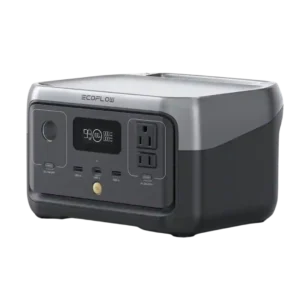
EcoFlow River 2
1.0
One owner saw an implausibly rapid fall from 99% to 74%, raising concern about calibration on that unit.
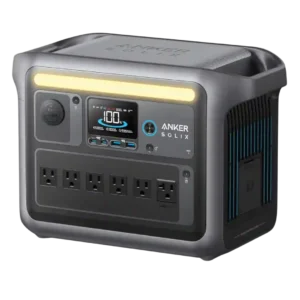
Anker Solix C1000
5.0
The percentage display was praised as dependable near empty, allowing users to run demanding loads down to the last few percent with confidence.
instruction quality
EcoFlow River 2
5.0
The manual is detailed and covers operation, storage, warnings, and solar connections well.
Anker Solix C1000
1.0
The C1000’s instruction quality is a recurring weakness, with users describing practical limitations or frustrating behavior.
charging cable quality
EcoFlow River 2
4.7
The direct kettle-style AC lead avoids a bulky brick and is easy to replace, while the XT60 car cable is more specialized and worth keeping track of.
Anker Solix C1000
1.0
The included cords work, but several owners found them too short, thick, bulky, or awkward—especially the expansion-battery cable.
sleep mode behavior
EcoFlow River 2
5.0
Configurable low-draw shutdown is useful for CPAP and storage scenarios, giving owners more control than many basic units.
Anker Solix C1000
1.3
Power-saving modes can shut off low-draw USB, AC, or 12V devices unless several timeout settings are adjusted. This is a recurring concern for overnight coolers and medical equipment.
input and output monitoring
EcoFlow River 2
1.5
Live wattage information is helpful, but one technical test and one customer reported erratic or only approximate readings.
Anker Solix C1000
5.0
The display and app clearly show battery percentage, incoming watts, outgoing watts, and estimated time remaining. This makes load planning easy.
AC outlet count
EcoFlow River 2
1.8
One or two regional AC sockets are not enough for every setup, and bulky plugs can effectively reduce the usable count.
Anker Solix C1000
5.0
The front AC outlets are generous for a station this size and are spaced well enough for bulky plugs. Reviewers appreciated being able to connect several household devices.
cable storage
EcoFlow River 2
4.0
The supplied AC cord includes a tie, but there is no dedicated onboard compartment for cables.
Anker Solix C1000
1.0
There is no built-in compartment for the thick charging cords, so owners often strap them to a handle or store them separately.
dust resistance
EcoFlow River 2
2.0
The fan and uncovered ports create clear dust-entry points, so occasional cleaning and sheltered use are sensible.
Anker Solix C1000
5.0
One owner praised the claimed dustproof construction for rugged outdoor use, though broader testing is limited.
idle noise
EcoFlow River 2
2.0
The fan can remain audible even at its lowest speed, which matters in bedrooms and quiet campsites.
Anker Solix C1000
5.0
At low and moderate loads, the fans can be nearly silent or barely audible. Noise becomes much more noticeable only as load or charging speed rises.
impact resistance
EcoFlow River 2
2.0
It is not shock-rated; ordinary vehicle bumps appear tolerable, but owners are advised not to drop it.
Anker Solix C1000
5.0
Several units survived hard drops, tailgate tumbles, stairs, and rough truck use without functional damage.
solar cable compatibility
EcoFlow River 2
5.0
XT60 works with EcoFlow and third-party panel cables, though separate shipments, missing cables, and isolated input failures caused frustration.
Anker Solix C1000
2.0
XT60-based solar connections work with the supplied adapters, but some owners needed MC4 adapters or dealt with a loose connector.
ventilation requirements
EcoFlow River 2
5.0
The rear handle helps preserve exhaust clearance against walls, but the vents still need open space and shelter from debris.
Anker Solix C1000
2.0
The C1000 should not be enclosed in a closet or blocked space because heat and fan airflow need room to escape.
self-discharge rate
EcoFlow River 2
2.3
Experiences are split: some fully powered-down units held their percentage for days, while others lost substantial charge within 24 hours or over several weeks.
Anker Solix C1000
5.0
Stored units generally retain charge well, supporting emergency readiness between occasional uses.
maximum solar input
EcoFlow River 2
2.0
The 110W solar ceiling is suitable for the small battery but limits gains from larger panels.
Anker Solix C1000
4.7
Up to 600W of solar is unusually strong for this footprint. Achieving the maximum requires panels with the right voltage and current characteristics.
battery expandability
EcoFlow River 2
1.5
Capacity is fixed on the base model, and the lack of a clean add-on battery path makes larger River or Delta models better for growing needs.
Anker Solix C1000
4.2
An optional battery can double storage to about 2.1kWh, a useful step-up for longer trips. Buyers note that only one expansion battery is supported and the add-on can be costly.
usable battery capacity
EcoFlow River 2
2.3
Measured usable energy falls below the 256Wh headline, with technical results around 200-218Wh and one customer reporting a much lower faulty result.
Anker Solix C1000
5.0
Independent tests recovered a high share of the rated capacity through both AC and DC outputs, especially at moderate loads.
built-in light
EcoFlow River 2
2.0
Unlike several competitors, it has no built-in flashlight, a missed convenience for camping and emergencies.
Anker Solix C1000
4.6
The warm, adjustable light bar is useful in tents, outages, and dark work areas. Placement and automatic behavior drew a few minor complaints.
voltage regulation
EcoFlow River 2
2.5
X-Boost keeps some oversized resistive loads running by lowering voltage, so appliances may work more slowly or weakly.
Anker Solix C1000
5.0
Testing found stable voltage under demanding loads, and the unit maintained usable AC output even near empty.
expandability
EcoFlow River 2
2.0
The base unit lacks the modular capacity options found on newer or larger models.
Anker Solix C1000
4.4
Doubling capacity with one add-on battery is valuable for longer trips and backup. The single-battery limit keeps it from scaling into a large home system.
outlet accessibility
EcoFlow River 2
2.6
The front layout is mostly roomy, though regional upside-down sockets and tight spacing around large plugs create occasional frustration.
Anker Solix C1000
5.0
Front-mounted, well-spaced outlets are easy to reach and accommodate large adapters better than many compact competitors.
high-demand appliance support
EcoFlow River 2
2.4
Coffee makers, heaters, toaster ovens, large tools, and full-size appliances often overload it or drain it too quickly; X-Boost only partly expands the range.
Anker Solix C1000
4.8
The inverter successfully runs microwaves, kettles, coffee makers, refrigerators, power tools, and some heaters. Laundry appliances, rooftop air conditioners, and simultaneous high-draw loads can exceed its limits.
specification accuracy
EcoFlow River 2
2.8
Most technical measurements support the stated capacity and power, but regional listings, weight claims, and the 600W X-Boost headline can be confusing.
Anker Solix C1000
5.0
Most real-world tests matched or exceeded charging, output, and runtime expectations, though solar results depend heavily on the panel setup.
rated output
EcoFlow River 2
2.8
Hands-on tests show it can sustain roughly its 300W rating, while higher loads depend on X-Boost and reduced performance.
Anker Solix C1000
5.0
A continuous rating around 1,800W covers most single household appliances and many tool loads, though not every large appliance at once.
power output
EcoFlow River 2
2.9
The 300W class output is useful for electronics and small appliances, but buyers repeatedly found it underpowered for broader backup needs.
Anker Solix C1000
5.0
Reviewers repeatedly praise the 1,800W inverter for delivering more power than expected from such a small station.
firmware updates
EcoFlow River 2
5.0
Updates were easy to install and have improved features such as auto-shutoff behavior.
Anker Solix C1000
3.0
Firmware has fixed important external-battery charging problems, although one owner reported communication instability after an update.
12-volt outlet
EcoFlow River 2
2.0
The car-style outlet handles many accessories, though a few owners reported heater incompatibility or outright port failure and reviewers disliked the loose or missing cover.
Anker Solix C1000
4.0
The regulated car-style output is useful for coolers, pumps, and other vehicle accessories. Testing also shows that its wattage ceiling is more modest than the AC inverter.
cold-weather performance
EcoFlow River 2
1.0
One customer reported very short runtime around 30°F, while broader technical commentary says LFP chemistry itself tolerates cold better than older cells.
Anker Solix C1000
3.0
Most outdoor use was trouble-free in chilly conditions, but one owner reported a complete failure to operate around 30°F.
control panel layout
EcoFlow River 2
3.0
Ports are easy to reach, but exposed buttons can be pressed accidentally when the unit is packed in a bag.
Anker Solix C1000
5.0
Front-facing outputs, clear labels, and sensible spacing make the unit intuitive to plug in and operate.
included accessories
EcoFlow River 2
3.0
Core AC and car cables are normally included, yet separate solar-cable shipments caused repeated confusion and several customers initially believed parts were missing.
Anker Solix C1000
5.0
The box generally includes the essential AC, car, and solar charging cables, reducing the need for immediate extra purchases.
MPPT controller performance
EcoFlow River 2
5.0
One hands-on test pulled about 95W from a 100W panel, showing strong tracking under good sun.
Anker Solix C1000
3.0
The solar controller tracks panels effectively, but voltage, amperage, and low-input thresholds can prevent users from reaching the full advertised solar rate.
repairability
EcoFlow River 2
3.0
The case can be opened with screws, but the tightly integrated internals are not designed for simple consumer repair.
Anker Solix C1000
5.0
Faulty units were generally resolved through troubleshooting and replacement rather than user repair. Replacement experiences were often positive.
weather resistance
EcoFlow River 2
2.0
It tolerates normal sheltered outdoor use, but rain, wet ground, and exposed conditions require extra protection.
Anker Solix C1000
4.0
The station survived rough outdoor use in several accounts, but reviewers still recommend protection from direct rain where no clear IP rating is stated.
water resistance
EcoFlow River 2
1.6
It is not water-resistant and must stay dry; exposed ports and the cooling fan make rain, boats, and wet ground poor environments.
Anker Solix C1000
3.4
Outdoor durability reports are positive, but sources conflict on formal weather ratings and some variants lack an IP rating. Keeping it sheltered remains prudent.
app privacy
EcoFlow River 2
2.0
Mandatory registration, internet access, and account binding bothered several users who wanted local-only control.
Anker Solix C1000
3.7
Some users valued being able to use the app without an account, while another criticized login requirements for basic remote functions.
charging efficiency
EcoFlow River 2
3.4
Fast AC charging trades some efficiency for speed, while DC and USB-C results range from solid to excellent depending on voltage and load.
Anker Solix C1000
5.0
Measured recharge and round-trip efficiency are among the better results reported for this class, especially at moderate settings.
runtime
EcoFlow River 2
2.9
Runtime varies sharply by load: phones and networking gear can last hours or days, while 150-300W appliances may empty it in under two hours.
Anker Solix C1000
4.4
Runtime is strong for electronics, CPAP machines, refrigerators, and moderate camping loads. Heaters, air conditioners, and other high-wattage devices can drain it quickly.
car charging speed
EcoFlow River 2
3.5
The 12V input is convenient and can approach 100W, but isolated owners reported car-charging failures and inverter compatibility problems.
Anker Solix C1000
2.0
Standard vehicle charging is slow and can take much of a driving day. Higher-voltage setups improve speed, but ordinary 12V input remains a weak point.
energy usage tracking
EcoFlow River 2
3.5
The app shows useful live power trends, but it lacks deeper solar history, cycle counts, and long-term data logging.
Anker Solix C1000
2.0
Live wattage is useful, but users repeatedly want longer-term graphs, logs, and historical consumption data rather than a few seconds of activity.
materials quality
EcoFlow River 2
3.5
External materials feel solid, but one teardown found inconsistent conformal coating and unsupported internal components.
Anker Solix C1000
5.0
Reviewers describe heavy-duty plastic, an aluminum frame, and industrial-grade electronics rather than cheap or flimsy parts.
solar charging speed
EcoFlow River 2
4.4
With a well-matched 100-110W panel and good sun, a full recharge commonly takes about three to four hours, though real weather can slow it dramatically.
Anker Solix C1000
3.1
Solar results vary widely with panel quality, angle, weather, and voltage. Properly matched 400–600W arrays can be fast, while small portable panels may take days.
battery storage performance
EcoFlow River 2
3.7
Configurable charge limits help long-term storage, but self-discharge complaints make proper full shutdown important.
Anker Solix C1000
5.0
The C1000 generally holds its charge well between uses, making it practical to keep ready for outages or occasional trips.
battery capacity
EcoFlow River 2
2.4
The 256Wh battery is well matched to light weekend use and mobile electronics, but it is too small for overnight refrigeration or serious home backup.
Anker Solix C1000
3.7
The roughly 1kWh pack is a good match for weekends, workstations, and short outages. It is not large enough for unrestricted whole-home backup or long high-draw use.
solar panel compatibility
EcoFlow River 2
3.0
XT60 input works with EcoFlow and many third-party panels through adapters, although the voltage/current window can be awkward and some owners hit compatibility problems.
Anker Solix C1000
4.3
It works with Anker and many third-party panels when voltage and connectors match. Buyers should verify limits and cable standards before purchasing panels.
display quality
EcoFlow River 2
4.9
The front LCD is bright, clean, and informative, showing charge, input/output power, and time estimates without clutter.
Anker Solix C1000
3.7
The LCD is generally bright, informative, and well designed. A few users dislike small secondary text or washed-out outdoor readability.
weight
EcoFlow River 2
4.3
Most reviewers consider it exceptionally light for a power station, though a few buyers still found it heavier than expected or unsuitable for hiking.
Anker Solix C1000
3.1
Around 25–30 pounds is manageable for many adults and light for the output class, but still heavy for long carries, stairs, or users with limited strength.
solar generator functionality
EcoFlow River 2
4.8
Paired with a compact panel, it is highly useful for camping, field work, shop lighting, and keeping electronics charged off-grid.
Anker Solix C1000
3.7
The C1000 works well as a solar-supported camping station, but the controller limits and real-world panel output make it less dependable as a solar-only backup.
heat management
EcoFlow River 2
4.1
Active cooling keeps the unit from overheating during heavy use, but fast charging can make it warm and a few fault reports involved heat-related shutdowns.
Anker Solix C1000
3.0
The unit monitors and manages heat effectively, but it can run warm in UPS mode or heavy use. Open airflow is important.
display readability
EcoFlow River 2
5.0
Testers could read the screen in direct sunlight, and customers found the battery and consumption information easy to understand.
Anker Solix C1000
3.9
Most reviewers can read the main display in sunlight and darkness, but smaller runtime and wattage figures may require standing close.
Wi-Fi connectivity
EcoFlow River 2
4.8
Wi-Fi enables monitoring and switching outputs from beyond Bluetooth range, which is useful for home or vehicle installations.
Anker Solix C1000
3.7
Wi-Fi enables remote status checks and controls from beyond Bluetooth range. Most experiences were positive, but a few owners reported dropped or unstable connections.
battery reliability
EcoFlow River 2
2.5
Many units work daily without issue, but the customer set includes serious failures to charge, early shutdowns, dead ports, and rapid depletion.
Anker Solix C1000
3.6
Most owners describe dependable backup performance, including months or years of use. A minority reported shutdowns, failed charging, or declining runtime that required replacement or troubleshooting.
EPS switchover speed
EcoFlow River 2
4.0
Measured switching around 16-30ms worked well for lights, routers, and many electronics, but sensitive workstations remain a questionable match.
Anker Solix C1000
5.0
The switchover is fast enough to keep computers, networking gear, and alarm systems running through brief outages. Multiple tests reported no visible interruption.
battery management system
EcoFlow River 2
5.0
Charge limits, temperature monitoring, tapering near full, and other BMS protections give buyers confidence in long-term battery care.
Anker Solix C1000
4.0
Temperature monitoring and protective charging behavior inspire confidence, but users would like configurable maximum charge limits for long-term battery care.
remaining runtime estimate
EcoFlow River 2
4.0
The time estimate is useful and tracked charging closely in some tests, though another reviewer found such estimates inherently unreliable.
Anker Solix C1000
5.0
The live estimate helps users decide which loads to keep running and how soon they need to recharge.
accessory ecosystem
EcoFlow River 2
5.0
Solar panels, app integrations, cables, backpacks, and larger EcoFlow models create a useful ecosystem around the base unit.
Anker Solix C1000
4.0
Expansion batteries and compatible solar panels broaden the C1000’s uses. The ecosystem is useful, though expansion cables and add-on pricing can be awkward.
cooling performance
EcoFlow River 2
5.0
The fan and front-to-rear airflow keep the enclosure from becoming excessively hot, though they add noise and dust exposure.
Anker Solix C1000
4.0
Cooling keeps the electronics under control, but the small fans work hard during fast charging and heavy loads. External airflow can noticeably reduce temperature.
peak output
EcoFlow River 2
4.0
X-Boost can keep some appliances rated up to 600W operating, but it does so by reducing voltage rather than delivering a true 600W continuous output.
Anker Solix C1000
5.0
The 2,400W surge capability is exceptional for a compact 1kWh station and helps start heaters, tools, and cooking appliances.
storage preparation
EcoFlow River 2
5.0
App-controlled charge limits make it easy to leave the battery near a storage-friendly level before storms or trips.
Anker Solix C1000
4.0
Long-term storage is simple, but Anker recommends periodically topping up the battery rather than leaving it untouched indefinitely.
load handling
EcoFlow River 2
4.1
Phones, laptops, routers, fans, lights, coolers, pumps, and other small loads are its sweet spot, with many owners reporting trouble-free operation.
Anker Solix C1000
5.0
The station handles mixed office, campsite, kitchen, and tool loads with strong stability. It shuts down safely when users exceed its continuous limit.
outlet selection
EcoFlow River 2
3.5
The USB, 12V, and AC mix covers common portable electronics well, but the limited number of AC connections narrows heavier use.
Anker Solix C1000
4.4
The combination of AC, USB-C, USB-A, and 12V outputs is widely praised as generous. A few specialized users still want more DC barrel or USB ports.
pass-through charging
EcoFlow River 2
5.0
It can power connected devices while recharging, making it useful for continuous desk, router, and light backup duties.
Anker Solix C1000
4.3
True bypass and charge-while-powering behavior work well for UPS and workstation use. Expansion-battery quirks have occasionally complicated this mode.
charging input compatibility
EcoFlow River 2
4.3
AC, car, solar, and bidirectional USB-C make charging unusually flexible, but failed ports and modified-sine inverter incompatibility appear in isolated reports.
Anker Solix C1000
5.0
AC, solar, and vehicle inputs provide flexible charging options. Cable and connector choices can require adapters with some third-party panels.
recharge speed
EcoFlow River 2
4.2
Owners repeatedly praised how quickly it tops up, especially compared with traditional backup batteries and slower budget stations.
Anker Solix C1000
4.9
Fast recharging is a signature strength. Many owners and testers refill the station in roughly 55–90 minutes from AC power.
handle comfort
EcoFlow River 2
4.3
The sturdy rear grab handle makes one-handed carrying easy and protects airflow, but it adds depth and some reviewers preferred a different placement.
Anker Solix C1000
5.0
Two sturdy side handles distribute the weight well and make short carries more comfortable than a single central handle.
inverter quality
EcoFlow River 2
4.5
The compact inverter is efficient for light loads and delivers clean power, though measured AC conversion was not class-leading.
Anker Solix C1000
5.0
The large pure-sine inverter handles demanding devices confidently and maintains stable output across varied loads.
lifting ease
EcoFlow River 2
5.0
The low weight and oversized grab handle make it easy to lift and carry one-handed over meaningful distances.
Anker Solix C1000
4.5
Built-in handles make short moves manageable, but the roughly 28-pound weight still encourages two-handed carrying over distance.
home backup capability
EcoFlow River 2
4.5
It is effective for routers, lights, phones, and other essentials during short outages, but the small battery is not a substitute for whole-home or long-duration backup.
Anker Solix C1000
5.0
The C1000 is highly effective for short outages involving refrigerators, routers, lights, medical gear, and workstations. It is a targeted essentials backup, not a whole-home solution for days.
USB-C power delivery
EcoFlow River 2
3.6
The consistent hands-on result is 60W bidirectional USB-C—adequate for many laptops, but less versatile than 100W competitors and weak for some legacy fast-charge modes.
Anker Solix C1000
4.0
The 100W USB-C port is useful for laptops and larger electronics. Some versions pair it with a weaker 30W port, making the USB-C offering capable but uneven.
overall product satisfaction
EcoFlow River 2
4.3
The broad consensus is highly positive for fast-charging portable power, tempered by the small battery, 300W ceiling, and a minority of serious reliability complaints.
Anker Solix C1000
4.7
The overall consensus is strongly positive: buyers value the combination of power, fast charging, compactness, and versatility. Noise, capacity limits, and app quirks prevent it from being perfect.
compactness
EcoFlow River 2
5.0
The small footprint is a defining advantage, fitting vehicles, bags, desks, and crowded camping kits without sacrificing basic outputs.
Anker Solix C1000
4.6
The C1000 packs unusually high output into a compact body that fits well in vehicles, closets, and work areas. This power-to-size balance is one of its most repeated strengths.
UPS functionality
EcoFlow River 2
4.6
Pass-through backup is a valuable extra for routers and tolerant electronics; some tests kept computers running, while others warn the sub-30ms transfer is not a true online UPS.
Anker Solix C1000
5.0
UPS mode is a major strength for offices, routers, medical equipment, and alarms. True bypass and quick switching worked well, although power-saving settings need attention for essential low-draw devices.
warranty
EcoFlow River 2
4.6
The five-year warranty is unusually strong for this price and category, although a few customers reported frustrating disputes over coverage.
Anker Solix C1000
5.0
The five-year warranty is longer than many competing portable stations and repeatedly increases buyer confidence.
portability
EcoFlow River 2
5.0
At about 7.7 pounds with a large rear handle, it is repeatedly praised as easy to carry for camping, road trips, field work, and short outages.
Anker Solix C1000
4.6
The compact shape and dual handles make it practical for car camping, road trips, and moving around a house. At roughly 28 pounds, it is portable rather than lightweight.
overload protection
EcoFlow River 2
4.3
The unit generally shuts down and resets cleanly after oversized loads, though unexpected overload trips during solar charging were reported.
Anker Solix C1000
4.0
When loads exceed the limit, the C1000 shuts down cleanly and can restart shortly afterward, protecting both the station and connected devices.
simultaneous device support
EcoFlow River 2
4.7
Its mix of USB, DC, and AC connections can charge several low-power devices together, which campers and outage users found genuinely useful.
Anker Solix C1000
5.0
Multiple outlets and a strong inverter let users run several electronics or appliances together, provided the combined load stays below the limit.
ease of setup
EcoFlow River 2
5.0
Most buyers found setup, app pairing, and first use straightforward, with plug-and-play operation.
Anker Solix C1000
4.7
Initial operation and app pairing are usually straightforward. Registration, missing documentation, or app connection issues complicated setup for a small group of owners.
noise level
EcoFlow River 2
3.6
The fan is usually quiet or off at light loads, but fast AC charging and heavy output can produce audible whine or loud bursts.
Anker Solix C1000
3.3
Noise opinions depend heavily on load: light use can be quiet, while fast charging or high output can sound harsh or loud. Fan noise is the most consistent complaint.
app connectivity
EcoFlow River 2
3.7
Phone pairing adds remote status and controls, though some owners disliked needing internet or an account and one reported a model without expected connectivity.
Anker Solix C1000
3.4
Pairing is usually quick over Bluetooth or Wi-Fi, but isolated reports describe reconnection bugs and instability after updates.
full-load noise
EcoFlow River 2
2.0
One owner specifically found the fan too loud, while other tests describe maximum-load noise as noticeable but manageable.
Anker Solix C1000
1.8
Fan noise rises sharply near maximum output or during ultra-fast charging. Several reviewers describe it as the main compromise for the compact chassis.
app quality
EcoFlow River 2
4.6
The EcoFlow app is widely praised for polished controls, charge limits, output switching, and firmware access, although deeper logging and automation remain limited.
Anker Solix C1000
4.4
The app is often praised for live data, charging controls, timers, and remote switching. Complaints center on missing history, notifications, charge limits, and occasional connectivity problems.
durability
EcoFlow River 2
5.0
The case survived real drops in one test and feels suited to outdoor use, though it lacks formal shock and weather protection.
Anker Solix C1000
4.9
Drops, truck use, road vibration, and extended outdoor handling caused little or no damage in several accounts. Long-term field users generally found it tough.
value for money
EcoFlow River 2
4.0
Frequent discounts make it compelling for light-duty users, but full-price buyers may prefer larger capacity or competitors with more ports.
Anker Solix C1000
4.2
Value is excellent at common sale prices around the mid-$400s to $600s, but the full MSRP feels expensive. Discounts materially change the recommendation.
build quality
EcoFlow River 2
4.8
The shell, controls, feet, and ports generally feel robust and premium, despite isolated defective units and a few internal-finish criticisms.
Anker Solix C1000
4.6
The case, handles, buttons, and internal structure feel solid and durable. Even though much of the housing is plastic, reviewers rarely describe it as flimsy.
ease of use
EcoFlow River 2
4.8
Simple buttons, a clear display, and direct outputs make the unit approachable even without the app.
Anker Solix C1000
4.9
The controls are simple enough for first-time users, older owners, and nontechnical buyers. Most tasks amount to enabling an output and plugging in a device.
AC charging speed
EcoFlow River 2
5.0
A roughly 58-60 minute wall recharge is the clearest consensus strength and changes how easily the unit can be topped up between trips.
Anker Solix C1000
4.9
Wall charging is one of the clearest strengths, with many tests reaching full charge in roughly an hour. Ultra-fast mode is convenient, though it often brings louder fans.
design aesthetics
EcoFlow River 2
4.6
The two-tone shell and flat-top redesign are generally liked for clean looks and practicality, even if the rear handle appears less sleek.
Anker Solix C1000
4.7
The clean gray-and-blue styling looks modern and less industrial than many competing stations. Owners also like darker-shell variants.
size and footprint
EcoFlow River 2
4.3
Its low height and flat top pack efficiently, though the protruding handle can make it deeper or awkward inside narrow enclosures.
Anker Solix C1000
4.4
The blocky but compact footprint stores easily in vehicles and closets while leaving room for a large inverter and battery.
customer support
EcoFlow River 2
3.6
Support experiences range from fast replacements and generous resolutions to prolonged runarounds, poor communication, and refund problems.
Anker Solix C1000
3.7
Support is often praised for responsive replacements, refunds, and follow-up. Some cases required escalation or produced generic answers before resolution.
battery cycle life
EcoFlow River 2
5.0
The 3,000-cycle rating is one of the product's strongest selling points, giving heavy users far more expected life than older NMC packs.
Anker Solix C1000
5.0
The 3,000-cycle rating is repeatedly viewed as enough for many years of regular charging and discharging.
battery longevity
EcoFlow River 2
5.0
Several reviewers expect roughly eight to ten years of regular use before capacity falls to about 80%.
Anker Solix C1000
5.0
Long-life chemistry and several extended-use reports support confidence in years of service. A few owners nevertheless reported capacity or charging problems after prolonged use.
long-term reliability
EcoFlow River 2
3.9
Multi-year adventure use and daily installations are encouraging, yet a handful of owners experienced failures within months.
Anker Solix C1000
3.9
Many owners report months or more than a year of regular use without meaningful capacity loss. A smaller number encountered charging or inverter problems later in ownership.
storage convenience
EcoFlow River 2
5.0
The flat, slightly dished top can hold or stack gear, a practical improvement over the original top-handle design.
Anker Solix C1000
5.0
The compact shape fits cupboards, trunks, and packed vehicles well, making it easy to keep available between trips.
Bluetooth connectivity
EcoFlow River 2
5.0
Bluetooth pairing was generally quick and reliable for local control while camping or away from Wi-Fi.
Anker Solix C1000
5.0
Bluetooth gives reliable local control when Wi-Fi is unavailable, which is especially handy at campsites. Several owners found it more useful than expected.
dual-input charging
EcoFlow River 2
1.0
Charging sources cannot be combined; AC, USB-C, and XT60 inputs must be used one at a time.
Anker Solix C1000
1.0
The C1000 does not combine AC and DC input; plugging in AC disables solar or other DC charging. Reviewers repeatedly call this a missed opportunity.
packaging quality
EcoFlow River 2
5.0
Most units arrived well protected in foam and intact, though split shipments for cables and the station created confusion.
Anker Solix C1000
5.0
Packaging is consistently described as sturdy, padded, and protective, with several units arriving in perfect condition.
battery chemistry
EcoFlow River 2
5.0
LFP chemistry is consistently treated as a major advantage for safety, frequent cycling, and long service life.
Anker Solix C1000
5.0
LiFePO4 chemistry earns strong approval for safety, stability, and longevity compared with older lithium-ion formulations.
output stability
EcoFlow River 2
5.0
AC output stayed clean and stable at rated load in technical testing, with smooth recovery after brownouts and ordinary use.
Anker Solix C1000
5.0
Tests with computers, appliances, and high loads found stable operation and graceful overload shutdowns.
pure sine wave output
EcoFlow River 2
5.0
The inverter produces clean sine-wave AC that testers trusted with routers, computers, TVs, and other electronics.
Anker Solix C1000
5.0
The pure-sine inverter supplies clean AC suitable for sensitive electronics and common household appliances.
remote control
EcoFlow River 2
5.0
AC and DC outputs can be switched from the app, adding convenience for installations and backup setups.
Anker Solix C1000
5.0
The app can switch outputs, adjust charging wattage, manage timers, and control the light without touching the unit.
hot-weather performance
EcoFlow River 2
5.0
The unit sustained rated operation in simulated heat, with active cooling managing temperature under load.
Anker Solix C1000
5.0
Field use in hot weather was generally successful, though higher temperatures can trigger more fan activity.
LiFePO4 battery
EcoFlow River 2
5.0
The LFP pack is widely praised for safer operation, strong temperature tolerance, and roughly six times the cycle life of older lithium-ion designs.
Anker Solix C1000
5.0
Reviewers consistently favor the LiFePO4 pack for its safer chemistry and long service life. The 3,000-cycle rating gives frequent users confidence in daily use.
operating temperature range
EcoFlow River 2
5.0
Technical testing found full input and output performance in simulated hot and cold conditions, though one customer reported poor cold runtime.
Anker Solix C1000
5.0
Reviewers generally like the C1000’s operating temperature range, describing it as effective and useful in real-world operation.
power quality
EcoFlow River 2
5.0
Technical measurements found clean, stable AC output that compared favorably with ordinary mains power.
Anker Solix C1000
5.0
Pure-sine, stable AC output works well with computers, CPAP machines, networking gear, and other sensitive electronics.
remote monitoring
EcoFlow River 2
5.0
The app is especially handy when the unit is mounted under a seat or otherwise hard to see, showing charge, temperature, and power flow remotely.
Anker Solix C1000
5.0
Phone access to charge, temperature, input, output, and time remaining is especially useful when the station sits under a desk, outside, or in another room.
runtime at full load
EcoFlow River 2
2.0
At the full 300W AC rating, the 256Wh battery lasts under an hour, making maximum output suitable only for brief tasks.
Anker Solix C1000
2.0
At roughly 1,500W or more, runtime can fall to around half an hour, so the station is better for intermittent high-draw use than sustained heating.
surge capacity
EcoFlow River 2
5.0
Short bursts and X-Boost worked as intended in testing, helping the inverter avoid immediate shutdown on compatible loads.
Anker Solix C1000
5.0
The 2,400W surge mode gives short-term headroom for motor and heater startup loads that would overwhelm many 1kWh stations.
air travel suitability
EcoFlow River 2
1.7
At 256Wh it is generally over airline carry-on limits, so it should be treated as road-travel equipment rather than a flyable battery.
Anker Solix C1000No score yet
automatic start
EcoFlow River 2
5.0
A vehicle installation kept the unit charging automatically whenever the engine ran, making the setup effectively always ready.
Anker Solix C1000No score yet
color options
EcoFlow River 2
4.0
Only one two-tone gray scheme is offered, but reviewers generally found it stylish and consistent with the EcoFlow range.
Anker Solix C1000No score yet
DC output
EcoFlow River 2
3.3
The 12V output works for coolers, pumps, and field gear, but its 8A ceiling is lower than the common 10A offered elsewhere.
Anker Solix C1000No score yet
eco mode
EcoFlow River 2
2.0
Unloaded energy-saving behavior reduces waste but creates higher USB ripple, making the implementation less polished than ideal.
Anker Solix C1000No score yet
electromagnetic interference
EcoFlow River 2No score yet
Anker Solix C1000
1.0
One detailed electrical test detected noise on the AC inverter, making this a niche concern for interference-sensitive equipment.
energy efficiency
EcoFlow River 2
2.7
Efficiency is strongest on USB-C and DC loads, while AC round-trip results range from acceptable to disappointing for a small power station.
Anker Solix C1000No score yet
fold-flat handle
EcoFlow River 2
4.0
The sturdy handle does not fold, yet reviewers generally preferred its fixed rear placement for carrying, stacking, and airflow.
Anker Solix C1000No score yet
frequency stability
EcoFlow River 2No score yet
Anker Solix C1000
5.0
Bench testing found the AC frequency stable around 60Hz, supporting sensitive electronics and motor loads.
grounding requirements
EcoFlow River 2No score yet
Anker Solix C1000
2.0
Certain furnace or appliance setups may need a neutral-ground bonding plug before they will operate correctly.
housing durability
EcoFlow River 2
5.0
The plastic shell is repeatedly described as robust and premium, despite lacking formal shock or weather ratings.
Anker Solix C1000No score yet
off-gassing odor
EcoFlow River 2
1.0
One owner reported a strong hot-electronics smell across two units, along with noise concerns while charging.
Anker Solix C1000No score yet
operating cost
EcoFlow River 2
4.0
One analysis judged lifetime stored-energy cost reasonable for the unit's small size, especially when bought on sale.
Anker Solix C1000No score yet
over-temperature protection
EcoFlow River 2
5.0
The BMS continually tracks temperature and active cooling prevents excessive heat during demanding use.
Anker Solix C1000No score yet
over-voltage protection
EcoFlow River 2
5.0
Layered BMS monitoring of voltage, current, and temperature is presented as a strong safety and battery-life feature.
Anker Solix C1000No score yet
push-button start
EcoFlow River 2
5.0
The front power and output buttons are simple, clearly indicated, and easy to operate.
Anker Solix C1000No score yet
quiet mode
EcoFlow River 2
4.0
Reducing AC charge rate through the app noticeably lowers fan noise, though the fan may still be audible.
Anker Solix C1000No score yet
replaceable battery support
EcoFlow River 2
4.0
One teardown-oriented reviewer said the internal pack can be reached and replaced, though it is not a simple user-swappable design.
Anker Solix C1000No score yet
replacement battery cost
EcoFlow River 2No score yet
Anker Solix C1000
1.0
Some owners question paying more for the expansion battery than for a discounted second C1000, despite the cleaner stacked setup.
replacement parts availability
EcoFlow River 2No score yet
Anker Solix C1000
5.0
Anker supplied replacement units in several warranty cases, suggesting good availability for complete-unit replacement.
runtime at half load
EcoFlow River 2
5.0
A technical test delivered about one hour and twenty minutes at a 150W load, a solid result for the 256Wh battery.
Anker Solix C1000No score yet
safety certifications
EcoFlow River 2
5.0
A technical reviewer praised the North American safety listing and the seriousness of the product's protection design.
Anker Solix C1000No score yet
short-circuit protection
EcoFlow River 2
5.0
Safety-focused coverage highlights short-circuit protection as part of the unit's certified protection system.
Anker Solix C1000No score yet
solar panel bundle value
EcoFlow River 2
4.5
EcoFlow's folding panel and carry case feel premium and work well, but the carabiner-based stand can be fiddly and the bundle raises total cost.
Anker Solix C1000No score yet
standby power loss
EcoFlow River 2
2.0
Technical tests and owners found meaningful idle draw, especially with AC output or UPS mode enabled.
Anker Solix C1000No score yet
startup performance
EcoFlow River 2No score yet
Anker Solix C1000
5.0
SurgePad and the high-output inverter successfully start many refrigerators, heaters, tools, and cooking appliances.
USB-A ports
EcoFlow River 2
2.3
The two USB-A ports are useful for legacy devices but lack broad fast-charge protocol support and sometimes fall short of their rated output.
Anker Solix C1000No score yet
USB-C ports
EcoFlow River 2
2.7
A single bidirectional USB-C port is convenient, yet several users wanted a second port for modern gear.
Anker Solix C1000No score yet
whole-home integration
EcoFlow River 2
1.0
The River 2 is not intended for a household distribution board or whole-home backup; it is limited to individual low-power essentials.
Anker Solix C1000No score yet
wireless charging
EcoFlow River 2
2.3
There is no built-in wireless charging pad; phones must use USB or an external charger through AC.
Anker Solix C1000No score yet