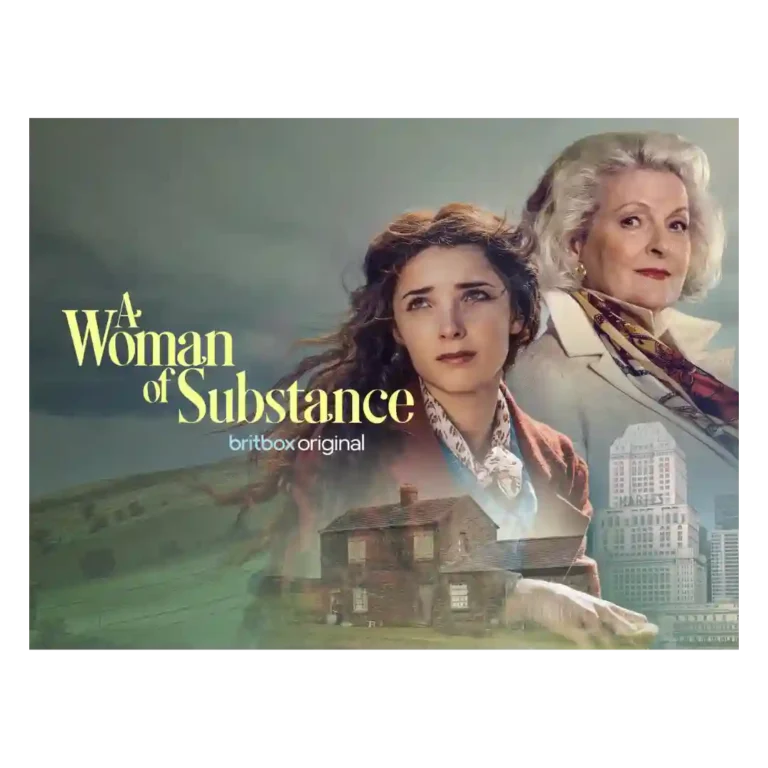
Choose A Woman of Substance if you want a lavish, cast-led revenge saga with old-school melodrama. Skip it if rushed arcs, hammy dialogue, or soapier sexed-up period drama will annoy you.
Best for
Best for viewers who enjoy lavish period dramas, class revenge, big emotions, and a soapy rags-to-riches heroine. It especially suits anyone willing to trade subtlety for momentum, costumes, and performance-driven escapism.
Not for
Not for viewers who want restrained realism, sharp comedy, or a tightly paced adaptation. It may also frustrate fans who want the book or earlier miniseries followed closely.
Verdict
A Woman of Substance is strongest as a glossy, emotionally oversized revenge saga anchored by Jessica Reynolds and Brenda Blethyn. Critics largely agree that the performances, costumes, sets, and period-drama sweep make it compulsive viewing for fans of old-fashioned melodrama. The tradeoff is that the remake can feel rushed in Emma’s middle years, padded in side plots, and occasionally too clean, cliched, or hammy for its own good. Its modern feminist and class framing gives the familiar material energy, but fidelity to the source is mixed, with some major changes pleasing critics more than purists.
Compared in Reviews
Products reviewers directly compared with this model, grouped into quick takeaways.
Downton Abbey
Similar: soapy period-drama toneThe series is likened to a soapy blend of Downton Abbey and Dynasty, meant as a compliment.
Compared: period-drama immersionThe production is said to borrow from Downton Abbey’s immersive period-world appeal.
Dynasty
Compared: budget and camp styleThe drama reaches for Dynasty-style camp, but one critic says it does not have that show’s budget.
Similar: soapy period-drama toneDynasty is used to capture the show’s enjoyable, heightened soap-opera flavor.
1980s miniseries
Compared: faithfulness to the novelThe newer season is described as a radical reboot beside the more faithful 1980s miniseries.
The final episode is one of the better-liked pieces of the season. It is described as twist-packed and strong enough to pull the larger revenge arc together.
The lead performances are the standout strength. Jessica Reynolds is repeatedly singled out as magnetic, while Brenda Blethyn brings force and flair even with limited screen time.
The Emma-and-Mac dynamic earns direct praise for its natural chemistry. That relationship becomes one of the more compelling emotional threads around young Emma.
Acting is the clearest consensus strength. Critics repeatedly praise the cast as terrific, vibrant, magnetic, and capable of lifting even hammy or uneven material.
Binge appeal is strong for the right viewer. Critics call it addictive, bingeable, and the kind of show that makes you want to power through to the end.
Twists are part of the fun, especially for viewers who enjoy scandal, betrayal, and soapy reversals. The season is repeatedly sold as juicy rather than subtle.
supporting cast performance: 4.4, based on 3 reviews
The supporting cast is often praised, from Will Mellor and Lenny Rush to Ewan Horrocks and Niall Wright. Some supporting writing is thinner, but individual performers still make a strong impression.
The photography is a visible asset, especially the Yorkshire moors and the broad period sweep. Critics repeatedly point to the show looking handsome or beautifully shot.
Genre fans are the happiest audience here. The show satisfies viewers who want earnest period drama, romantic melodrama, and escapist revenge rather than subversion.
The core rags-to-riches revenge saga lands well, with several writers calling Emma’s journey compelling, engaging, or freshly revived. The story works best when it leans into ambition, betrayal, and old-school sweep.
The modern framing generally works, especially the feminist and class-revenge angle. Critics like that Emma’s story has been nudged toward contemporary ideas about power and social mobility.
Emma’s transformation is widely praised, especially when Jessica Reynolds tracks her shift from vulnerable servant to hardened striver. A few side characters also benefit from added dimension.
Direction is praised for keeping the classical tone emotional and effective. The craft supports the drama without making the period recreation feel overly fussy.
The season has enough intrigue to keep the revenge story moving. Its better stretches offer secrets, showdowns, and a desire to see the next step in Emma’s payback.
The themes have real pull: class resentment, female ambition, revenge, social mobility, and breaking out of prescribed limits. Several writers connect those ideas to modern viewers.
The expanded eight-episode and two-timeline structure gives the saga room to breathe. It is also framed as a setup for a longer story rather than a completely self-contained arc.
Entertainment value is high when the viewer accepts the soapiness. Even skeptical critics describe it as irresistible, nostalgic, or a full banquet of escapist melodrama.
The ending gets credit for reaching its destination even after uneven stretches. It leaves Emma in a changed, less triumphant position that some found fitting for the remake.
The screenplay gets credit for knowing how to use Edwin as a complicated romantic weak point. That sharper character deployment helps offset some flatter dialogue elsewhere.
As drama, the season is proudly heightened and old-fashioned. Critics split between enjoying the melodramatic sweep and finding some of it silly or hammy.
Costumes are often a major selling point, with lavish gowns, wigs, and period frocks helping define the show’s escapist appeal. A minority found some clothes too new or costume-box obvious.
Sexual content is noticeable but not uniformly intense. Some critics call the remake sexed-up and racy, while another says the scenes are more romantic than blush-inducing.
Audience appeal is context-dependent. Viewers who enjoy old-fashioned, soapy period sagas are likely to have fun, while anyone seeking subversion may be bored.
faithfulness to source material: 3.7, based on 7 reviews
Faithfulness is divided. Some say it honors or retains the spirit of Barbara Taylor Bradford’s work, while others point to radical reboot choices and major plot changes.
Production design is lavish but uneven. Many praise the sets, locations, and period interiors, while a few say the polish makes the world feel too clean or budget-conscious.
Emotional impact varies by episode. Some writers found the show moving and full of tearful confrontations, while others felt rushed storytelling diluted Emma’s emotional clarity.
Critical response lands around affectionate mixed-to-positive. One summary captures the tone neatly: not top-tier television, but highly enjoyable nonsense for the right mood.
The season is not treated as especially original, with one critic saying it does not break the mold. Its appeal comes more from classical period-drama pleasures than surprise.
Representation is mixed. Frank’s disability is praised as carefully written, but the near-erasure of the Kallinski family draws criticism for narrowing the social world.
Realism is inconsistent. Some period settings feel authentic, but other notices complain that the world is too spotless or that 1970s New York never convinces.
Dialogue is one of the more mixed traits. Some lines are called cliched, duff, or too explanatory, even when the performers sell the melodrama around them.
One critic found some of Emma’s choices frustrating, especially when the show asks viewers to accept gaps in her family loyalties and later motherhood. That makes her arc feel less tidy than the performance around it.
Season pacing is uneven despite the expanded runtime. Critics point to early padding and repeated confrontations, even as the larger revenge arc remains watchable.
Episode pacing draws some of the sharpest complaints. Several writers felt sections were rushed, repetitive, or overly focused on side entanglements instead of Emma’s central rise.
Plot clarity is a recurring weak spot. Some timeline and family-business jumps feel abrupt, and one critic struggled to sort out characters in the brief 1970s sections.
Humor is not a major strength. The show is often enjoyable as heightened melodrama, but multiple notices say it lacks the wit that might have made the camp sharper.
Compared With Category Average
Compared with other TV Shows, this product is above average in screenplay quality, below average in humor, episode pacing, dialogue quality.
Summary
8 compared features
Above average0.4+ pts higher13%
1 feature
Same as averagewithin 0.3 pts0%
0 features
Below average0.4+ pts lower88%
7 features
Attribute
This product
Category average
Difference
humor
2.2
3.8
-1.6
episode pacing
2.5
3.5
-0.9
dialogue quality
2.7
3.6
-0.9
production design
3.7
4.4
-0.8
screenplay quality
4.0
3.1
+0.9
realism
2.7
3.5
-0.8
plot clarity
2.5
3.3
-0.8
season pacing
2.6
3.4
-0.8
FAQ
Is A Woman of Substance, Season 1 well acted?
Yes. Acting is the strongest point across the reviews, with Jessica Reynolds repeatedly praised as magnetic and Brenda Blethyn credited with making the most of limited screen time.
Is it faithful to the Barbara Taylor Bradford source material?
Partly. Some critics say it honors the spirit of the saga, while others call it a radical reboot with major plot changes and a different ending emphasis.
Is the show slow?
It can be. Several critics mention padding, repetition, or rushed jumps through key parts of Emma’s life, even though the overall story remains bingeable for many.
How much sexual content is there?
The remake is described as racier and sexed-up, but not everyone found it explicit. One review says the scenes are more romantic than truly blush-inducing.
Does the season end well?
The finale and cliffhanger are generally viewed positively. Critics say the ending is twisty, explosive, and clearly designed to make another season appealing.
Who is most likely to enjoy it?
Fans of old-fashioned period sagas, revenge stories, lavish costumes, and heightened soap opera are the best fit. Viewers looking for subtle or subversive drama may be less satisfied.
Sample Expert Reviews We Analyzed
These are a few of the reviews included in our analysis.

Choose The Pitt Season 2 for a gripping, realistic medical drama with superb acting and emotional depth. Skip it if graphic procedures, unresolved arcs, or slower character-driven pacing bother you.
Choose Dark Winds Season 4 for moody noir suspense, excellent acting, and richer Native-centered themes. Skip it if uneven pacing, thin conspiracy plotting, or a stranger L.A. detour would frustrate...
Choose The Agency Season 2 for adult spy drama with superb acting, tense intrigue, and a stronger pace. Skip it if you want simple plotting, constant action, or a Fassbender-only...
Choose Silo Season 3 for revealing, ambitious sci-fi with strong performances and a rewarding finale. Skip it if slow-burn pacing, amnesia plots, or dense mystery-box storytelling test your patience.