Dragon Quest VII Reimagined Feature Scores
Explore all 60 feature scores for Dragon Quest VII Reimagined, organized into pros and cons.
Scores by Feature
Summary
60 reviewed features-
Very positive 4.5-5.019 (32%)
-
Positive 3.5-4.422 (37%)
-
Neutral 2.5-3.411 (18%)
-
Negative 1.5-2.48 (13%)
Pros
Sort
-
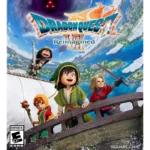
The handcrafted diorama and doll aesthetic is one of the clearest strengths, repeatedly described as gorgeous, charming, and distinctive. A minority found the puppet-like proportions awkward.
-
Clear systems, forgiving turn-based play, and extensive convenience options make this one of the easier Dragon Quest entries for newcomers to understand.
-
Voice acting is one of the most consistent presentation wins, with lively performances and regional accents giving the cast and island cultures more personality.
-
The visual overhaul is a major success, with polished characters, monsters, towns, and battle scenes that make the old adventure feel contemporary without chasing realism.
-
Even critics who noted structural problems often described the experience as fun, addictive, or hard to put down. The charm carries the game through many of its slower stretches.
-
Extensive difficulty tuning, auto-battle, speed controls, and guidance make this unusually approachable for a classic JRPG. Several critics warn that the convenience can go far enough to erase meaningful friction.
-
The remake usually feels refined and carefully finished, with modern presentation and quality-of-life work that makes an old RPG far easier to play today.
-
The modernized turn-based combat is widely liked for its speed, flexibility, Let Loose abilities, and vocation synergies. Auto-battle and low difficulty can make regular fights feel shallower than the underlying systems deserve.
-
Most reviewers see this as a strong, often excellent modernization that makes Dragon Quest VII far easier to recommend. Longtime fans are more divided over removed islands, systems, and friction that gave earlier versions their identity.
-
The orchestral score is widely loved and strongly reinforces the adventurous, nostalgic mood. A few reviewers found repeated themes tiring over such a long game.
-
The strongest storytelling comes from self-contained island vignettes that range from funny to dark and emotionally affecting. The larger plot takes longer to cohere, so story quality can feel uneven across the full journey.
-
The remake preserves a cozy, storybook sense of adventure, with warmth and nostalgia carrying even its darker island stories.
-
Moonlighting and the revamped vocation system are major highlights, encouraging flexible dual-job builds and experimentation. The system can unlock too late for some players and can also produce overpowered combinations.
-
Markers, lists, and hints make fragments and objectives far easier to track. The downside is aggressive handholding, especially where guidance cannot be fully disabled.
-
Switch 2 and PC/handheld impressions are largely smooth, often at 60fps. A few reviewers noticed minor frame-pacing or cutscene hitches rather than major instability.
-
Kiefer, Maribel, and other party members have arcs that can resonate, especially around purpose and growing up. Some critics still wanted more time and depth for those journeys.
-
Puzzles are easy to read and rarely block progress, which suits beginners but leaves experienced players wishing for more demanding solutions.
-
Modern spell and battle effects add energy without slowing combat down, giving the turn-based fights more visual punch.
-
Most reviewers found the party charming and easy to travel with, although a few never fully warmed to particular characters or the cast as a whole.
-
Auto-battle is notably competent at handling routine encounters and can even carry tougher fights. That intelligence is convenient, but it also contributes to the sense that the game can play itself.
-
Across the tested platforms, performance is generally smooth and stable, with reviewers reporting few serious technical problems.
-
Battle and interface effects fit the bright, cartoon-like presentation and reinforce the series’ familiar audio identity.
-
The episodic islands fit portable play especially well, and Switch 2 and Steam Deck impressions praise the game for short sessions and smooth on-the-go performance.
-
Localization and dialogue often earn praise for humor and personality, but some critics find the writing basic, cheesy, dated, or too archetypal.
-
Character and battle animation drew praise for looking smooth and lively within the doll-like presentation.
-
The island format supplies different locations, predicaments, and tones, helping the long journey stay fresh even when the overall structure repeats.
-
Post-game bosses provide some of the strongest mechanical challenge, finally demanding careful class choices, equipment, and tactics.
-
The monster roster retains Dragon Quest’s playful personality, with encounters ranging from iconic to delightfully strange.
-
Load times on Switch 2 were described as very quick, helping travel and repeated battles keep moving.
-
Menus and shared inventory are cleaner and faster than older versions, though repeated vocation-management steps can still add friction.
-
Traversal feels smooth and unencumbered, helping the smaller diorama spaces stay pleasant to move through.
-
The island vignettes introduce supporting characters that can be easy to care about even when the party only spends a short time with them.
-
New tutorials and clearer early guidance help newcomers understand the game without the opaque start associated with older versions.
-
The interface is neat, tidy, and pleasant to navigate, making commands and equipment management much easier to handle.
-
Warmer, livelier towns and more detailed spaces make the rebuilt world feel less static than its older incarnations.
-
Distinct island cultures and visual personality give the world charm, though aggressive cuts can thin out some of the connective texture longtime fans valued.
-
Restoring an island in the past and revisiting it in the present creates a clear, satisfying rhythm in shorter sessions. Over long stretches, the same cycle can become repetitive.
-
Despite major modernization, the game still feels unmistakably like Dragon Quest and retains the original’s spirit for many players. Content cuts make that faithfulness more debatable for purists.
-
The simple systems and forgiving puzzle design were seen as friendly for younger or first-time JRPG players. That same simplicity can leave experienced players under-stimulated.
-
Early, inexpensive Zoom travel removes a large amount of backtracking and makes the long island-hopping adventure easier to manage.
-
One newcomer considered the $60 package a good way to experience the story with modern conveniences and a much lower time commitment than older versions.
Cons
Sort
-
Streamlining fixes a great deal of the original’s notorious slowness, but pacing remains the most common structural criticism. Repeated island loops, late system unlocks, and long stretches of errands can still drag.
-
Granular difficulty settings let players customize damage, rewards, healing, and enemy strength, yet many experienced reviewers still found the game too easy. The loss of friction is one of the most consistent reservations.
-
Removing vocation-specific costume changes disappointed players who enjoyed seeing jobs reflected in each character’s appearance.
-
The vocation system is flexible, but some powerful jobs and combinations can overwhelm the intended challenge.
-
Controls are generally straightforward, but one Switch-specific button inconsistency can cause unintended dialogue choices.
-
Repeated fetch work is one of the places where the old-school structure still feels tedious despite the broader streamlining.
-
Frequent free healing and generous resources reduce the need to manage supplies carefully, while inexpensive failure penalties further soften the economy.
-
The scanned-doll approach can limit facial nuance, with some characters reading more like puppets than fully expressive performers.
-
Early tablet-fragment hunting can feel mundane when rare pieces are simply collected rather than earned through memorable fights, puzzles, or side missions.
-
The lack of a Switch upgrade path and save-data transfer frustrated players who might later move from the original Switch version to Switch 2.
-
This is a focused, island-based adventure rather than a free-roaming world, and players who value getting sidetracked may find the small, linear spaces restrictive.
-
The silent hero remains intentionally traditional; one critic found him more like a generic wordless avatar than a compelling personality.
-
The smaller island stories can be surprisingly dark, touching, and resonant. For some longtime fans, trimming content also removes part of the emotional weight they remember.
-
The opening gets players into exploration and combat much faster than older versions and is easier for newcomers to follow. Some reviewers still found the first hours slower than they wanted.
-
The polished presentation gives returning fans a strong reason to revisit the story, although not everyone felt motivated to keep exploring optional content after the credits.
-
Lighting, textures, and richer scenery give towns, ruins, and dungeons a more tactile, carefully built appearance.
-
This is still a substantial JRPG even after major cuts. Some reviewers welcome the large amount of adventure, while others feel the streamlined version still runs longer than its strongest material can support.
-
Exploring the diorama worlds can be delightful, especially when hunting treasures and Mini Medals. Heavy guidance and a more compressed world can reduce the satisfaction of discovering things unaided.
-
Auto-battle, speed controls, instant wins, and reward modifiers can dramatically reduce traditional grinding. Vocation progression and repeated encounters can still feel like a slog depending on settings and play style.