If you want better narrative quality
Choose Tales of Berseria Remastered. It scores 4.8 vs 3.8 for narrative quality, with a 3.7 overall score.
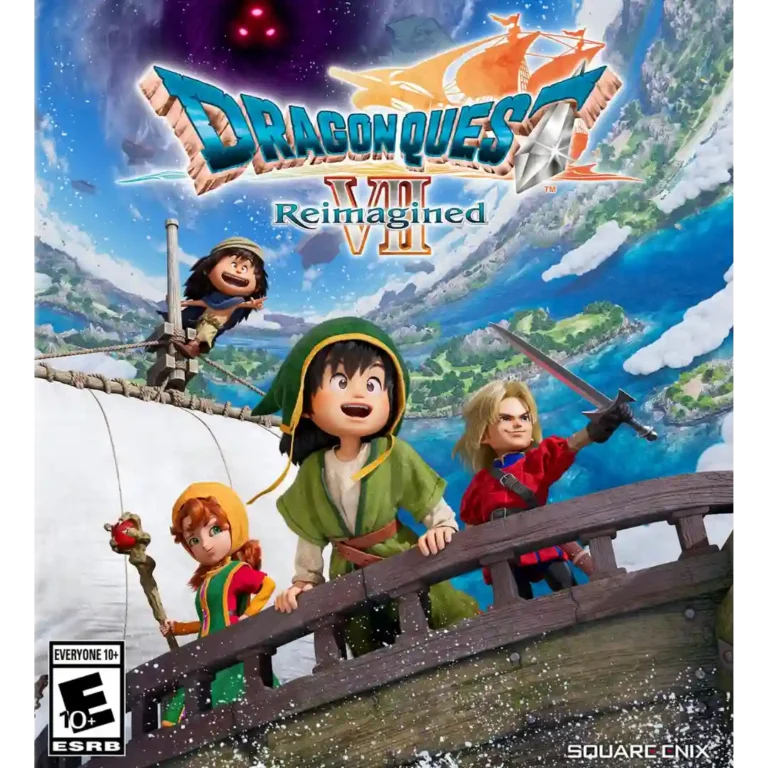
Choose it for gorgeous diorama visuals, flexible turn-based combat, and a far more approachable path through this huge JRPG. Skip it if you want demanding difficulty, minimal handholding, or the fullest version of the original adventure.
Newcomers and classic-JRPG fans who want charming episodic storytelling, flexible turn-based combat, and modern convenience features. It also suits portable play and shorter sessions well.
Players seeking consistently demanding battles, minimal guidance, or every area and system preserved from earlier versions may find the remake too frictionless and heavily trimmed.
Dragon Quest VII Reimagined succeeds most clearly as a welcoming modernization: the diorama presentation is striking, voice acting is excellent, and the revamped turn-based combat gains real flexibility from Moonlighting, Let Loose abilities, speed controls, and auto-battle. Its island vignettes remain charming and often emotionally effective, while streamlined travel and guidance make the adventure much easier to finish. The tradeoff is that many of those same conveniences reduce friction too aggressively. Veterans repeatedly found the game too easy, objective markers can over-direct exploration, and the episodic structure still drags despite major cuts. Longtime fans are also split on whether removed islands and systems improve the experience or thin out what made the original distinctive.
Compared with other Video Games, this product is above average in menu usability, learning curve, map and navigation design, near average in grind level, remake/remaster quality, below average in character customization, controls responsiveness, quest design.
| Attribute | This product | Category average | Difference |
|---|---|---|---|
| character customization | 1.5 | 4.0 | -2.5 |
| controls responsiveness | 1.5 | 3.9 | -2.4 |
| quest design | 1.5 | 3.6 | -2.1 |
| class balance | 1.5 | 3.4 | -1.9 |
| facial animations | 2.0 | 3.7 | -1.7 |
| platform-specific feature support | 2.0 | 3.6 | -1.6 |
| menu usability | 4.5 | 3.0 | +1.5 |
| emotional impact | 2.8 | 4.2 | -1.5 |
Choose Tales of Berseria Remastered. It scores 4.8 vs 3.8 for narrative quality, with a 3.7 overall score.
Choose Hyrule Warriors: Age of Imprisonment. It scores 4.7 vs 1.5 for controls responsiveness, with a 4.1 overall score.
Choose Monster Hunter Stories 3: Twisted Reflection. It scores 5.0 vs 1.5 for character customization, with a 4.3 overall score.
Choose The Alters. It scores 5.0 vs 4.3 for art direction, with a 4.2 overall score.
Products reviewers directly compared with this model, grouped into quick takeaways.
Yes. Reviewers repeatedly call it approachable, with clearer guidance, flexible difficulty settings, auto-battle, and faster progression than older versions.
Yes. Even after major streamlining, reviewers still describe it as a substantial commitment; many reported roughly 40–60 hours for the main journey, while completion-focused runs can go much longer.
For many experienced JRPG players, yes. Difficulty can be customized extensively, but several reviewers still found powerful jobs, auto-battle, generous healing, and low penalties capable of erasing too much challenge.
Moonlighting lets characters use two vocations, Let Loose abilities add powerful tactical options, and battle speed, auto-battle, and instant wins against weak enemies make routine fights much faster.
They are among the strongest points of consensus. The diorama-and-doll art direction is widely praised as charming and gorgeous, while the English voice work is frequently described as excellent.
Some will. Reviewers are split: many think the trims improve pacing, while others miss removed islands, activities, jobs, and the extra friction that gave earlier versions more texture.
These are a few of the reviews included in our analysis.



A triumphant return, not just for Dragon Age VII, but for the series as a whole. Dragon Quest VII Reimagined is a shining example of why this...
Summary Pros Charming diorama art style Job system adjustments Cons Edits have taken away some of its heart Normal difficulty a bit on the...
Go to GamingNexus.com for news and reviews on video games, consoles, and PCs.
Fans of the series will love what has been done here, as this is yet another example of how remakes can succeed without relying on...
Dragon Quest VII Reimagined is a careful, confident revival of a beloved classic that will satisfy series fans and anyone willing to settle...
Good if you want fast, tactical roguelite combat with huge progression depth, striking art, and standout music. Skip it if repetition, resource micromanagement, or a less emotionally satisfying sequel story...
Pros: skill tree depth, dialogue quality
Cons: emotional impact, economy and resource balance
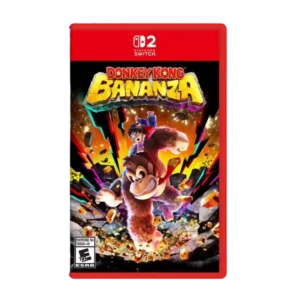
Best for joyful destruction, dense exploration, and a charming DK-Pauline adventure. Skip it if camera quirks, frame-rate dips, easy bosses, or premium Switch 2 pricing are dealbreakers.
Pros: gameplay mechanics, world interactivity
Cons: economy and resource balance, enemy variety
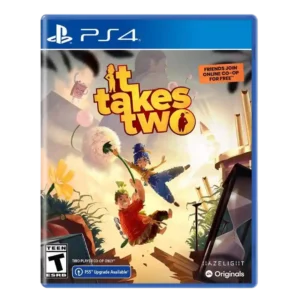
Best for joyful, inventive co-op with a partner, especially on couch. Skip it if divorce themes, uneven story tone, or Switch visual compromises would distract you.
Pros: core gameplay loop, movement feel
Cons: character development, dialogue quality
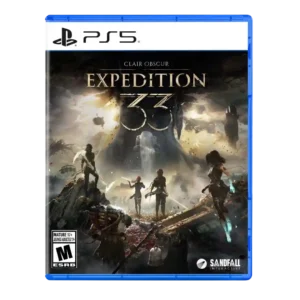
Choose Clair Obscur if you want a story-rich RPG with thrilling timed combat, gorgeous art, and standout music. Skip it if poor maps, tight parry timing, or occasional bugs and...
Pros: monetization fairness, microtransaction impact
Cons: platforming precision, menu usability