If you want better Loudness / maximum volume
Choose Google Home Speaker. It scores 4.6 vs 3.2 for Loudness / maximum volume, with a 3.8 overall score.
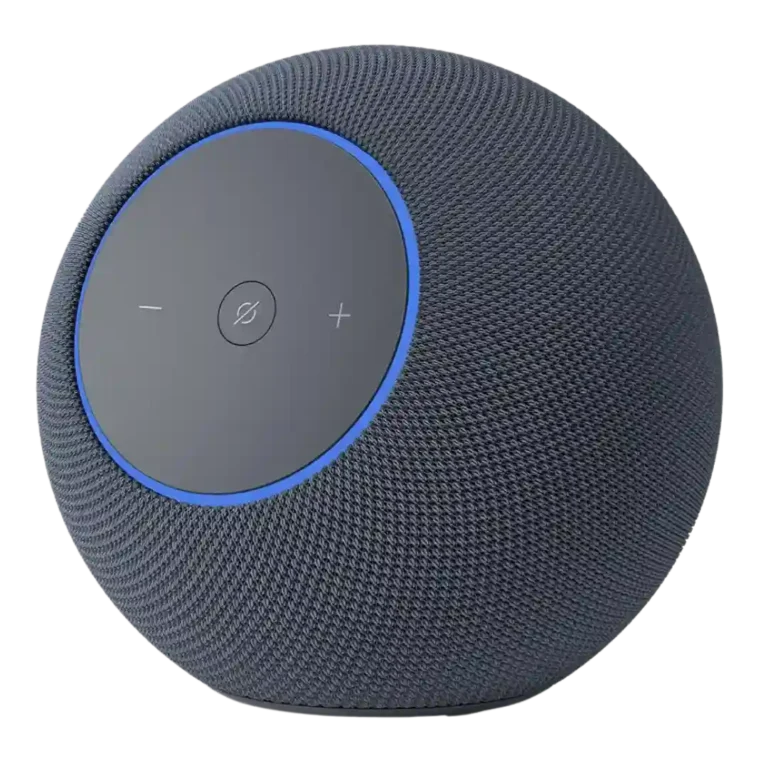
Choose it for clear, room-filling Alexa audio, easy setup, and smart-home integration in a compact design. Skip it if you own the original Studio, need wired inputs, or want the strongest bass and best value at full price.
Best for Alexa-centric homes that want clear, immersive music, smart-home control, and Fire TV integration from a compact speaker. It fits especially well in small to medium rooms where convenience matters as much as raw output.
Skip it if you already like the original Echo Studio, prioritize deep bass and maximum volume, need wired audio inputs, or want portable battery power. Price-sensitive buyers also have strong reason to wait for a discount.
The second-generation Echo Studio is a capable, compact smart speaker with excellent detail, easy setup, strong Alexa integration, and convincing spatial audio for its size. It is especially attractive inside a Fire TV and smart-home setup, where sensors, routines, and Home Theater support add real utility. The tradeoff is audio authority: bass, maximum volume, and dynamic scale often fall behind the original Studio, and some owners encounter pairing, tap-control, or Alexa+ bugs. Removing the 3.5mm and optical inputs also narrows its flexibility. At full price, value is difficult to justify for existing Studio owners, but a sale makes the cleaner design and broader smart features easier to recommend.
Choose Google Home Speaker. It scores 4.6 vs 3.2 for Loudness / maximum volume, with a 3.8 overall score.
Products reviewers directly compared with this model, grouped into quick takeaways.
Not consistently. It is often clearer and easier to place, but many owners and experts say the original Studio has stronger bass, more volume, and greater scale.
Bass can be deep and punchy for the compact size, especially with EQ or favorable placement. The recurring caveat is that it has less low-end weight than the original Studio.
It can produce immersive, room-filling TV sound with compatible Fire TV hardware, particularly with multiple speakers. Setup reliability is mixed, with some users reporting failed links, updates, or connection delays.
For many users, yes: follow-up conversations feel more natural and responses can be fast. Others report slow replies, incorrect behavior, or unfinished integrations, so the software experience is still uneven.
No. The missing wired and optical inputs are repeatedly criticized by people who want to connect legacy audio gear or use the flexibility offered by the original Studio.
Value is the weakest consensus area. It makes the most sense for Alexa and Fire TV households that will use its smart features, while many buyers recommend waiting for a sale.
These are a few of the reviews included in our analysis.


The second-generation Echo Studio is Amazon's smartest and clearest-sounding Alexa speaker yet, offering immersive spatial audio in a...
The Amazon Echo Studio isn't just a smart speaker, it's like a second brain, organising home tasks, setting timers, taking notes, and more
Amazon’s new, second-generation Echo Studio is powerful yet petite, offering a full retinue of home theatre features and Alexa+ compatibility...
Amazon Echo Studio (2nd Gen) review: Dolby Atmos, built-in hub, and claims of bigger bass. Is it worth $219.99?
Great sounding and well priced, the Amazon Echo Studio (2025) is built for Alexa+ and is a great hub for the centre of a smart home.
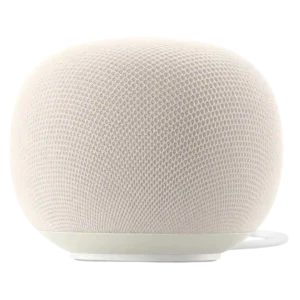
Best for effortless setup, strong microphones, fast Gemini control, and compact room-filling sound inside Google Home. Skip it if you own Nest Audio, prioritize refined music, dislike fixed cables, or...
Pros: Wi-Fi streaming reliability, Inter-speaker connectivity
Cons: Wired input, Frequency response balance