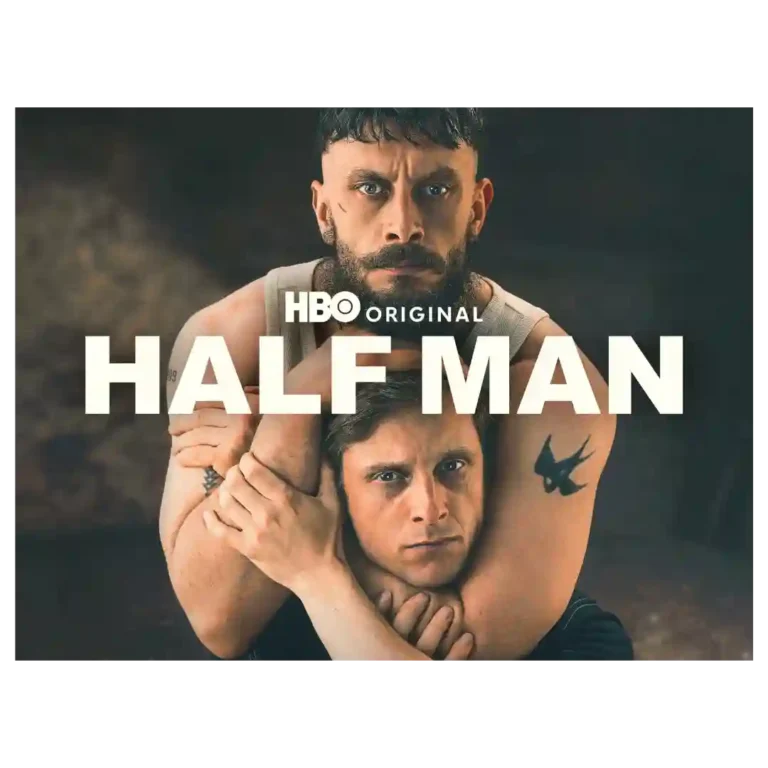
Half Man, Season 1

Half Man, Season 1 Review

Brand: HBO
Released: April 23, 2026
Updated: 10 hours ago
3.6
Overall review score
268
Review evidence points
50
Scored features
30
Expert reviews

Bottom Line

Choose Half Man for fearless performances, thorny masculinity themes, and a story that stays under your skin. Skip it if relentless violence, bleakness, repetitive cycles, or underwritten supporting women make six hours of trauma feel more punishing than profound.

Best for

Best for viewers who welcome bleak, performance-driven psychological drama and want an uncompromising examination of masculinity, shame, sexuality, and shared culpability.

Not for

Not for anyone seeking comfort viewing, balanced levity, restrained violence, a broadly sympathetic cast, or a cleanly resolved and consistently realistic plot.

Verdict

Half Man is a fiercely acted, psychologically charged study of two men bound by love, shame, violence, and dependency. Jamie Bell, Richard Gadd, Stuart Campbell, and Mitchell Robertson give the series its strongest argument, turning the central relationship into something frightening, tender, and difficult to dismiss. The wedding-day framing and time jumps can build remarkable dread, while the best writing refuses simple divisions between victim and perpetrator. Yet the same cycle becomes exhausting across six hours. Later episodes repeat threats, rely on heavy exposition, leave women underwritten, and push adult Ruben toward caricature. The result is bold and memorable rather than universally satisfying: a series capable of feeling profound, overbearing, and emotionally devastating in the same scene.

Feature Scorecards

Summary

50 reviewed features
  • Very positive 4.5-5.0
    18 (36%)
  • Positive 3.5-4.4
    7 (14%)
  • Neutral 2.5-3.4
    14 (28%)
  • Negative 1.5-2.4
    9 (18%)
  • Very negative below 1.5
    2 (4%)

Pros

  • 5.0
    11 reviews strong consensus
    main cast performance: 5.0, 11 reviews, strong consensus
    The four central actors carry the series with fierce commitment. Bell is often called the anchor, Gadd transforms into a threatening adult Ruben, and the younger pair repeatedly emerge as breakout talents.
  • 5.0
    2 reviews limited evidence
    accountability handling: 5.0, 2 reviews, limited evidence
    The show earns praise for refusing easy heroes and villains and for tying the tragedy to blame avoidance, shame, and failures to communicate. Its strongest moments make responsibility feel painfully shared.
  • 5.0
    1 review
    cinematography: 5.0, 1 review
    A carefully composed aftermath shot is singled out for showing how one encounter will shape the brothers’ relationship, turning the frame itself into narrative meaning.
  • 5.0
    1 review
    genre satisfaction: 5.0, 1 review
    One critic calls the season a brilliant, discomfiting six-hour horror film, praising how its psychological dread and violence sustain that experience.
  • 5.0
    1 review
    screenplay quality: 5.0, 1 review
    The screenplay’s densest material is praised for layering social ills, psychology, dialogue, and silence into a coherent whole that overcomes occasional pacing flaws.
  • 5.0
    1 review
    season finale quality: 5.0, 1 review
    The final episode contains a scene several critics regard as among the year’s most emotionally shattering television, even though the broader ending divides opinion.
  • 4.8
    6 reviews strong consensus
    suspense: 4.8, 6 reviews, strong consensus
    The wedding framing and Ruben’s hair-trigger danger create sustained dread. Even skeptical critics admit the brothers’ destructive pull can be riveting and hard to look away from.
  • 4.8
    3 reviews strong consensus
    educational value: 4.8, 3 reviews, strong consensus
    Several reviewers believe the series can provoke serious discussion about male violence, repression, responsibility, and change, with one arguing it should be shown wherever men gather.
  • 4.8
    2 reviews limited evidence
    bingeability: 4.8, 2 reviews, limited evidence
    The mystery and performances kept several reviewers absorbed through all six hours, but the emotional weight makes it a punishing binge rather than an easy one.
  • 4.8
    2 reviews limited evidence
    critic appeal: 4.8, 2 reviews, limited evidence
    The series received maximum or near-maximum scores from enthusiastic critics, but that acclaim sits beside several severe pans, making its critical profile notably polarized.
  • 4.7
    15 reviews strong consensus
    acting quality: 4.7, 15 reviews, strong consensus
    Performance is the clearest strength. The adult and teenage leads are repeatedly called outstanding, career-best, magnetic, and emotionally exact, even by critics who dislike the series.
  • 4.7
    6 reviews strong consensus
    cast chemistry: 4.7, 6 reviews, strong consensus
    Both pairings generate charged chemistry. Bell and Gadd mirror and provoke each other, while Campbell and Robertson bring the younger bond a volatile mix of fear, attraction, tenderness, and danger.
  • 4.6
    4 reviews strong consensus
    pilot episode quality: 4.6, 4 reviews, strong consensus
    The premiere’s mixture of bullying, intimacy, coercion, and wedding-day menace is widely seen as charged and bravura, establishing the relationship with immediate danger and ambiguity.
  • 4.5
    4 reviews strong consensus
    production design: 4.5, 4 reviews, strong consensus
    Glasgow’s chipped paint, dowdy interiors, and cramped domestic spaces create a strong sense of place. The premiere also uses household details to externalize sexual tension and confusion.
  • 4.5
    2 reviews limited evidence
    modern political framing: 4.5, 2 reviews, limited evidence
    The story uses changing social pressures around masculinity and sexuality to frame the brothers’ damage, and some reviewers see its concern with resurgent traditionalism as especially timely.
  • 4.5
    1 review
    directing quality: 4.5, 1 review
    The direction is praised for quiet intensity, visceral confrontations, and seamless time shifts. Its controlled severity suits the material, though the wider visual approach can become oppressively glum.
  • 4.5
    1 review
    episode length: 4.5, 1 review
    Some episodes run beyond an hour, yet one enthusiastic reviewer remained absorbed throughout. For less receptive critics, the cumulative six-hour weight is still a serious barrier.
  • 4.5
    1 review
    season length: 4.5, 1 review
    Six episodes cover three decades and still pack serious force, but the near-six-hour runtime also contributes to the feeling of an endurance test.
  • 4.3
    23 reviews low consensus
    theme depth: 4.3, 23 reviews, low consensus
    Masculinity, shame, sexuality, trauma, and culpability give the series real ambition. Admirers find the treatment profound and layered; detractors see familiar ideas stated too bluntly and repeated too often.
  • 4.3
    2 reviews limited evidence
    world-building: 4.3, 2 reviews, limited evidence
    The compact Glasgow world has a strong sense of place, and its small social orbit can effectively mirror how trapped the protagonists remain in their formative damage.
  • 3.8
    16 reviews low consensus
    emotional impact: 3.8, 16 reviews, low consensus
    Few reviewers were unmoved: the series is described as shattering, devastating, and hard to shake. The disagreement is whether that force feels profound or eventually deadening.
  • 3.8
    16 reviews low consensus
    story quality: 3.8, 16 reviews, low consensus
    The central brotherhood is powerful enough to inspire masterpiece claims, but the same story is also dismissed as repetitive, contrived, or half-baked once it moves beyond the teenage years.
  • 3.8
    2 reviews limited evidence
    plot twists: 3.8, 2 reviews, limited evidence
    The wedding structure delivers misdirection and devastating turns for admirers, while skeptics see the twists as generic extensions of familiar trauma tropes.
  • 3.7
    9 reviews low consensus
    episode structure: 3.7, 9 reviews, low consensus
    Wedding-day bookends and flashbacks create dread, misdirection, and momentum. They also leave important relationships offscreen, create gaps, and sometimes promise revelations the finale cannot fully support.
  • 3.6
    4 reviews low consensus
    editing quality: 3.6, 4 reviews, low consensus
    The timeline shifts can feel seamless and purposeful, especially early on, but other critics find the shuffled chronology confusing and responsible for missing connective detail.

Cons

  • 3.4
    14 reviews low consensus
    writing quality: 3.4, 14 reviews, low consensus
    Gadd’s writing inspires both raves and harsh criticism. Its best scenes are layered, lyrical, and psychologically exact; its weakest are called transparent, clunky, repetitive, and overexplanatory.
  • 3.4
    4 reviews low consensus
    drama quality: 3.4, 4 reviews, low consensus
    At its best, Half Man is brave, intelligent, harrowing drama. At its worst, critics call it bombastic, one-note, and overwrought, with trauma replacing dramatic discovery.
  • 3.3
    15 reviews low consensus
    audience appeal: 3.3, 15 reviews, low consensus
    This is sharply divisive viewing: some call it must-see television, while others expect the trigger-heavy brutality and despair to drive viewers away almost immediately.
  • 3.3
    5 reviews low consensus
    episode pacing: 3.3, 5 reviews, low consensus
    The early episodes often move with excellent tension, but several critics note dips, telegraphed beats, and scenes in the later stretch that fail to land with their intended force.
  • 3.3
    2 reviews limited evidence
    cultural representation: 3.3, 2 reviews, limited evidence
    The closeted queer experience is portrayed with unusual darkness and honesty, yet some critics argue Niall’s sex life leans into harmful stereotypes and rarely shows a healthy relationship with a man.
  • 3.2
    12 reviews low consensus
    character development: 3.2, 12 reviews, low consensus
    Niall’s layered self-loathing and moral compromise are widely admired, but large time jumps and repetitive adult behavior make some later changes feel abrupt or insufficiently developed.
  • 3.2
    6 reviews low consensus
    entertainment value: 3.2, 6 reviews, low consensus
    Some critics found it exceptional, riveting television; others called the six-hour experience a slog, a misfire, or simply pointless. Enjoyment depends heavily on tolerance for relentless despair.
  • 3.1
    8 reviews low consensus
    dialogue quality: 3.1, 8 reviews, low consensus
    The best exchanges are gut-punching, theatrical confrontations between the brothers. The same heightened style becomes a liability when monologues sound overwritten or conversations turn into blunt exposition.
  • 2.8
    11 reviews low consensus
    violence level: 2.8, 11 reviews, low consensus
    The violence is often judged purposeful, artful, and central to the story’s argument. Just as often, critics call it overwhelming, gratuitous, ugly, or emotionally numbing.
  • 2.8
    5 reviews strong consensus
    plot originality: 2.8, 5 reviews, strong consensus
    The early ambiguity feels unpredictable and transgressive, yet many critics see familiar Cain-and-Abel archetypes, trauma patterns, and reversals underneath the surface.
  • 2.6
    7 reviews low consensus
    humor: 2.6, 7 reviews, low consensus
    Dark comedy appears in well-judged flashes and Bell supplies welcome release, but most reviewers agree the humor is minimal and cannot offset the show’s sustained gloom.
  • 2.5
    2 reviews limited evidence
    sexual content level: 2.5, 2 reviews, limited evidence
    The series depicts attraction, coercion, assault, and shame with unsettling ambiguity. Some critics praise the clarity around consent, while others fault the lack of follow-through and the bleak queer stereotypes.
  • 2.5
    1 review
    character consistency: 2.5, 1 review
    Ruben’s adult characterization is the weak point for some critics, who find him flatter, more symbolic, and less human than the charismatic teenager introduced earlier.
  • 2.5
    1 review
    score quality: 2.5, 1 review
    One negative review singles out the oppressive score as part of a self-serious presentation that tells viewers how heavily to feel every moment.
  • 2.4
    7 reviews moderate consensus
    supporting cast performance: 2.4, 7 reviews, moderate consensus
    Several side characters feel appealing and human, but the recurring criticism is that women are underwritten, thinly motivated, or used to carry major plot turns without comparable depth.
  • 2.4
    5 reviews low consensus
    finale satisfaction: 2.4, 5 reviews, low consensus
    The ending is one of the biggest fault lines. Admirers call its final scenes emotionally shattering, while detractors find the detonation unconvincing, confusing, rushed, or lacking resolution.
  • 2.2
    5 reviews low consensus
    plot clarity: 2.2, 5 reviews, low consensus
    One reviewer found the narrative coherent even when watched out of order, but others say the shuffled chronology, late money mechanics, and wedding revelations muddle cause and effect.
  • 2.2
    5 reviews strong consensus
    visual style: 2.2, 5 reviews, strong consensus
    The muted Glasgow setting supports the bleak mood, but later slow motion, distorted breathing, and drab gray imagery strike some critics as exaggerated, distracting, or monotonous.
  • 2.0
    2 reviews limited evidence
    continuity: 2.0, 2 reviews, limited evidence
    The multi-year leaps can make each episode feel like it introduces new versions of the characters. Critics who struggled with the back half found the emotional and narrative transitions insufficiently connected.
  • 2.0
    1 review
    accent authenticity: 2.0, 1 review
    Adult Ruben’s shift to Gadd’s normal voice struck one critic as jarring beside the younger portrayal, weakening the sense that both versions are the same man.
  • 2.0
    1 review
    language level: 2.0, 1 review
    One critic flags the unusually frequent use of the C-word as a likely irritation for American viewers, adding to an already demanding content profile.
  • 2.0
    1 review
    sound design: 2.0, 1 review
    Distorted breathing and an animalistic growl amplify adult Ruben’s menace, but one critic finds the treatment exaggerated and distracting rather than complementary.
  • 1.9
    8 reviews strong consensus
    season pacing: 1.9, 8 reviews, strong consensus
    Repetition is the dominant complaint. The cycle of reconciliation, threat, and violence grows predictable, while later time jumps require too much catch-up and exposition.
  • 1.3
    2 reviews limited evidence
    realism: 1.3, 2 reviews, limited evidence
    The early lives and emotional damage often feel painfully recognizable, but the adult plot’s coincidences, caricatures, and extreme turns cause some critics to stop believing what they are seeing.
  • 1.3
    2 reviews limited evidence
    rewatch value: 1.3, 2 reviews, limited evidence
    Even enthusiastic reviewers repeatedly say they are glad they watched but never want to experience it again. The brutality and emotional exhaustion sharply limit repeat appeal.

Cast & Creators

  • Casting Director
    5.0
    1 review
    Caroline Stewart: 5.0, 1 review
    Stewart’s casting is credited as essential to finding the young performers whose work makes the series so affecting.
  • Casting Director
    5.0
    1 review
    Kahleen Crawford: 5.0, 1 review
    Crawford’s casting is credited as essential to finding the young performers whose work makes the series so affecting.
  • Maura
    5.0
    1 review
    Marianna McIvor: 5.0, 1 review
    McIvor’s manipulative, emotionally desolate Maura is singled out with an award-style comparison for the force of the portrayal.
  • Ruben
    4.7
    17 reviews
    Stuart Campbell: 4.7, 17 reviews
    Campbell is repeatedly identified as a breakout or standout, combining boyish charisma, fragility, menace, and explosive danger in young Ruben.
  • Niall
    4.7
    22 reviews
    Jamie Bell: 4.7, 22 reviews
    Bell receives the most consistent acclaim, with reviewers calling him career-best, heartbreaking, magnetic, credible, and the emotional anchor of the adult story.
  • Niall
    4.7
    14 reviews
    Mitchell Robertson: 4.7, 14 reviews
    Robertson’s wide-eyed innocence and vulnerability give young Niall emotional clarity, and his chemistry with Campbell makes the teenage timeline a frequent favorite.
  • Actor
    4.4
    4 reviews
    Neve McIntosh: 4.4, 4 reviews
    McIntosh brings weary charm and inscrutability to Lori, earning praise even when critics object to how the mother is written.
  • Ruben
    4.0
    24 reviews
    Richard Gadd: 4.0, 24 reviews
    Gadd is praised for terrifying physical presence, emotional hurt, and fearless thematic ambition, but several critics find adult Ruben overplayed, one-note, or the ensemble’s weakest link.
  • Alby
    4.0
    1 review
    Bilal Hasna: 4.0, 1 review
    Hasna contributes to the appealing younger version of Alby, a relationship that several critics wish the series had developed more fully.
  • Actor
    4.0
    1 review
    Charlie de Melo: 4.0, 1 review
    De Melo is described as engaging in the adult version of a supporting love interest who adds some humanity around Niall.
  • Director
    3.5
    2 reviews
    Alexandra Brodski: 3.5, 2 reviews
    Brodski’s direction brings quiet intensity to the premiere, though another critic feels the overall directing style sinks too deeply into visual glumness.
  • Director
    2.5
    1 review
    Eshref Reybrouck: 2.5, 1 review
    Reybrouck shares credit for the series’ severe visual control, but one critic argues that the direction compounds its pervasive gloom.

Compared With Category Average

Compared with other TV Shows, this product is above average in screenplay quality, accountability handling, season length, near average in story quality, episode structure, below average in rewatch value, sound design, realism.

Summary

49 compared features
  • Above average 0.4+ pts higher
    16 (33%)
  • Same as average within 0.3 pts
    11 (22%)
  • Below average 0.4+ pts lower
    22 (45%)

Largest category differences

Attribute This product Category average Difference
rewatch value 1.3 3.9 -2.6
sound design 2.0 4.2 -2.2
realism 1.3 3.4 -2.2
supporting cast performance 2.4 4.2 -1.7
visual style 2.2 3.9 -1.7
screenplay quality 5.0 3.4 +1.6
accountability handling 5.0 3.5 +1.5
score quality 2.5 4.0 -1.5

Consider This Instead

Compared in Reviews

Products reviewers directly compared with this model, grouped into quick takeaways.

Baby Reindeer

  • Compared: humor Half Man uses far less humor than Baby Reindeer.
  • Compared: themes and emotional weight The stories differ, but the themes and emotional burden are described as similar.
  • Better: character complexity The follow-up is said to repeat abuse patterns without Baby Reindeer’s character complexity.

FAQ

Is Half Man easy to watch?

No. Reviewers repeatedly describe it as harrowing, triggering, violent, and emotionally exhausting, even when they admire it.

What is the show’s biggest strength?

The acting. Bell, Gadd, Campbell, and Robertson are widely praised, and the younger pair are often called the breakout performers.

Does the six-episode structure work?

Partly. The wedding framing and flashbacks build dread, but large time jumps leave gaps and make some later changes feel abrupt.

Is the violence meaningful or gratuitous?

Critics split sharply. Some find it artful and essential to the themes; others say it becomes overwhelming, ugly, or gratuitous.

How does it handle queer identity?

The repression and shame feel honest and layered to some critics, while others object to bleak stereotypes and the absence of healthy male relationships.

Is it worth rewatching?

Probably not for most viewers. Even enthusiastic reviewers often say the series is too punishing to experience again.

How does it compare with Baby Reindeer?

It shares Gadd’s interest in trauma, sexuality, and moral ambiguity, but it is generally described as grimmer, longer, less funny, and more divisive.

Sample Expert Reviews We Analyzed

These are a few of the reviews included in our analysis.

Video Reviews

Article Reviews

Top TV Shows to Consider

#1 The Pitt, Season 2
4.7

Choose The Pitt Season 2 for a gripping, realistic medical drama with superb acting and emotional depth. Skip it if graphic procedures, unresolved arcs, or slower character-driven pacing bother you.

Pros: episode structure, main cast performance

Cons: age appropriateness, plot clarity
#2 Kylie, Season 1
4.5

Choose Kylie for a heartfelt, candid music documentary with rich archives, sharp editing, and big emotional payoff. Skip it if you need a fully exhaustive career chronology or dislike authorized...

Pros: episode pacing, season finale quality

Cons: episode structure, season pacing

#3 It's Not Like That, Chapter 1
4.5

Best for heartfelt family drama, strong performances, natural faith themes, and an easy binge. Skip it if you need fast pacing, strict doctrinal portrayals, or a satisfying romantic resolution.

Pros: season finale quality, screenplay quality

Cons: character consistency, continuity
#4 Dark Winds, Season 4
4.4

Choose Dark Winds Season 4 for moody noir suspense, excellent acting, and richer Native-centered themes. Skip it if uneven pacing, thin conspiracy plotting, or a stranger L.A. detour would frustrate...

Pros: costume design, directing quality

Cons: family friendliness, age appropriateness