If you want better renewal interest
Choose Maximum Pleasure Guaranteed, Season 1. It scores 4.4 vs 1.5 for renewal interest, with a 3.8 overall score.
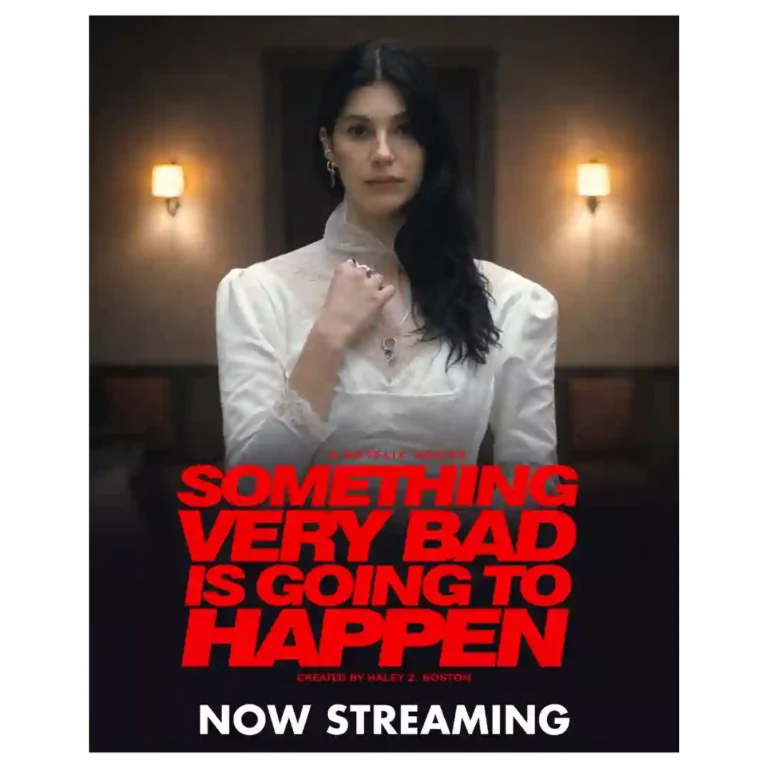
Choose it for slow-burn dread, inventive camerawork, and a committed ensemble. Skip it if eight-episode pacing, very dark visuals, or mythology that leaves loose ends will frustrate you.
Best for adults who enjoy slow-burn atmospheric horror, marriage anxiety turned supernatural, bold camerawork, and escalating gore. It especially suits viewers willing to trade airtight plotting for mood and performance.
Not for anyone wanting rapid scares, bright and readable visuals, restrained violence, or a tightly explained mythology. Impatient viewers may find the first half padded and the payoff too messy.
Something Very Bad Is Going to Happen turns pre-wedding anxiety into an oppressive mix of psychological, supernatural, and body horror. Camila Morrone’s commanding lead performance, inventive cinematography, unsettling sound, and a memorable ensemble give the series real pull, while its marriage-and-soulmate themes offer more substance than a routine cabin nightmare. The tradeoff is structure: the eight-episode season often delays its central revelation, repeats atmospheric effects, and leaves some character logic and curse rules underexplained. For some, that slow accumulation makes the bloody finale hit hard; for others, it converts suspense into boredom and the payoff into confusion. It is visually ambitious, emotionally nasty, and frequently compelling, but far less consistent as a story than as an exercise in dread.
View all 56 feature scores and cast & creators
Compared with other TV Shows, this product is above average in value for money, critic appeal, editing quality, near average in suspense, season pacing, below average in renewal interest, screenplay quality, drama quality.
| Attribute | This product | Category average | Difference |
|---|---|---|---|
| renewal interest | 1.5 | 4.2 | -2.7 |
| screenplay quality | 1.0 | 3.5 | -2.5 |
| drama quality | 1.5 | 3.9 | -2.4 |
| series finale quality | 1.3 | 3.5 | -2.2 |
| episode pacing | 1.5 | 3.4 | -1.9 |
| season length | 1.6 | 3.0 | -1.4 |
| character consistency | 1.8 | 3.0 | -1.3 |
| value for money | 4.3 | 3.0 | +1.2 |
Choose Maximum Pleasure Guaranteed, Season 1. It scores 4.4 vs 1.5 for renewal interest, with a 3.8 overall score.
Choose Half Man, Season 1. It scores 5.0 vs 1.0 for screenplay quality, with a 3.6 overall score.
Choose Every Year After, Season 1. It scores 4.5 vs 1.5 for family friendliness, with a 3.6 overall score.
Choose It’s Not Like That, Chapter 1. It scores 4.8 vs 4.0 for visual style, with a 4.5 overall score.
Products reviewers directly compared with this model, grouped into quick takeaways.
Its strongest weapon is sustained dread rather than nonstop jump scares. Some found it deeply unsettling and sleep-disrupting, while others thought the ominous atmosphere rarely became truly frightening.
Yes. Blood and body horror escalate across the season, and the finale is repeatedly described as especially gruesome and stomach-churning.
That is the main point of disagreement. Fans enjoy the patient pressure-cooker build, while many critics think the story should have been six episodes or a feature film.
Performance is the strongest consensus area. Camila Morrone receives near-universal praise, with Gus Birney, Jennifer Jason Leigh, Jeff Wilbusch, and the wider ensemble also earning frequent notice.
Reactions are sharply split. Some call the finale fitting, bloody, haunting, and exhilarating; others find it anticlimactic, confusing, or unsupported by the earlier plotting.
No. The series includes graphic violence, disturbing imagery, sex, profanity, and adult themes about marriage and identity.
These are a few of the reviews included in our analysis.




Now I have to review something that hinges on spoilers without spoiling it. Something very bad is going to happen, as I sidestep and talk...
Something very bad is going to happen. Which isn’t a threat, though it might sound like one – no, it’s just the name of a new horror series...
Something Very Bad Is Going to Happen on Netflix has unlocked new fears for us when it comes to marriage. Read our review.
It's a bad day for a white wedding.
Camila Morrone leads ‘Something Very Bad Is Going to Happen,’ a surreal, horror series about family trauma, and unraveling relationships.

Choose The Pitt Season 2 for a gripping, realistic medical drama with superb acting and emotional depth. Skip it if graphic procedures, unresolved arcs, or slower character-driven pacing bother you.
Pros: episode structure, main cast performance
Cons: age appropriateness, plot clarity

Choose Kylie for a heartfelt, candid music documentary with rich archives, sharp editing, and big emotional payoff. Skip it if you need a fully exhaustive career chronology or dislike authorized...
Pros: episode pacing, season finale quality
Cons: episode structure, season pacing

Best for heartfelt family drama, strong performances, natural faith themes, and an easy binge. Skip it if you need fast pacing, strict doctrinal portrayals, or a satisfying romantic resolution.
Pros: season finale quality, screenplay quality
Cons: character consistency, continuity
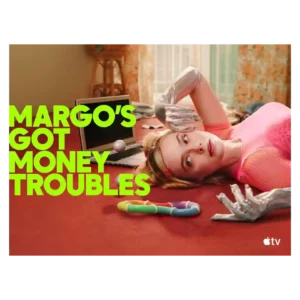
Best for exceptional performances, heartfelt family chemistry, and a humane take on motherhood and sex work. Skip it if you need gritty realism, fast setup, or perfectly cohesive tone.
Pros: episode structure, dialogue quality
Cons: plot twists, season finale quality