If you want better EQ customization
Choose JBL Go 5. It scores 4.3 vs 1.8 for EQ customization, with a 4.2 overall score.
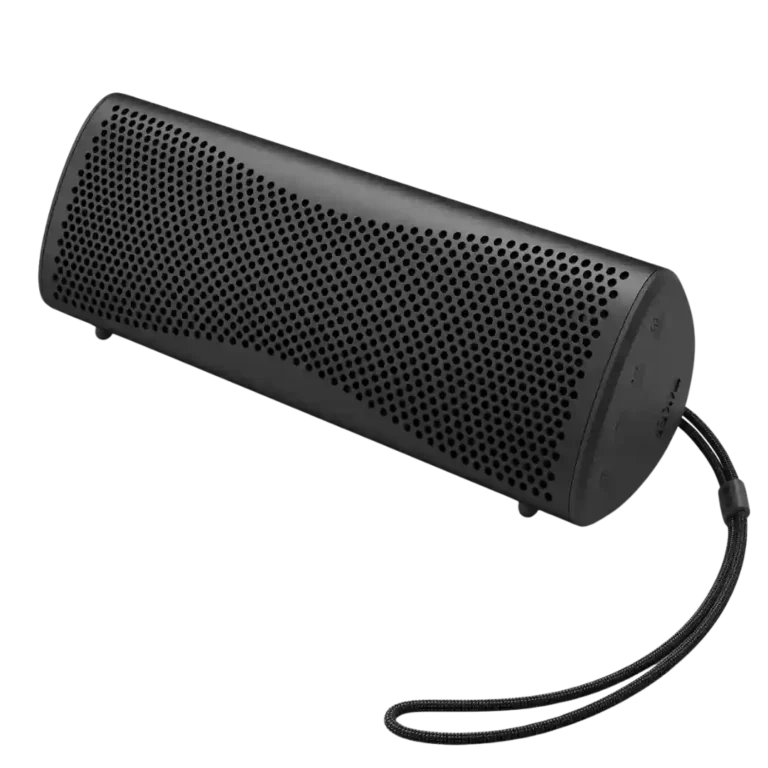
Choose the KEF Muo for refined low-volume sound, premium design, long battery life, and flexible USB-C/Bluetooth use. Skip it if you need deep party bass, rugged scratch resistance, a full manual EQ, or the most output per dollar.
Best for design-conscious listeners who want clear, refined sound at desks, in kitchens, bedrooms, offices, or relaxed outdoor settings. It suits buyers who value USB-C audio, long endurance, and premium materials more than party-level bass.
Not ideal for bass-heavy parties, rough backpack treatment, or buyers seeking maximum loudness and features per dollar. It also frustrates listeners who want a full custom EQ, Wi-Fi streaming, or a floating pool speaker.
The KEF Muo succeeds most convincingly as a compact, design-led hi-fi speaker rather than a rugged party box. It sounds clear, spacious, detailed, and unusually composed at low volume, while its 24-hour-class battery, IP67 protection, USB-C audio, aptX Adaptive, and stereo pairing make it versatile at home or outdoors. The aluminum body and color choices feel genuinely premium, but the finish can scratch or dent more easily than rubberized rivals. Sound opinions diverge around the bass and midrange: many heard tight, controlled lows and natural vocals, while others found sub-bass limited, voices strident or recessed, and high-volume DSP too aggressive. The basic app and missing manual EQ further weaken the value case at $249, especially for buyers prioritizing output or customization.
Compared with other Portable Bluetooth Speakers, this product is above average in Remote control usability, Microphone, Speakerphone quality, near average in Bass performance, Music performance, below average in Float capability, Power bank function, EQ customization.
| Attribute | This product | Category average | Difference |
|---|---|---|---|
| Remote control usability | 5.0 | 1.8 | +3.2 |
| Float capability | 1.0 | 3.7 | -2.7 |
| Power bank function | 1.0 | 3.5 | -2.5 |
| Microphone | 5.0 | 2.7 | +2.3 |
| EQ customization | 1.8 | 3.9 | -2.1 |
| Speakerphone quality | 4.5 | 2.6 | +1.9 |
| Drop resistance durability | 2.8 | 4.3 | -1.5 |
| Privacy and data | 2.0 | 3.6 | -1.6 |
Choose JBL Go 5. It scores 4.3 vs 1.8 for EQ customization, with a 4.2 overall score.
Choose JBL Go 4. It scores 5.0 vs 1.0 for Float capability, with a 4.1 overall score.
Choose Tribit XSound Plus 2 Portable Wireless Speaker. It scores 4.2 vs 2.0 for Omnidirectional sound, with a 4.2 overall score.
Choose JBL Charge 6 Portable Bluetooth Speaker. It scores 4.6 vs 1.0 for Power bank function, with a 4.0 overall score.
Products reviewers directly compared with this model, grouped into quick takeaways.
Bass is tight and surprisingly deep at low to moderate volume, but sub-bass softens as output rises. A few tests heard severe distortion, so bass performance is the most divided part of the Muo's sound.
KEF claims up to 24 hours. One moderate-volume test measured 22 hours 38 minutes, while a louder 80 dB test reached 11 hours 39 minutes.
Yes. USB-C handles both charging and digital audio, making the Muo useful as a low-latency desk speaker; there is no 3.5 mm auxiliary input.
Yes. Two Muos can form a true left-right stereo pair, and one long-term test found the connection stable. Auracast can link more compatible speakers, though device support varies.
Its IP67 rating protects against dust, rain, splashes, and brief immersion. The aluminum finish can scratch or dent, and the speaker does not float.
It reliably handles volume, inputs, battery status, firmware, and five presets, but most accounts call it basic. There is no manual equalizer, and account setup requests personal details some users may find unnecessary.
These are a few of the reviews included in our analysis.



Is the KEF Muo the best portable Bluetooth speaker under $250 for clear vocals, premium build, strong battery life, and real outdoor projection?
KEF's newest Muo iteration has been updated and the improvements are most welcome — but the sound is a shade off excellent
Taken on its own terms there’s a whole lot to like about the KEF Muo and not a great deal to take issue with
KEF Muo review: Premium portable speaker with IP67 durability, USB-C audio, and stereo pairing. Is it worth $250?
Is a $250 Bluetooth speaker worth it? If it's this one made by KEF, it just might be.
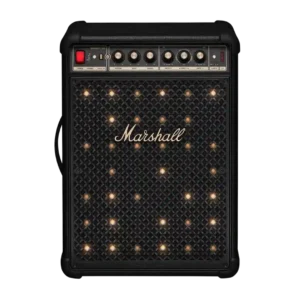
Best for powerful 360° sound, exceptional battery life, premium styling, and flexible mic/instrument inputs. Skip it if you want a light, inexpensive speaker or deep app-based control.
Pros: Stereo imaging accuracy, Multi-speaker pairing reliability
Cons: Remote control usability, Bluetooth codec support
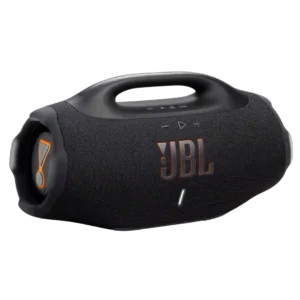
Choose the Boombox 4 if you want huge bass, extreme outdoor volume, long battery life, IP68 durability, and a replaceable battery in a carryable boombox. Skip it if price, lighter...
Pros: Loudness / maximum volume, Multi-speaker pairing reliability
Cons: Speakerphone quality, Smart assistant integration (Alexa
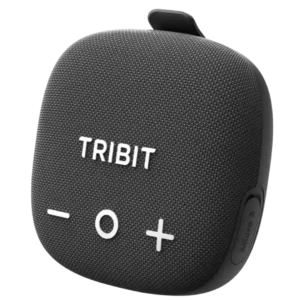
Choose the StormBox Micro 3 for rugged travel, magnetic mounting, long battery life, strong value, and surprisingly full sound. Skip it if you need premium codecs, aux input, refined detail,...
Pros: Stereo imaging accuracy, Setup simplicity
Cons: Wired input, Backwards compatibility
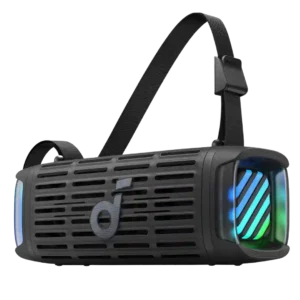
Good if you want a rugged, floating outdoor speaker with loud, bassy sound, useful app extras, and strong value. Skip it if you need refined stereo audio, wired input, reverse...
Pros: Price / value for money, On-device controls
Cons: Power bank function, Wired input