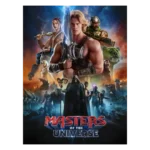
Masters of the Universe Feature Scores
Explore all 35 feature scores for Masters of the Universe, organized into pros and cons.
Scores by Feature
Summary
35 reviewed features-
Very positive 4.5-5.05 (14%)
-
Positive 3.5-4.48 (23%)
-
Neutral 2.5-3.48 (23%)
-
Negative 1.5-2.414 (40%)
Pros
Sort
-
The strongest consensus is that the movie understands and recreates the cartoon’s costumes, characters, silliness, and toy-box spirit with obvious affection.
-
The glam-rock score is one of the most consistently praised elements, giving the action scale, momentum, and an unmistakable 1980s identity.
-
The fights are usually energetic, clearly staged, and colorful, with several standout set pieces. A minority found later battles repetitive or too dependent on weightless digital spectacle.
-
The climax and multiple post-credit teases generally leave enthusiastic viewers wanting a sequel, though the franchise setup will matter less to skeptical viewers.
-
The ensemble is widely considered better than expected for a toy-based blockbuster, with several performers bringing charm, comic timing, and emotional weight.
-
Bold colors, retro fantasy design, and comic-book energy give the film a distinctive surface. Heavy digital environments sometimes make that world feel glossy and weightless.
-
Families with older children can have a lively time, but the PG-13 violence, scary deaths, and adult jokes make it a poor fit for the youngest viewers.
-
The bright pulp-fantasy sets and analog sci-fi details bring Eternia to life and closely resemble an elaborate live-action toy world.
-
Duncan’s redemption and Adam’s gentler approach to heroism give the story some satisfying growth. Other supporting characters and relationships receive less development than reviewers wanted.
-
Fans and viewers who enjoy campy fantasy may revisit it for the characters, music, and Easter eggs, while others see limited novelty after the first viewing.
-
The lead pairing has appealing chemistry, and the Teela-Duncan family dynamic adds warmth and friction to the adventure.
-
Real sets, physical costumes, and practical creature work give many scenes a welcome sense of texture and help ground the more fantastical imagery.
-
The synths, rock songs, Queen references, and guitar-heavy soundtrack give the movie a lively retro personality that complements its colorful camp.
Cons
Sort
-
The 140-minute-plus length is the most consistent complaint. Even positive reviewers felt the origin story, repeated jokes, and stacked battles needed substantial trimming.
-
The script contains a promising empathy-centered idea, but many critics felt overused jokes, contradictory themes, and underdeveloped story logic kept it from cohering.
-
The opening and Earth material often take too long to reach the main adventure, and the lengthy final stretch can feel repetitive even when the action remains lively.
-
The movie constantly balances sincere heroism with parody and self-aware camp. Some found that blend charming, while many thought the jokes repeatedly undercut stakes and emotion.
-
The simple good-versus-evil framework works as uncomplicated adventure for some viewers, but others found the plot sloppy, derivative, or emotionally empty.
-
The movie openly borrows from familiar fantasy, superhero, and nostalgia-blockbuster formulas, leaving several critics feeling it offers little that is genuinely new.
-
The digital work is uneven. Skeletor and many fantasy elements impress, but several reviewers noticed rough compositing, weightless environments, and poorly integrated creatures.
-
The hero’s journey is familiar and frequently compared with other major fantasy franchises. Its self-aware treatment of He-Man gives the formula some personality but not much novelty.
-
The editing keeps many action scenes moving, but transitions and later battle sequences can feel repetitive, spotty, or visually muddled.
-
The basic quest is easy enough for fans, but compressed lore, unexplained gaps, and dropped threads can make the story confusing for newcomers.
-
The largely bloodless action is still heavier and more frequent than several reviewers expected from a family-oriented toy franchise.
-
The film attempts a thoughtful contrast between brute strength and empathy, but critics disagree on whether it develops that idea or merely gestures toward it.
-
Critical enthusiasm is sharply divided, with some embracing the campy throwback and others rejecting it as creatively unsuccessful nostalgia packaging.
-
The movie has sincere ideas about empathy and failure, yet some emotional beats land flat because jokes or familiar clichés interrupt them.
-
Most creature and costume work supports the colorful fantasy, but one reviewer noticed an unconvincing wig that broke the illusion.
-
The knowingly campy humor is the movie’s biggest dividing line. Supporters found it much funnier than expected, while detractors felt relentless quips and self-mockery weakened the adventure.
-
The dialogue earns laughs when it embraces the absurdity, but some reviewers wanted sharper lines and fewer repetitive innuendos.
-
The action stays busy, but a predictable path and obvious outcomes limit tension, especially through the middle of the movie.
-
The adventure can work for older children and teens, but reviewers repeatedly warn that some deaths, grotesque imagery, and violence may be too intense for younger kids.
-
Longtime He-Man fans and nostalgic adults are the clearest audience, though several newcomers also found it accessible and fun. Some critics doubt the property has enough relevance for a broad modern audience.
-
The film’s emphasis on empathy, kindness, and a healthier model of masculinity is often praised. Critics argue that the message becomes muddled when every conflict is ultimately solved through violence.
-
Many reviewers found it colorful, energetic, and unexpectedly fun, especially as a popcorn movie. Others found the same approach exhausting, shallow, or too dependent on nostalgia.