Best for score quality
Earth, Wind & Fire (To Be Celestial vs. That's the Weight of the World)
5.0 feature score
Highest scored product for this feature based on supporting review evidence.
Highest scored product for this feature based on supporting review evidence.
Balances feature score, supporting reviews, and overall product strength.
Has the broadest review evidence for this feature.
Strongest overall product among items with scored evidence for this feature.
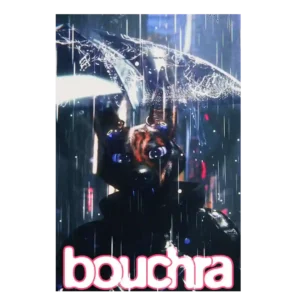
Flavien Berger’s music deepens the film’s dreamy, nocturnal, and sensual atmosphere, making quiet scenes feel more emotionally charged.
Pros: plot originality, score quality
Cons: family friendliness, editing quality
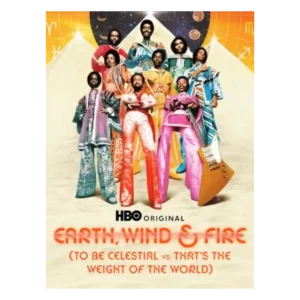
The Roots’ floaty ambient score supports the documentary’s meditative, cosmic atmosphere without competing with Earth, Wind & Fire’s own music.
Pros: ending satisfaction, drama quality
Cons: runtime, originality
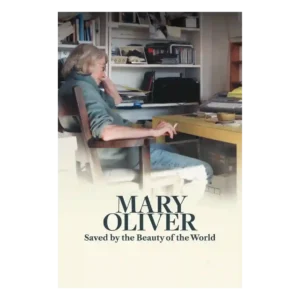
The score is used with restraint and elegance, helping the nature imagery and emotional transitions flow. It reinforces the film’s contemplative character.
Pros: romance quality, faithfulness to source material
Cons: none

Mark Mancina’s Pacific Island–inflected choral scoring gives the finale weight and urgency. The music is especially effective when supporting the story’s cultural and emotional peaks.
Pros: ending satisfaction, romance quality
Cons: plot originality, originality
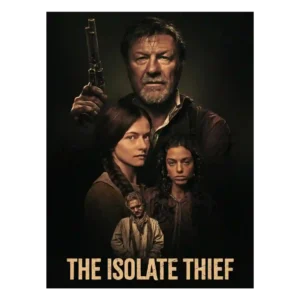
The score is singled out for its melancholy tone, matching the isolation and emotional heaviness of the winter setting.
Pros: ending satisfaction, soundtrack quality
Cons: family friendliness, age appropriateness
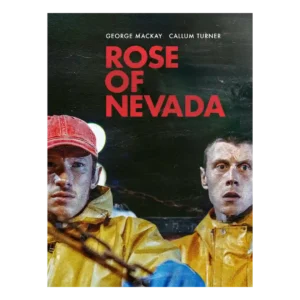
Jenkin’s eerie electronic and organ-like score reinforces the sense of temporal dislocation and grief. It shifts between low menace and mournful abstraction without overwhelming the handmade soundscape.
Pros: plot originality, lead performance
Cons: runtime, screenplay quality
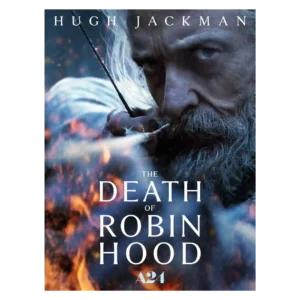
Jim Ghedi’s folk-inflected score is widely praised for its mournful power. It deepens the old-world atmosphere and gives the film emotional lift when the drama turns sparse.
Pros: lead performance, plot originality
Cons: humor, family friendliness

The score is a standout, shifting between dreamlike, minimalist, hysterical, and subdued moods with ease. It provides emotional continuity when the story itself becomes fragmented.
Pros: sound design, soundtrack quality
Cons: romance quality, dialogue quality
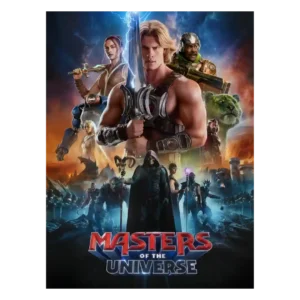
The glam-rock score is one of the most consistently praised elements, giving the action scale, momentum, and an unmistakable 1980s identity.
Pros: score quality, faithfulness to source material
Cons: plot clarity, screenplay quality
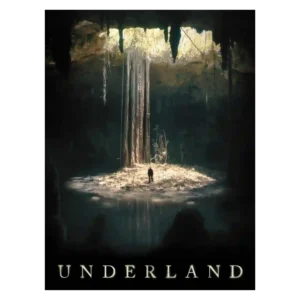
Hannah Peel’s ethereal score complements the imagery and shifts effectively among natural, industrial, and scientific spaces. It is consistently praised as a major part of the film’s immersive atmosphere.
Pros: suspense, cinematography
Cons: character development, animation quality
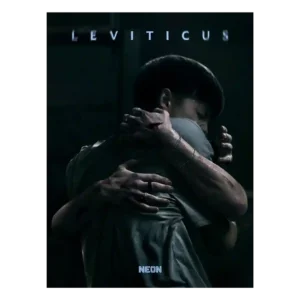
Jed Kurzel’s score blends melancholy with low, ominous pressure. It supports both the romance and the dread without overwhelming the film’s quieter moments.
Pros: cultural representation, critic appeal
Cons: humor, world-building
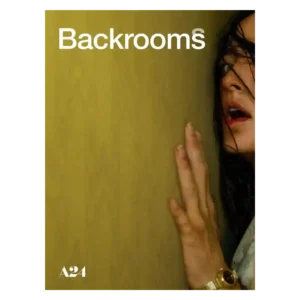
The eerie ambient score blends into the fluorescent hum and feels as though it emerges from the Backrooms itself. Its restrained, insidious textures support dread without overpowering the imagery.
Pros: emotional impact, CGI quality
Cons: action sequences, dialogue quality

The solemn, gothic score adds emotional weight and elevates the film’s strongest images. Its blend of organ-like textures and electronics suits the haunted fashion atmosphere.
Pros: costume design, sound design
Cons: family friendliness, age appropriateness
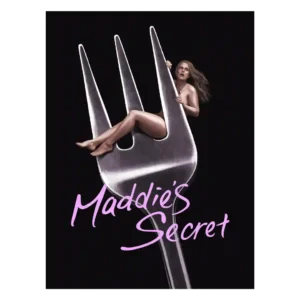
The intentionally retro, slightly cheesy score reinforces the movie-of-the-week atmosphere and tongue-in-cheek mood. Its period influence is clear without overwhelming the drama.
Pros: chemistry between characters, production design
Cons: plot clarity, audio description accessibility

Randy Newman’s score blends playfulness with familiar melancholy and helps the quieter scenes land. Its recurring emotional textures connect the new story to the franchise’s past.
Pros: lead performance, directing quality
Cons: originality, romance quality
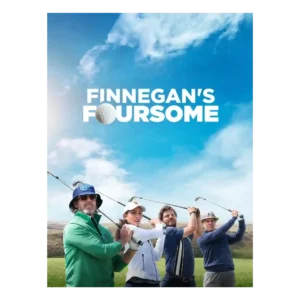
Seamus Egan’s lively, Irish-inflected music helps preserve momentum when the pace slows. The score adds warmth and cultural texture without overpowering the family scenes.
Pros: score quality, soundtrack quality
Cons: plot originality, suspense
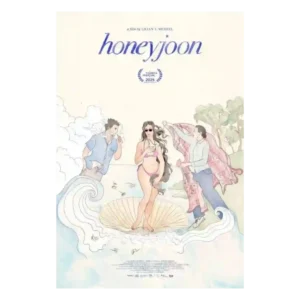
The synth score is praised for fitting the lighthearted, feel-good atmosphere and supporting a sequence of sexual tension.
Pros: supporting cast performance, realism
Cons: romance quality, originality

The disaster-movie musical cues and retro callbacks help establish the spoof tone, with the Poseidon Adventure-style opening music receiving particular praise.
Pros: makeup quality, chemistry between characters
Cons: value for money, CGI quality
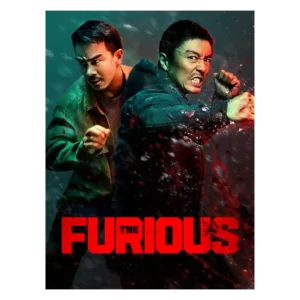
The electronic score heightens the film’s already intense action and helps make major set pieces feel even more forceful.
Pros: directing quality, suspense
Cons: family friendliness, age appropriateness
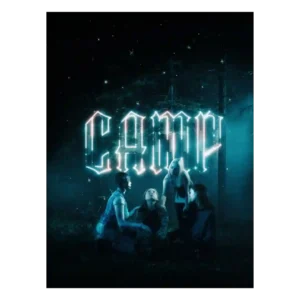
The fuzzy, reverb-heavy score is a major part of the enchanted atmosphere. It shifts between gentle drift and devouring noise to mirror Emily’s unstable emotional state.
Pros: world-building, emotional impact
Cons: dialogue quality, ending satisfaction
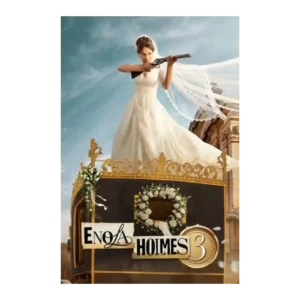
The score earns clear praise from the few reviews that isolate it, described as fitting or a highlight that supports the adventure without overpowering it.
Pros: production design, score quality
Cons: realism, originality

The moody score and era-aware musical cues deepen the film’s wistful tone and emotional beats without overwhelming the story.
Pros: plot clarity, soundtrack quality
Cons: supporting cast performance, suspense
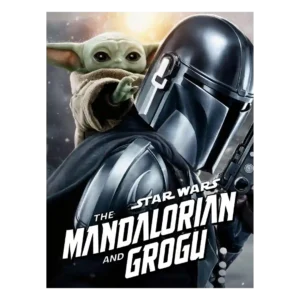
Ludwig Göransson's music is a major strength, mixing the familiar Mandalorian theme with techno, Western, orchestral, and electronic textures. Even negative reactions often praise the score's energy and personality.
Pros: soundtrack quality, practical effects quality
Cons: plot originality, drama quality
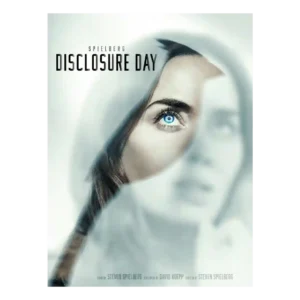
John Williams’ score is widely admired for tension, warmth, and atmosphere, though some find it less memorable or inspired than his iconic themes.
Pros: cinematography, lead performance
Cons: plot clarity, tonal consistency
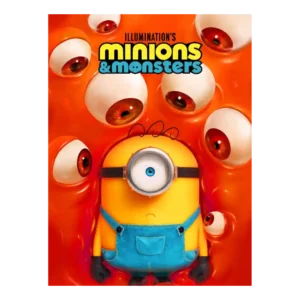
The score and music receive only a few direct mentions, but those are positive. Reviewers who noticed it call the music strong enough to support the film's energy.
Pros: ending satisfaction, acting performance
Cons: sexual content level, plot clarity
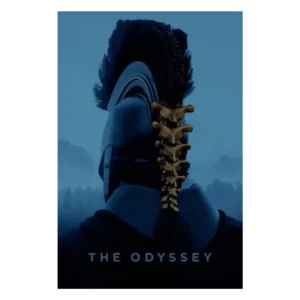
Ludwig Göransson’s score is widely praised as propulsive, ritualistic, and intense, though its volume and electronic textures divide some listeners.
Pros: character development, world-building
Cons: pacing, sound design
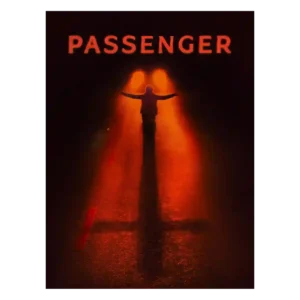
Christopher Young’s score is repeatedly praised as restrained, fearsome, and effective. It supports the road-at-night atmosphere without overwhelming the strongest scenes.
Pros: directing quality, score quality
Cons: drama quality, value for money
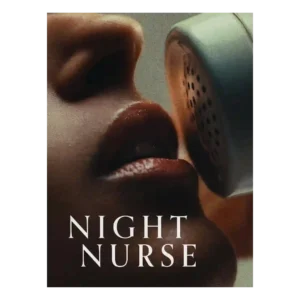
The eerie jazz and spacious piano score adds elegance, decadence, and sustained tension to the dreamlike mood. One dissenting view finds it overused and enervating because its motifs vary too...
Pros: plot originality, drama quality
Cons: realism, violence level

The score gets a modest thumbs-up from one review, which found the old-fashioned timpani approach effective even if it felt like a throwback.
Pros: violence level, practical effects quality
Cons: special effects quality, realism
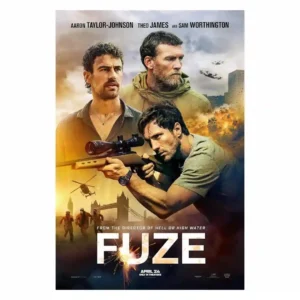
The score is divisive but often important to the movie's tension. Some praised a pulsing or simple effective score, while another found the TV-like music drained energy from the film.
Pros: soundtrack quality, special effects quality
Cons: production design, character development
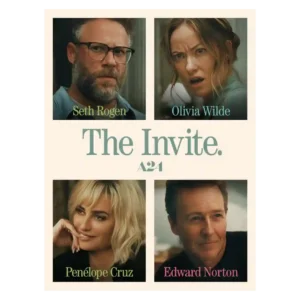
Devonté Hynes’s string-heavy score sharply amplifies tension and comic rhythm for some critics. Others find it blaring, overly insistent, or distracting, making this the clearest technical point of disagreement.
Pros: plot originality, lead performance
Cons: runtime, score quality
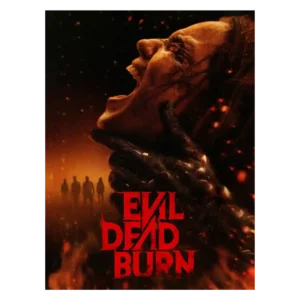
The music receives sharply split reactions, ranging from a great, propulsive score to an awful distraction. Its effectiveness appears closely tied to whether the viewer embraces the film’s bombastic intensity.
Pros: acting performance, supporting cast performance
Cons: rewatch value, emotional impact
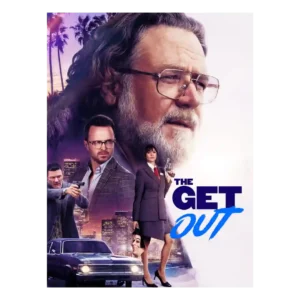
The score divides opinion. Its playful, synth-heavy approach reinforces the unserious tone for one critic, while another finds it misplaced during dramatic and violent scenes.
Pros: soundtrack quality, lead performance
Cons: world-building, plot clarity
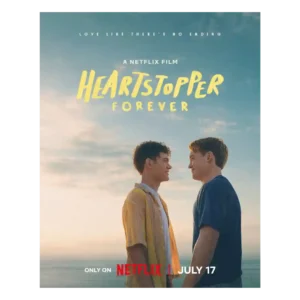
The score generally supports the emotion, but some critics found it overly insistent, twee, or prone to emphasizing feelings the actors already communicate.
Pros: lead performance, theme depth
Cons: plot originality, originality
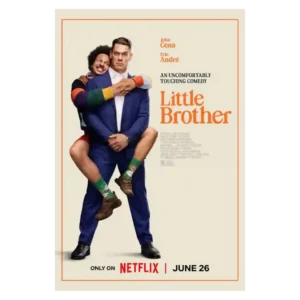
The musical score is serviceable but leaves little memorable impression. It rarely stands out from the rest of the production.
Pros: chemistry between characters, visual style
Cons: language level, age appropriateness
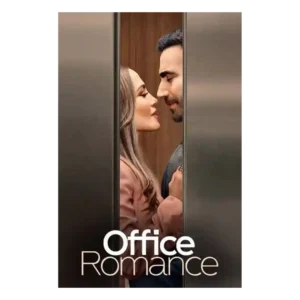
The music supports the throwback mood, though the original score is sometimes judged overly corny.
Pros: cinematography, costume design
Cons: sexual content level, story quality

The string score adds unease, but one critic found its arch tone mismatched with Marina’s inward, passive perspective.
Pros: ending satisfaction, acting performance
Cons: character development, score quality

The score drew little direct attention, and the one clear comment was lukewarm. It was described as generic rather than a standout part of the movie.
Pros: rewatch value, language level
Cons: CGI quality, plot originality
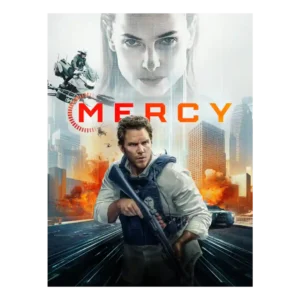
The score and music were rarely discussed, but when they were, the reaction was lukewarm to negative: one viewer found it subtle, another called it awkward and heightened.
Pros: rewatch value, sound design
Cons: family friendliness, production design