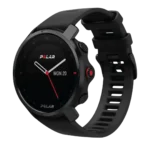
Polar Grit X Feature Scores
Explore all 51 feature scores for Polar Grit X, organized into pros and cons.
Scores by Feature
Summary
51 reviewed features-
Very positive 4.5-5.012 (24%)
-
Positive 3.5-4.425 (49%)
-
Neutral 2.5-3.45 (10%)
-
Negative 1.5-2.49 (18%)
Pros
Sort
-
Coaching features were a major strength, especially FitSpark and FuelWise, though nutrition reminders were sometimes seen as imperfect or limited.
-
Button controls were one of the clearest positives, with reviewers praising the sharper, textured, glove-friendly feel.
-
Recovery insights were one of the standout strengths, combining training load, sleep, and Nightly Recharge guidance.
-
Running power support was repeatedly praised as useful, convenient, and unusually strong without a separate footpod.
-
Value for money was widely positive because the Grit X delivers many outdoor and multisport tools below flagship rival prices, despite feature tradeoffs.
-
Polar Flow was widely praised as powerful and useful, even though one reviewer found it less attractive and harder to use.
-
GPS accuracy was one of the stronger areas, with several reviewers reporting accurate routes, distances, or spot-on outdoor tracking.
-
Workout tracking variety was a consistent strength, with broad sport profiles and triathlon/multisport coverage.
-
Water resistance was praised as more than sufficient for swimming and general water exposure.
-
Wellness insights were praised through sleep, fitness test, breathing, and recovery data that helped users understand condition and readiness.
-
Style and design were mostly praised as attractive, lightweight, and minimal, though some reviewers found it less premium or bulky.
-
Build quality was generally considered rugged and premium, though not always as heavy-duty or premium-feeling as some outdoor rivals.
-
Watch face quality evidence is strongest around the weather face/widget, which reviewers found unusually useful.
-
Charging convenience was mostly good thanks to the magnetic/shared charger, though one reviewer disliked the proprietary cable.
-
Outdoor visibility was usually strong in bright light, though one outdoor reviewer reported challenging reflections.
-
Heart rate accuracy was mixed: several found it close or very accurate, while others saw lag, spikes, or zone-training limitations.
-
Comfort was generally strong because the watch is light and wearable, but one reviewer found the raised sensor could rub if tightened too much.
-
Sleep tracking accuracy was broadly positive but not flawless, with one review reporting couch/Netflix false sleep detection.
-
Menu navigation was usually described as simple or intuitive, especially when using the buttons.
-
Battery life was praised for GPS and endurance modes, but several reviewers saw ordinary smartwatch use fall short of the headline claims.
-
Energy-source and calorie breakdowns were considered genuinely useful, especially for seeing carbs, fat, and protein use after workouts.
-
Reliability was generally good, with reviewers mentioning minor quirks rather than showstoppers.
-
Materials quality was praised in limited evidence, especially scratch resistance and sturdy case materials after outdoor use.
-
Durability evidence is mixed: the case and materials held up well for some, while one strap clasp failure hurt confidence.
-
Bluetooth sensor and notification use worked for some reviewers, but the lack of ANT+ and sensor limitations kept connectivity from feeling complete.
-
Cross-platform support is strongest through common health and training service syncing, but external device imports remain a limitation.
-
Customization is strong in Polar Flow, especially for data pages, though on-watch customization is less convenient.
-
Fitness tracking accuracy was positively judged where reviewers compared workout distance, routes, and exercise metrics against known routes or other devices.
-
The operating system was seen as focused and clean, with a strong watch-side training platform despite limited lifestyle features.
-
Bands were often described as comfortable and replaceable, though some reviewers noted durability, grime, or robustness concerns.
-
Display quality is mostly serviceable and readable, but not as sharp or consistently easy to read as brighter smartwatch screens.
-
Software smoothness is positive in the clean OS but hurt by laggy touch interaction and some dated or inconvenient software areas.
-
Call handling is limited to alerts, but one reviewer said it handled phone-call alerts well.
-
Charging speed received limited but positive evidence, with one reviewer measuring about an hour after a week of use.
-
Fit was viewed positively on smaller wrists and under sleeves, with some caveats around sensor tightness.
-
Score tracking received limited positive evidence through Running Index, which one reviewer found handy for tracking progress.
-
Pairing reliability was mixed: some Bluetooth sensors paired successfully, but one tested power meter did not.
Cons
Sort
-
Contactless payments are a weakness because multiple reviews criticized the absence of lifestyle features such as payments.
-
Touchscreen responsiveness was the most consistent usability complaint, with reviewers calling it laggy, imprecise, or unnecessary.
-
Third-party app support is limited by missing app depth and inability to import some external activity files.
-
Step counting accuracy was criticized for major over-reporting and odd results in two reviews.
-
Music controls were a weakness because reviewers criticized missing music and Spotify-style lifestyle features.
-
Onboard music storage was absent and criticized by reviewers who wanted offline music or Spotify support.
-
Smartwatch features are intentionally minimal, with reviewers repeatedly noting missing apps, payments, and music.
-
The app ecosystem is strong around Polar Flow but limited by missing import support for external .fit/.gpx files and a light third-party app environment.
-
Safety features drew limited negative evidence because one outdoor reviewer wanted barometer-based weather warnings.
-
Mapping and navigation were the most consistent outdoor weakness: breadcrumb and Komoot guidance can work, but setup, map depth, and offline maps disappointed reviewers.
-
User interface is generally logical, but multisport transitions and some touch/watch interactions can feel clunky.
-
Smartphone notifications were mixed: they worked for some, but delays, read-only behavior, and workout limitations were noted.
-
Brightness drew mixed feedback: usable outdoors, but dim indoors without the light and less crisp than brighter smartwatch displays.
-
Reviewers repeatedly discussed Hill Splitter: it is useful for automatic hill repeats, but many found it limited, laggy, or not deep enough for serious mountain pacing.