- Cheaper: price and multisport capability The Grit X costs more than the Garmin Instinct but is framed as more suitable for multisport users.
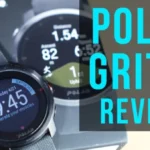
Polar Grit X Review
Bottom Line
Choose the Polar Grit X for trail, multisport and endurance training insights in a light rugged watch. Skip it if you want rich smartwatch apps, music, payments, onboard maps, or the smoothest touchscreen.
Best for trail runners, triathletes, hikers, and endurance athletes who want Polar Flow analysis, recovery guidance, fueling prompts, broad sport tracking, and long-session GPS options in a lighter rugged watch.
Not for users who prioritize onboard maps, Spotify or music, contactless payments, third-party apps, a fast touchscreen, or the most reliable wrist heart-rate readings during hard intensity changes.
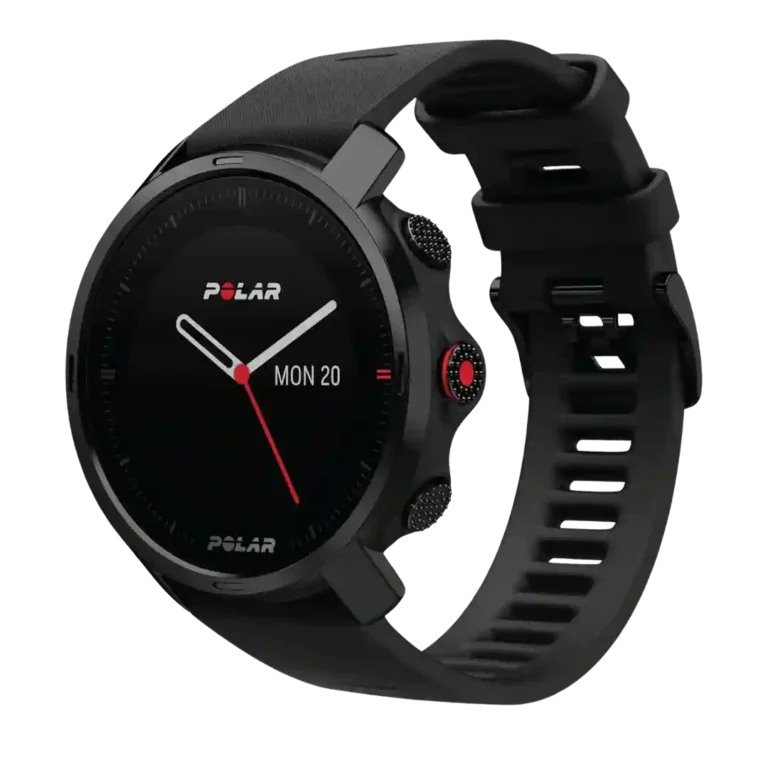
The Polar Grit X comes across as a serious training watch that pushes Polar toward outdoor endurance use without becoming a full adventure-navigation device. Reviewers repeatedly liked the deep Polar Flow analysis, FitSpark guidance, FuelWise fueling prompts, recovery metrics, rugged water-resistant build, readable outdoor display, and broad sport profiles. The tradeoff is that its outdoor extras are narrower than the headline suggests: Hill Splitter often needs refinement, Komoot routing lacks maps, smartwatch features are sparse, and the touchscreen is regularly described as laggy. Battery life is strong in GPS mode for long sessions, but everyday runtime drew mixed reports, ranging from several days to about a week depending on settings.
Compared in Reviews
Products reviewers directly compared with this model, grouped into quick takeaways.
- Cheaper: price versus outdoor-specific features The Vantage M is presented as a cheaper alternative if the Grit X outdoor extras are unnecessary.
Garmin Fenix 6
- Alternative: premium multisport watch shopping The reviewer says shoppers considering the Fenix 6 should also consider the Grit X.
- Better: overall endurance watch capability The Grit X is not described as beating the Fenix 6 outright, but its lower price keeps it competitive.
Feature Scorecards
Pros
-
Wellness insights were praised for going beyond basic activity tracking through sleep, recovery, training load, and nutrition context.
-
Workout variety was consistently strong, with reviewers citing 20 onboard sport slots, more than 130 profiles, triathlon use, and broad sport coverage.
-
Water resistance was a strong point, with repeated evidence of 100m or 328-foot waterproofing.
-
Durability evidence was positive, including MIL-STD testing and long-term use that still looked brand new.
-
Button controls were a consistent strength, with better texture, responsiveness, click feel, and glove usability than the touchscreen.
-
Recovery tools were a major strength, with Nightly Recharge, Cardio Load, Training Load Pro, HRV, and FitSpark repeatedly tied to workout readiness.
-
Cross-platform evidence was limited but positive, with Polar Flow available for both Android and iOS.
-
Charging convenience was positive, with a familiar magnetic charger that attached securely and reused earlier Polar charger compatibility.
-
Customization was a plus for sport data fields and power-saving options.
-
Coaching features were one of the clearest strengths, including FitSpark, FuelWise, workout suggestions, and recovery-guided training recommendations.
-
Value was frequently praised because the watch delivered deep training and outdoor features for less than several major rivals.
-
Materials quality was strong, with stainless steel, Gorilla Glass or sapphire-glass evidence, and scratch-resistant construction mentioned.
-
Polar Flow was repeatedly described as excellent or among the best companion apps, despite some criticisms about ease of use or dated visuals.
-
Comfort was generally good thanks to the light feel and soft strap, though some larger-watch caveats remained.
-
The core user interface was praised as logical and easy to navigate, especially with the physical buttons.
-
Charging speed evidence was limited but positive, with one reviewer measuring about an hour after a week of usage.
-
GPS accuracy was usually described as solid, snappy, or spot-on, though the exact margin varied by terrain and testing context.
-
Style and design were usually praised as attractive, premium, or well-designed, even when not as rugged-looking as some competitors.
-
Sleep tracking was broadly useful and sometimes accurate, though one review noted false sleep detection during quiet sofa time.
-
Reviewers found general health data useful, especially continuous heart-rate context, but evidence centered on heart and sleep rather than clinical health metrics.
-
Build quality was generally rugged and durable, but a few reviewers felt it did not look as heavy-duty or premium as some rivals.
-
The app ecosystem was useful through Polar Flow, sensor pairing, web/app syncing, and links with health or training platforms.
-
Battery life was one of the most mixed areas: GPS endurance and power modes impressed, but daily runtime ranged from disappointing to excellent.
-
Fitness tracking accuracy was generally solid in the detailed testing evidence, with recorded distances coming out fairly similar across devices.
-
Size options were documented through small/medium and medium/large versions.
-
Stress tracking evidence comes from the guided Serene breathing feature and recovery/stress context rather than a broad stress dashboard.
-
Outdoor visibility was mostly good in bright light, though one outdoor-focused reviewer reported reflections and readability challenges.
-
Calorie and energy tracking was useful for endurance planning, especially carbs, protein, fat breakdowns and FuelWise eating or drinking prompts.
-
Watch face and widget quality was strongest for the weather face, though some weather information depended on phone connectivity.
-
Band quality was mixed: reviewers liked standard 22mm compatibility and comfort, but also reported grime retention and a broken clasp.
-
Pairing could be easy during initial setup, but route syncing was not always immediate, so reliability was mixed by use case.
-
Heart-rate feedback was often praised as close to straps or other devices, but several reviewers saw lag or random spikes during harder efforts.
-
Fit was mostly comfortable and light, but one reviewer noted the need to find the right strap tightness for sensor accuracy and comfort.
-
Display quality was adequate and functional rather than premium, with a transflective screen, good clarity, and a sport-watch feel.
-
The operating experience was generally usable and button-friendly, but some settings changes depended heavily on the phone app.
-
Bluetooth connectivity supported phone syncing and some sensors, but the lack of ANT+ or mixed sensor comments made it less universal.
-
Auto-detection evidence mostly concerns Hill Splitter automatically recognizing climbs and descents, but reviewers disagreed on how timely or useful it was.
-
Third-party support was mixed: Strava and related services were useful, but importing outside workout files into Polar Flow was a notable gap.
-
Reliability was generally acceptable but not perfect, with reviewers noting minor bugs, outdoor limitations, and a need for refinement.
-
Brightness was sufficient outdoors and backed by a backlight, but one reviewer found the screen dim indoors without illumination.
-
Call handling was limited to phone-call alerts rather than taking calls or advanced communication features.
Cons
-
Notifications worked, including app and phone alerts, but reviewers noted delays, read-only behavior, and less effortless handling than rivals.
-
Menu navigation was mixed, with clear route and menu structures in some cases but clunky multisport flow and sparse maps in others.
-
Software smoothness was mixed: syncing could take time and one reviewer felt Polar Flow graphics looked dated.
-
Touchscreen responsiveness was a repeated weakness, with reviewers calling it laggy, imprecise, or unreliable with wet hands.
-
Step counting drew a clear concern in one review, which reported major over-reporting during low-activity periods.
-
Smartwatch features were intentionally minimal, with reviewers repeatedly noting the training-first focus and the absence of apps, music, and payments.
-
Safety-feature evidence was weak because one outdoor reviewer specifically missed weather warnings.
-
Music controls and Spotify-style support were absent, a repeated limitation for users wanting lifestyle smartwatch features.
-
Contactless payment support was absent in the reviewed evidence.
-
Onboard music storage was absent in the reviewed evidence.
Compared With Category Average
Compared with other Smart Watch, this product is above average in charging convenience, below average in music controls, contactless payments, onboard music storage.
| Attribute | This product | Category average | Difference |
|---|---|---|---|
| music controls | 1.1 | 3.5 | -2.5 |
| contactless payments | 1.0 | 2.9 | -1.9 |
| onboard music storage | 1.0 | 2.9 | -1.9 |
| safety features | 2.0 | 3.9 | -1.9 |
| smartwatch features | 2.2 | 3.5 | -1.3 |
| step counting accuracy | 2.4 | 3.7 | -1.3 |
| touchscreen responsiveness | 2.5 | 3.6 | -1.1 |
| charging convenience | 4.3 | 3.4 | +0.8 |
FAQ
Is the Polar Grit X good for trail and ultra running?
Yes, reviewers repeatedly tied it to trail, ultra, hiking, and endurance use because of GPS tracking, FuelWise, Hill Splitter, recovery insights, and long-session battery options. The caveat is that the outdoor navigation features are not as deep as map-heavy rivals.
How good is the battery life?
GPS battery life and power-saving modes were widely praised, including claims around 40 hours and up to 100 hours with compromises. Everyday battery life was more mixed, with reviewers reporting anything from a few days to about a week depending on use.
Does it have music, payments, or app-store-style smartwatch features?
No. Multiple reviewers describe the Grit X as training-focused, with no music storage, no music controls, no contactless payments, and very limited app-style smartwatch features.
Are GPS and heart-rate tracking accurate?
GPS was generally described as solid, accurate, or spot-on across several reviews. Heart rate was more mixed: some reviewers found it close to straps or other devices, while others saw lag, spikes, or zone-training limitations.
Does the Grit X include maps?
It supports Komoot-based route guidance and breadcrumb-style turn prompts, but reviewers repeatedly note that it does not include onboard maps or detailed terrain mapping on the watch.
Is the touchscreen good?
The touchscreen is one of the weaker areas. Reviewers often called it laggy, imprecise, or unreliable with wet hands, while the physical buttons were frequently praised as easier to use.
Consider This Instead
If you want better contactless payments
Choose Apple Watch SE 3. It scores 4.8 vs 1.0 for contactless payments, with a 4.1 overall score.
If you want better onboard music storage
Choose Huawei Watch Fit 4. It scores 4.7 vs 1.0 for onboard music storage, with a 4.1 overall score.
If you want better safety features
Choose Google Pixel Watch 3. It scores 4.8 vs 2.0 for safety features, with a 4.2 overall score.
If you want better touchscreen responsiveness
Choose Fitbit Sense 2. It scores 4.9 vs 2.5 for touchscreen responsiveness, with a 3.5 overall score.
Overall Top Smart Watch Alternatives
Good if you want the most rugged Apple Watch, brighter outdoor screen, better battery, LTE, and top apps. Skip it if you need Garmin-like mapping, recovery analytics, smaller sizing, or...
Pros: display quality, heart rate accuracy
Cons: cross-platform compatibility, recovery insights
Choose the Galaxy Watch 6 for a polished Android smartwatch with a bright screen, strong apps, and broad health tracking. Skip it if battery life, iPhone support, or full non-Samsung...
Pros: outdoor visibility, workout tracking variety
Cons: cross-platform compatibility, battery life
Good if you need a rugged Garmin with deep outdoor, tactical, GPS, training, and battery features. Skip it if you want a cheaper lifestyle watch or do not need the...
Pros: materials quality, durability
Cons: LTE connectivity, value for money
Good if you want premium golf maps, virtual caddie tools, health metrics, music, notifications, and long battery life in one watch. Skip it if you only need basic yardages or...
Pros: pairing reliability, brightness
Cons: software smoothness, user interface