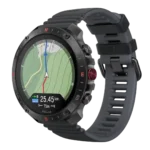
Polar Grit X2 Pro Feature Scores
Explore all 50 feature scores for Polar Grit X2 Pro, organized into pros and cons.
Scores by Feature
Summary
50 reviewed features-
Very positive 4.5-5.08 (16%)
-
Positive 3.5-4.421 (42%)
-
Neutral 2.5-3.48 (16%)
-
Negative 1.5-2.410 (20%)
-
Very negative below 1.53 (6%)
Pros
Sort
-
The AMOLED display was one of the strongest points, repeatedly praised for color, clarity, responsiveness, and map readability.
-
Reviewers strongly liked the rugged-premium styling, calling it one of Polar’s best-looking watches.
-
Battery life was generally seen as solid for daily use and GPS tracking, but always-on display, maps, and long navigation sessions reduced endurance.
-
Durability drew strong praise, with reviewers reporting scratch resistance, impact resistance, and a like-new appearance after use.
-
GPS accuracy was broadly positive on land, with most reviewers calling it solid or impressive, while some noted drift, slower acquisition, or poor swim tracks.
-
The Titan leather band and several included straps earned strong praise, though one reviewer found a silicone strap floppy.
-
Outdoor visibility was consistently excellent across bright sun, daylight, and varied conditions.
-
Water resistance was viewed as a clear strength for adventure and swimming use.
-
Build quality was consistently praised as premium, rugged, and well assembled.
-
Recovery insights were one of Polar’s strongest areas, especially HRV and recovery-linked guidance.
-
Buttons were widely liked for speed, texture, glove use, and firm clicks.
-
Touchscreen responsiveness was generally praised, including reliable taps/swipes and good wet-weather usability.
-
On-watch performance was generally snappy and smoother than older Polar models.
-
Sleep timing was usually praised, while sleep-stage precision and occasional missing/broken sleep metrics limited confidence.
-
Training, fueling, recovery, and workout suggestions were often praised, while missing TrainingPeaks/on-watch programs hurt athlete workflows.
-
Workout variety was a strength, with reviewers praising the huge sport profile library and broad activity coverage.
-
Heart-rate accuracy was mixed: many found it solid or improved, but interval, cycling, and bursty efforts exposed misses and lag.
-
Mapping and navigation were major strengths, but compass calibration, route workflow, missing rerouting, and map detail limitations created friction.
-
Watch faces were generally acceptable to good, with some praise for newer designs but requests for more options.
-
Charging was described as reasonably fast, including quick top-ups and full charging under an hour in one review.
-
Materials were viewed positively where reviewers noted the premium case and rugged hardware.
-
Comfort was mixed: some found it wearable despite size, while others called it bulky or criticized the strap breathability.
-
One reviewer valued being able to charge during an activity, especially for long hikes.
-
ECG was viewed as useful for intentional HRV readings rather than full medical-grade detection.
-
Health tracking features were described as working well overall in the BGR review.
-
The AMOLED panel was praised for brightness, though one review noted dramatic dimming at very low battery during workouts.
-
Fit was split between praise for smaller-wrist suitability in Grit X2 reviews and criticism of the Pro feeling oversized on a small wrist.
-
Overall fitness tracking was adequate to good, with one scientific review describing broad agreement but not class-leading precision.
-
Blood oxygen tracking was treated as useful for quick altitude-adaptation checks, with positioning caveats.
Cons
Sort
-
Step counting was a major weakness because non-step activities and even driving inflated totals.
-
Reviewers criticized the lack of native NFC/contactless payment support.
-
The lack of onboard music storage or playback was repeatedly flagged as a missing feature.
-
Smartwatch capability was repeatedly described as limited, especially compared with Garmin, Apple, or WearOS-style devices.
-
The lack of Wi-Fi was criticized because map transfers and music-style features depend on cabled or phone workflows.
-
Value was highly contested: base Grit X2 reviews liked the price, but Pro reviews often called the Grit X2 Pro overpriced versus rivals or the Vantage V3.
-
Reviewers found the app/platform ecosystem thin, with no proper ecosystem and limited app integration compared with rivals.
-
Menu navigation was a common weak spot, with reviewers calling sleep data messy, controls unintuitive, and navigation clunky.
-
Polar Flow was valued for data but repeatedly criticized as dated, sluggish, buggy, or unintuitive.
-
Third-party app/program support was weak, especially the lack of TrainingPeaks support on the watch.
-
Bluetooth-related features worked once connected, but reviewers complained about repeated pairing steps and finicky heart-rate broadcasting.
-
Customization was limited by four data fields and dated configuration depth despite some configurable faces and sport profiles.
-
The screen flashlight was useful in a basic way but criticized as awkward to access or aim compared with Garmin-style torches.
-
The software/OS experience was described as behind the curve despite the hardware improvements.
-
Stress/wellness breathing support was described as basic.
-
Pairing and syncing were mixed: setup could be straightforward, but Polar Flow sync failures appeared in multiple reviews.
-
Notifications worked, but reviewers criticized the lack of replies or actionable options.
-
The interface was serviceable but repeatedly described as dated, clunky, or old-school.
-
Music control was available for phone media, but reviewers saw it as basic.
-
One long-term reviewer noted workouts recorded without crashing, despite other bugs and quirks.
-
Wellness insights were useful for simple fitness and recovery context, though scientific sleep-detail confidence was limited.