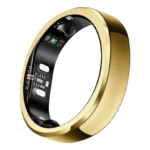
RingConn Gen 3 Feature Scores
Explore all 50 feature scores for RingConn Gen 3, organized into pros and cons.
Scores by Feature
Summary
50 reviewed features-
Very positive 4.5-5.024 (48%)
-
Positive 3.5-4.416 (32%)
-
Neutral 2.5-3.46 (12%)
-
Negative 1.5-2.44 (8%)
Pros
Sort
-
Subscription value was one of the strongest positives: reviewers repeatedly praised full data access without a monthly fee.
-
Battery life drew the strongest agreement, with testers commonly reporting roughly 10 days to two weeks and praising the low charging burden.
-
Comfort was one of the best-supported strengths, with reviewers repeatedly saying the ring was easy to wear all day and overnight.
-
Health trend insights were the Gen 3’s defining upgrade, praised for vascular trends and long-term pattern visibility but still considered early by some.
-
Charging convenience was a major plus thanks to the compact universal case, long case endurance, and easy travel use.
-
Design and appearance were widely praised, especially the brushed finishes, jewelry-like look, and understated ring styling.
-
Water resistance was consistently treated as reassuring for continuous wear during hand washing, showers, dish duty, and swimming exposure.
-
Weight was praised because the ring stayed light despite a thicker Gen 3 body and added vibration motor.
-
Value for money was mostly positive thanks to long battery life, the included case, health features, and no subscription, though some noted higher pricing.
-
Haptic app alerts were the most praised new feature, though reviewers split on intensity and real-time consistency during beta use.
-
Build quality was consistently praised, especially the titanium construction, premium feel, and compact hardware execution.
-
Sleep apnea monitoring was a major differentiator and repeatedly praised as useful screening context, though not a medical diagnosis.
-
Fit was mostly positive when correctly sized, but reviewers cautioned that sizing differs from Gen 2 and sensor orientation can shift.
-
The app received mixed-to-positive marks: several liked the charts and data depth, while others found wording, organization, or analytics behind rivals.
-
Sleep tracking accuracy was a consensus strength, with reviewers saying it matched life patterns, handled sleep timing well, or produced useful sleep quality views.
-
Size options were viewed positively because the Gen 3 expands to size 15 and better covers larger fingers.
-
Pairing was praised in setup-focused reviews, with reviewers describing quick app connection and near-instant discovery.
-
Stress tracking was viewed as useful for spotting physiological strain and daypart patterns, especially when tied to HRV and baseline trends.
-
Sleep-stage tracking was generally praised for granular stage breakdowns and strong sleep summaries, though not every reviewer provided validation.
-
Durability evidence was generally positive for finish wear and water/dish-duty use, though weight-room scuffing remained a caution.
-
The interface was mixed: some found it clean and easy, while others criticized fragmented navigation, bare-bones insight text, and inconsistency.
-
Automatic workout detection was viewed positively when walks or exercises appeared without manual input, though broader workout depth remained limited.
-
Coaching-style suggestions were appreciated when the app turned raw metrics into actionable recommendations rather than just listing data.
-
Recovery insights were liked as part of the sleep, HRV, stress, and vascular trend picture, especially for watching changes over time.
-
Charging speed received limited but positive evidence, with one reviewer saying it topped up extremely fast during daily routines.
-
Reliability was mixed: passive health tracking looked reliable to some reviewers, but real-time alert behavior was not fully settled.
-
Activity accuracy was judged strong for everyday use, with one reviewer saying RingConn remains dependable for general activity tracking.
-
Apple Health-style ecosystem syncing was treated positively where reviewed, mainly because it made moving data into an existing health setup easier.
-
Blood oxygen tracking was valued most in sleep and apnea contexts, where reviewers found nighttime oxygenation trends informative and actionable.
-
Initial Bluetooth connection was described as quick and easy, but there was little deeper evidence about long-term Bluetooth stability.
-
Data ownership was praised through the no-subscription model, especially the idea that historical trends stay accessible without recurring fees.
-
Distance tracking performed well in the direct Garmin comparison, with reviewers calling the measured run distances very close.
-
Google/Android health compatibility was viewed positively where Health Connect syncing was described as easier for existing ecosystems.
-
Menstrual cycle tracking had limited but positive evidence, with one reviewer appreciating cycle and fertility context inside the same health app.
-
Resting heart-rate tracking looked strong in comparative recovery testing, landing very close to Garmin in one reviewer’s 14-day comparison.
-
Step counting accuracy scored well in the direct comparison evidence, landing within a small manual-count error range.
-
Third-party health compatibility was praised mainly for making Apple/Android ecosystem syncing easier.
-
Reviewers liked the sedentary haptic nudges as a subtle way to break up sitting without turning the ring into a noisy smartwatch.
-
Goal tracking was a small positive, mainly because reviewers described weekly plans, goals, and health reminders as useful extras.
-
Readiness-style scoring was useful for trends, but one reviewer found the app’s grades too generous after poor sleep.
Cons
Sort
-
Alarm functionality was a clear weak spot: multiple reviewers noted that haptics do not currently provide a proper wake-up or silent alarm.
-
Text alerts are not the Gen 3’s focus, and reviewers noted that the ring does not provide normal text/message notifications.
-
Strava compatibility was a clear miss for at least one reviewer, who called the lack of integration a missed opportunity.
-
Workout mode variety was a weakness: reviewers repeatedly said the supported sports list is basic compared with watches or fitness trackers.
-
Syncing reliability was a concern for haptic health alerts, with reviewers unsure or critical about alerts that depended on app sync.
-
General smartphone notifications were limited by design: some liked the low-distraction approach, while others saw missing texts/messages as a limitation.
-
Workout tracking accuracy was mixed: distance and casual workouts were usable, but heart-rate performance during harder sessions remained a limitation.
-
Customization was a limitation because vibration settings were described as thin, with only basic buzz lengths and reminder toggles.
-
Timer support was a requested missing feature; reviewers liked the idea of timed haptic nudges but did not find it fully implemented.
-
Heart-rate accuracy improved over Gen 2 and looked good at rest, but reviewers still found workout and high-intensity readings inconsistent.