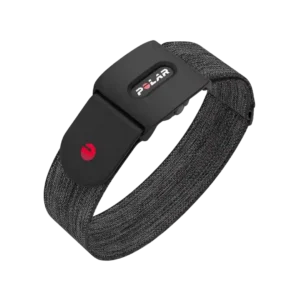
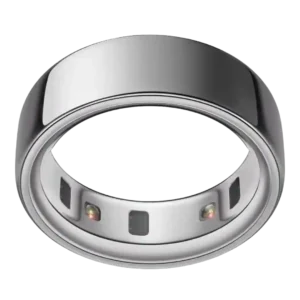
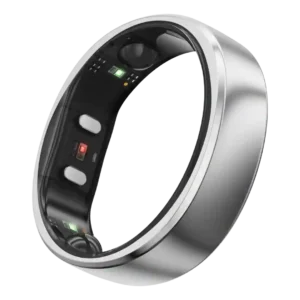
- Compared: running distance and heart-rate accuracy The Gen 3’s running distance was close to Garmin Forerunner, but workout heart rate remained more mixed.
RingConn Gen 3 Review
Bottom Line
Choose RingConn Gen 3 for long battery life, comfort, sleep/apnea insights, haptic health nudges, and no subscription. Skip it for serious workout heart-rate accuracy, full phone notifications, or a true silent alarm.
Best for people who want a comfortable smart ring for sleep, recovery, stress, apnea screening, vascular trends, and daily wellness data without a monthly fee. It also suits users who want subtle health nudges without smartwatch-style distraction.
Not for athletes who need reliable high-intensity heart-rate data, rich sport modes, route/GPS analytics, or deep workout exports. It is also not ideal for buyers expecting text/call notifications, a silent wake alarm, or clinical blood-pressure readings.
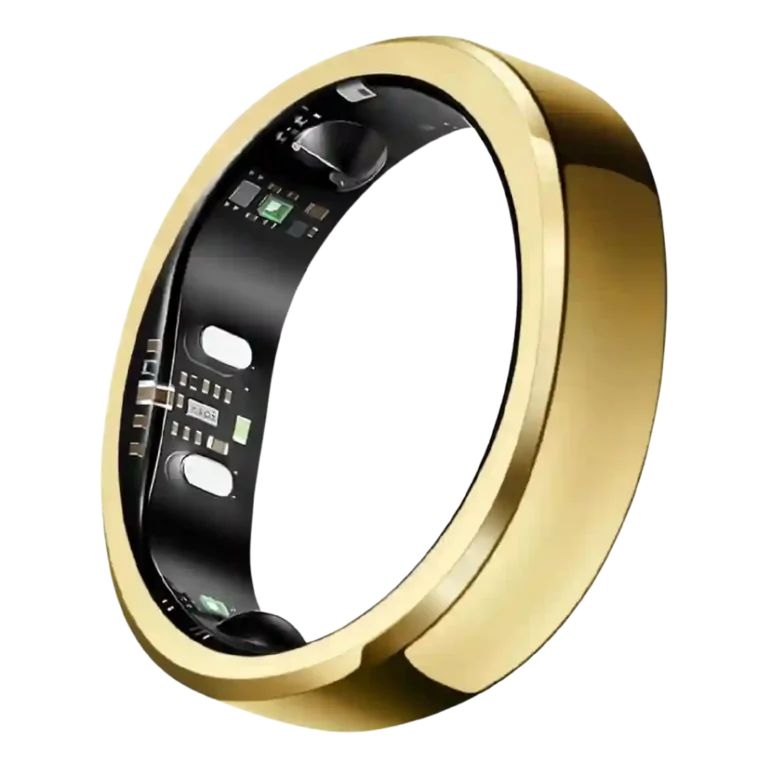
RingConn Gen 3’s review evidence points to a smart ring that is strongest as a quiet, always-on wellness tracker. Battery life, comfort, the universal charging case, and subscription-free access earn repeated praise, while vascular trend insights and sleep apnea screening give it a more proactive feel than earlier RingConn models. The main tradeoff is that the new haptics are useful but not fully mature: reviewers liked low-battery and sedentary nudges, yet criticized missing alarms, missing message alerts, limited customization, and occasional sync-dependent alert behavior. Fitness use is also secondary. Step and distance evidence was good, but workout heart-rate accuracy and sport options still trail dedicated watches.
Compared in Reviews
Products reviewers directly compared with this model, grouped into quick takeaways.
- Alternative: battery, app polish, and accuracy tradeoff The Gen 3 beats Oura Ring 4 on battery and no subscription, while Oura keeps the accuracy and app-polish edge.
- Older model: heart-rate accuracy The Gen 3 was described as more accurate after disappointment with RingConn Gen 2 heart-rate tracking.
Feature Scorecards
Summary
50 reviewed features- Very positive 4.5-5.0 48% 24 features
- Positive 3.5-4.4 32% 16 features
- Neutral 2.5-3.4 12% 6 features
- Negative 1.5-2.4 8% 4 features
- Very negative below 1.5 0% 0 features
Pros
-
Pairing was praised in setup-focused reviews, with reviewers describing quick app connection and near-instant discovery.
-
Charging speed received limited but positive evidence, with one reviewer saying it topped up extremely fast during daily routines.
-
Subscription value was one of the strongest positives: reviewers repeatedly praised full data access without a monthly fee.
-
Battery life drew the strongest agreement, with testers commonly reporting roughly 10 days to two weeks and praising the low charging burden.
-
Weight was praised because the ring stayed light despite a thicker Gen 3 body and added vibration motor.
-
Build quality was consistently praised, especially the titanium construction, premium feel, and compact hardware execution.
-
Charging convenience was a major plus thanks to the compact universal case, long case endurance, and easy travel use.
-
Comfort was one of the best-supported strengths, with reviewers repeatedly saying the ring was easy to wear all day and overnight.
-
Water resistance was consistently treated as reassuring for continuous wear during hand washing, showers, dish duty, and swimming exposure.
-
Sleep apnea monitoring was a major differentiator and repeatedly praised as useful screening context, though not a medical diagnosis.
-
Design and appearance were widely praised, especially the brushed finishes, jewelry-like look, and understated ring styling.
-
Health trend insights were the Gen 3’s defining upgrade, praised for vascular trends and long-term pattern visibility but still considered early by some.
-
Durability evidence was generally positive for finish wear and water/dish-duty use, though weight-room scuffing remained a caution.
-
Activity accuracy was judged strong for everyday use, with one reviewer saying RingConn remains dependable for general activity tracking.
-
Apple Health-style ecosystem syncing was treated positively where reviewed, mainly because it made moving data into an existing health setup easier.
-
Blood oxygen tracking was valued most in sleep and apnea contexts, where reviewers found nighttime oxygenation trends informative and actionable.
-
Initial Bluetooth connection was described as quick and easy, but there was little deeper evidence about long-term Bluetooth stability.
-
Data ownership was praised through the no-subscription model, especially the idea that historical trends stay accessible without recurring fees.
-
Distance tracking performed well in the direct Garmin comparison, with reviewers calling the measured run distances very close.
-
Google/Android health compatibility was viewed positively where Health Connect syncing was described as easier for existing ecosystems.
-
Menstrual cycle tracking had limited but positive evidence, with one reviewer appreciating cycle and fertility context inside the same health app.
-
Resting heart-rate tracking looked strong in comparative recovery testing, landing very close to Garmin in one reviewer’s 14-day comparison.
-
Step counting accuracy scored well in the direct comparison evidence, landing within a small manual-count error range.
-
Third-party health compatibility was praised mainly for making Apple/Android ecosystem syncing easier.
-
Value for money was mostly positive thanks to long battery life, the included case, health features, and no subscription, though some noted higher pricing.
-
Size options were viewed positively because the Gen 3 expands to size 15 and better covers larger fingers.
-
Sleep-stage tracking was generally praised for granular stage breakdowns and strong sleep summaries, though not every reviewer provided validation.
-
Sleep tracking accuracy was a consensus strength, with reviewers saying it matched life patterns, handled sleep timing well, or produced useful sleep quality views.
-
Fit was mostly positive when correctly sized, but reviewers cautioned that sizing differs from Gen 2 and sensor orientation can shift.
-
Stress tracking was viewed as useful for spotting physiological strain and daypart patterns, especially when tied to HRV and baseline trends.
-
Automatic workout detection was viewed positively when walks or exercises appeared without manual input, though broader workout depth remained limited.
-
Coaching-style suggestions were appreciated when the app turned raw metrics into actionable recommendations rather than just listing data.
-
Recovery insights were liked as part of the sleep, HRV, stress, and vascular trend picture, especially for watching changes over time.
-
Haptic app alerts were the most praised new feature, though reviewers split on intensity and real-time consistency during beta use.
-
Reviewers liked the sedentary haptic nudges as a subtle way to break up sitting without turning the ring into a noisy smartwatch.
-
Goal tracking was a small positive, mainly because reviewers described weekly plans, goals, and health reminders as useful extras.
-
The app received mixed-to-positive marks: several liked the charts and data depth, while others found wording, organization, or analytics behind rivals.
-
Reliability was mixed: passive health tracking looked reliable to some reviewers, but real-time alert behavior was not fully settled.
-
The interface was mixed: some found it clean and easy, while others criticized fragmented navigation, bare-bones insight text, and inconsistency.
-
Readiness-style scoring was useful for trends, but one reviewer found the app’s grades too generous after poor sleep.
Cons
-
Heart-rate accuracy improved over Gen 2 and looked good at rest, but reviewers still found workout and high-intensity readings inconsistent.
-
Workout tracking accuracy was mixed: distance and casual workouts were usable, but heart-rate performance during harder sessions remained a limitation.
-
Workout mode variety was a weakness: reviewers repeatedly said the supported sports list is basic compared with watches or fitness trackers.
-
General smartphone notifications were limited by design: some liked the low-distraction approach, while others saw missing texts/messages as a limitation.
-
Customization was a limitation because vibration settings were described as thin, with only basic buzz lengths and reminder toggles.
-
Timer support was a requested missing feature; reviewers liked the idea of timed haptic nudges but did not find it fully implemented.
-
Syncing reliability was a concern for haptic health alerts, with reviewers unsure or critical about alerts that depended on app sync.
-
Text alerts are not the Gen 3’s focus, and reviewers noted that the ring does not provide normal text/message notifications.
-
Alarm functionality was a clear weak spot: multiple reviewers noted that haptics do not currently provide a proper wake-up or silent alarm.
-
Strava compatibility was a clear miss for at least one reviewer, who called the lack of integration a missed opportunity.
Compared With Category Average
Compared with other Activity & Fitness Trackers, this product is above average in subscription value, data privacy, distance tracking accuracy, below average in Strava compatibility, alarm function, customization options.
Summary
8 compared features- Above average 0.4+ pts higher 50% 4 features
- Same as average within 0.3 pts 0% 0 features
- Below average 0.4+ pts lower 50% 4 features
| Attribute | This product | Category average | Difference |
|---|---|---|---|
| Strava compatibility | 1.5 | 4.0 | -2.5 |
| alarm function | 1.5 | 3.4 | -1.9 |
| subscription value | 5.0 | 3.4 | +1.5 |
| data privacy | 4.5 | 2.7 | +1.8 |
| distance tracking accuracy | 4.5 | 2.8 | +1.7 |
| sleep apnea monitoring | 4.6 | 3.2 | +1.4 |
| customization options | 2.5 | 3.8 | -1.3 |
| data syncing reliability | 2.3 | 3.4 | -1.2 |
FAQ
Does RingConn Gen 3 need a subscription?
No. Reviewers repeatedly praised that the main health data and app access are included without a monthly fee.
How good is the battery life?
Battery life was one of the strongest review positives. Testers commonly described roughly 10 days to two weeks depending on vibration use and ring size.
Are the vibration alerts useful?
Mostly yes, especially for low battery, sedentary reminders, and health nudges. The caveat is that reviewers found no full alarm, no normal message/call alerts, limited customization, and some sync-related reliability questions.
Is it accurate for workouts?
It is better for casual activity than serious training. Review evidence praised step and distance accuracy, but high-intensity workout heart-rate tracking was repeatedly called inconsistent.
How is sleep tracking?
Sleep tracking was generally a strength. Reviewers praised sleep duration, sleep stages, naps, and apnea screening, though the ring is still a wellness device rather than a medical diagnostic tool.
Does it measure blood pressure?
Reviews describe vascular or blood-pressure trend insights, not cuff-style numeric blood-pressure measurement. Several reviewers noted that it needs cuff calibration and should be treated as long-term trend context.
Is it comfortable enough for all-day wear?
Yes, based on the review evidence. Multiple testers said the ring was light, comfortable, and easy to forget on the finger, including overnight.
Sample Expert Reviews We Analyzed
These are a few of the reviews included in our analysis.
Video Reviews
- Review score
- 4.8/5
- Review score
- 4.6/5
- Review score
- 4.6/5
Article Reviews
- Review score
- 4.1/5
- Review score
- 4.4/5
- Review score
- 3.8/5
Consider This Instead
If you want better Strava compatibility
Choose Fitbit Inspire 3. It scores 4.8 vs 1.5 for Strava compatibility, with a 3.9 overall score.
If you want better data syncing reliability
Choose Oura Ring 4. It scores 5.0 vs 2.3 for data syncing reliability, with a 4.1 overall score.
If you want better companion app quality
Choose Oura Ring 5. It scores 4.5 vs 4.0 for companion app quality, with a 3.8 overall score.
If you want better user interface
Choose RingConn Gen 2. It scores 4.2 vs 3.7 for user interface, with a 3.7 overall score.
Overall Top Activity & Fitness Trackers Alternatives
Best for comfortable, screen-free sleep and recovery insight with a polished app. Skip it if you want subscription-free value, serious training metrics, or a ring that stays pristine.
Pros: GPS accuracy, swimming tracking
Cons: alarm function, calorie tracking usefulness
Best for long battery life, comfort, sleep/apnea insights, haptic health nudges, and no subscription. Skip it for serious workout heart-rate accuracy, full phone notifications, or a true silent alarm.
Pros: pairing reliability, charging speed
Cons: alarm function, Strava compatibility
Good if you want a light, comfortable tracker with long battery life and strong sleep/activity basics. Skip it if you need built-in GPS, a larger screen, advanced training data, or...
Pros: fitness coaching, Strava compatibility
Cons: music controls, third-party app compatibility
Good if comfort, discreet wear, sleep tracking and week-long battery matter most. Skip it if you need serious workout GPS metrics, subscription-free value or already like your Ring 4.
Pros: pairing reliability, comfort
Cons: GPS accuracy, cadence tracking