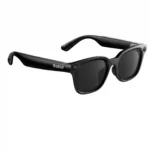
Rokid Ai Glasses Style Feature Scores
Explore all 104 feature scores for Rokid Ai Glasses Style, organized into pros and cons.
Scores by Feature
Summary
104 reviewed features-
Very positive 4.5-5.031 (30%)
-
Positive 3.5-4.436 (35%)
-
Neutral 2.5-3.420 (19%)
-
Negative 1.5-2.415 (14%)
-
Very negative below 1.52 (2%)
Pros
Sort
-
The 10-minute clip limit is one of the most universally praised features, giving creators and families far more room to capture complete moments than three-minute rivals.
-
Lens choice is one of the clearest advantages, spanning clear, tinted, polarized, prescription, blue-light, and photochromic options. Reviewers consistently valued the flexibility.
-
Multiple vertical and horizontal aspect ratios are a major creator advantage and reduce cropping in post. One reviewer reported being unable to switch formats, but the broader consensus is highly positive.
-
AI is the product’s defining strength, offering detailed answers, visual understanding, translation, navigation, and a choice of major models. Early sluggishness and occasional errors remain the main caveats.
-
The glasses consistently feel light in real use, even though the advertised 38.5g figure excludes lenses. Most reviewers still noticed a comfort advantage over heavier competitors.
-
Translation is a major strength, with broad language coverage, useful live conversation support, and strong visual text translation. Quality can vary by language and local mode may be slower.
-
Overall sentiment is strongly positive but not unanimous. Reviewers love the AI, camera flexibility, comfort, and price, while design quality, charging, privacy, and software polish keep it from being an automatic recommendation.
-
Hands-free POV capture is one of the product’s strongest uses, letting people preserve spontaneous moments, travel scenes, and creator footage without holding a phone.
-
The soft, replaceable nose pads are widely praised for grip and comfort, especially during heat, sweat, and extended wear.
-
Most reviewers found the glasses comfortable for long sessions, helped by low weight and cushioned nose pads. A minority reported nose fatigue or an awkward bridge.
-
Low weight and comfortable nose pads make these viable for all-day use, and several reviewers said they faded into the routine like normal glasses.
-
Most reviewers see strong value in the camera, long recording, AI choice, and lens flexibility at the base price. Extra lenses, proprietary charging accessories, and the missing case can quickly erode the bargain.
-
Photos are usually sharp, bright, and shareable in daylight, with enough detail for casual use and AI analysis. They still trail a good phone and soften noticeably in darker conditions.
-
Battery life is generally a strength, ranging from roughly five or six hours under heavier mixed use to a full day with lighter use. Translation, music, and video reduce runtime quickly.
-
Prescription support is unusually broad and comparatively affordable, covering strong corrections, progressive lenses, and photochromic options.
-
Video looks crisp and competitive for smart glasses, often described as good enough for social posts and everyday memories. It is not a replacement for a dedicated camera.
-
Photochromic lenses make the glasses far more practical across indoor and outdoor use. They may not become dark enough in shade or inside a car, but reviewers still preferred them for everyday wear.
-
Visual AI was repeatedly praised for identifying scenes and objects with useful detail. Accuracy was reported around 85–90% in one extended test.
-
Pairing and initial setup are usually straightforward, with clear app instructions and little friction.
-
Temple taps, swipes, and customizable AI shortcuts generally work well and make frequent actions quick to access.
-
The dedicated camera button and simple automatic power behavior are convenient, responsive, and often preferable to voice or app control.
-
Wake words and AI commands are picked up reliably, even in wind or loud surroundings. This makes hands-free use feel dependable.
-
Recorded speech is typically clear and intelligible, including in video clips. Reviewers often found the microphones better than expected.
-
Most reviewers heard clear, loud calls and reported that callers could understand them easily. One test found disruptive echo, so call performance may vary with volume and software.
-
The 12MP camera is widely considered good for smart glasses and well suited to casual POV capture. Results are strongest in good light, with some reviewers calling it excellent and others merely adequate.
-
Daylight images generally look natural, vibrant, and well balanced. A few comparisons also favored Rokid’s white balance.
-
Audio capture, transcription, summaries, and meeting notes can reduce phone use and manual note-taking. Some workflows still require extra steps rather than starting directly by voice.
-
The 32GB of onboard storage is enough for a typical day or a healthy batch of clips, though frequent creators will need to offload files.
-
Volume is generally loud enough for alerts, calls, and most everyday settings, although very loud roads or transit can overpower it.
-
Wi-Fi transfers to the phone are fast, reliable, and simple, making it easy to move photos and videos into an editing workflow.
-
The app interface is clean, simple, and easy to understand, with straightforward access to settings, media, and AI tools.
-
Downloadable language packs make translation useful without internet access, a valuable feature for travel and unreliable coverage.
-
Stabilization drew mixed results: several active tests looked impressively smooth, while others showed noticeable wobble and shake when walking. App post-processing can help but may take time.
-
Quiet-room recordings were transcribed accurately and organized into useful speaker-based notes. Exportable summaries add practical value for meetings.
-
Style opinions are sharply divided. Some reviewers called the frames fashionable and normal-looking, while others compared the glossy black design to cheap 3D glasses.
-
Some reviewers favored Rokid’s account-based AI approach and claimed content is not automatically used for model training, making it feel more private than Meta.
-
Scene description and object identification were accurate enough to offer meaningful help for low-vision users, though important information should still be verified.
-
The voice assistant is responsive, capable, and substantially improved over earlier Rokid attempts. Reviewers especially liked its usefulness compared with simpler rival assistants.
-
App quality ranges from polished and easy to use to buggy, slow, or prone to freezing. Video processing and Android stability are the most common complaints.
-
Open-ear playback keeps the wearer aware of the surroundings and works well for casual music, calls, and assistant feedback. It lacks the fullness and isolation of dedicated earbuds.
-
Head gestures make answering or declining calls convenient, though they are more of a helpful extra than a core reason to buy.
-
Fit depends heavily on face shape. Nose pads help many wearers keep the glasses secure, while others experienced slipping, oversized frames, or poor alignment.
-
Spoken navigation is useful for walking, biking, and driving, and several reviewers relied on it regularly. Misheard destinations and outdated map results occasionally reduce trust.
-
Software updates have already improved sluggish AI and fixed Bluetooth problems, giving reviewers confidence that early issues can be corrected.
-
The screen-free design keeps distractions and visual clutter away, which some reviewers preferred for driving and daily use. Others missed glanceable instructions for navigation, translation, and step-by-step tasks.
-
Charging is exceptionally fast in the reported test, reaching about 50% in 10 minutes and near-full in under 20.
-
iPhone pairing was quick and easy, and the app guided the reviewer through setup successfully.
-
The glasses can be configured as the wearer’s actual prescription pair, avoiding the need to place smart glasses over regular eyewear.
-
Hands-free AI delivered timely travel information without requiring the reviewer to stop and use a phone.
-
The wider, lighter frame avoided the behind-ear soreness one reviewer experienced with competing glasses.
-
Hands-free scene description and visual translation can reduce barriers for travelers and people with limited vision, though the AI should not be treated as infallible.
-
Blue-light lenses reduced eye fatigue during long computer sessions in the reported test.
-
Music and podcasts fit naturally into everyday use while keeping the wearer aware of the surroundings.
-
The visual assistant successfully identified a specific vehicle model and supplied useful context, giving the wearer a practical starting point.
-
Scanning an Alipay QR code directly from the glasses was a useful travel convenience.
-
Hands-free voice commands make photos, notes, and assistant functions easy to trigger.
-
Wi-Fi media transfers were fast and reliable in the tested workflow.
-
Voice reminders appeared at the correct time in the tested use case.
-
Head gestures make answering calls quick and convenient without reaching for a phone.
-
Shadow detail held up well in the tested images, helping scenes retain depth rather than looking flat.
-
Tap and swipe controls handle play, pause, skipping, and volume reliably.
-
The polarized lenses block sunlight effectively, though one reviewer preferred the color tint of a rival’s lenses.
-
The camera can read and translate moderately small text, though tiny print still requires moving closer.
-
Audio turn-by-turn directions make navigation practical despite the lack of a display.
-
IPX4 splash resistance was welcomed for glasses intended to be worn outdoors.
-
Live translation consumes noticeably more power than ordinary intermittent use.
-
Updates are adding practical refinements such as louder calls and new gestures, though some bugs remain.
Cons
Sort
-
The glossy plastic is a recurring weak point, often described as cheap-feeling and less premium than the technology inside.
-
Privacy controls are a weak point because there is no physical off switch and cloud processing creates uncertainty. Several reviewers would avoid wearing them in sensitive settings.
-
The standard package usually lacks a charging case, making on-the-go charging a common complaint. Optional cases and capsules add substantial endurance but also meaningful cost.
-
The microphones struggle to isolate voices from wind and busy environments. Outdoor speech recording can sound noisy.
-
The dim recording indicator and continued recording behavior made one reviewer deeply skeptical of the product’s privacy safeguards.
-
One reviewer found severe edge light bleed and reflections that obscured vision outdoors, even under overcast skies.
-
Indoor and nighttime captures become grainy, noisy, or blurry unless the wearer keeps very still. Bright environments are clearly the camera’s comfort zone.
-
The standard dark lenses can be difficult indoors and in dim weather. Clear or photochromic lenses are the safer choice for mixed environments.
-
The magnetic connector attaches securely, but the proprietary dongle is easy to lose and inconvenient for travel. Reviewers repeatedly wished for standard USB-C or a bundled case.
-
The single, relatively wide frame suits larger heads but can feel oversized on narrower faces. Limited frame and color choices are a repeated drawback.
-
Server and connection errors disrupted AI use in one extended test, producing only about a 60% success rate.
-
One Android test required several attempts before the glasses connected successfully.
-
One extended test achieved only about a 60% success rate because of server and connection errors, making early software reliability a concern.
-
Bass is usually the weak point, with music often sounding thin or lacking low-end impact. One highly positive test found it punchier, but that was not the dominant view.
-
The dark lenses work well in strong sun but are often too tinted indoors, in winter, or under clouds. Some reviewers also reported distracting reflections and edge light.
-
A slight shutter delay can blur photos and makes capture feel less immediate than expected.
-
The off-center camera can produce framing that does not match the wearer’s true point of view, especially with hats or brims.
-
Visual and voice AI still sends analyzed audio or images to cloud services, limiting use in private or sensitive situations.
-
The two-finger shortcut failed repeatedly in one test, although other gesture features worked after learning the correct motion.
-
Wear detection was unreliable for one reviewer, repeatedly turning the glasses off when they slipped slightly.
-
Attaching the optional battery capsule makes the right temple feel heavy and can become uncomfortable over longer periods.
-
The first year of AI access is included, but future monthly fees are expected and pricing was not clear to reviewers.
-
Sound leakage remains a recurring concern, especially in quiet rooms or at higher volume. Normal outdoor use is more private, but nearby people may still hear calls or music.
-
The companion app needs refinement, particularly around slow foreground-only video processing.
-
Rokid’s social integration is less mature than Meta’s, even though its flexible aspect ratios help creators prepare content for multiple platforms.
-
AI speed is inconsistent: some reviewers received answers within seconds, while others experienced long delays tied to connectivity and early software.
-
Hinge feedback is mixed. One pair felt slightly loose, while another reviewer found the titanium-alloy hinges solid without extra bulk.
-
Privacy signaling is inconsistent. One reviewer found the LED far too dim to warn bystanders, while another confirmed recording stops when the indicator is covered.
-
Early Bluetooth disconnects were reported, but an OTA update appeared to resolve them.
-
The overall frame design landed in the middle for one reviewer: recognizable and wearable, but not especially distinctive.
-
Continuous video recording lasts roughly 40–45 minutes on a full charge, which is adequate but far below normal mixed-use endurance.
-
Wake-word recognition is good, but the microphone can close too early during longer requests, forcing users to speak quickly and concisely.
-
The ability to choose among several AI models is a major advantage, but the platform is not fully open and some regional integrations can fail.
-
Android experiences conflict: one reviewer called the app flawless, while another encountered crashes and repeated connection failures.
-
Build impressions are mixed: one reviewer found the construction solid, while another thought the frame felt slightly flimsy for smart glasses.
-
The speakers are clear enough for AI, calls, and podcasts, but music quality varies. Several reviewers found them thinner and less immersive than Meta’s audio.
-
The package is functional but inconsistent in perceived quality: extra nose pads and a pouch are useful, while the basic cardboard-like case feels cheap.