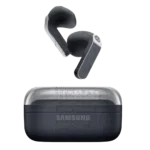
Samsung Galaxy Buds 4 Feature Scores
Explore all 36 feature scores for Samsung Galaxy Buds 4, organized into pros and cons.
Scores by Feature
Summary
36 reviewed features-
Very positive 4.5-5.06 (17%)
-
Positive 3.5-4.421 (58%)
-
Neutral 2.5-3.47 (19%)
-
Negative 1.5-2.42 (6%)
Pros
Sort
-
The stem controls were praised as easy, precise, and straightforward, especially after Samsung refined the blade shape.
-
Touch control responsiveness was praised, with reviewers finding the touch area easy to locate and the gestures precise or straightforward.
-
Sound quality was the clearest strength across all three reviews, with praise for richness, refinement, and overall listening enjoyment.
-
Microphone noise reduction was a strength, with reviewers saying background roar, white noise, wind, and background noise were reduced or blocked.
-
Design impressions were positive overall, with reviewers calling the Buds 4 more polished, premium, and refined despite the familiar AirPods-like shape.
-
Bluetooth was viewed positively, with reviewers citing longer range, future-proofing, and Bluetooth 6.1 as a meaningful upgrade.
-
Bass was consistently praised as punchy, wide, warm, and stronger than expected for open-fit entry-level earbuds.
-
Build quality drew positive comments for a premium feel and a more refined look than the prior generation.
-
Hi-res/UHQ playback was praised when paired with compatible Galaxy hardware and high-resolution sources, adding perceived expansiveness and cleaner sound.
-
Treble performance was praised for crunchy highs and strong mids/treble performance, without the tinniness criticized in AirPods comparisons.
-
Value was favorable for Galaxy owners and price-conscious buyers, with reviewers calling the performance strong for the $179 tier.
-
Midrange clarity was praised, especially for vocals, though Engadget described the non-Pro model's mids as merely filling the gaps adequately.
-
Head gestures were treated as a useful modern addition that adds hands-free control and helps Samsung keep pace with rivals.
-
Setup and software were strongest for Galaxy users, with settings baked into the phone and a broad range of options available.
-
Comfort was a major strength in the Tom's Guide review, including for smaller ears and everyday listening.
-
The case was reviewed favorably for practical design touches, including visibility through the lid and useful physical controls.
-
Android and especially Samsung users get the strongest experience, with one reviewer explicitly saying the buds were made for Android/Samsung users.
-
The app and phone settings offer a broad control surface, with reviewers highlighting a huge range of adjustable settings.
-
EQ customization was described as a premium feature, with access to adjustment options and presets inside Samsung's software experience.
-
Soundstage width was praised in UHQ mode, with Tom's Guide calling the presentation surprisingly expansive.
-
Call quality was usable but not flawless: one review heard crisp clarity, another reported a muffled voice, and the comparison piece expected clearer calls.
-
Instrument separation was praised in track testing, where synths, bass, vocals, and percussion stayed layered rather than smeared together.
-
Soundstage depth received positive evidence through UHQ listening, where acoustics were described as reverberating around the listener.
-
One comparison review credited the Buds 4 tuning with better clarity and balance than the prior generation.
-
The integrated microphone system was described as upgraded and designed for clearer calls and better voice recognition.
-
Transparency mode earned positive evidence from the comparison review because Ambient Sound made daily use more practical than Buds 3.
-
Voice assistant integration was considered useful for hands-free tasks, though one reviewer personally had little interest in AI assistants.
Cons
Sort
-
Reviewers agreed ANC is the weakest major feature: two hands-on reviews found it modest or not serious, while the specs-focused comparison expected improvement over Buds 3.
-
Passive isolation was weak because the open-fit body lacks a sealing silicone tip, letting outside noise seep in.
-
Multi-platform compatibility was a clear limitation because the richest features and smoothest device switching stay tied to Samsung or Galaxy devices.
-
Physical stability was a weakness in the Engadget review because the open design required repeated fit adjustments.
-
Fit evidence was mixed: reviewers liked the comfort of the open form, but the lack of a seal and repeated fit adjustments hurt stability and ANC.
-
Battery life was treated as adequate but unimpressive, with one reviewer calling 5-6 hours poor beside longer-lasting rivals.
-
Spatial audio was not a selling point for one reviewer, who said upmixed spatial audio could warp music.
-
Water and sweat resistance were a concern because the Buds 4 dropped from Buds 3's IP57 rating to IP54 and were described as less rugged.
-
Multipoint and device switching were mixed: Tom's Guide criticized non-Galaxy limitations, while the specs comparison expected smoother Galaxy ecosystem switching.