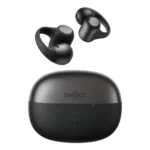
Shokz OpenDots 2 Feature Scores
Explore all 44 feature scores for Shokz OpenDots 2, organized into pros and cons.
Scores by Feature
Summary
44 reviewed features-
Very positive 4.5-5.011 (25%)
-
Positive 3.5-4.426 (59%)
-
Neutral 2.5-3.45 (11%)
-
Negative 1.5-2.42 (5%)
Pros
Sort
-
Comfort is the product’s biggest consensus strength, with many people forgetting they were wearing the buds for hours. A minority with specific ear shapes found them painful or uncomfortable, so comfort is high but not universal.
-
The interchangeable left/right design is one of the most-loved convenience features. Reviewers liked grabbing either bud, using either ear, and letting the earbuds set stereo orientation automatically.
-
Sound is the standout surprise for an open-ear design: many found it full, clear, and strong enough for music, podcasts, calls, and daily listening. A smaller group found the tuning underwhelming or uneven, especially for buyers expecting sealed-earbud performance.
-
Battery life is a consistent strength, with 10-hour buds and 40-hour case totals repeatedly matching real-world use. Even mixed reviews often still praised endurance.
-
Awareness is one of the clearest strengths: runners, commuters, drivers, parents, and office users liked hearing the world while audio played. A few users felt the driver placement blocked more sound than true bone-conduction designs.
-
Charging is another strong point thanks to wireless charging, quick-charge support, and a compact case. One reviewer did warn that the buds can fail to charge if they are not seated correctly.
-
Bass is repeatedly described as unusually punchy for open-ear earbuds, with several reviewers calling it a major upgrade. The tradeoff is that bass can overpower mids and treble for some listeners, and it still cannot match sealed in-ear bass.
-
Durability for sweat, rain, and outdoor use is viewed positively, especially for runners and workouts. The water resistance is reassuring for normal exercise, though not treated as swimming-ready.
-
The clip pressure is usually praised as soft, secure, and not too tight. That balance is central to the all-day comfort, though individual ear anatomy can still make the fit feel wrong.
-
Fit stability is strong for running, walking, workouts, and daily wear when the buds are left alone. The main limitation is that clip-ons can be knocked loose or may slip for smaller ears.
-
Overall sentiment leans strongly positive, driven by comfort, awareness, battery life, and open-ear sound that exceeded expectations. Negative reactions cluster around price, fit mismatch, latency, and sound tuning preferences.
-
Design reactions skew positive, especially for the pearl white finish, jewelry-like look, and premium clip-on styling. One customer found the look subdued, so the style is polished rather than flashy for everyone.
-
The low weight helps the OpenDots 2 feel barely there. Reviewers repeatedly tie the light build to long-wear comfort and easy all-day use.
-
Multipoint is a strong everyday feature, with smooth switching between phone and laptop or dual-phone tests. Reviewers who used it generally found it reliable and easy to manage in the app.
-
The case is usually praised as compact, pocketable, sturdy, and convenient, with strong magnets in one test. A few caveats appear around seating the buds correctly and the case lacking its own finder sound.
-
The Shokz app is generally liked for keeping advanced controls accessible without making the earbuds feel complicated. Users valued battery views, Dolby, EQ, multipoint, gesture customization, and firmware options.
-
Call quality is mostly serviceable to strong, with several reviewers reporting clear calls even in moderate noise. It is not a unanimous win: some experts still found voices tinny, only fine, or worse than Shokz earhook models.
-
Controls improved over the first generation and can be customized heavily, but they remain one of the more divisive parts of the product. Pinch controls tend to fare better than taps, especially while moving.
-
Sound leakage is better controlled than many open-ear skeptics might expect. Private mode and directional audio earned praise, though open-ear physics means leakage is not completely eliminated.
-
Bluetooth impressions are mostly positive for pairing and connection stability, including easy phone pairing and no disconnects. The major exception is one customer’s severe PC latency complaint, which drags down confidence for video work.
-
Volume is generally strong for the category, with several reviewers saying the buds get loud enough for home, work, and outdoor use. In very loud traffic or for one dissatisfied customer, the top volume still did not leave enough headroom.
-
The clip-on shape worked especially well for glasses and prescription eyewear, avoiding the space conflict of earhooks. One smaller-ear customer still had slipping, so fit may depend on ear size.
-
EQ customization is useful and often important because tuning preferences vary widely. Custom sliders helped several listeners improve the sound, while personalized EQ disappointed others.
-
The added noise-reduction mic system helps voice pickup in many accounts, especially for outdoor calls. Some testers did not hear much improvement over older models, so it is helpful rather than class-leading.
-
Dolby and the open design can create a wider, more spacious presentation. That extra width is not universally loved, with one reviewer finding shifts in placement can change the soundstage noticeably.
-
Touch responsiveness is mixed. Some users found taps and pinches worked perfectly after customization, while others still preferred real buttons or noticed occasional touchiness.
-
Setup is simple, with users reporting quick onboarding and an app that is easy to navigate. The software support helps unlock customization without much friction.
-
Dolby/spatial processing is polarizing. Some listeners loved the wider, room-filling presentation, while others felt it sounded artificial, metallic, or not worth using.
-
Sensors add real convenience through wear detection, auto orientation, and drop alerts. The small smart touches were repeatedly described as useful rather than gimmicky.
-
Android pairing came across as easy in the hands-on test, with Google Fast Pair connecting quickly. Android-specific feedback is limited but positive.
-
Cross-platform use worked well in the test that paired an Android phone and iPhone together. Feedback is limited, but the multipoint experience looked smooth across platforms.
-
Most high-volume comments are positive, especially around improved bass clarity and reduced distortion. The main caveat is that one reviewer and one customer heard clarity fall apart or highs become shrill at upper volumes.
-
Midrange performance lands mixed. Some listeners heard clean mids and natural voices, while others felt the prominent bass left mids veiled or too bright depending on EQ.
-
The small case makes the earbuds easy to carry in a pocket, bag, or running belt. Portability was not heavily discussed, but the one detailed account was very positive.
-
The built-in EQ presets give quick ways to change the sound and reduce leakage. The available feedback is positive but thin compared with the heavier discussion of custom EQ.
-
Find My is helpful for the buds themselves when it can play a loud ping. The notable gap is that one customer wanted an audio finder for the compact case too.
-
Build impressions are mostly positive in expert testing, with durability upgrades and premium materials called out. One customer’s damaged arrival is the main negative durability note.
Cons
Sort
-
These are not ANC earbuds, and several reviewers frame that as a reason to skip them for flights, loud gyms, or silence-seeking use. The open design can still be a strength for people who want awareness instead of cancellation.
-
Isolation is intentionally limited, which is great for awareness but poor for blocking trains, planes, gyms, or traffic. Buyers wanting a sealed, quiet listening bubble will likely prefer ANC or in-ear earbuds.
-
Auracast is a clear miss for one expert reviewer. It was not widely discussed, but its absence stood out as an unfixed limitation for future-proof wireless sharing.
-
Ear-size accommodation is a weakness for a few buyers. Customers asked for bigger-ear or small-ear solutions, suggesting the one-size clip design does not fit every ear equally well.
-
Value is the biggest buying hesitation. Many like the polish and premium feature set, but cheaper Shokz, Soundcore, and other clip-on options make the $199 price harder to justify for budget-focused buyers.
-
Video sync is sharply divided. One YouTube test found no lip-sync delay, while one customer reported obvious, variable Bluetooth latency that made editing, games, movies, and music videos frustrating.
-
Treble drew the most split reactions in the sound profile. A few heard crisp highs, but several complaints mention grain, sparkle, brightness, or shrillness at higher volumes.