Best for Sound leakage
SteelSeries Arctis Nova Elite
5.0 feature score
Highest scored product for this feature based on supporting review evidence.
Highest scored product for this feature based on supporting review evidence.
Balances feature score, supporting reviews, and overall product strength.
Has the broadest review evidence for this feature.
Strongest overall product among items with scored evidence for this feature.
Use this filter when you want the deepest set of ranked options.
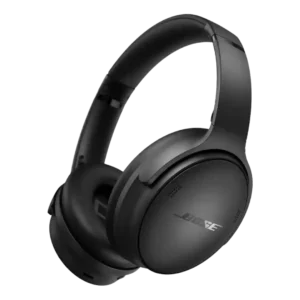
Sound leakage was excellent in TechRadar’s review, which found virtually no sound leaking out.
Pros: Multipoint connectivity reliability, Software/setup simplicity
Cons: LE Audio readiness, Smart Pause performance
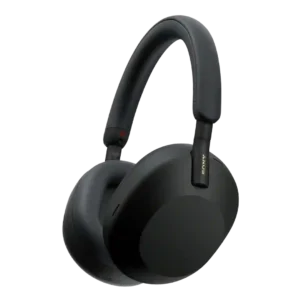
Sound leakage was praised as very low, even at high volume.
Pros: Sound leakage, Noise isolation (passive)
Cons: Water/sweat resistance rating, Hinge durability
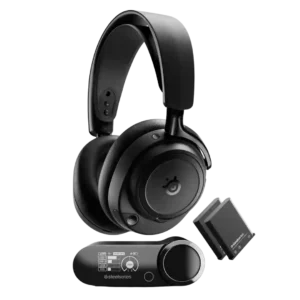
Sound leakage is excellent in the one scored review, which reports zero spillage even at loud volume.
Pros: Maximum volume clarity, Multipoint connectivity reliability
Cons: Portability/foldability, USB-C
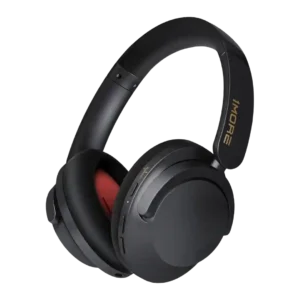
Sound leakage was excellent, with reviewers reporting minimal leakage.
Pros: Sound leakage, Battery
Cons: Sustainability and repairability, Auto on/off reliability
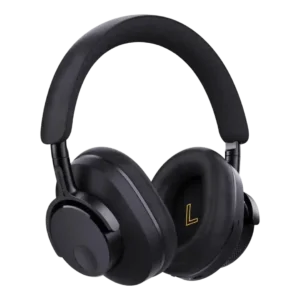
Sound leakage was praised by one reviewer, who found the closed-back design useful for recording because it did not leak externally.
Pros: Award recognition, Battery
Cons: Water/sweat resistance rating, Touch control responsiveness
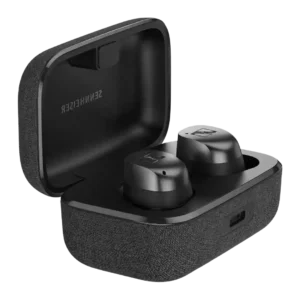
Sound leakage is praised in one long-term review because the seal produced no leakage.
Pros: Maximum volume clarity, Stability
Cons: Spatial audio, Microphone noise reduction
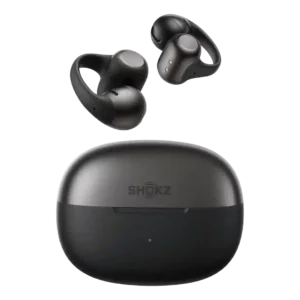
Sound leakage is better controlled than many open-ear skeptics might expect. Private mode and directional audio earned praise, though open-ear physics means leakage is not completely eliminated.
Pros: Android compatibility, Multi-platform compatibility
Cons: Auracast support, Active noise cancellation
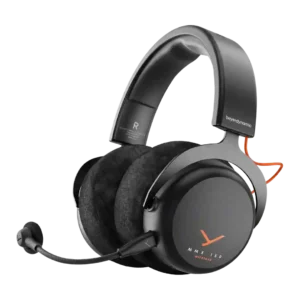
Closed-back sound leakage control is praised in one review, especially for subway or shared-space listening.
Pros: Battery, Audio-video sync accuracy
Cons: Xbox compatibility, Volume output
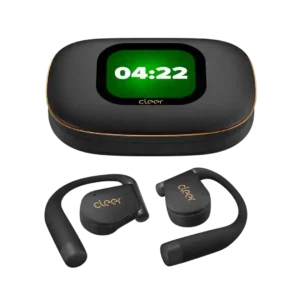
Sound leakage and driver positioning were judged better than average for the open-ear category in the one detailed assessment. The design still cannot contain sound like sealed earbuds.
Pros: Instrument separation, Multipoint connectivity reliability
Cons: Noise isolation (passive)
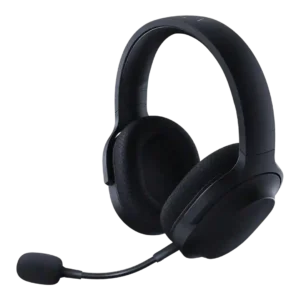
Sound leakage evidence was limited but positive, with one reviewer finding leakage barely audible even at high volume.
Pros: Cable quality, Hinge durability
Cons: aptX, Active noise cancellation
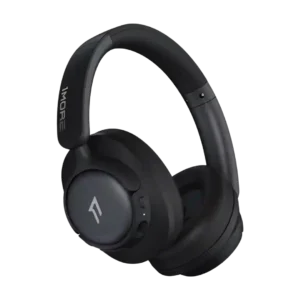
Sound leakage evidence was limited but positive, with one review noting minimal leakage.
Pros: Battery, ANC sound impact on audio
Cons: 3.5mm analog input availability, Treble clarity
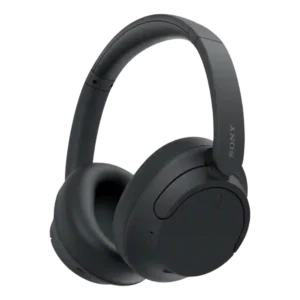
Sound leakage evidence was limited but positive, with one review saying leakage was minimal.
Pros: Weight comfort, Charging
Cons: Water/sweat resistance rating, Wear detection performance
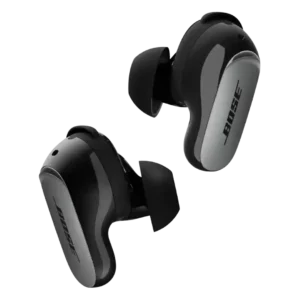
Sound leakage is rated positively in the one direct test, with the reviewer reporting little outside noise bleed.
Pros: Active noise cancellation, Volume output
Cons: Preset EQ profile quality, Equalizer customization
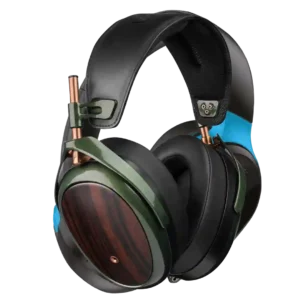
The closed cups keep music contained well at normal listening levels, making the Strada suitable around coworkers or family without broadcasting every track.
Pros: Hinge durability, Durability over time
Cons: Ear cup swivel/rotation range, Portability/foldability
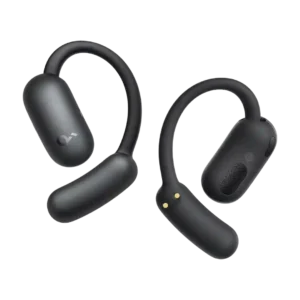
Sound leakage is better than expected for open earbuds, staying minimal at normal volumes but leaking more at high volumes.
Pros: Software/setup simplicity, AI translation
Cons: Noise isolation (passive), Spatial audio
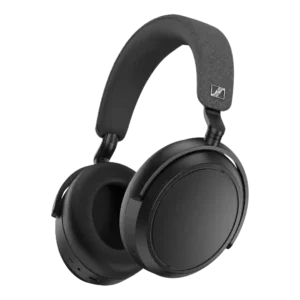
Sound leakage was positive in the one supporting review, which said the closed-back design and pads minimized leakage.
Pros: Award recognition, Battery
Cons: Water/sweat resistance rating, LDAC
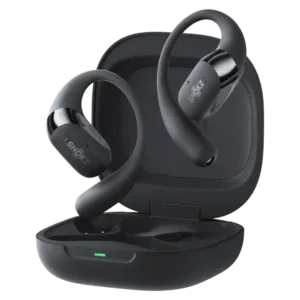
Sound leakage was generally better than expected for open-ear earbuds at reasonable volumes, but reviewers still warned that higher volumes can be heard nearby.
Pros: Clamping force comfort, Battery
Cons: Active noise cancellation, Noise isolation (passive)
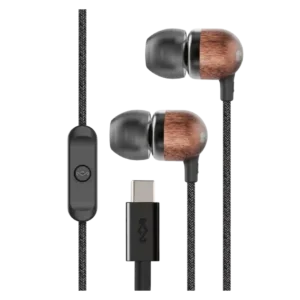
Leakage is generally well controlled for normal listening and busy environments. In very quiet places, sound may still escape at levels some people find noticeable.
Pros: Weight comfort, Software/setup simplicity
Cons: Electrical safety, Carry case quality
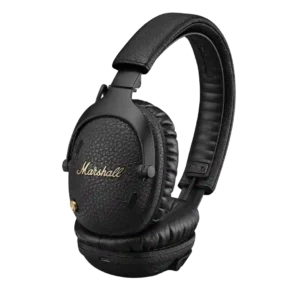
Sound leakage was viewed positively in one review because the plush ear cups helped minimize leak.
Pros: Volume output, Multipoint connectivity reliability
Cons: Water/sweat resistance rating, Codec support
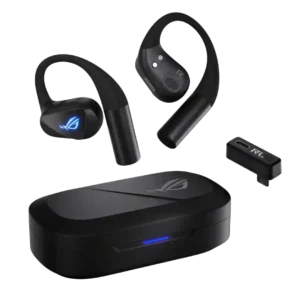
Leakage is better controlled than some open-ear designs, though nearby people may hear faint audio in quiet rooms or at higher volumes.
Pros: Transparency mode quality, Touch control responsiveness
Cons: Noise isolation (passive), Packaging condition
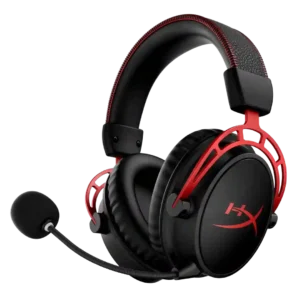
Sound leakage is usually controlled at normal volumes, though one wired review notes leakage at higher volumes.
Pros: Maximum volume clarity, Earpad replacement ease
Cons: Bluetooth, Xbox compatibility
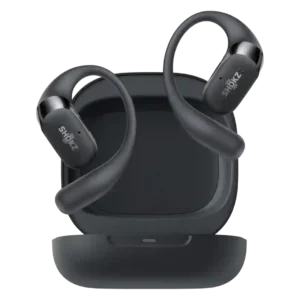
Sound leakage is improved and often limited at normal volumes, but several reviewers still warn it can be audible nearby at higher volume.
Pros: Microphone noise reduction, Bluetooth
Cons: Active noise cancellation, Codec support
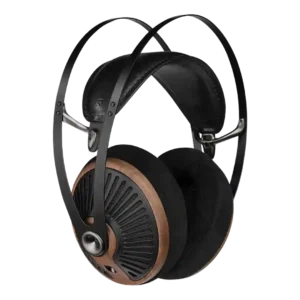
Leakage is lower than some reviewers expected from an open-back design, likely helped by rear mesh damping. It is still not private enough for shared quiet spaces.
Pros: Volume output, Carry case quality
Cons: Connectivity options, Noise isolation (passive)
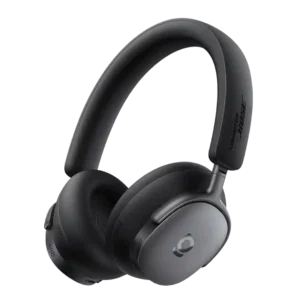
Sound leakage had limited but positive evidence from one review saying the design blocked sound leaking out.
Pros: Maximum volume clarity, Headband adjustability
Cons: Cable quality, Smart Pause performance
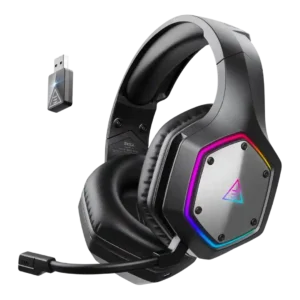
Sound leakage evidence was limited but positive, with one reviewer noting few gaps for sound to escape.
Pros: Audio-video sync accuracy, Wireless latency
Cons: Midrange clarity, Ear cup swivel/rotation range
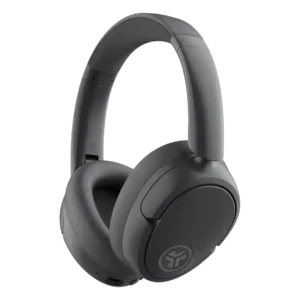
Sound leakage was described as minimal enough that nearby people would need to be very close to hear maximum-volume playback.
Pros: Multipoint connectivity reliability, Battery
Cons: Water/sweat resistance rating, Transparency mode quality
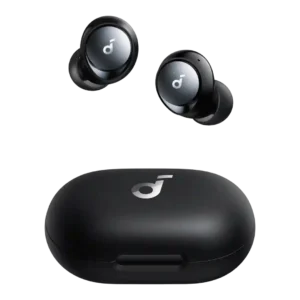
Sound leakage evidence was limited but positive, with one reviewer saying the buds kept sounds private.
Pros: Interchangeable left/right bud design, Multipoint connectivity reliability
Cons: Sensors, Hinge durability
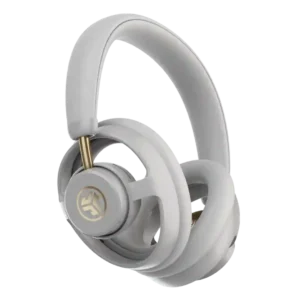
Leakage is often impressively low at moderate volume, especially with the grilles installed. It becomes clearly audible as volume rises, so quiet offices and close seating still require caution.
Pros: Headband adjustability, Voice assistant integration
Cons: Maximum volume clarity, Xbox compatibility
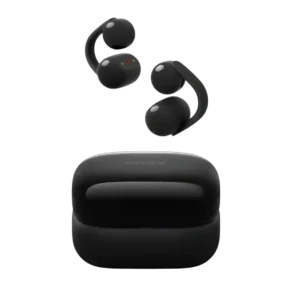
Sound leakage handling works in several tests, but the leakage-reduction mode often makes music more muffled or worse sounding.
Pros: Transparency mode quality, Maximum volume clarity
Cons: Active noise cancellation, Spatial audio
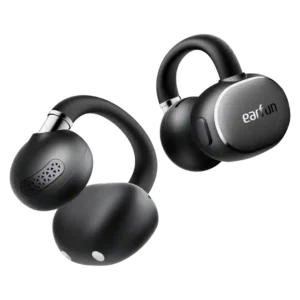
Leakage is usually modest at moderate volume and in everyday environments. It becomes audible to nearby people at high volume or in very quiet offices and libraries.
Pros: Weight comfort, Hinge durability
Cons: Active noise cancellation, Sensors
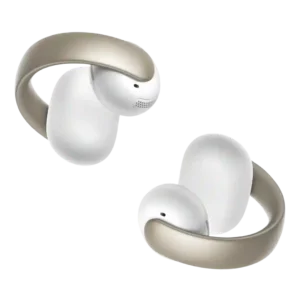
Sound leakage was mixed: some reviewers found leakage lower than open-ear rivals, while others still warned that nearby people may hear them at higher volume.
Pros: Android compatibility, Software/setup simplicity
Cons: Active noise cancellation, Noise isolation (passive)
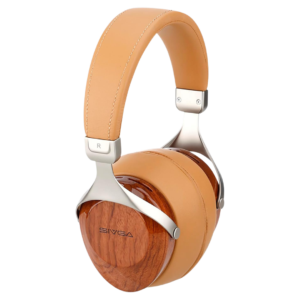
Leakage is generally low enough for home use, though some reviewers hear more escape than expected from a closed-back design. Seal and cup venting appear to influence the result.
Pros: Button control usability, Removable microphone
Cons: Customer support, Workout heat and sweat buildup
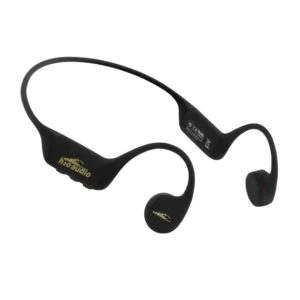
Sound leakage is mixed: pool use appears discreet, but above-water leakage can appear at higher volumes.
Pros: Water/sweat resistance rating, Weight comfort
Cons: Equalizer customization, Instrument separation
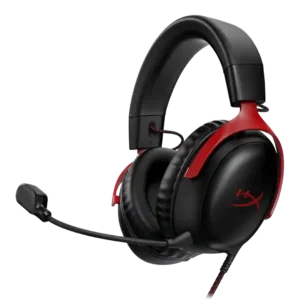
Sound leakage evidence was limited and mixed, with one review praising low leakage while another noted audible leakage outside the headset.
Pros: Hinge durability, Wireless latency
Cons: Preset EQ profile quality, Xbox compatibility
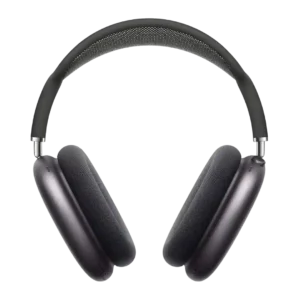
Sound leakage evidence was mixed, with one reviewer saying leakage was low and another saying people nearby could hear at higher volumes.
Pros: Hinge durability, Ecosystem integration
Cons: aptX, LDAC
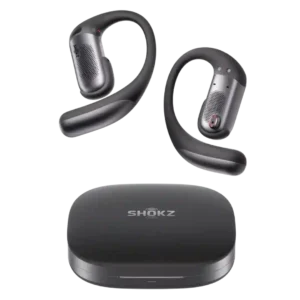
Leakage is modest at lower volumes but becomes obvious when volume rises to fight outside noise. Private EQ helps only a little and may sacrifice bass or vocal clarity.
Pros: Voice assistant integration, Android compatibility
Cons: Maximum volume clarity, Packaging condition
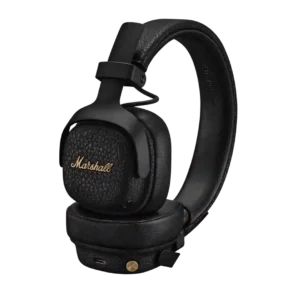
Sound leakage becomes noticeable at higher volumes, and the on-ear fit allows outside sound in as well. This is a format tradeoff rather than a minor edge case.
Pros: Multipoint connectivity reliability, Codec support
Cons: aptX, Smart Pause performance
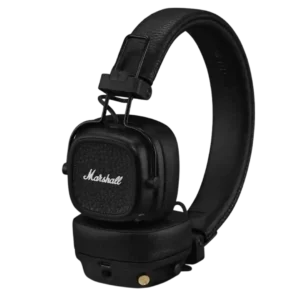
Sound leakage was mixed-to-negative, with some office-safe results but several warnings about leakage at higher volumes.
Pros: Ear cup swivel/rotation range, Multi-platform compatibility
Cons: aptX, Water/sweat resistance rating
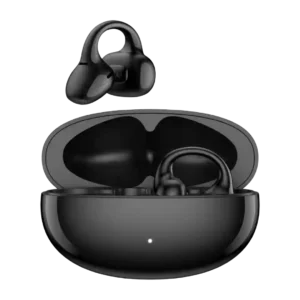
Sound leakage remains an open-ear caveat, with one reviewer warning that nearby people may hear audio around 60% volume.
Pros: Weight comfort, Interchangeable left/right bud design
Cons: Smudge resistance, Voice assistant integration
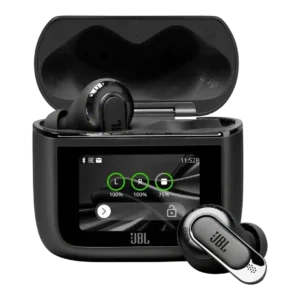
Sound leakage had limited negative evidence tied to one reviewer’s poor seal and passive-isolation issue.
Pros: Codec support, Dongle
Cons: Sound leakage, Find My
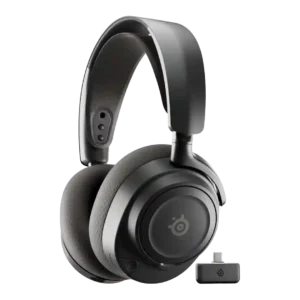
Sound leakage was a weakness in the one direct review that discussed it, with audio bleeding through even with a seal.
Pros: Connectivity versatility, Multi-platform compatibility
Cons: Transparency mode quality, Active noise cancellation
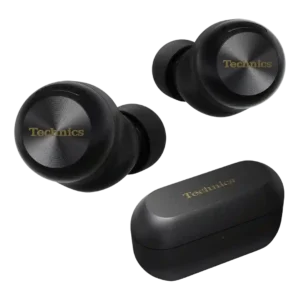
Sound leakage is a weakness in the one scored review, which says loud music can be heard in a quiet room.
Pros: Volume output, Maximum volume clarity
Cons: aptX, Auracast support
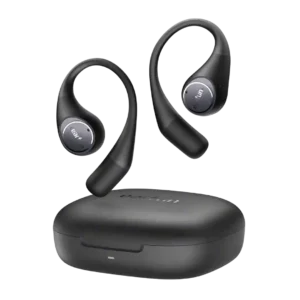
Sound leakage was a repeated concern, with two negative reviews calling it heavy or awful, though one reviewer found it decent.
Pros: Codec support, Water/sweat resistance rating
Cons: Noise isolation (passive), Design and Aesthetics
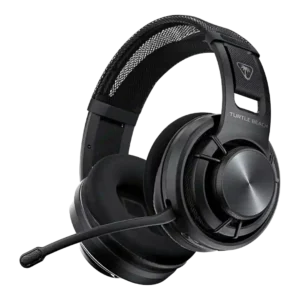
Sound leakage is an unavoidable tradeoff, with reviewers repeatedly warning that audio leaks out and can be heard nearby.
Pros: Weight comfort, Cable quality
Cons: Active noise cancellation, Noise isolation (passive)
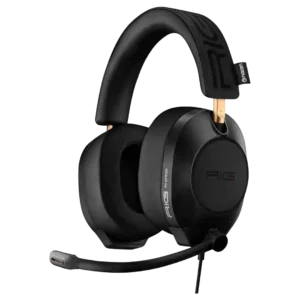
Sound leakage was a repeated concern, with reviewers noting outward leakage despite thick cushions.
Pros: Audio-video sync accuracy, Battery
Cons: Bluetooth, Active noise cancellation

Sound leakage receives one negative score because a reviewer says nearby people can clearly hear music at full volume.
Pros: Comfort during long use, Audio-video sync accuracy
Cons: aptX, Lossless audio support
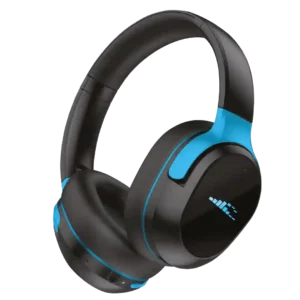
At louder listening levels in quiet spaces, sound leakage can become noticeable to people nearby.
Pros: Volume output, Bluetooth
Cons: LDAC, Find My
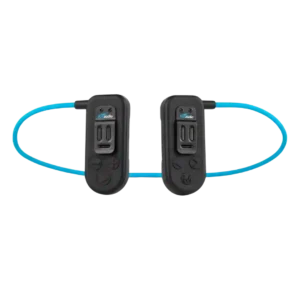
One reviewer found that the open bone-conduction design leaks audio noticeably, especially when listening louder.
Pros: Comfort during long use, Water/sweat resistance rating
Cons: Equalizer customization, Sound leakage
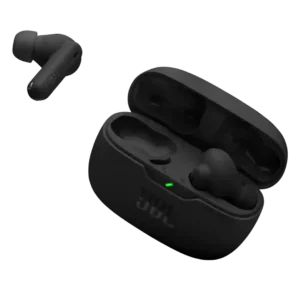
One reviewer complained about a lot of sound leakage.
Pros: Audio-video sync accuracy, Weight comfort
Cons: Sidetone adjustment quality, Microphone noise reduction
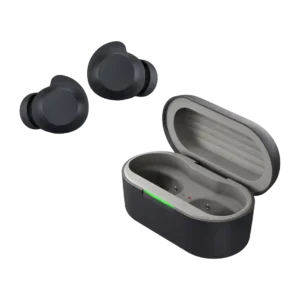
Sound leakage is a clear weakness in one review, especially above roughly 40% volume.
Pros: Charging, Portability/foldability
Cons: aptX, LDAC