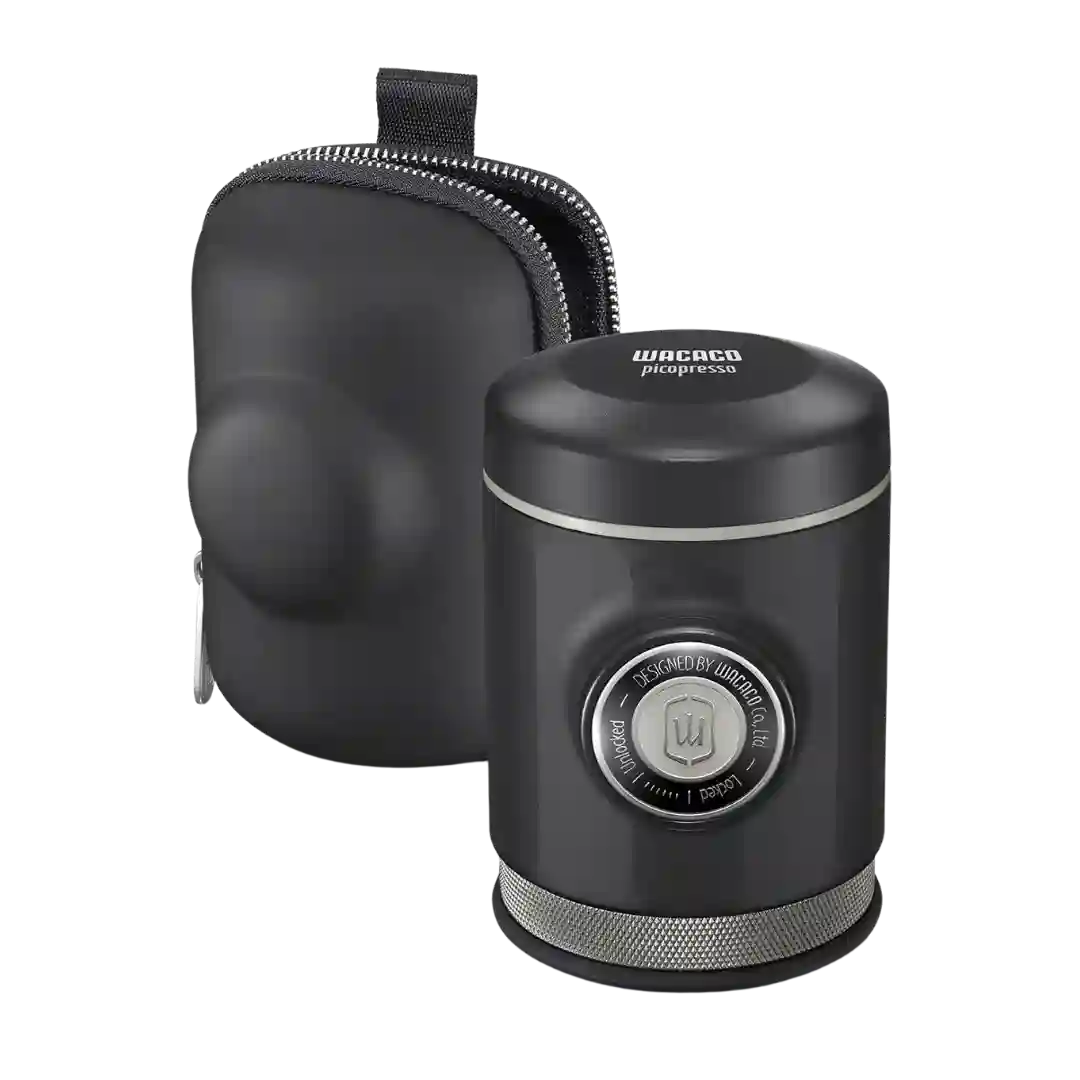
The central marketing claim holds up well: reviewers consistently say the Picopresso can produce real espresso with crema and serious flavor, not just a strong coffee concentrate. The only caveat is that results depend on good technique, grinder quality, and proper preheating.
The reviewed marketing-style claims were mostly credible in use: one reviewer found the heat-retention claim conservative, while the same review says the Pipamoka produces espresso-style coffee rather than true espresso.
Claims around temperature, speed, and cup quality are broadly supported by third-party measurements and taste tests in the provided reviews, including SCA-range temperatures and sub-8-minute brew times. Heat retention expectations for the thermal carafe are also commonly corroborated by multi-hour holding results.
Fast-heat and quick mode-switch marketing is largely supported by hands-on testing, with repeated claims of being ready in seconds and moving to steam almost immediately. Some broader performance expectations (like consistently optimal extractions at the ideal pressure) are less consistently met in longer testing.
Across sources, the core promises of precision and better-tasting drip coffee are largely upheld. Claims around customization and roaster-style recipes are supported, while expectations for seamless smart features depend on the current app experience.
Marketing and performance claims around SCA-style temperature and brew-time targets are mostly supported by reviewer testing and certification references. One lab-style review notes an average brew temperature slightly below a commonly cited target minimum, suggesting performance can sit near the lower edge depending on measurement method.
The Silence positioning largely matches reviewer experience: multiple sources call out noticeably quieter grinding versus prior versions, with one comparison citing roughly a 50% reduction in grinder noise on the CM5310.
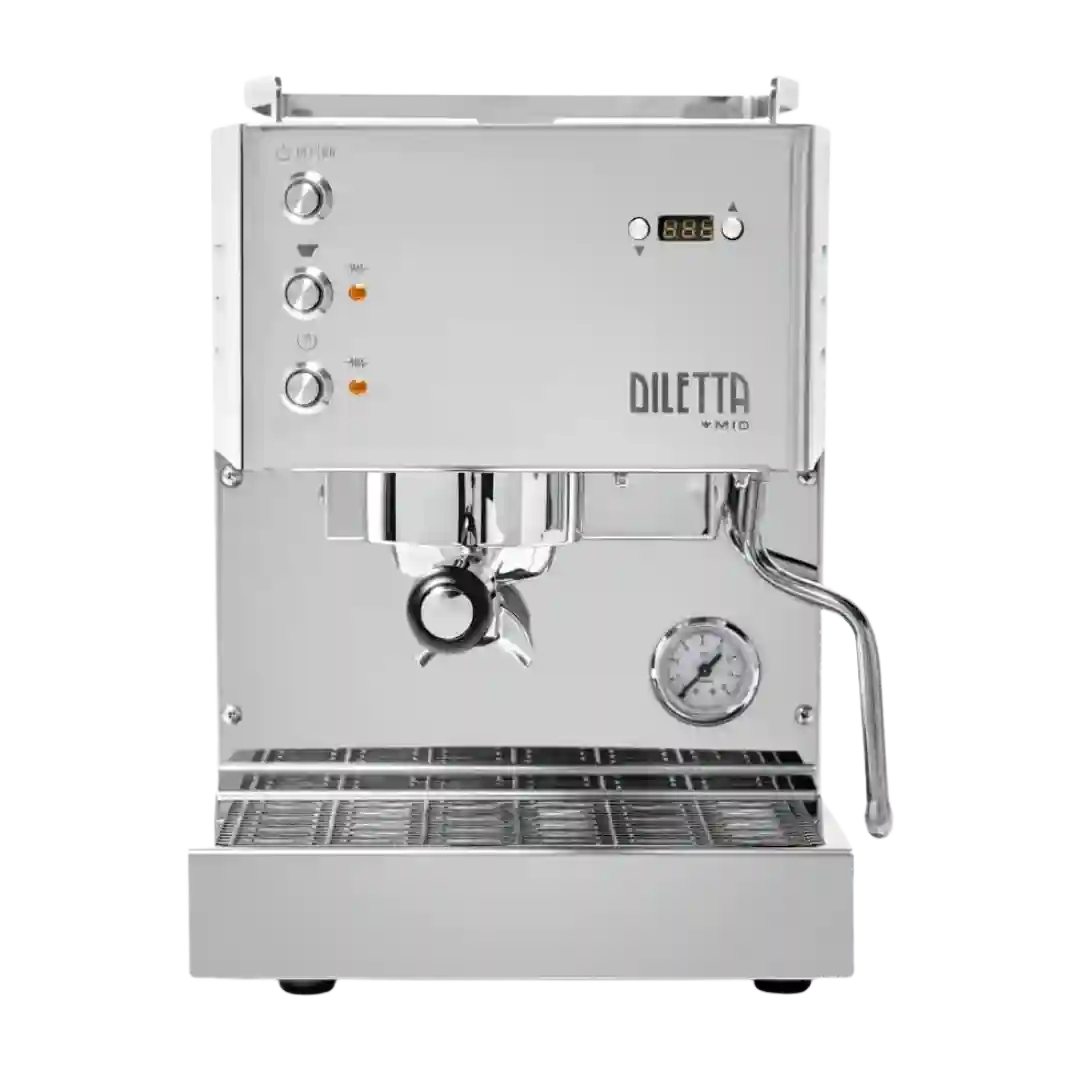
Reviews are clear that the Mio is not a true dual-boiler machine, but they also say it behaves similarly enough in daily use that the positioning feels broadly fair.
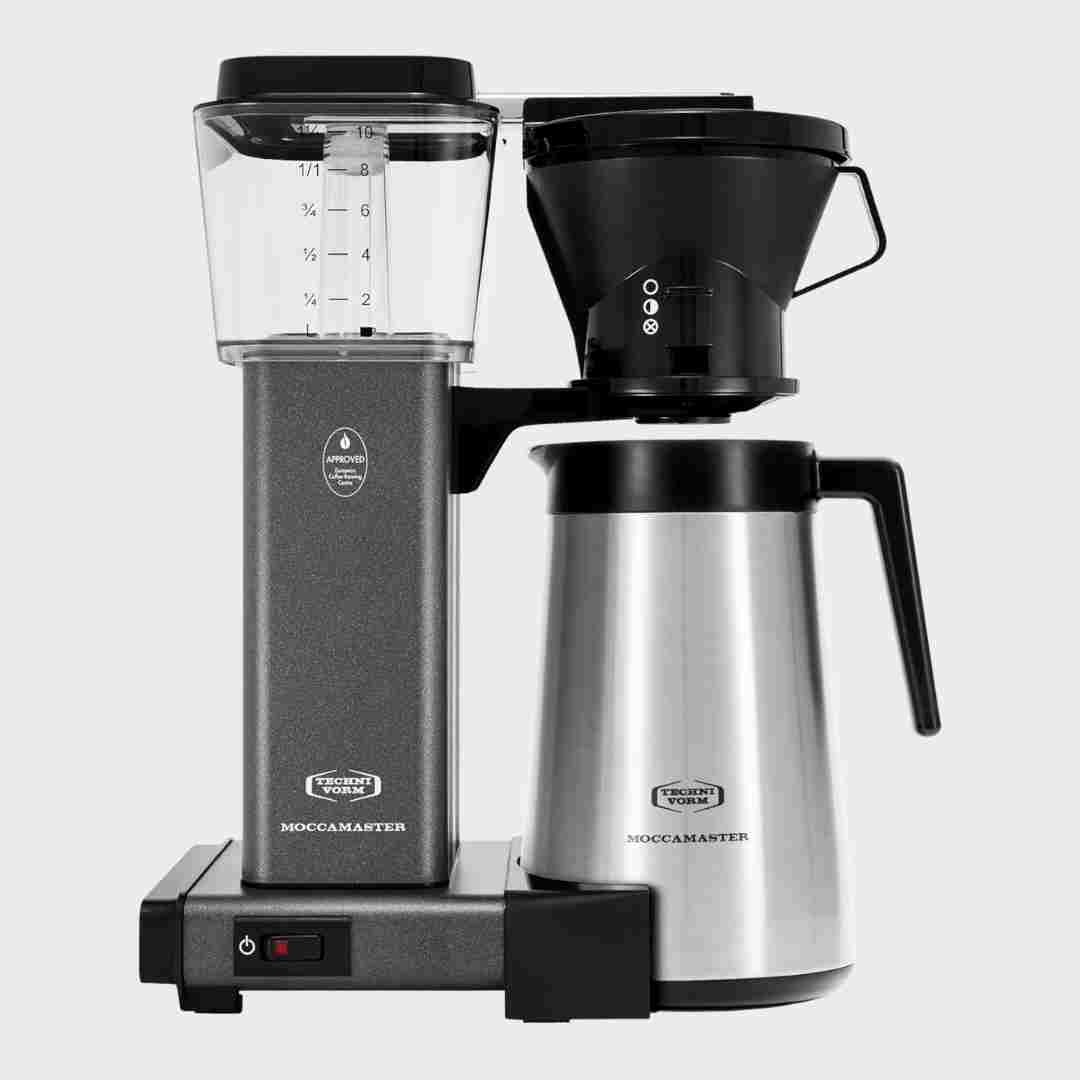
Claims about fast brew times, consistent dosing via AccuBrew, and a hot, well-extracted cup are generally supported in testing-style reviews, with repeated references to roughly 6.5 to 7-minute full-pot brews and strong flavor consistency. The more subjective premium-value positioning is where reviewers push back most.
Marketing claims about brewing at SCA-style temperatures and finishing a full pot in roughly 4 to 6 minutes are broadly supported by many hands-on reviews and measurements, though at least one test criticizes uneven water distribution and larger-than-expected temperature swings between brews.
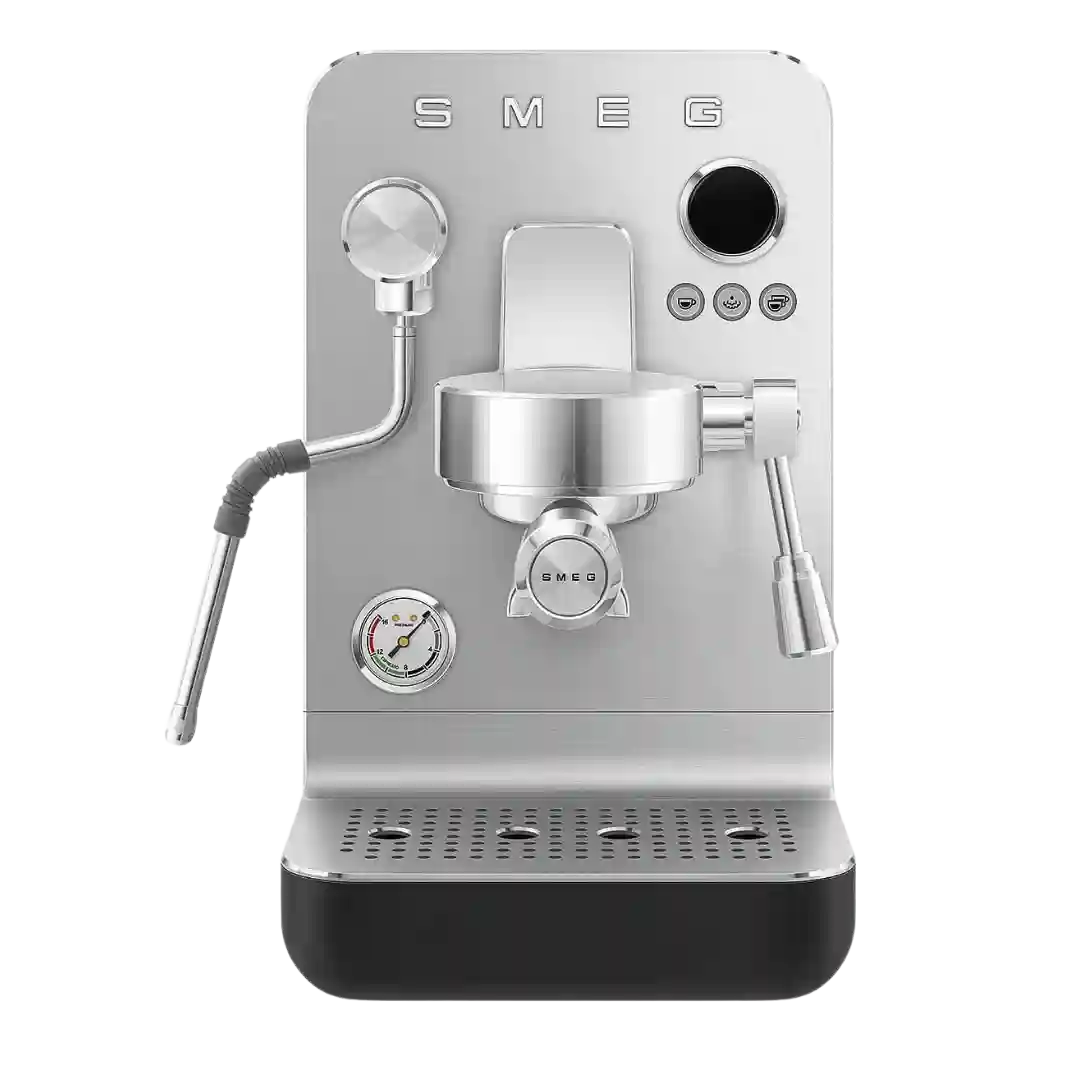
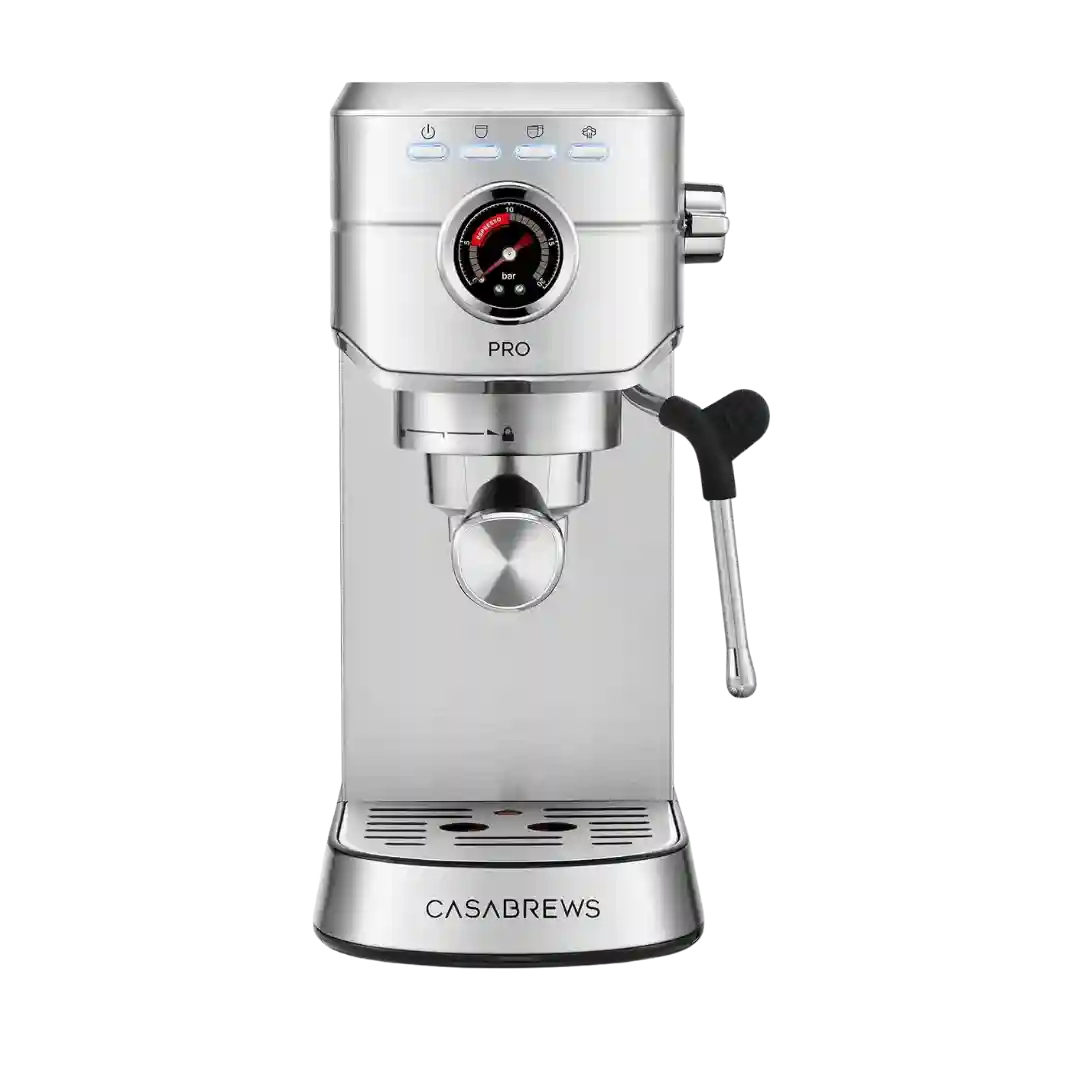
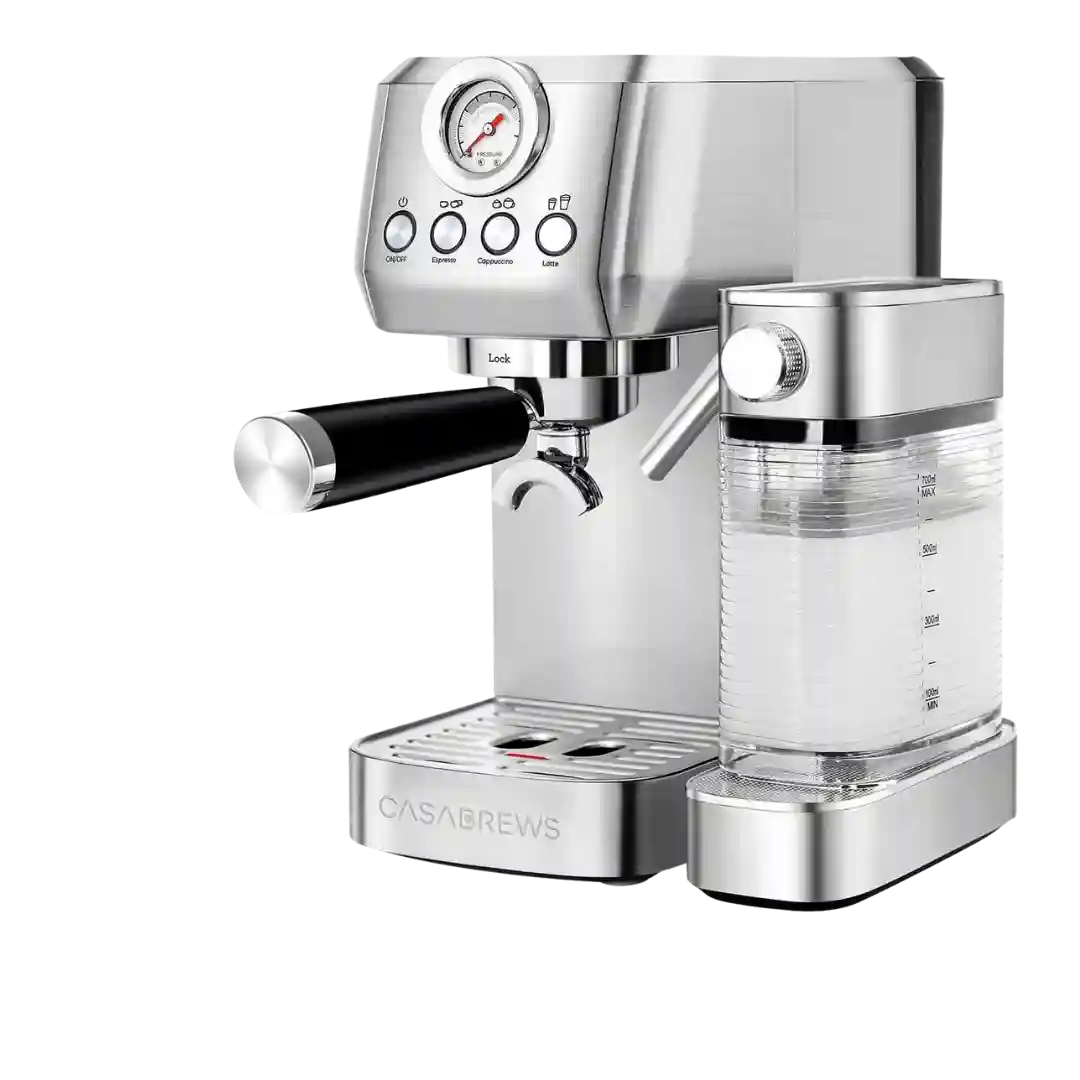
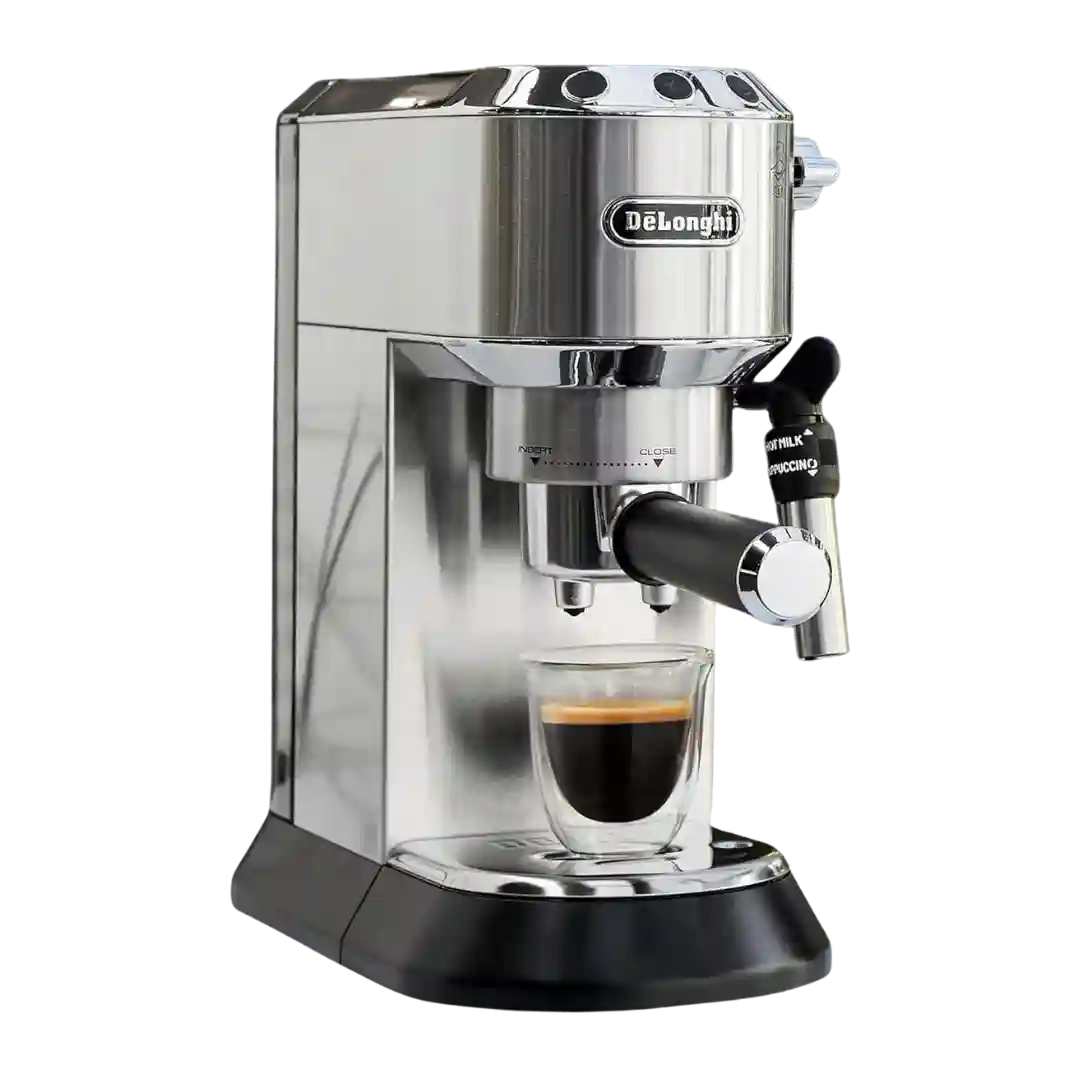
One reviewer points out that espresso extraction itself targets around 9 bars even when the pump is marketed at 15 bars, which helps set expectations. Another caution is that the pressure gauge should be treated as a guide rather than a laboratory-accurate measurement.
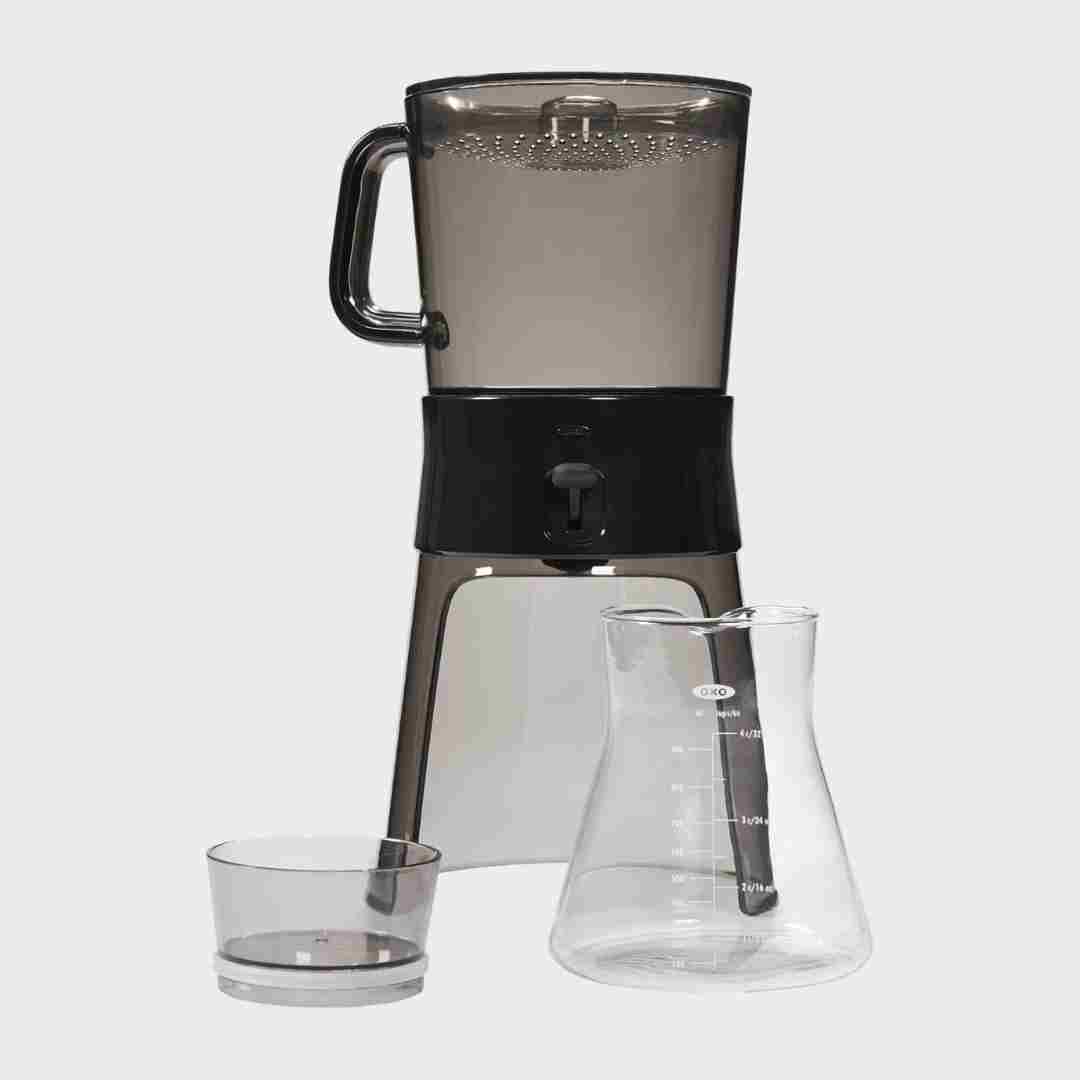
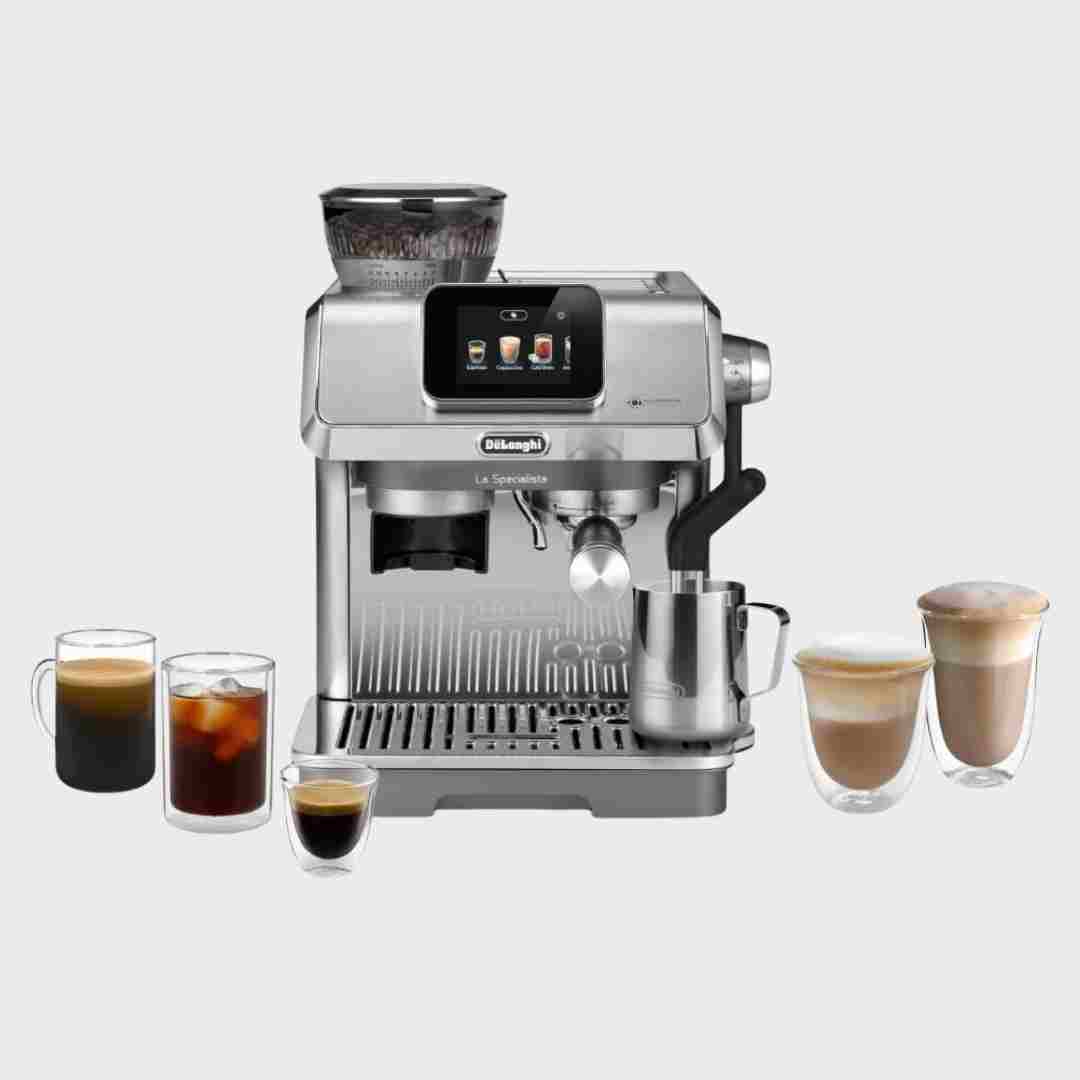
Marketing around hot-and-cold drinks is mostly supported, with multiple reviews confirming that cold extraction is meaningfully different from pouring hot coffee over ice (4050, 14546). At the same time, several reviewers clarify that it is not traditional immersion cold brew, so expectations should be set accordingly (4057, 14548).
Claims around brewing a very hot cup are broadly supported by reviewer observations and temperature checks. Some marketing lines like never bitter depend more on grind, dose, and which brew mode we use.
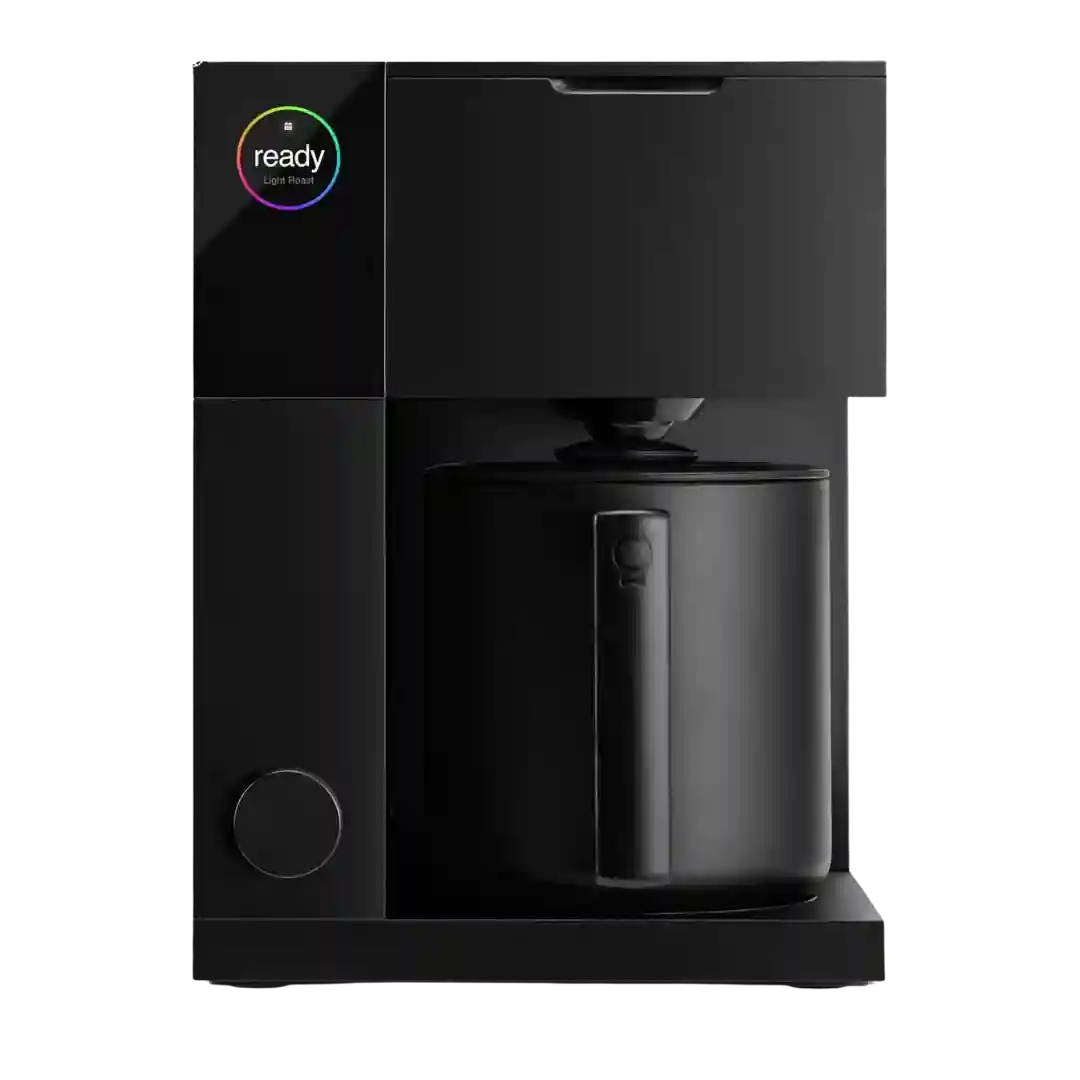
When reviewers address claims, they generally validate the headline convenience points like fast heat-up and a guided touchscreen workflow. The marketing criticism, when present, is more about feature omissions (like connectivity) than outright performance exaggeration.
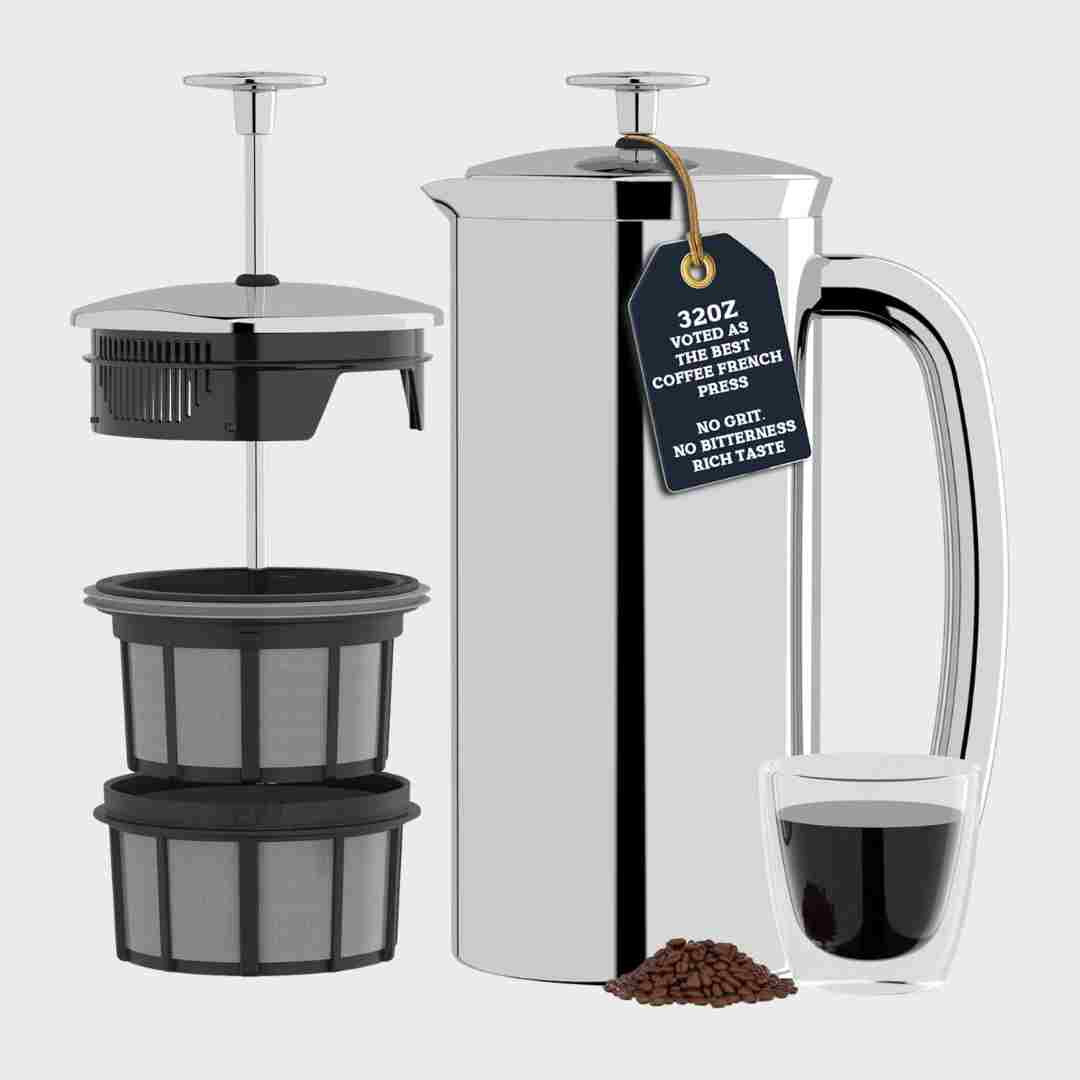
Heat-retention claims are broadly supported by reported temperature tests and timed heat checks, showing meaningful insulation benefits. Sediment-free claims are partially supported: the cup is much cleaner than standard presses, but multiple reviewers still note small amounts of chaff/fines. Exterior temperature claims vary, suggesting handling comfort may depend on use and expectations.
Marketing-style claims around ease and consistent extraction are mostly supported by reviewer experiences, but a minority express skepticism about how necessary the rainmaker is or note that included instructions are not ideal for best flavor.
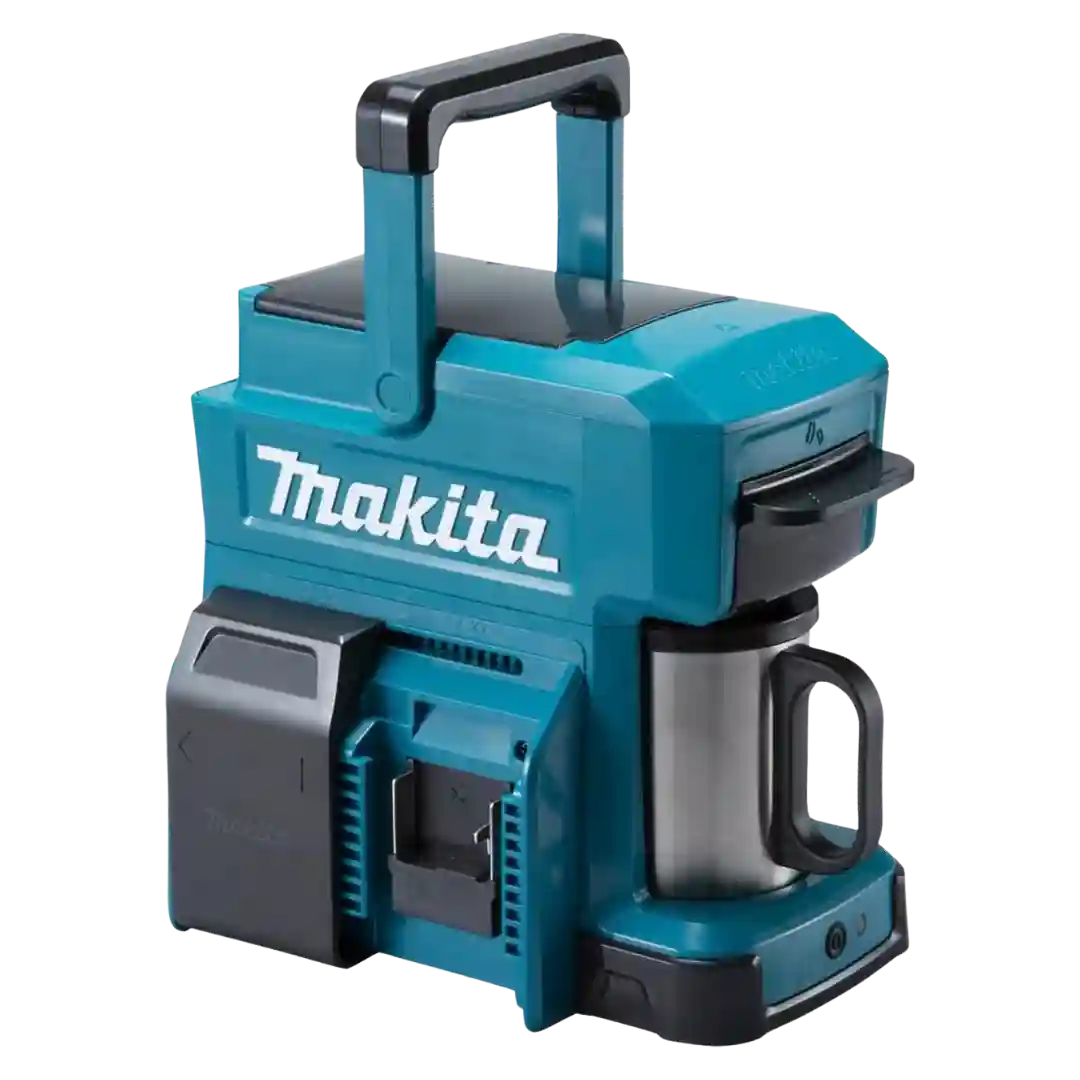
Timing and output claims are generally in the right ballpark, but vary by battery and recipe. Some tests found it could hit advertised-style brew times, while others report slower cycles on smaller packs and real-world volume limits.
Most claims repeated in reviews (20-bar pump language, temperature control/PID-style messaging, and milk-drink capability) align with what reviewers demonstrate in use. Some marketing phrasing like dual heating is echoed but not deeply verified, so expectations should stay in the entry-level category.
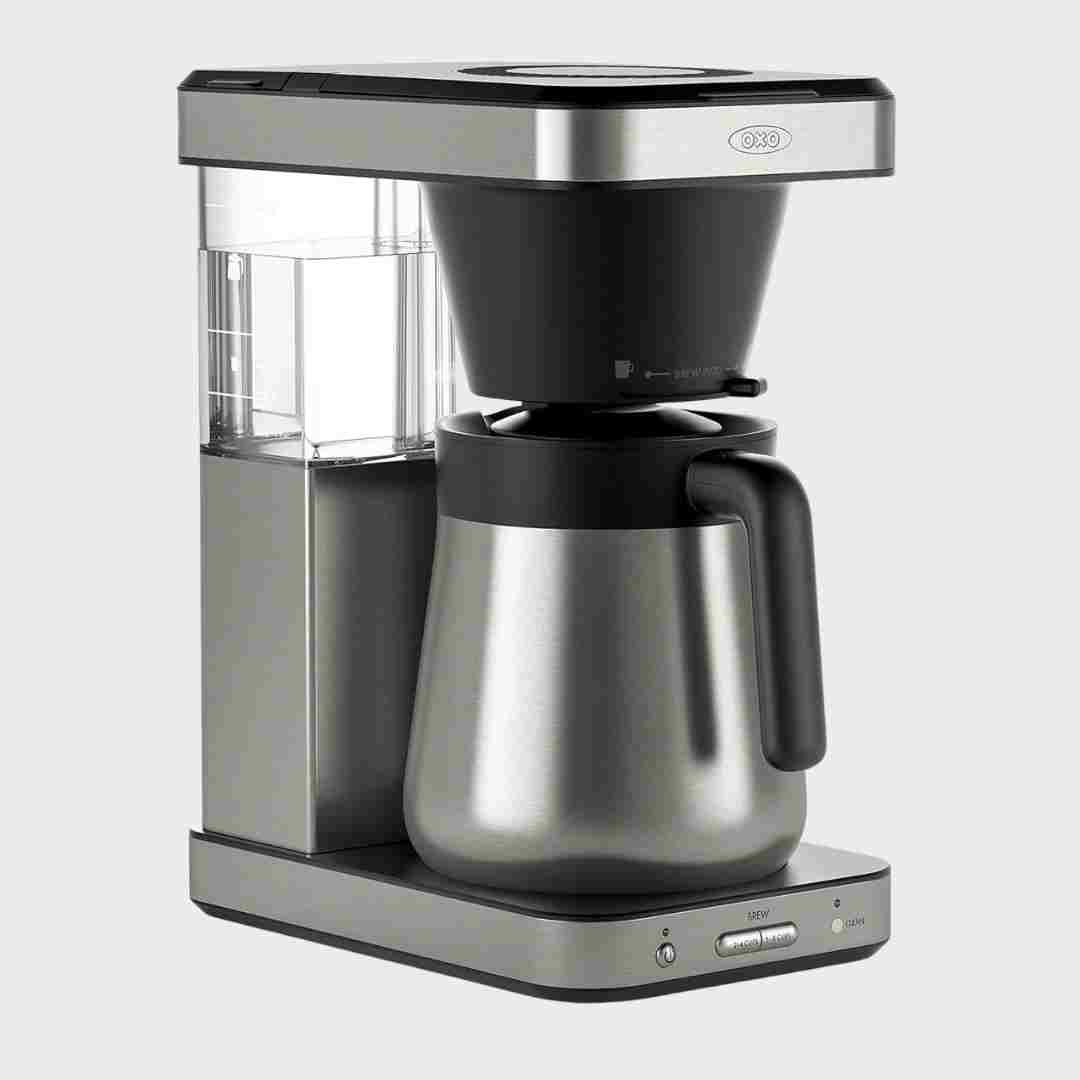
Marketing claims around even dispersion are generally supported by observations that the showerhead-style system wets grounds evenly. Heat retention claims also align with reports of coffee staying hot for hours in a vacuum-sealed thermal carafe.
Marketing-claim accuracy is mixed around brew temperature: one test confirms reaching 200F, while others report lower measured brew temps (around 180F in one test and ~190-195F at the basket in another).
Most comments suggest the machine generally performs as advertised for one-touch drinks and customization, though a few reviewers feel some expectations around cafe-level results or drink temperature can be overhyped.
Claims around hot brewing and faster performance are partly supported by some measured temperatures near 200 F and by Extreme Brew-style speed notes. At least one reviewer measured cooler results than the branding suggests, so expectations should be set around some variability.
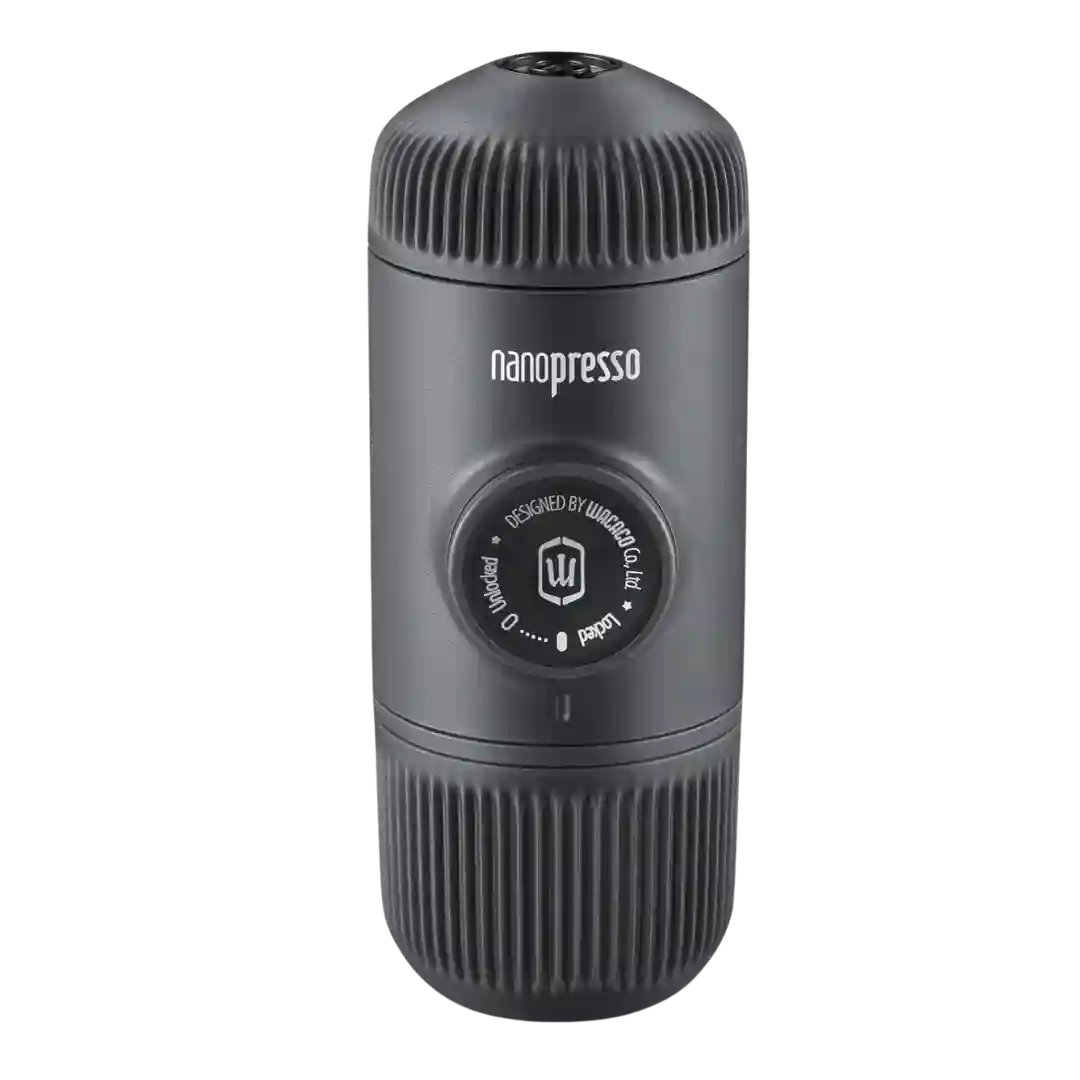
The reviews generally agree the Nanopresso does deliver crema and espresso-like results on the go, but several also say it stops short of matching true coffee-shop espresso.
Most reviewers felt the brewer broadly delivers on its premium positioning, especially around flexibility and batch quality, though some thought the long feature list overstates how useful every mode really is.
When marketing claims are discussed, reviewers tend to agree the headline speed claims can be technically true, but real-world best results still involve warm-up and workflow steps that take longer than the headline number.
Most claims around precision-style brewing, convenience features, and heat retention are supported by hands-on testing, but ultra-strong claims like perfect results for everyone depend heavily on dialing in ratio and taste preference.
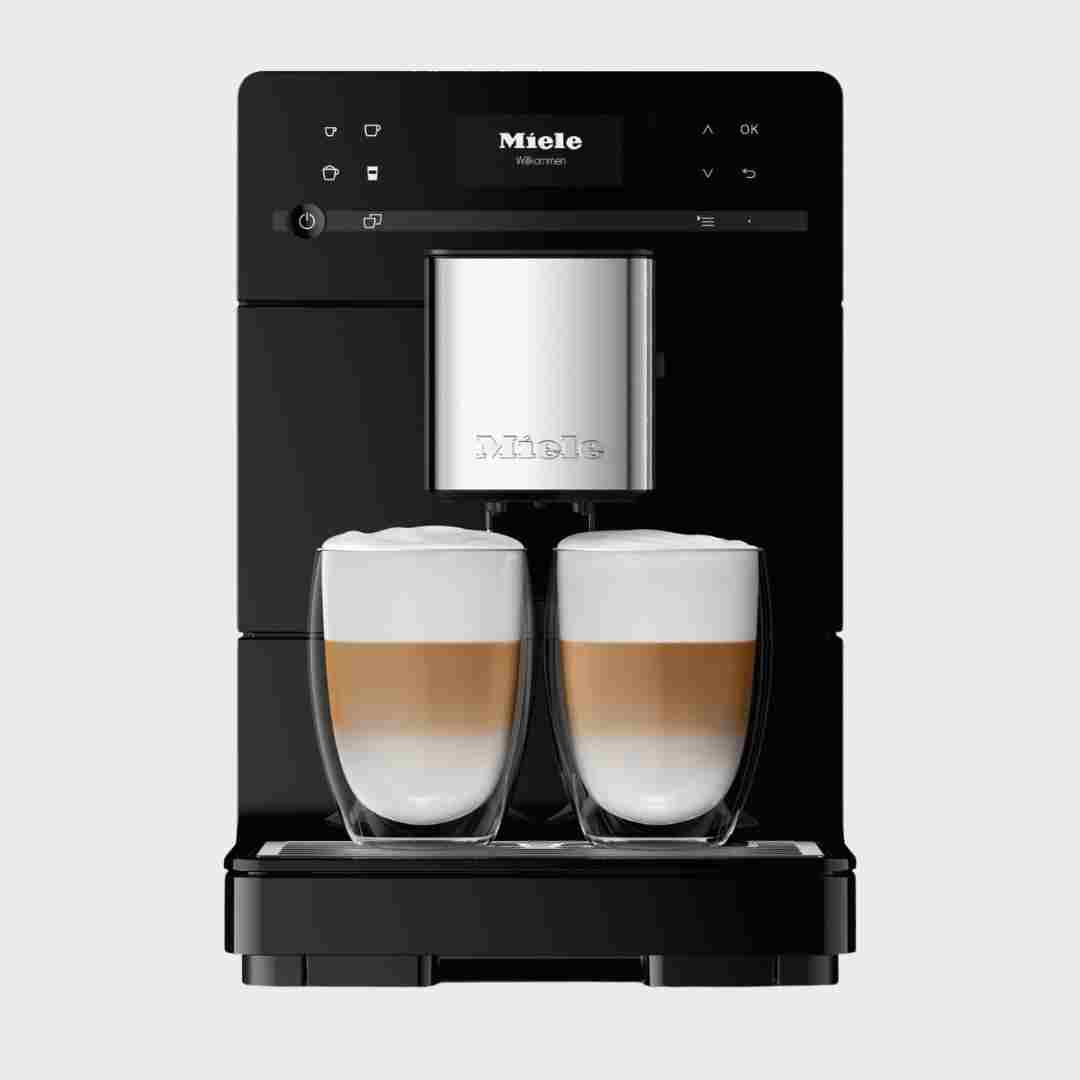
Most claims around one-touch convenience, drink customization, and repeatable espresso line up with reviewer experience. The biggest skepticism centers on a few headline features that feel overplayed, such as the plant-milk foam mode being described as helpful by some but called mostly redundant by at least one reviewer.
Marketing claims are generally treated as directionally accurate for an entry-level machine (compact, fast warmup, high-pressure system), but several reviews note that headline pressure figures don’t translate to commercial-style extraction control. Practical performance depends heavily on basket type and grind quality.
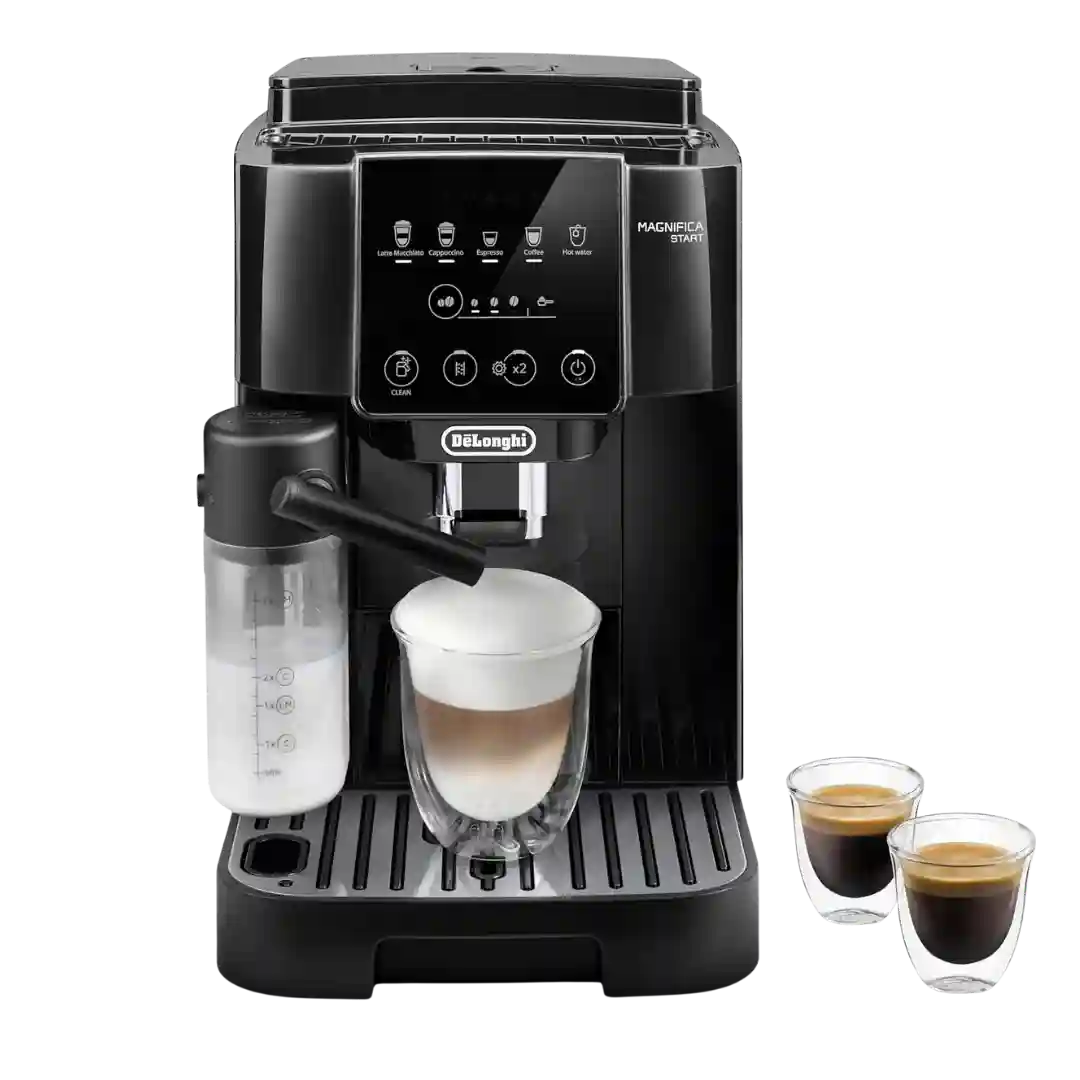
A few reviewers call out marketing/labeling that feels a bit generous, such as counting hot water as a drink preset or implying a true double shot when the machine mainly adjusts water output.
Marketing around guided dialing-in and broad usability is validated by many beginners and mid-level users who get good results quickly. One detailed critique says claims about roast-range compatibility and control can overpromise for edge-case beans and enthusiast expectations.
The review set is mixed here: one reviewer says the machine turned out to be as advertised overall, while another specifically disputes the anti-drip claim based on real use.
Most reviewers feel the machine largely performs as advertised for its class, though marketing numbers like 15-bar pump pressure are often framed as less important than dialing in grind, dose, and tamp for good results.
Most reviews suggest the headline promises around speed, programmability, and cold-brew convenience largely hold up in practice. A minority argue the upgrade is incremental versus earlier Precision models or that marketing overstates the flavor gains in some modes.
The PerfectTemp and Bold positioning gets mixed support: some reviewers feel the Bold option improves strength, while others see little flavor change beyond a slower brew. Temperature-related testing in a few reviews reports brew temps below the classic 195-205 F target, which may not match perfectionist expectations.
Most marketing claims around convenience, profiles, and one-touch milk drinks align with review experiences. The main skepticism centers on iced and cold labeling, with several reviewers describing those programs as closer to standard brewing over ice than a distinct cold-extraction system.
Core marketed features are broadly supported by reviews (programmable timer, auto shutoff, pause-brew, keep-warm hot plate). Where expectations can diverge is around cup-count conventions and how strong/uneven the first cup can be if you interrupt brewing, which affects perceived consistency versus claims.
At least one detailed review calls out overstated or confusing marketing around touch or app capabilities and optimistic filter cup-count claims, while other reviews find the basics broadly match expectations.
Marketing around 'cup' capacity can be misleading because the marked cup volumes are smaller than typical mugs, and brewed output can land below the fill line due to absorption. Expectations for premium robustness also vary versus the price.
One review notes a packaging/labeling mismatch that implies some specs are overstated or unclear (for example, materials called stainless when a part is aluminum). Separately, reviewers agree the headline speed claims are real, but the best taste still depends on technique like flushing and warming components.
Performance claims are mostly directionally supported (hot water and fast brewing), but the headline 14-cup labeling and wattage can read as optimistic depending on how cups and power are measured.
Some reviewers call out marketing language around the 'display' (often just backlit buttons) and note that 'automatic milk cleaning' mainly rinses the spout, with manual cleaning still required; a few also note brand-leaning guidance on proprietary descaler.
Marketing/label accuracy is mixed. One measurement-focused review suggests the 12-cup labeling does not align cleanly with tested fill volumes, while other coverage presents the 12-cup/96-oz capacity as straightforward.
Marketing is mostly aligned with day-to-day use, but capacity labeling is a common gray area. Reviews point out that 12 cups refers to smaller cup sizes and that fill markings can feel inconsistent depending on how you measure.
Several reviews question marketing language around 20-bar pressure and features like PID or a 3-way solenoid, emphasizing that real brew pressure depends on puck resistance. The machine can still perform well, but spec claims should not be taken as pro-level guarantees.
Marketing terms like AromaMax and SensoFlow are frequently described as vague; skeptical reviews point to temperature and extraction results as evidence the claims do not translate into noticeably better coffee.
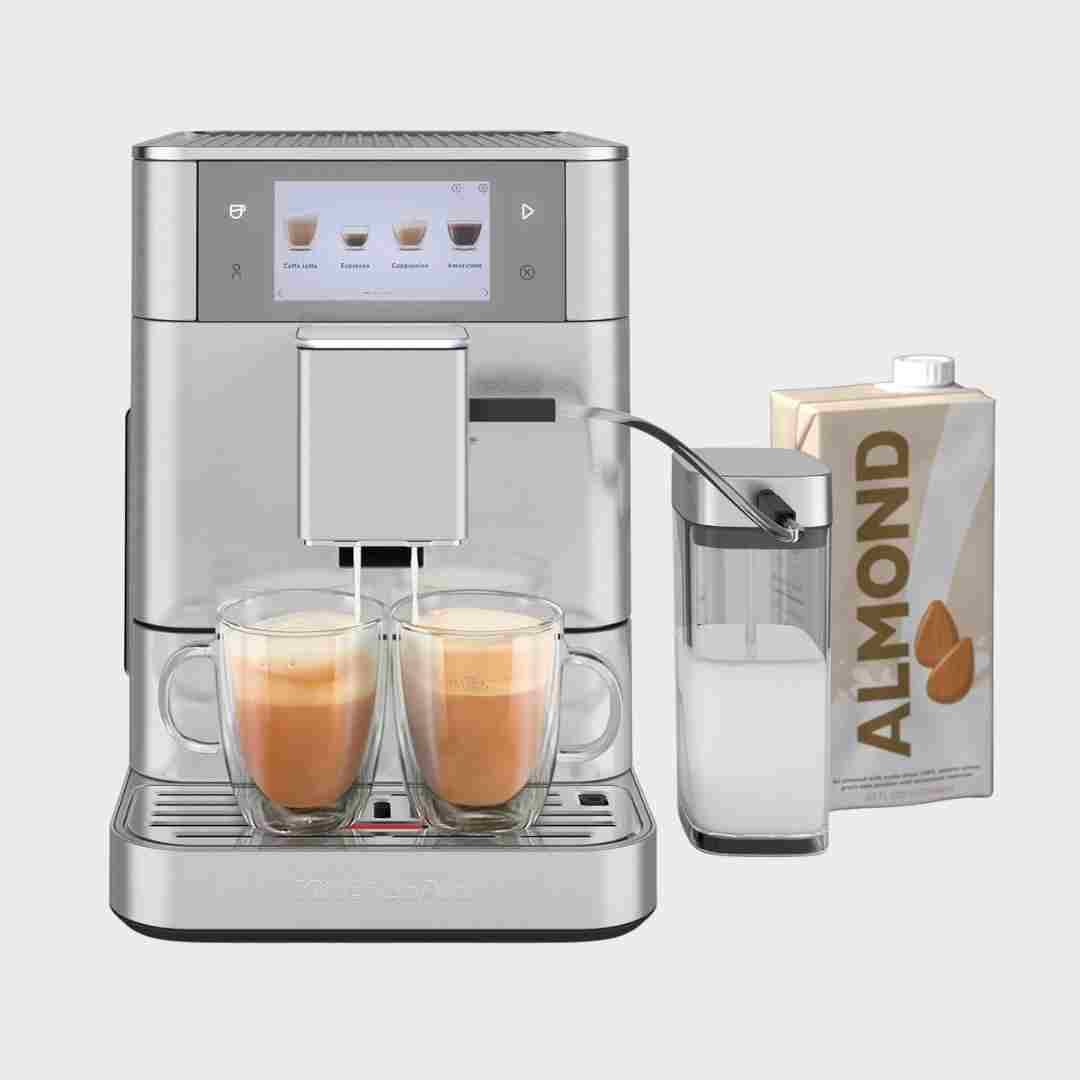
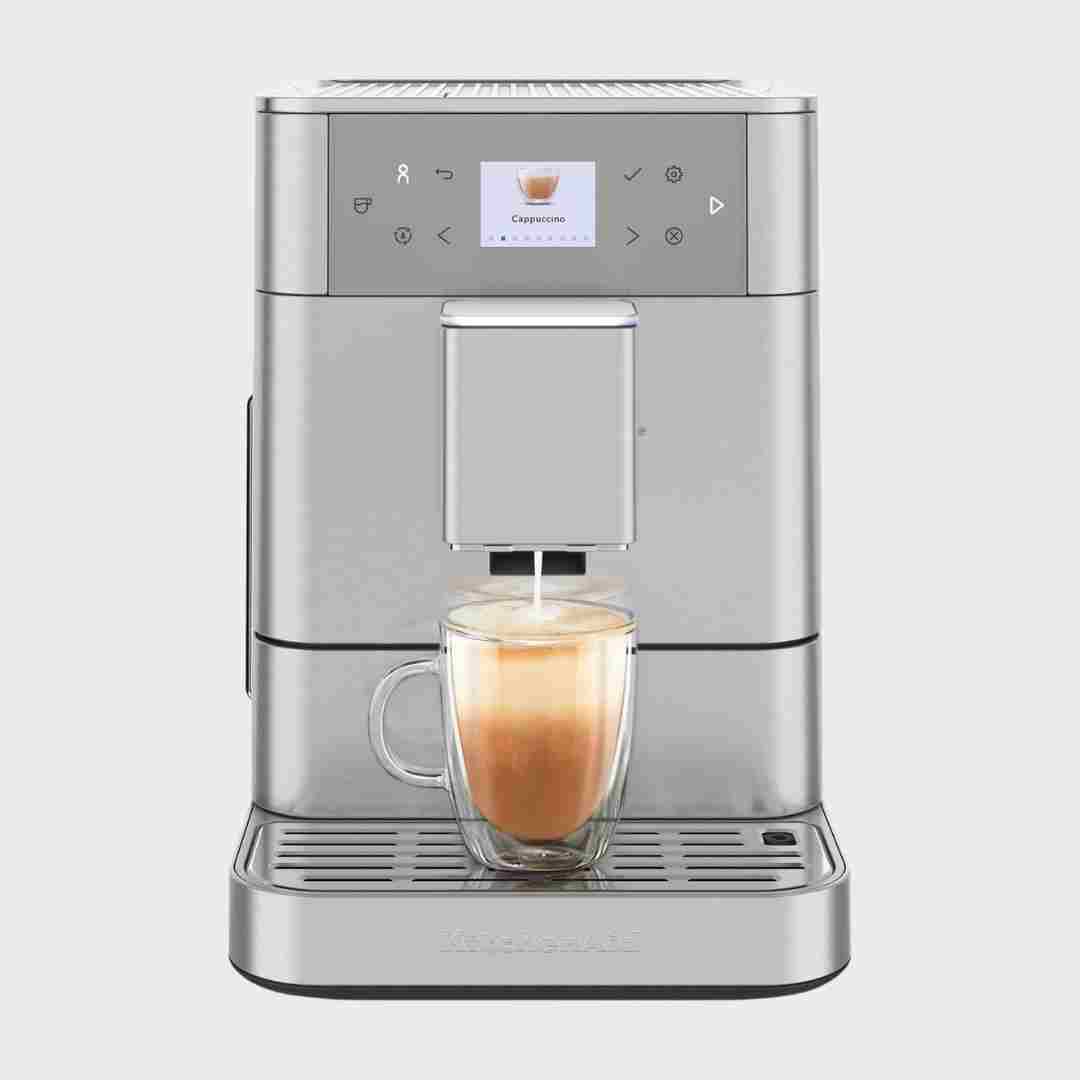
One review argues the advertised 15 recipes overstates the practical reality, since the KF6 offers seven core coffee drinks plus hot water, warm milk, and size variations.
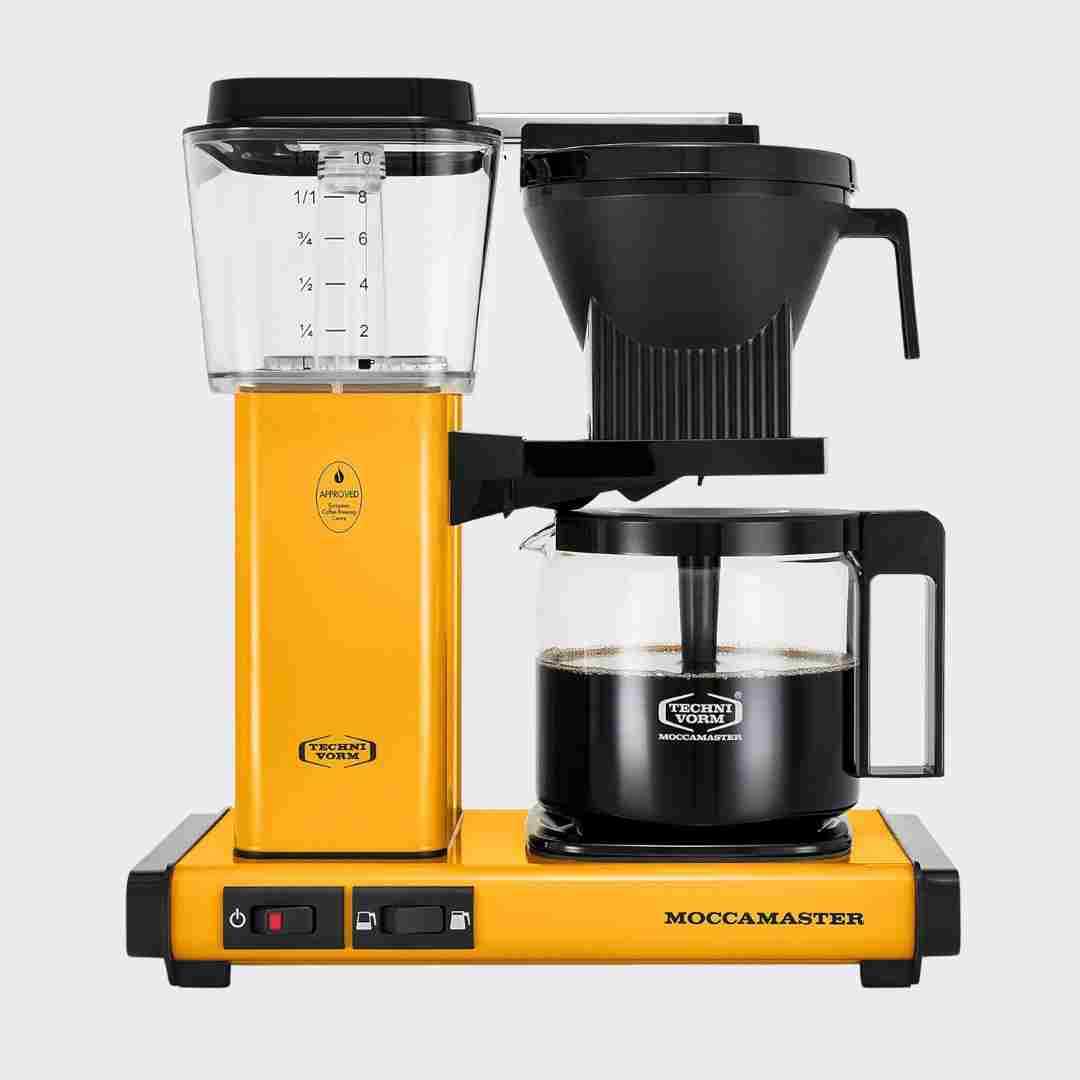
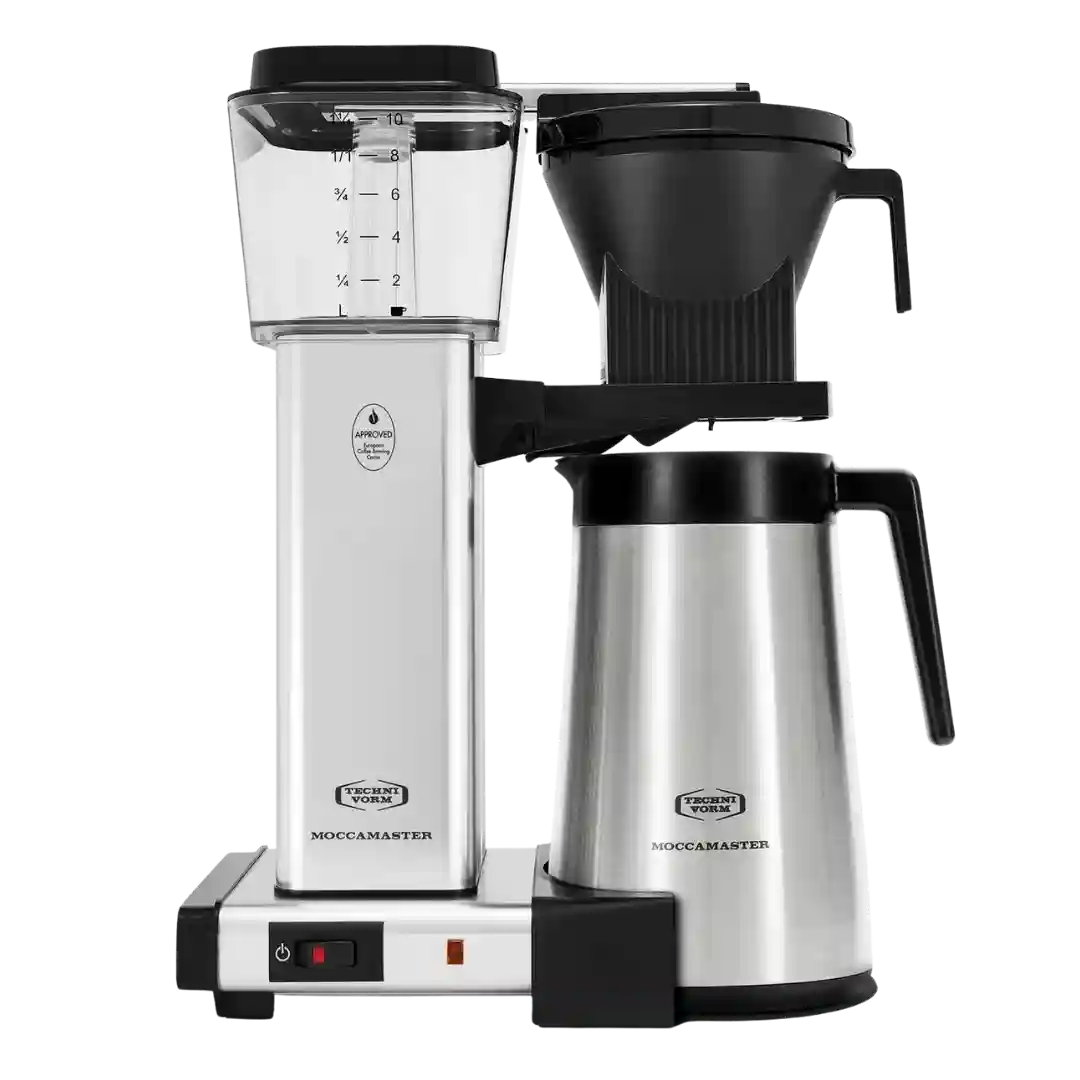
Cup-count marketing is a common pain point: several reviews describe the brewer as labeled 10 cups, yet feeling closer to 8 larger cups in real use, which can create mismatch between expectations and output.