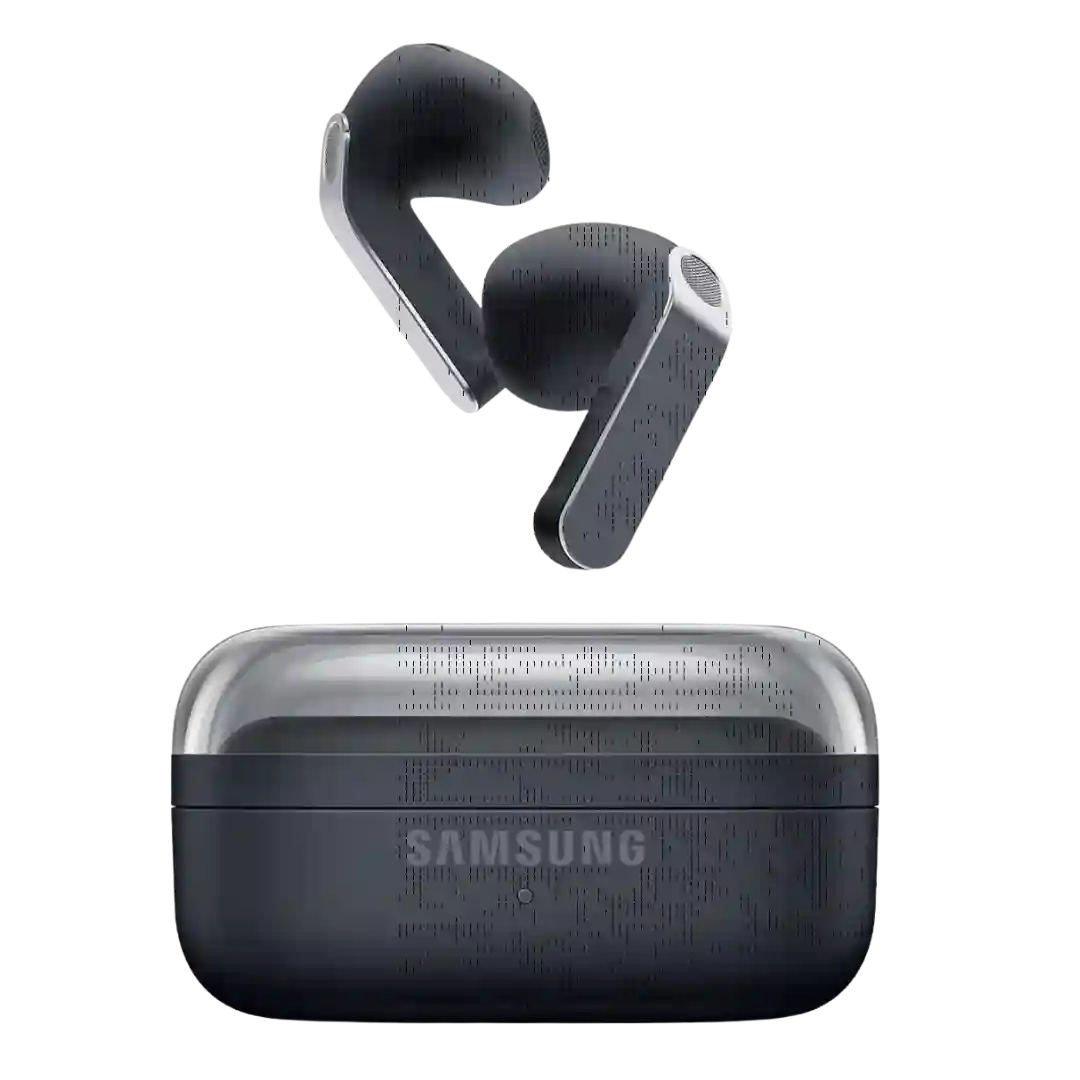
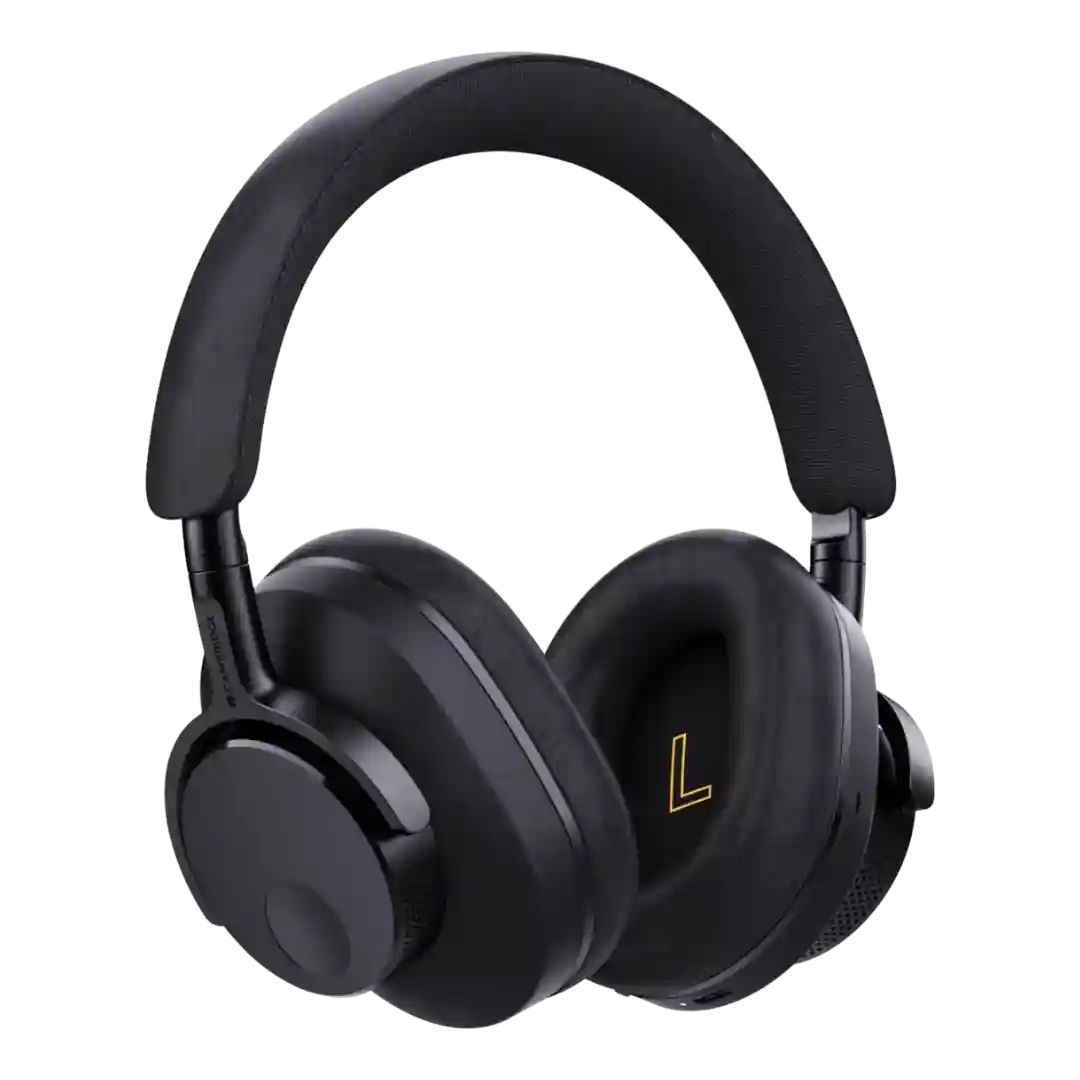
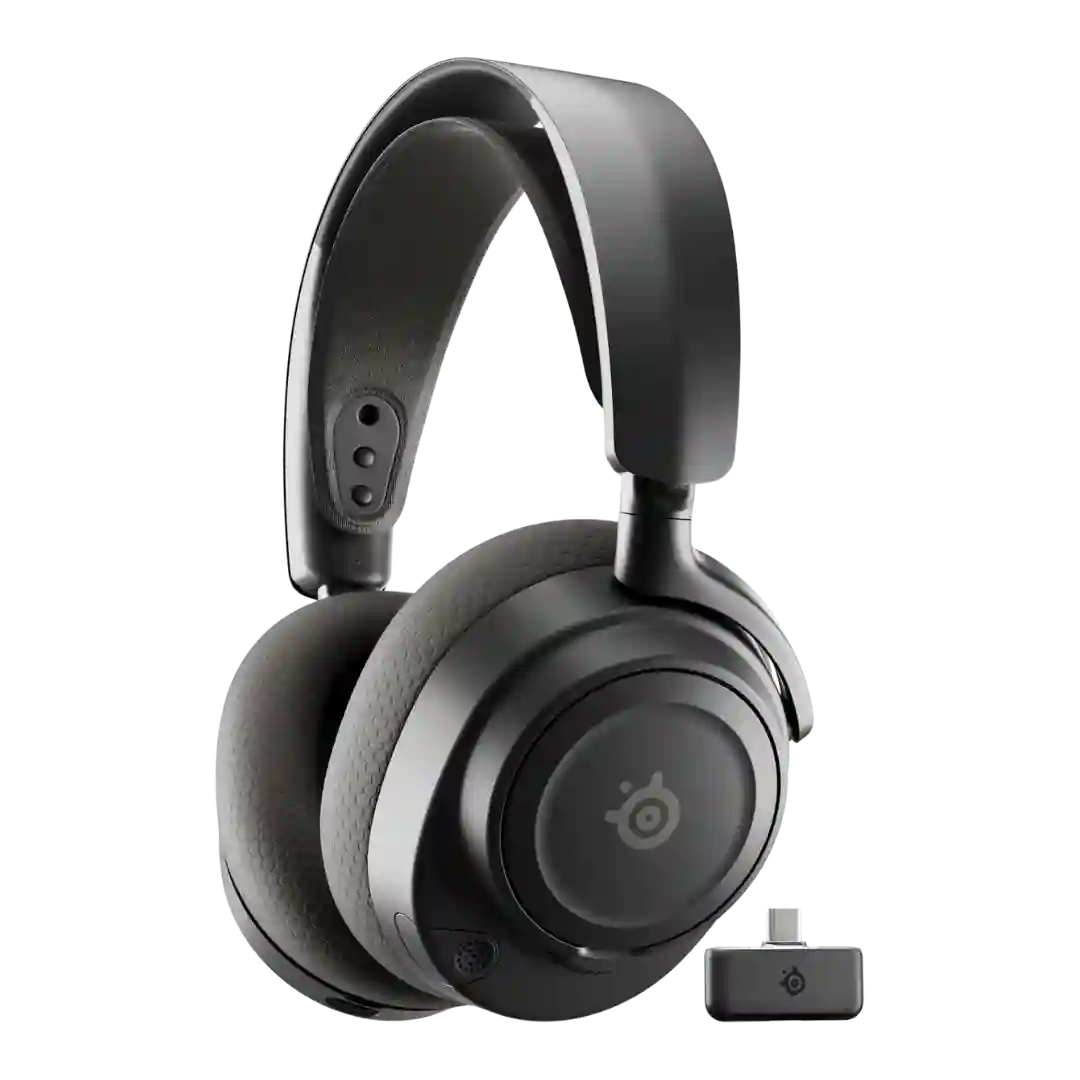
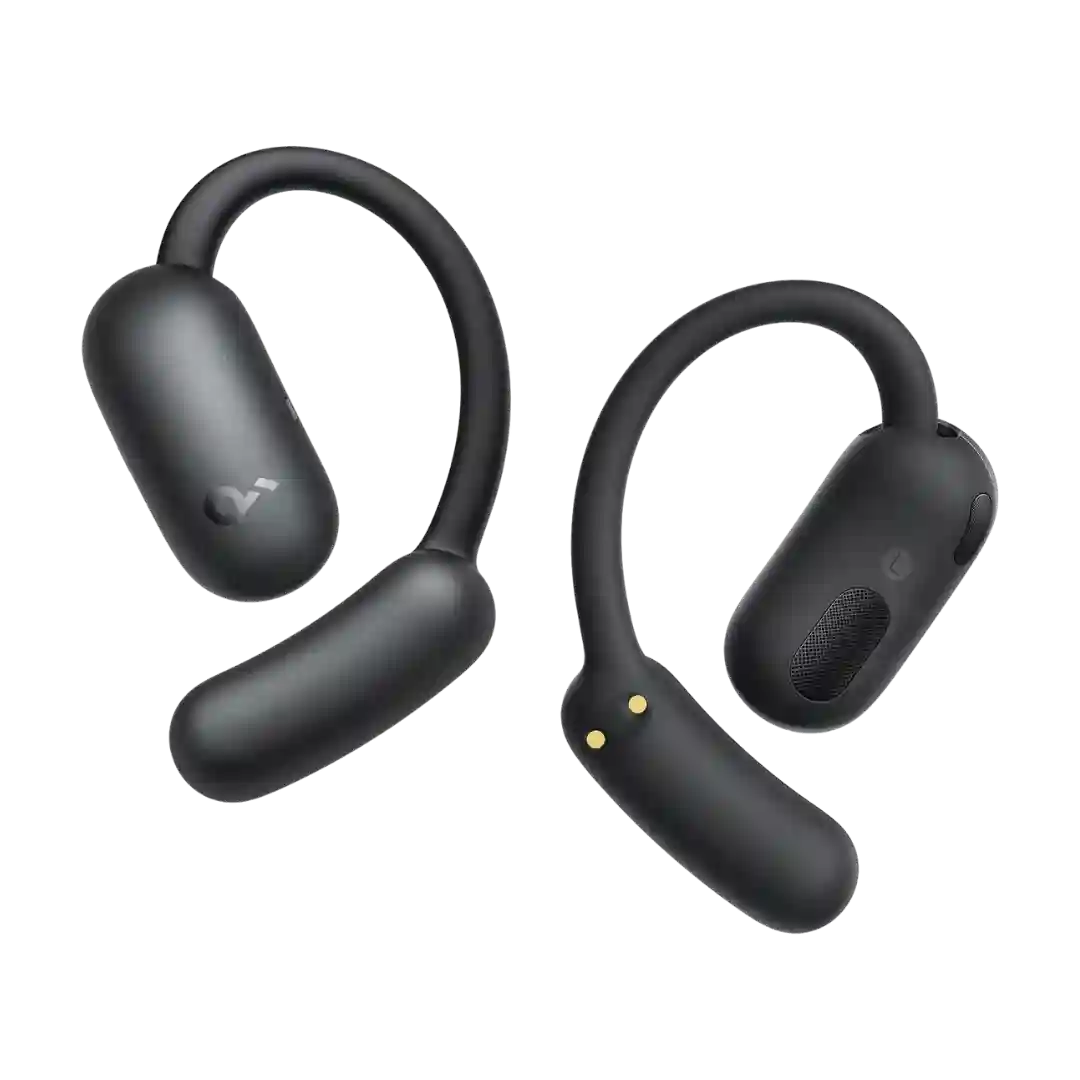
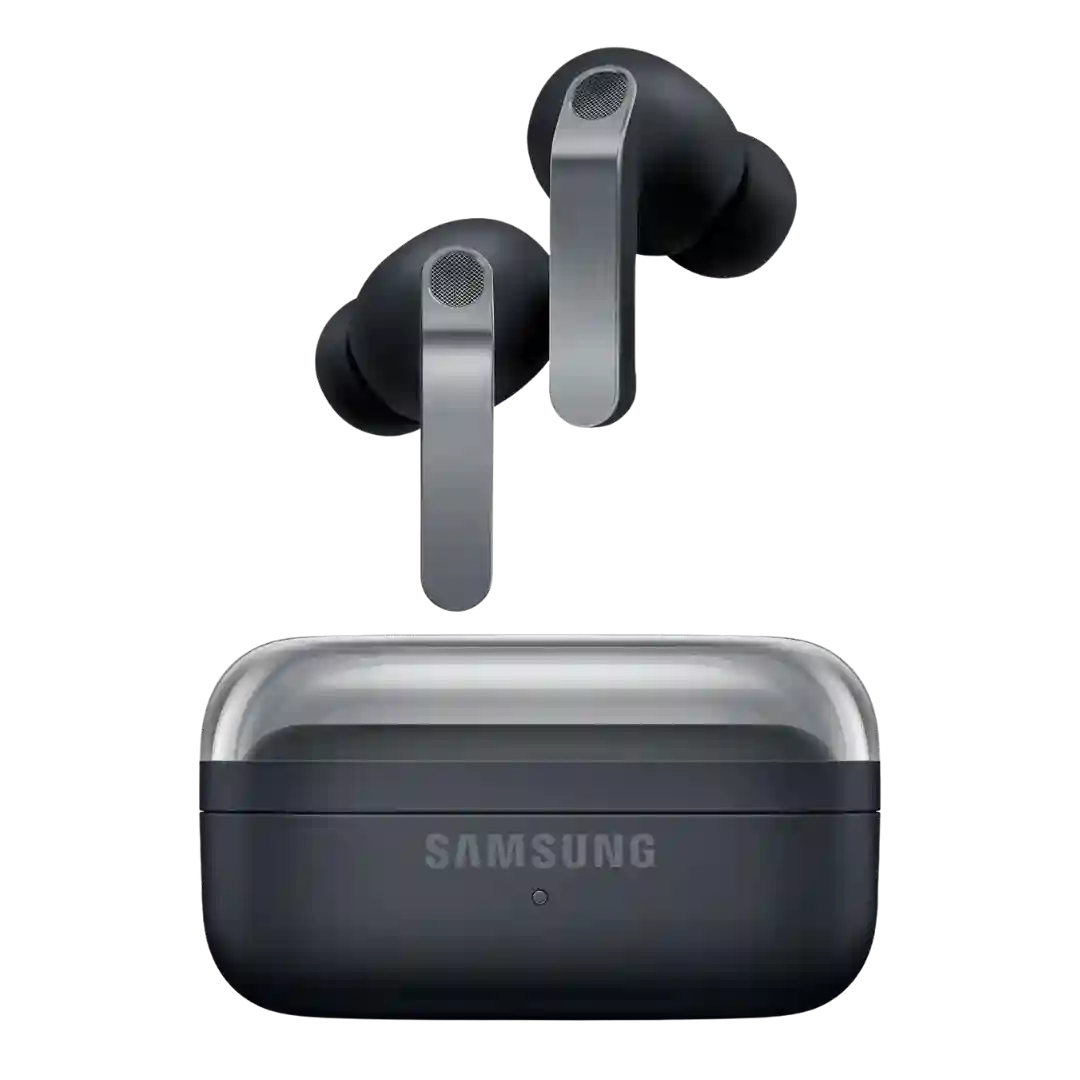
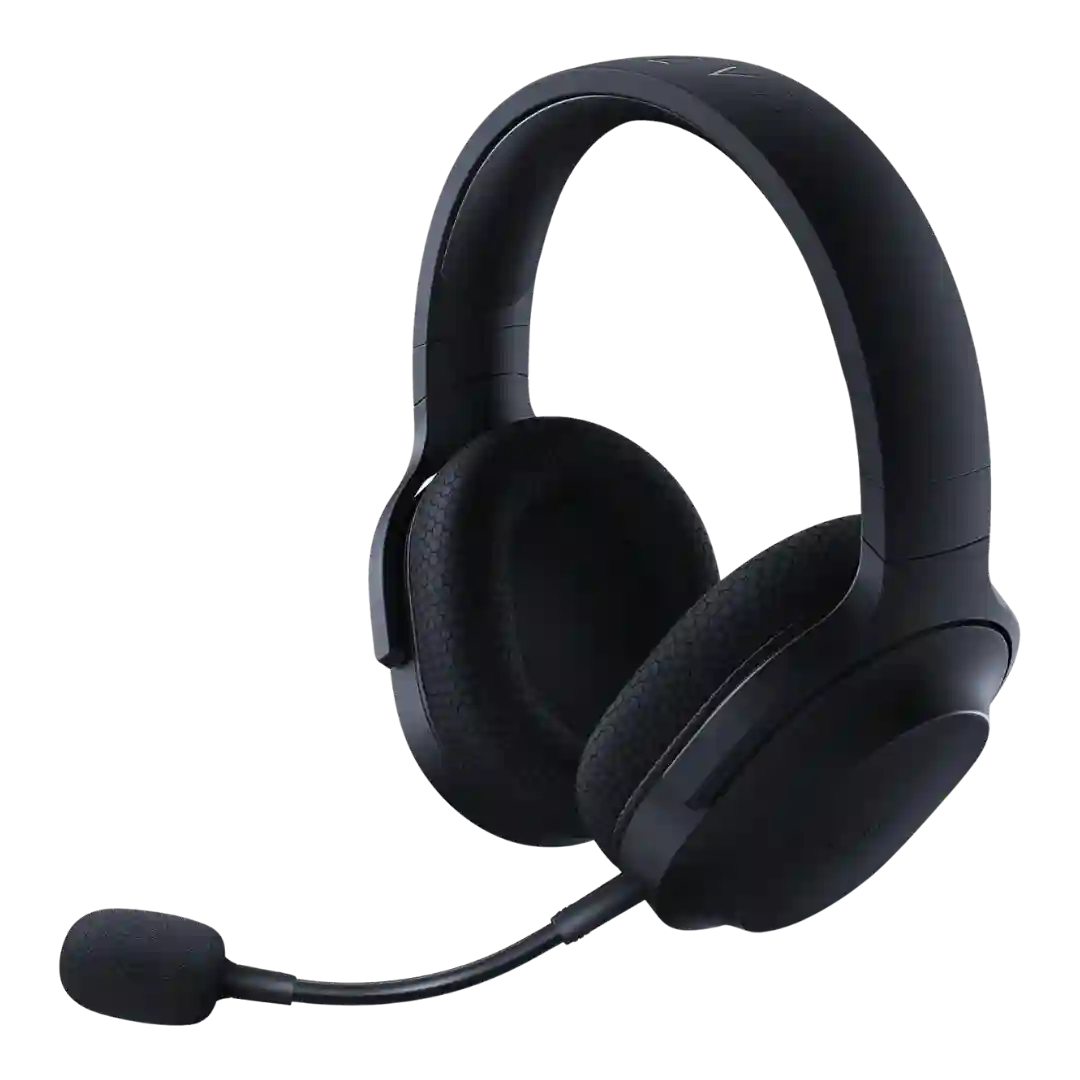
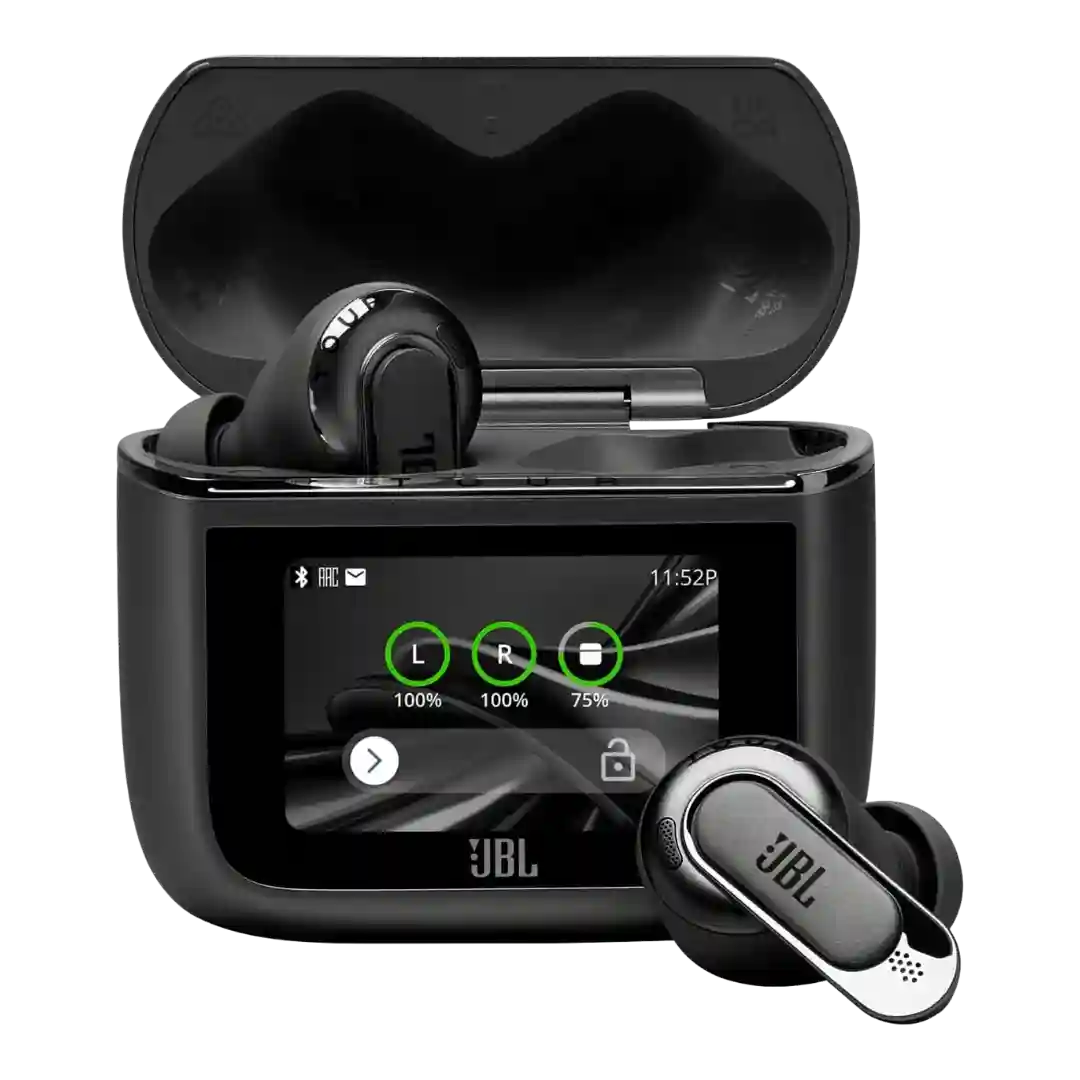
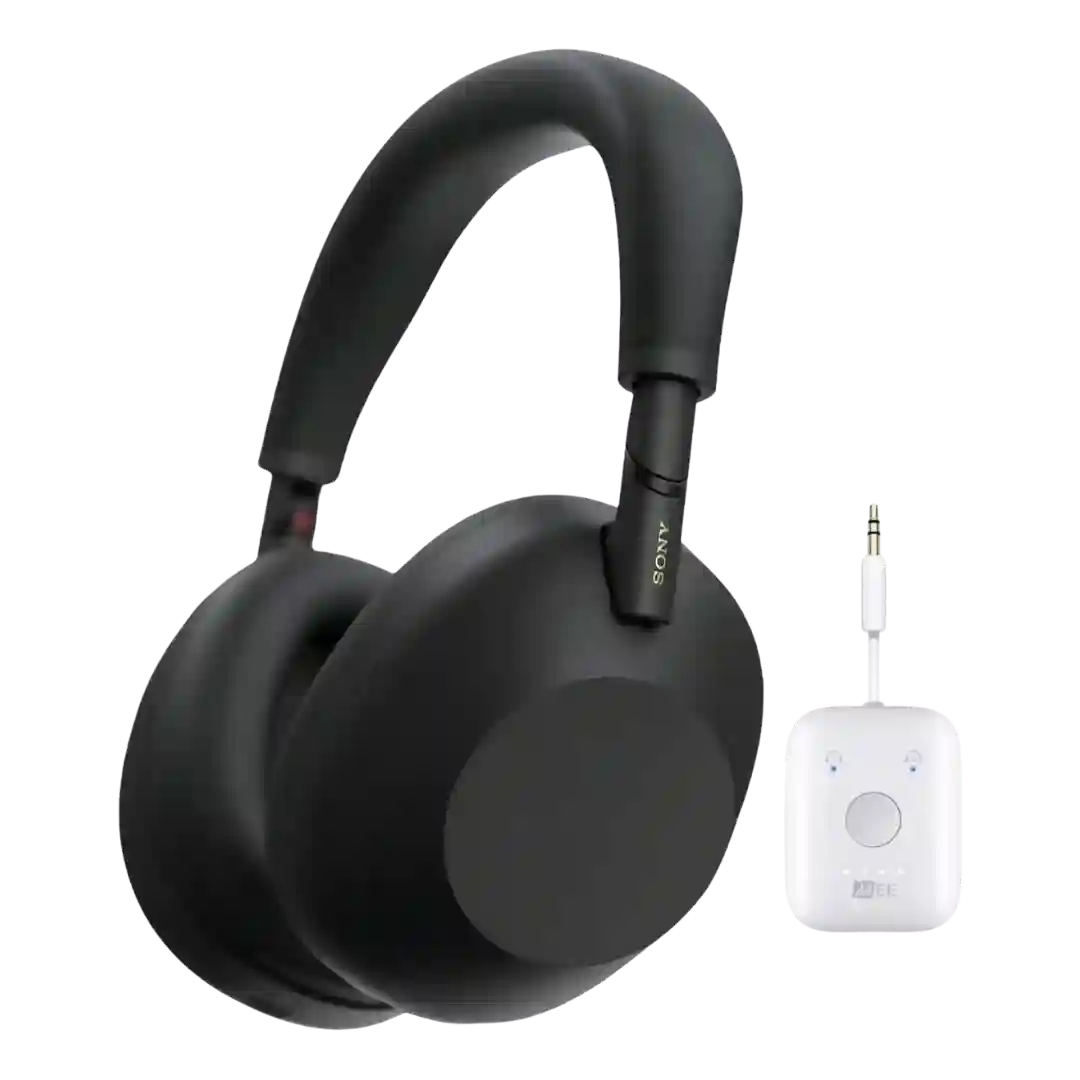
Android support is repeatedly framed as a strong use case, with modern Bluetooth features and higher-quality codec options that cater well to Android ecosystems.
Android support is repeatedly described as strong, with easy pairing and the best codec features (aptX family) available on compatible Snapdragon phones.
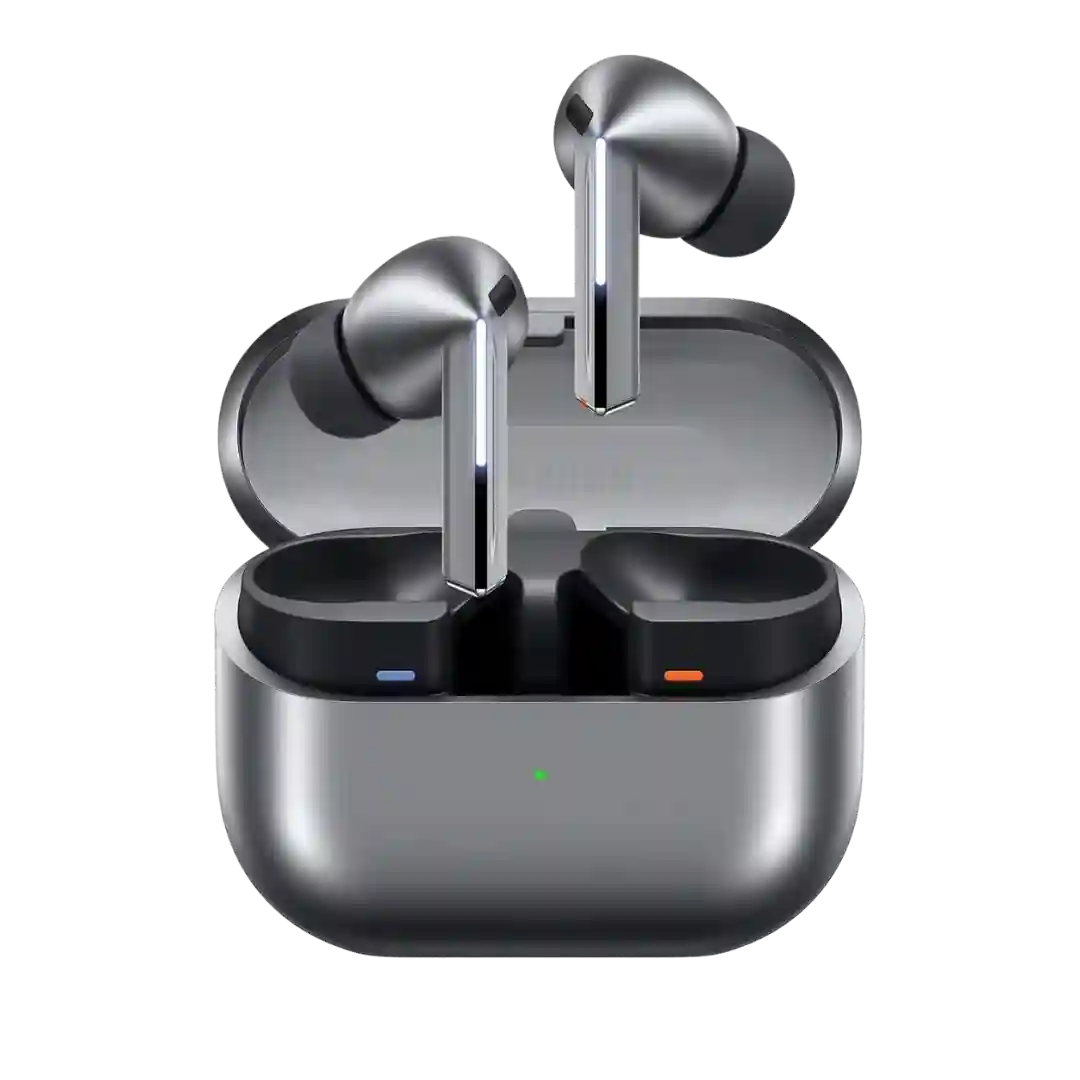
Android compatibility is strong, and Galaxy phones get the most complete experience. Non-Samsung Android users still get meaningful control through Samsung's software, but the best extras remain Galaxy-first.
These earbuds pair especially well with Samsung and Android devices, and many reviewers frame that ecosystem fit as one of the product's biggest selling points.
Android users get the most obvious upside through LDAC support and Fast Pair-style conveniences, and several reviews specifically cite Android phones during testing. Compatibility is generally smooth, and features feel most complete on Android.
Android users get strong support via Fast Pair and LDAC hi-res options, and several reviewers note Android is the better match if you care about Sony codecs and deeper app features.
Android support is generally treated as straightforward Bluetooth compatibility; where mentioned, reviewers note it can pair with Android phones like any standard Bluetooth headset.
Android compatibility is frequently highlighted as the best match for this product, since Android devices can access more codecs and future-facing features. Most reports describe stable performance on Android, with fewer issues than on iOS in some tests.
Compatibility is framed as mainstream-friendly across phones and computers via Bluetooth and a 3.5mm jack; Android-specific advantages are primarily discussed in the context of codec support in one source.
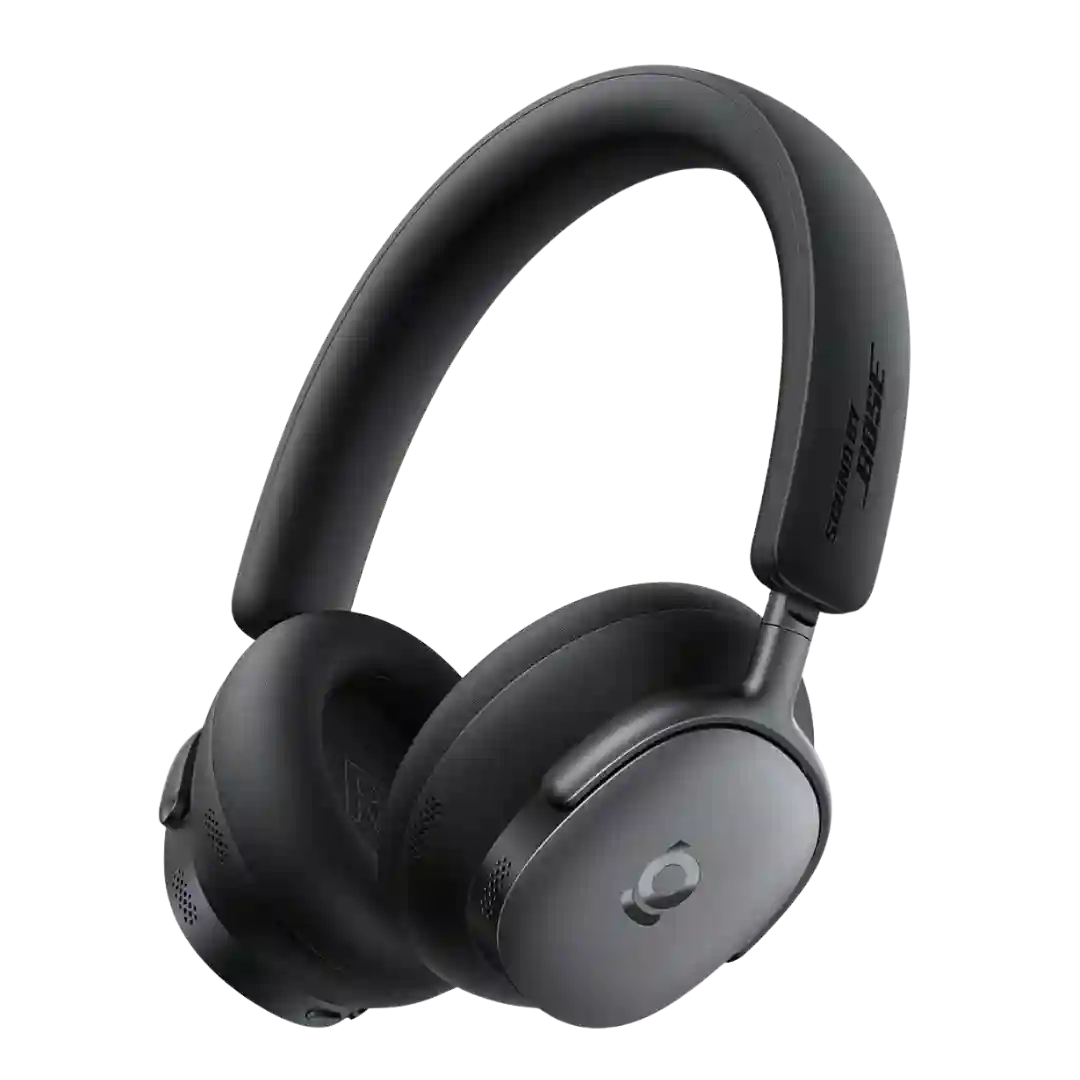
Android support is strong thanks to Fast Pair, broad feature access in HeyMelody, and LHDC availability on compatible phones. Non-OnePlus Android devices may need the app for full control.
Compatibility and feature completeness are repeatedly framed as best on Samsung Galaxy phones (and often Samsung tablets/TVs), acceptable on other Android phones with some limitations, and highly restricted on iPhone.
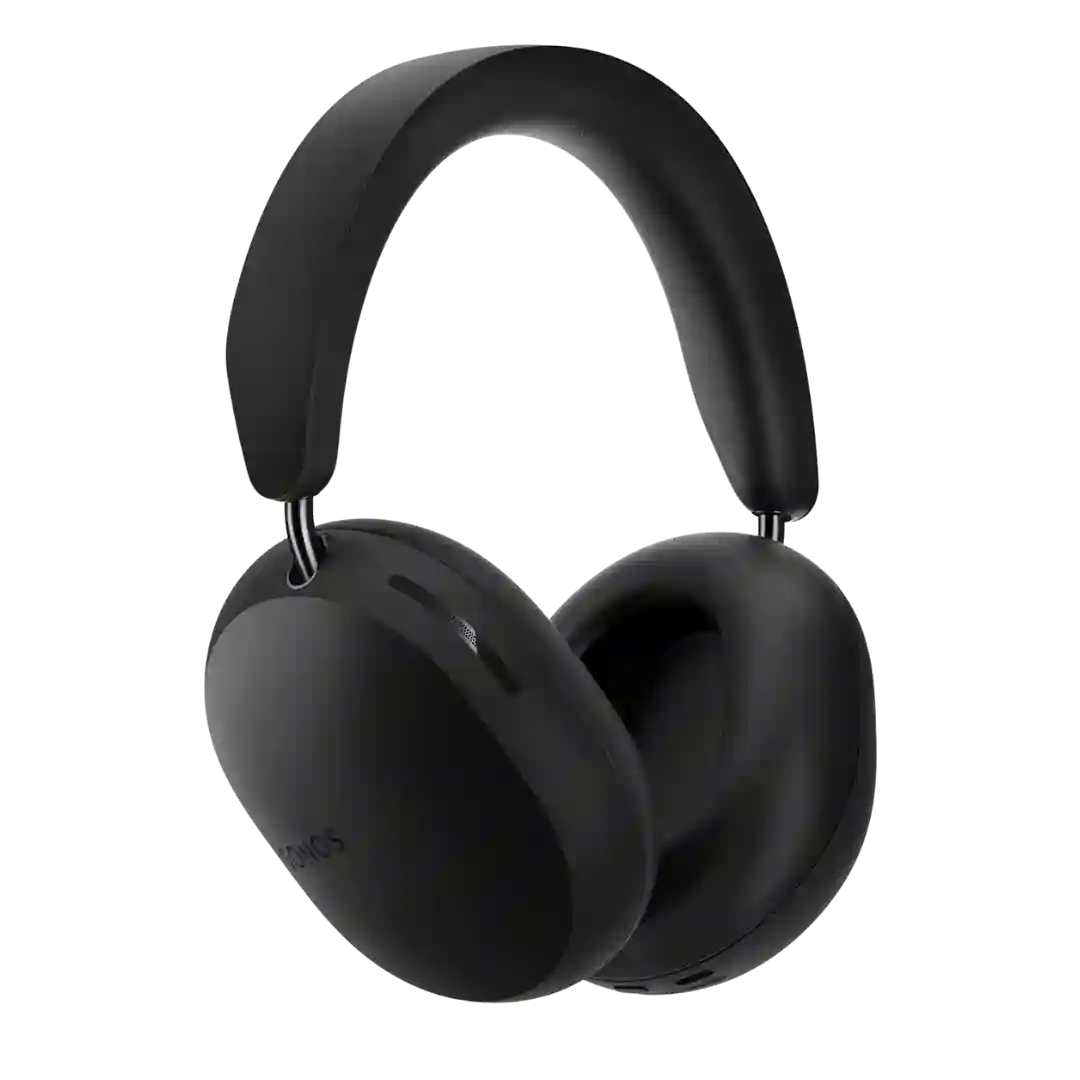
Android compatibility is generally solid, and Android users get the biggest upside from aptX Lossless and broader codec support. Some Sonos home-theater features started iOS-first, but later updates expanded support according to reviewers.
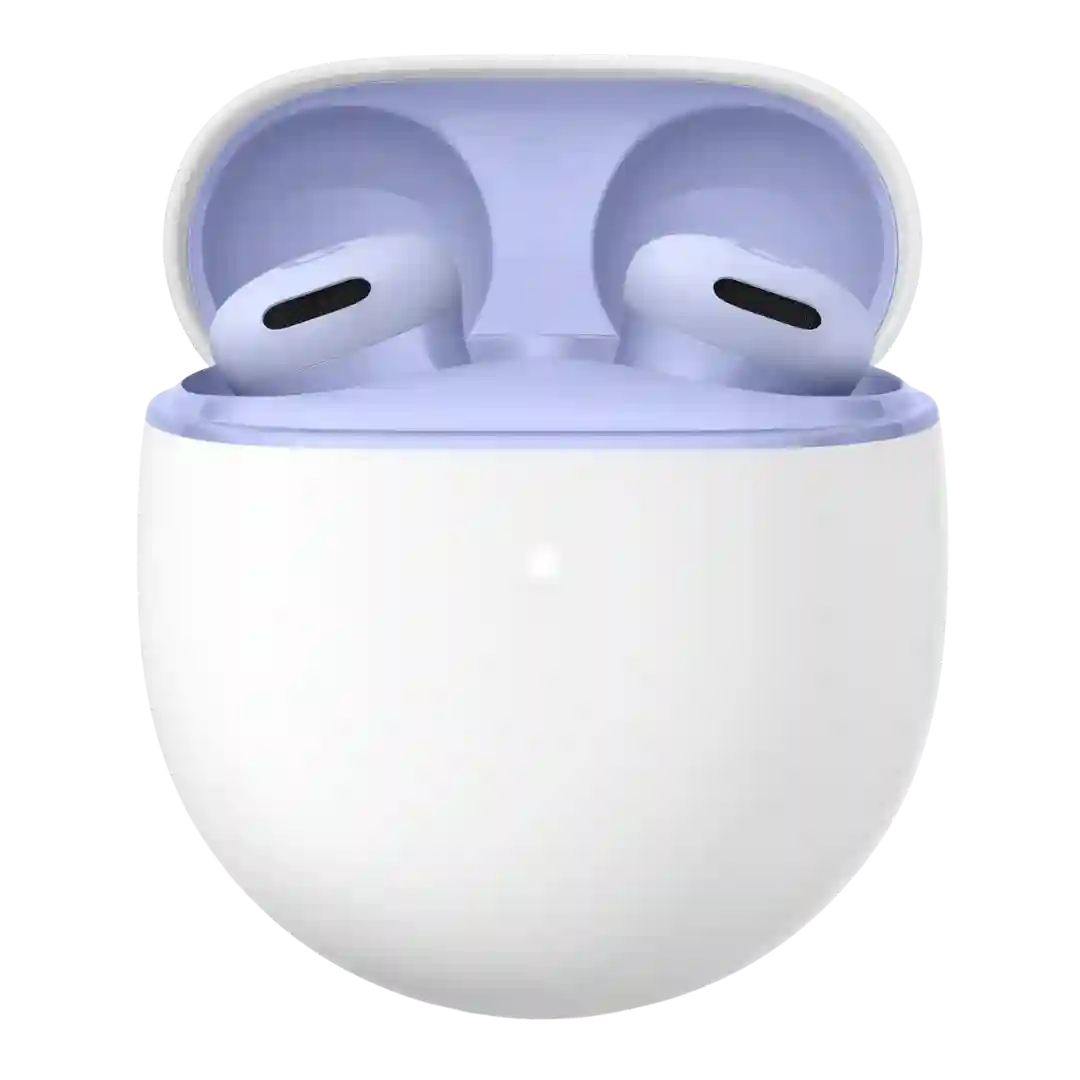
Android support is repeatedly called a highlight thanks to Google Fast Pair and helpful multi-device behavior within Google-linked devices. Android users still face codec limitations and the same lack of adjustable EQ.
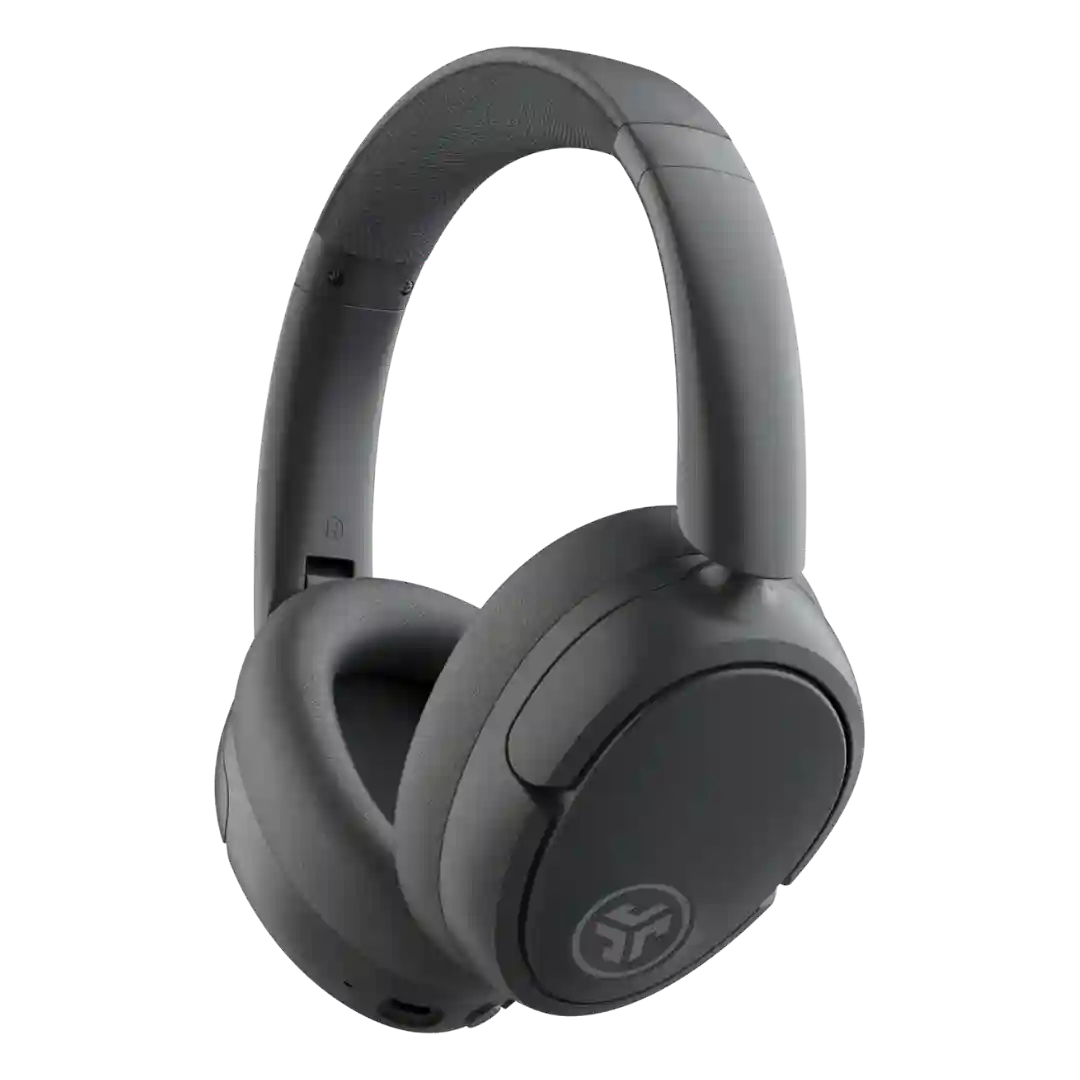
Android compatibility is repeatedly implied through app availability and real-world pairing on Android phones, with no major platform blockers called out.
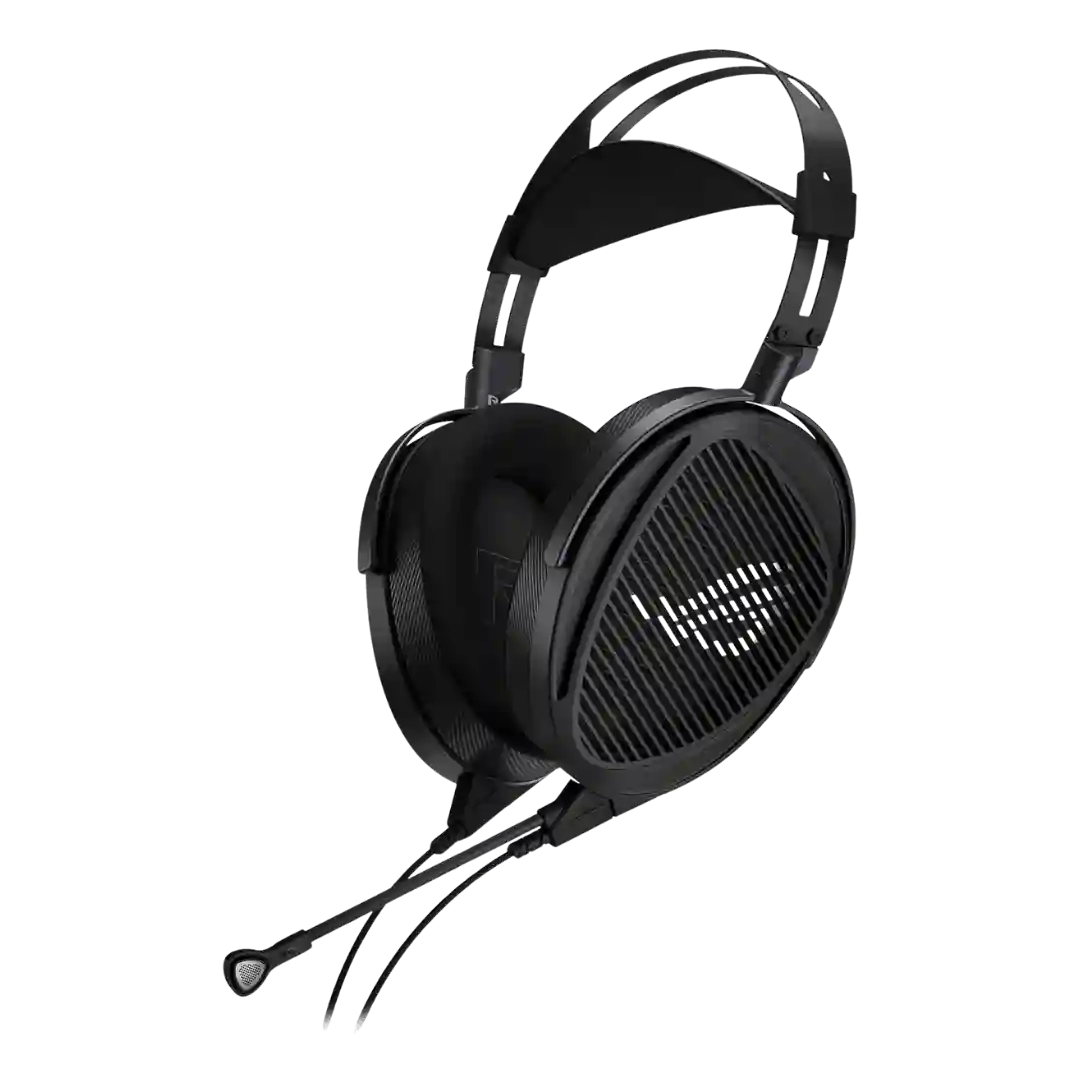
Works on Android over Bluetooth and supports the Swarm II mobile app, but several advanced audio features are PC-centric and mobile options can feel limited.