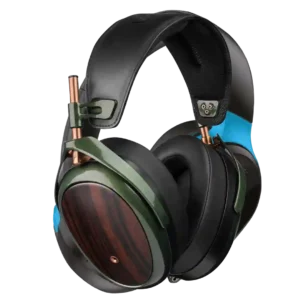
- Better: LDAC and case CNET notes the 1More SonoFlow has LDAC and a hard case at a lower price.
- Better: tonal realism The reviewer says the Sony lacks the uncolored realism of the 1More Sonoflow.
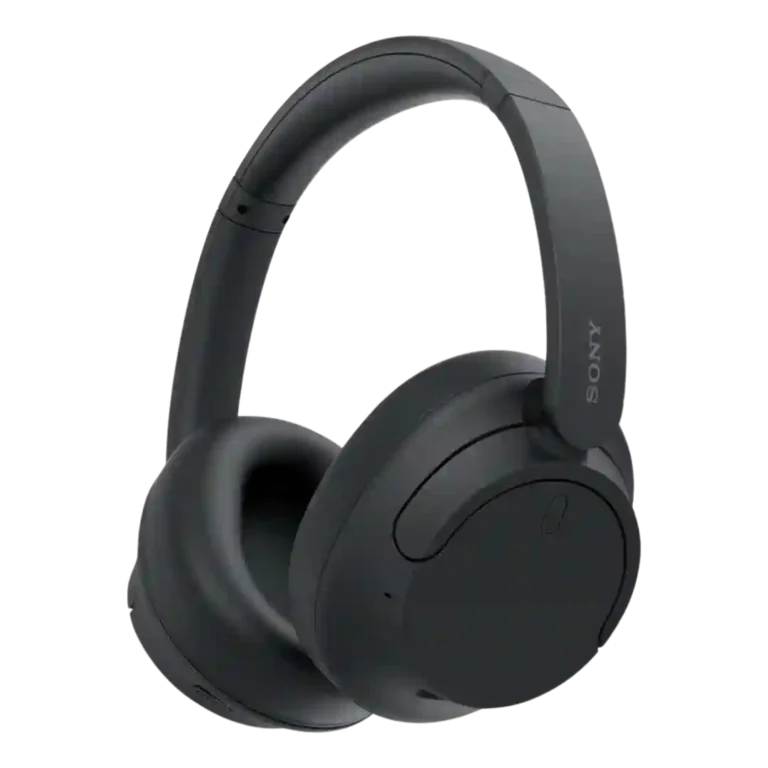
Sony WH-CH720N Wireless Headphones Review
Bottom Line
Choose the Sony WH-CH720N for lightweight comfort, long battery life, strong value and adjustable Sony app sound. Skip it if you need premium build, class-leading ANC, hi-res codec support, or a case for rough travel.
Best for budget-conscious listeners who want very light over-ear ANC headphones for commuting, desk work, calls, and casual music. The app EQ and long battery life make them especially appealing for users who want adjustable sound without paying flagship prices.
Not for buyers who need premium materials, fold-flat travel durability, class-leading ANC, hi-res codec confidence, or automatic wear detection. Several reviewers also warned that bass, mids, separation, and call noise reduction can fall short of higher-end options.
Across the reviews, the Sony WH-CH720N comes across as a comfort-and-value play more than a miniature flagship. Reviewers repeatedly praised the featherweight fit, long battery life, useful app EQ, and enjoyable sound for the price, especially once tuned. The main tradeoff is that Sony’s cost cutting is obvious: several reviewers called out plasticky construction, limited accessories, no wear detection, and no real hi-res codec story. ANC lands in the useful middle ground, cutting everyday rumble and commute noise without matching Sony’s premium models or the best alternatives. Sound is generally fun, warm, and detailed enough for casual use, but bass can get boomy, mids can recess, and separation or dynamics lag behind pricier headphones.
Compared in Reviews
Products reviewers directly compared with this model, grouped into quick takeaways.
- More expensive: price TechRadar notes the Sony WH-1000XM5 costs more than three times as much.
- More expensive: price tier The reviewer frames the Sony as a cheaper option than the WH-1000XM5.
AKG NC60NC
- Better: tonal realism The reviewer says the Sony lacks the uncolored realism of the AKG NC60NC.
Feature Scorecards
Summary
82 reviewed features- Very positive 4.5-5.0 17% 14 features
- Positive 3.5-4.4 44% 36 features
- Neutral 2.5-3.4 22% 18 features
- Negative 1.5-2.4 10% 8 features
- Very negative below 1.5 7% 6 features
Pros
-
Charging was strongly praised, especially the quick-charge behavior that several reviews highlighted as fast and useful.
-
Low weight was a standout comfort advantage, with several reviewers emphasizing how light the headphones feel on the head.
-
Headband padding received limited but very positive evidence, with one reviewer calling the padding excellent.
-
USB-C was praised as a modern and useful charging standard, with fast charging mentioned in one video review.
-
Battery life was a major consensus strength, with reviewers praising the 35-hour-plus ANC endurance and long real-world playback.
-
Immersive audio was one of the stronger technical positives, with reviewers praising 360-style spaciousness or high immersiveness.
-
EQ customization was one of the strongest feature wins, repeatedly described as effective, useful, and capable of improving the sound.
-
Reviewers generally found ANC did not damage the listening experience, with no major fatigue or radical sound shift reported.
-
Comfort was one of the strongest areas, with reviewers repeatedly praising the light fit for long sessions, commuting, and desk use.
-
Bluetooth stability was a strength in the reviewed evidence, with stable connections and no signal interruptions reported after setup.
-
Preset EQ profiles were praised in the two scored reviews for improving bass energy while keeping clarity under control.
-
The available evidence on ANC sound-signature impact was positive, with one reviewer saying ANC did not radically alter the sound.
-
Auto-off was praised as helpful for preserving battery life.
-
Sound leakage evidence was limited but positive, with one review saying leakage was minimal.
-
Clamping force was broadly well judged: secure enough to stay put but usually gentle enough for comfort.
-
The Sony app was a major positive, offering EQ, modes, setup controls, and added features, though some setup friction appeared.
-
Value was one of the strongest consensus positives, especially when the headphones were discounted below full retail.
-
Overall recommendations were mostly positive, especially for budget buyers who accept build and ANC compromises.
-
Smart listening features were received positively where tested, especially adaptive sound behavior and location/activity-based adjustments.
-
The 3.5mm input was viewed positively as a useful fallback for wired listening.
-
Multipoint was repeatedly treated as a useful quality-of-life feature, with several reviewers praising device switching or dual-device use.
-
Physical buttons were usually praised for reliability and ease, though some reviewers found the similar button shapes confusing.
-
Design was generally seen as clean, minimalist, and better than expected for the price, though not premium.
-
Advanced software features were a selling point overall, though one review emphasized that these are not loaded like Sony flagships.
-
Transparency mode was one of the better-received features, with reviewers calling it transparent or effective despite some hiss or limits.
-
The headphones were described as discreet, slim, and subtle enough for public wear.
-
Bluetooth 5.2 was described as competitive in the reviewed evidence.
-
Connectivity options were positively viewed where reviewers emphasized both wired and Bluetooth listening.
-
Wired listening was useful in a pinch, and one reviewer heard no major sound-quality penalty when using it powered on.
-
Headband adjustability received limited but positive evidence, with one reviewer calling the extension sturdy.
-
Integrated microphone evidence was positive in the limited scored review, with speech remaining clear enough in office use.
-
One review praised clarity at high volumes, saying the sound stayed clear rather than muddy.
-
Multi-platform compatibility was positive in limited evidence, especially for users connecting a phone and PC through multipoint.
-
Fit stability received limited positive evidence, with clamping force keeping the headphones in place.
-
Sustainability and repairability received limited positive evidence tied to long battery life reducing replacement frequency.
-
Voice-assistant integration received limited positive evidence as a hands-free control option through the physical button.
-
Wind-noise handling received limited positive evidence through Sony’s wind-reduction feature seeming to work.
-
Reviewers generally found the sound enjoyable and better than expected for the price, though not as resolving or dynamic as premium headphones.
-
Earcup padding was generally comfortable but not universally premium, with some sticky, thin, or fit-related complaints.
-
ANC was consistently useful for the price, reducing everyday noise and rumble, but reviewers rarely considered it flagship-class.
-
Treble was often described as clear or detailed, but some reviewers found it peaky, fatiguing, or slightly rolled off depending on tuning.
-
Bass was a clear personality trait: many found it warm, punchy, or fun, while others called it boomy, shallow, or overemphasized.
-
Instrument separation was praised in some reviews, but other reviewers found the headphones lacking resolution, definition, and complex-track clarity.
-
Call microphone performance ranged from very good and clear to merely acceptable, especially once noisy conditions entered the test.
-
Midrange comments were mixed, with praise for vocals and clarity in some reviews but complaints about recessed, muffled, or muddy mids in others.
-
Frequency-response evidence was mixed: reviewers noted a warm, mostly pleasant balance but also bass emphasis, average timbre, and constrained openness.
-
Passive isolation was adequate rather than exceptional, helped by padding but weaker than better-padded premium alternatives.
-
Spatial audio evidence was mixed: reviewers liked the immersive effect, but noted limited app or subscription requirements.
-
Replaceable earpads received limited mixed evidence because the pads may wear but aftermarket replacements were mentioned.
-
Replaceable pads/headband evidence was limited and mixed, with worn pads mentioned alongside aftermarket replacement possibility.
Cons
-
Microphone noise reduction was inconsistent: some reviews praised background and wind handling, while others found noisy environments a weak point.
-
Travel friendliness was mixed: ANC and battery help, but lack of a case and non-folding design reduce bag durability.
-
ANC background-noise handling was mixed: low rumble and everyday noise improved, but traffic, high-pitched sound, and hiss remained.
-
Soundstage impressions split between wide or expansive in some listening tests and narrow, compact, or shallow in others.
-
Smudge resistance was mixed, with matte finish resisting fingerprints but the white colorway collecting dirt.
-
Swivel range was limited because the cups only swivel flat and the headphones do not fold.
-
Build quality was the most repeated compromise, with reviewers split between acceptable construction and cheap, plasticky, brittle feel.
-
Portability was held back by the non-folding design, despite the lightweight build and swiveling earcups.
-
Included accessories were limited, with reviewers noting only basic cables and no carry case.
-
Setup simplicity was mixed to weak because two reviewers reported initial pairing issues.
-
Volume output drew limitations in flight or lower-volume listening, where reviewers needed higher volume or found detail lacking.
-
Auracast support was only discussed as a possible future capability, not a confirmed or praised current feature.
-
The included audio cable was criticized as potentially too short for some PC setups.
-
Codec support was viewed as limited because reviewers noted the lack of fancier hi-res options.
-
Ecosystem integration was limited by app/platform restrictions for certain 360 Reality Audio features.
-
Feature depth was limited compared with higher-end Sony models, according to one scored review.
-
LE Audio readiness was speculative in the review evidence, framed as something Bluetooth 5.2 could support in the future.
-
Streaming-service integration was constrained because 360 Reality Audio required supported paid apps in one review.
-
Audio-video sync was a limitation: one reviewer saw only minor issues, while another called out no low-latency mode for video and games.
-
Durability over time was a concern because reviewers worried about cheap materials, drops, worn pads, and potential breakage.
-
Premium feel was weak: reviewers said the headphones feel toy-like or below their price in material impression.
-
Hinge durability was a concern in one review that warned pressure near the swivel could cause breakage.
-
Carry-case quality scored poorly because multiple reviewers noted that no case or pouch is included.
-
aptX-related evidence was negative, with one reviewer citing no low-latency codec support such as aptX-LL.
-
Smart Pause performance was poor because one review explicitly noted no auto-pause when the headphones are removed.
-
Wear-detection auto-pause was missing, creating a risk of accidental battery drain.
-
Auto-play and wear detection were clear missing features in several reviews.
-
LDAC evidence was mostly negative in the scored reviews, where multiple reviewers called out no LDAC or no hi-res LDAC streaming.
-
Hi-res playback support was a repeated weakness in the scored evidence, with reviewers saying there is no hi-res or LDAC support.
-
Sensor coverage was weak because reviewers noted missing ear-detection or wear-detection sensors.
-
Water and sweat resistance was a weakness, with reviewers noting no waterproof rating and limited exercise suitability.
-
Wear detection performance was absent in the scored evidence, since the reviewer noted no wear-detection feature.
Compared With Category Average
Compared with other Over-Ear Headphones, this product is below average in Built-in DAC and hi-res playback, Sensors, Wear detection performance.
Summary
8 compared features- Above average 0.4+ pts higher 0% 0 features
- Same as average within 0.3 pts 0% 0 features
- Below average 0.4+ pts lower 100% 8 features
| Attribute | This product | Category average | Difference |
|---|---|---|---|
| Built-in DAC and hi-res playback | 1.0 | 4.0 | -3.0 |
| Sensors | 1.0 | 3.4 | -2.4 |
| Wear detection performance | 1.0 | 3.2 | -2.2 |
| Auto-play/wear detection | 1.2 | 3.3 | -2.1 |
| Audio-video sync accuracy | 2.3 | 4.3 | -2.1 |
| Smart Pause performance | 1.5 | 3.5 | -2.0 |
| aptX | 1.5 | 3.5 | -2.0 |
| LDAC | 1.2 | 3.1 | -1.9 |
FAQ
Are the Sony WH-CH720N comfortable for long sessions?
Yes. Comfort was one of the strongest points across reviews, mainly because the headphones are extremely light and usually avoid heavy clamping pressure.
How good is the noise cancellation?
Reviewers generally found the ANC useful for everyday rumble, commuting, fans, and traffic, but not on the same level as Sony’s premium models. It is best viewed as good for the price rather than best-in-class.
Do they sound good?
Most reviewers found the sound enjoyable and better than expected for a budget ANC model, especially with EQ. The recurring tradeoff is that bass can be boomy, mids can feel recessed, and separation or dynamics are not premium-level.
Do the WH-CH720N support hi-res codecs like LDAC?
The review evidence is mixed, but several scored reviews criticized the lack of hi-res or LDAC support. The safest evidence-based takeaway is not to buy these mainly for hi-res wireless playback.
How is the battery life?
Battery life was a major strength. Reviewers repeatedly praised the 35-hour ANC rating, and some tests or impressions exceeded that claim.
Are they good for travel?
They work well for travel in terms of light weight, battery life, and useful ANC, but the non-folding design and missing carry case make them less bag-friendly than sturdier alternatives.
What are the biggest compromises?
The main compromises are plasticky build quality, no included case, no wear detection, limited premium features, and ANC or sound performance that does not fully match higher-end headphones.
Consider This Instead
If you want better Built-in DAC and hi-res playback
Choose Sennheiser HDB 630 Wireless Over-Ear Headphones. It scores 4.8 vs 1.0 for Built-in DAC and hi-res playback, with a 4.2 overall score.
If you want better Wear detection performance
Choose Soundcore Space 2. It scores 4.8 vs 1.0 for Wear detection performance, with a 4.0 overall score.
If you want better Auto-play/wear detection
Choose Bose QuietComfort Ultra Bluetooth Headphones (2nd Gen). It scores 4.8 vs 1.2 for Auto-play/wear detection, with a 4.0 overall score.
If you want better Sensors
Choose Cambridge Audio Melomania P100 Headphones. It scores 4.5 vs 1.0 for Sensors, with a 4.1 overall score.
Overall Top Over-Ear Headphones Alternatives
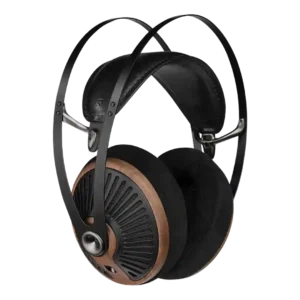
Choose the 105 Silva for premium comfort, repairable build, musical mids, and immersive home listening. Skip it if you need ANC, Bluetooth, strong isolation, or the most neutral sound at...
Pros: Sustainability and repairability, Replaceable pads/headband
Cons: Noise isolation (passive), Travel friendliness
Choose the Px7 S3 if sound quality, premium build, and a slim stylish design matter most. Skip it if you need the strongest ANC, fold-flat travel compactness, LDAC, or feature-heavy...
Pros: Frequency response accuracy, Multipoint connectivity reliability
Cons: LDAC, Wear detection performance
Choose the P100 SE for huge battery life, strong sound, useful EQ, and standout value. Skip it if you need class-leading ANC, the lightest comfort, spatial audio, or a compact...
Pros: Codec support, aptX
Cons: LDAC, Water/sweat resistance rating
Choose the WH950NB Gen 2 for strong value, long battery life, comfortable padding, useful app control and effective everyday ANC. Skip it if heavy-bass clarity, simple onboard controls or guaranteed...
Pros: Instrument separation, USB-C
Cons: Button control usability, Maximum volume clarity